‘Full capitulation’ to Iran: US lawmakers attack Trump’s Iran MoU
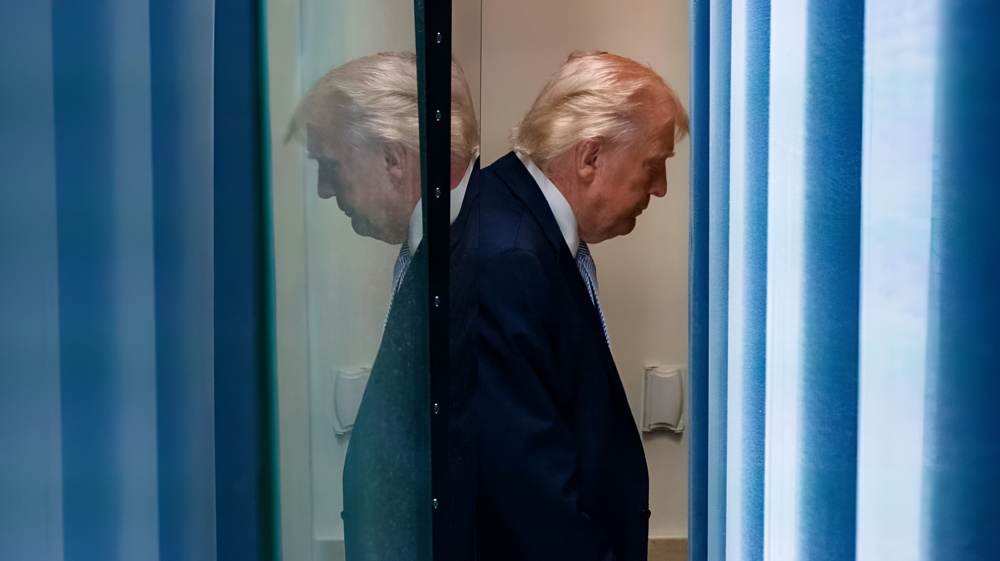
Describing the Iran-US memorandum of understanding as a “full capitulation” to Iran, critics in Congress have said the administration of President Donald Trump has conceded to the Islamic Republic after a costly and pointless war that failed to achieve Washington’s stated objectives.
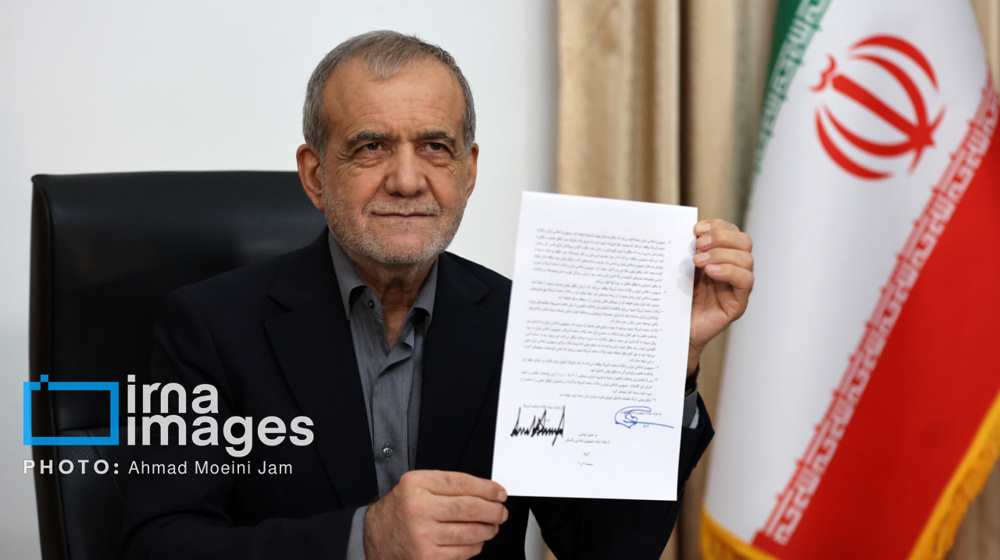
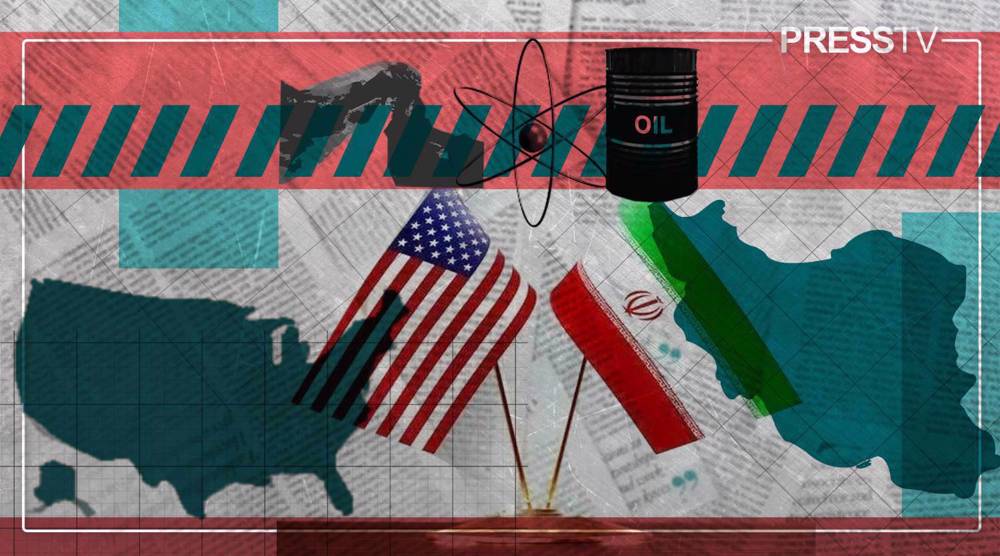
The 14-point memorandum of understanding, signed remotely by Iranian President Masoud Pezeshkian and Trump on Wednesday, calls for a permanent end to hostilities across all fronts, including Lebanon, the phased lifting of US sanctions, the removal of the naval blockade on Iran within 30 days, and the restoration of commercial traffic through the Strait of Hormuz.
The draft agreement also includes a US-backed reconstruction and economic development plan for Iran worth at least $300 billion, oil export waivers, the release of Iran’s frozen assets, and a renewed Iranian commitment not to seek nuclear weapons, while further negotiations continue over Tehran’s enriched uranium stockpile.
The agreement has triggered sharp criticism in Washington, where some lawmakers argue that months of military escalation imposed heavy costs on the United States while yielding significant gains for Iran.
“Reagan is rolling over in his grave. Iran's nuclear ambitions were not curbed, and they have learned that threatening the strait of Hormuz works and will undoubtedly leverage it in the future,” wrote Republican Senator Bill Cassidy on X.
Cassidy also criticized the economic provisions of the agreement, saying, “Now, Iran gets to build brand-new infrastructure under this deal.”
Reflecting on the consequences of the war, he added that “Before the war, the strait was open, Iran was being crushed by sanctions, and 13 service members were still alive. Now, 13 Americans are dead, families have paid billions at the pump, sanctions will be lifted, and the bombing has stopped.”
Other lawmakers also questioned the outcome of the conflict and the concessions offered to Iran.
'Iran won'
Democrat Senator Chris Murphy described the MoU as an “insane deal” and “a multi-billion-dollar payoff in exchange for nothing.”
He criticized the deal for giving in to Iranian demands, such as lifting oil sanctions, while effectively securing no significant new concessions from Iran.
“The agreement is basically just that we lift oil sanctions and Iran does nothing. That’s it. That’s a humiliation,” Murphy added, stressing that “This is just proof positive that the war got America nothing. Iran won. Trump surrendered. And that is essentially what this deal represents.”
Senator Ted Cruz criticized elements of the agreement as problematic, saying they appeared “ill-advised.”
Senator Lindsey Graham, a staunch supporter of Trump, however, adopted a more cautious tone after receiving briefings from US officials.
“Whether or not the United States can reach an acceptable, verifiable deal with Iran regarding its nuclear program and other issues is yet to be determined, but I see little downside to trying,” Graham said.
“The economic stability that comes from opening up the Strait and the cessation of hostilities could create a pathway to peace well beyond the Iranian conflict,” he added.
Republican Thomas Massie criticized the inclusion of the $300bn assistance plan, stressing that the figure is five times as much as the US Congress spends on roads and bridges annually.
Nikki Haley, the former US ambassador to the UN during Trump’s first administration, attacked the president for his “plan to unlock billions of dollars and lift sanctions, with the promise of even more money.”
Mike Pence, who served as Trump’s first vice president, also said that the US-Iran MoU “does smack of the kind of appeasement that our administration rejected in the Obama-Iran nuclear deal”.
Senior Democrats also demanded greater transparency from the White House, arguing that Congress and the American public had been excluded from decisions surrounding a failed war.
Senate Foreign Relations Committee ranking member Jeanne Shaheen called the agreement a “full capitulation.”
“The devil is in the details, and so far we haven't gotten a real signed agreement. That's why I would urge the president and the White House to release the agreement, whatever it is, as soon as possible to Congress...Based on the scorecard I'm keeping, I don't see what the wins are.”
In a letter to Secretary of State Marco Rubio, senior House Democrats wrote that “For more than 15 weeks, the Administration left Congress and the American people in the dark about a war of choice that has proved to be a strategic failure.”
While welcoming diplomacy, they added that “While we welcome the Administration's turn toward diplomacy and its decision to end this war of choice, the Administration must provide Congress with greater details about the MoU, any side agreements, and the Administration's plan and strategy for the 60-day ceasefire period; including its approach to sanctions relief, Iran's nuclear program, and reported economic and reconstruction funds.”
Representative Pramila Jayapal also questioned the costs of the war, stressing, “The Strait of Hormuz apparently is now going to be open after 30 days. Well, guess what? It was open before the war started...We are literally going back to a position that is worse than when we started.”
Iran has emphasized that the agreement was built on "active distrust" of the United States and that Tehran will monitor US compliance closely.
Iranian officials have described the MoU as a product of military achievements and the sacrifices of the Iranian people, rather than diplomacy alone.
US leaves UN Human Rights Council after probe finds possible American war crimes in Iran
Yemen dismisses Mecca drone allegation, says kiswa donors to Epstein target sanctities
US extends ban on Palestinians scheduled to attend UNGA



Iran, Pakistan FMs discuss regional developments, energy supplies
VIDEO | Black smoke, flames rise near Riyadh airport amin Yemen strikes
VIDEO | Hundreds of thousands of people in Tehran attend rally, parade dubbed 'Sacrifice for Iran'
Remembering Sabra and Shatila massacre: Why memory is the ultimate shield against erasure
Syria’s HTS declines Saudi bid for militants against Yemeni forces: Report
VIDEO | Pentagon criticized for failing to release real number of US troops casualties
Araghchi: Military intervention cannot create security; coercion cannot bring peace
VIDEO | US president using Greenland as foreign policy success



 PressTV NEWSLETTER
now
PressTV NEWSLETTER
now
 This makes it easy to access the Press TV website
