Explainer: What is Trump’s new Gaza proposal – and why is it raising more questions than answers
By Mina Mosallanejad
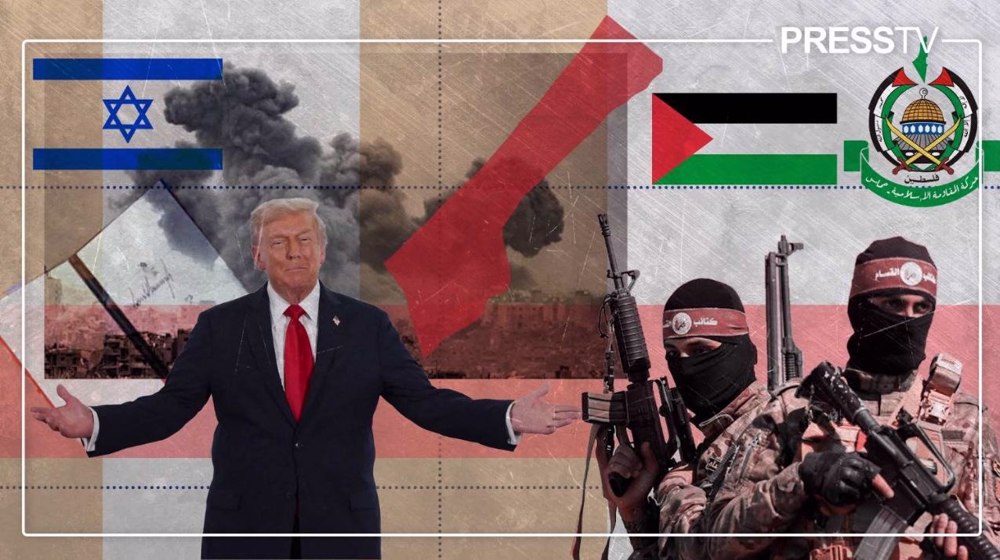
On Thursday, US President Donald Trump claimed that the Gaza Board of Peace had reached a “historic” agreement for the complete disarmament of Hamas and other Palestinian resistance groups under the so-called Gaza Peace Plan.
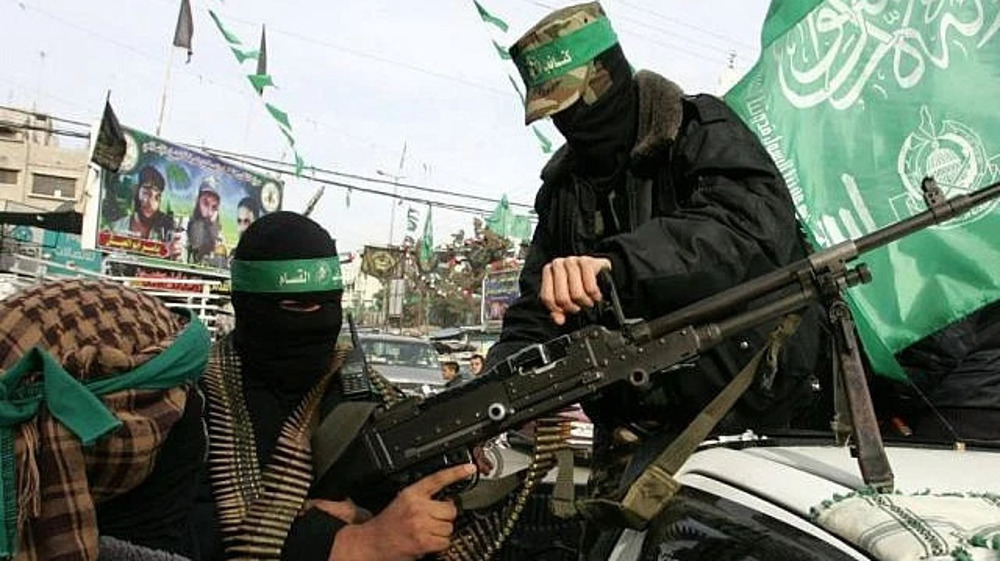
Hamas resistance movement, however, said any agreement on heavy weapons would be conditional on a complete Israeli military withdrawal from Gaza, an end to all forms of genocidal aggression, and the launch of reconstruction efforts in the besieged territory.
The Israeli regime has yet to comment on Trump’s announcement officially.
The proposal comes as the first phase of the US-brokered ceasefire, which came into effect on October 10, 2025, has largely failed to end Israel’s genocidal attacks on Gaza.
Since the truce took effect, more than 1,200 Palestinians have been killed, while Israel has continued restricting humanitarian aid and expanding its so-called “Yellow Line” inside the besieged coastal territory.
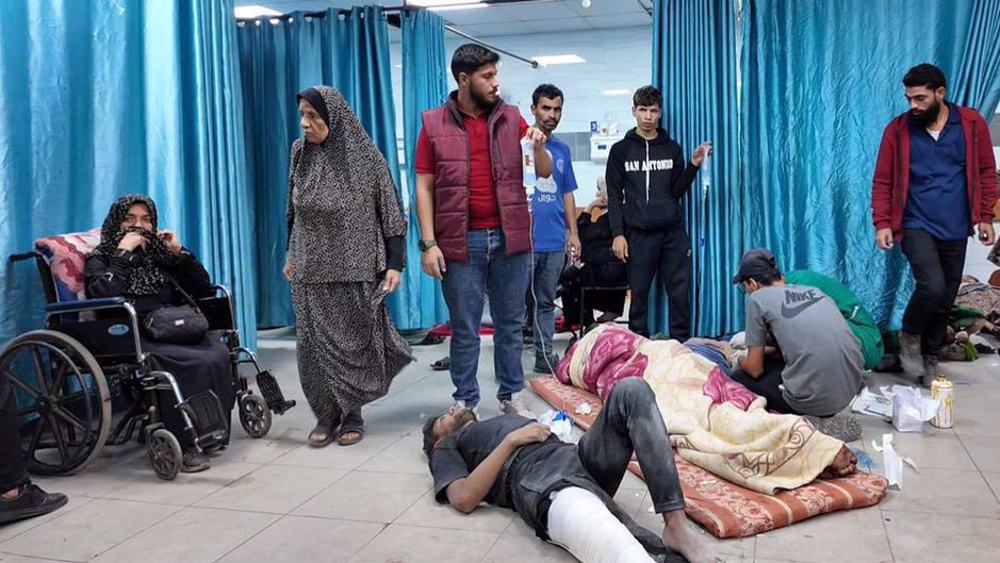
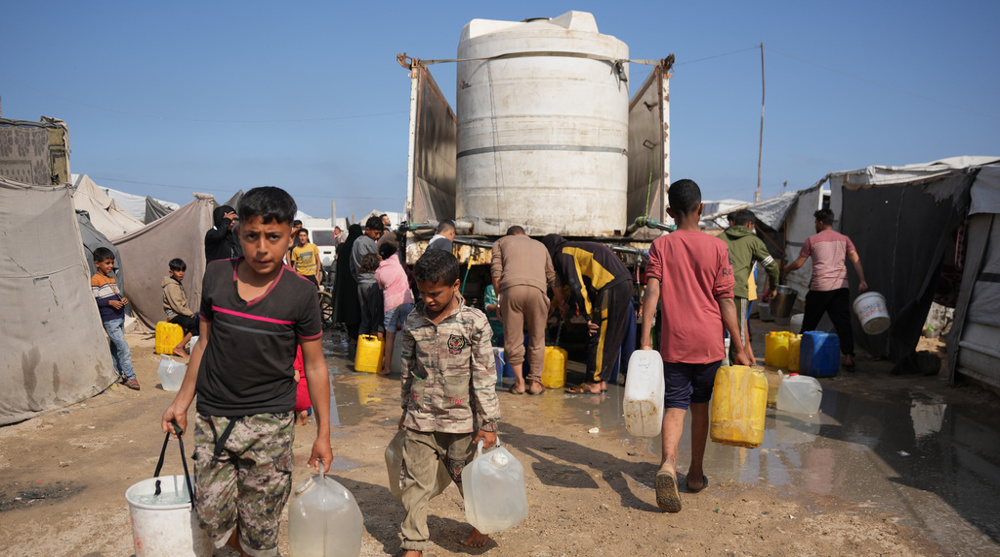
With Palestinians continuing to suffer daily Israeli attacks, repeated displacement and severe shortages of food, medicine and shelter, and given the failure of the first phase of the ceasefire and the deep mistrust between the Palestinian and Israeli sides, observers remain skeptical that the latest initiative can bring a lasting end to the war.
Here’s what we know about the latest development.
What did Trump say?
“Today, the Board of Peace reached a HISTORIC agreement for the COMPLETE DISARMAMENT of Hamas and all other armed groups in Gaza. This is a monumental step toward lasting PEACE and SECURITY,” Trump wrote on Truth Social late on Thursday.
According to Trump, Gaza would eventually be administered by a new Palestinian government working alongside the Board of Peace. At the same time, Israel would receive what he described as long-term security guarantees.
Trump said the agreement would be implemented in stages, with Israeli occupation forces withdrawing as the disarmament process advances.
“Agreement will be carried out in carefully structured phases. As disarmament is completed, Israeli forces will withdraw, and the International Stabilization Force will work with a new Palestinian police force to take responsibility for Gaza being safe for its residents and its neighbors,” he wrote.
What does the recent plan say?
The 14-point plan, published by the so-called Board of Peace on X on Friday, calls on the Israeli regime, Hamas and other Palestinian resistance factions to halt all military operations and proposes establishing an International Verification Committee (IVC) to oversee implementation.
It envisages a 14-day period after all sides accept the roadmap, during which a timetable and implementation mechanisms would be finalized.
Administrative control of Gaza would then be transferred to the National Committee for the Administration of Gaza (NCAG), a body of Palestinian technocrats established by the so-called Board of Peace in January.
The NCAG would take over all administrative functions, backed by the new police force and the so-called International Stabilization Force (ISF).
The proposal also calls for the gradual decommissioning of heavy weapons, military facilities, weapons depots and tunnels.
Under the plan, Hamas and other resistance groups would be disarmed through a “gradual, sequential and time-bound” process linked directly to phased Israeli withdrawals from Gaza, according to the Trump-backed proposal.
The ISF would operate between NCAG and Israeli-controlled areas of the territory, while internal security would be the responsibility of the NCAG and its police force.
How did Hamas and other groups react?
In a statement on Friday, Hamas said it had approached the negotiations and mediators’ proposals in a “responsible and positive manner.”
The Gaza-based resistance movement stressed, however, that any agreement on heavy weapons was conditional on the Israeli regime ending “all forms of aggression,” fully withdrawing from Gaza, allowing the NCAG to assume control, deploying international protection forces, dismantling armed groups backed by the occupation, and beginning the process of reconstruction.
Hamas also said any deal must guarantee “the right to self-determination, establishing the independent Palestinian state, and protecting citizens’ rights.”
Meanwhile, Palestinian Islamic Jihad, a party to the original ceasefire alongside Hamas, said reports of an agreement between the factions and Israel were “inaccurate,” and that the movement had “reservations about it in its currently circulated form.”
How did Israel react?
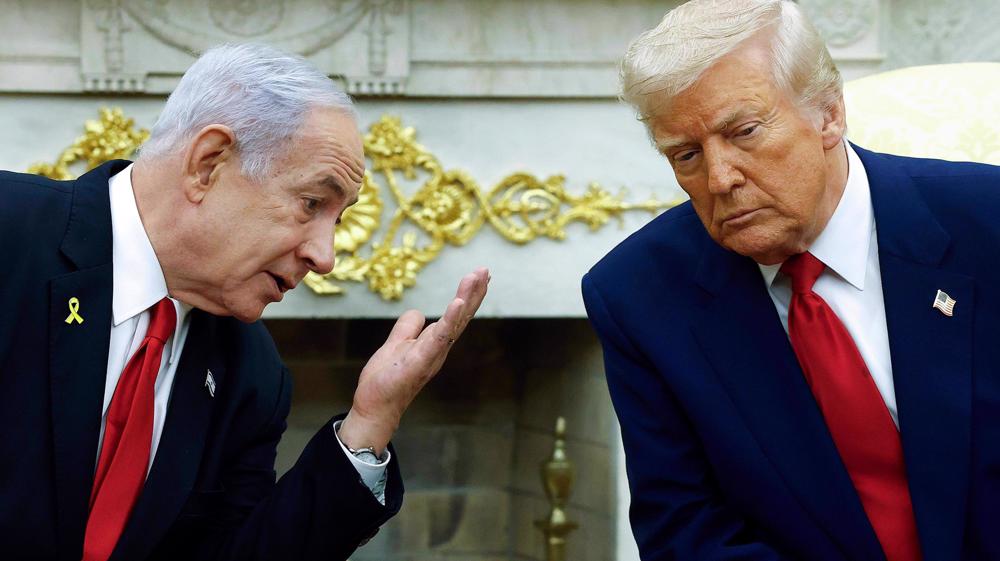
The Israeli regime has yet to issue an official response, and Benjamin Netanyahu has remained publicly silent, prompting observers to conclude he wants the genocidal war to continue.
The proposal nevertheless sparked sharp political debate ahead of Israel’s October elections.
Hawkish minister and genocide cheerleader Itamar Ben-Gvir rejected the draft as “unacceptable to Israel.” He rejected any agreement reached “through a third party,” insisting the only acceptable outcome remains Hamas’“destruction.”
“The assassinations in Gaza must continue, the encouragement of immigration must happen, Israel must win,” Ben-Gvir said.
Former army chief of staff Gadi Eisenkot, a leading contender to replace Netanyahu, said the draft peace plan shows the “outrageous gap” between the promise and reality.
He criticized Netanyahu for concealing the deal from the public, saying it “raises serious questions as to whether Israel is a partner to it, or whether, once again, an agreement is being imposed on Israel without its involvement.”
What was the original October ceasefire agreement?
Trump first unveiled his 20-point so-called Gaza peace plan in September last year, and a ceasefire between Israel and Hamas took effect on October 10, 2025, after two years of Israel’s genocidal war on Gaza.
By then, more than 72,000 Palestinians had been killed and over 170,000 wounded.
Under the agreement, Israeli occupation forces were to withdraw to the so-called Yellow Line, leaving Israel in control of roughly 53 percent of Gaza, while Hamas agreed to release the remaining captives held since Operation Al-Aqsa Storm on October 7, 2023.
However, key issues, including Gaza’s future governance, Hamas’ disarmament, a full Israeli withdrawal and long-term security guarantees, were left unresolved.
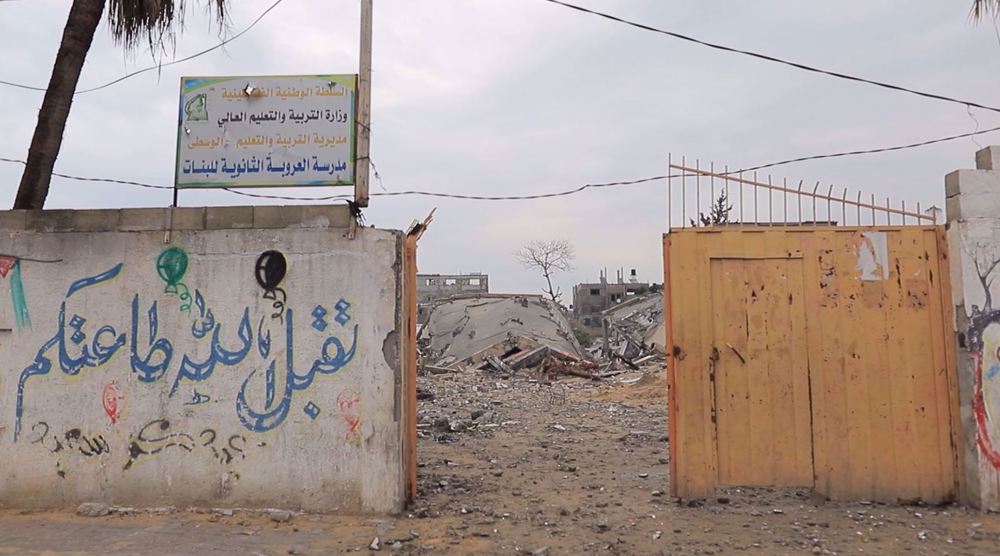
Since then, the ceasefire has repeatedly been violated by the Israeli occupation military. According to Gaza’s Health Ministry, Israeli attacks have killed at least 1,222 Palestinians and wounded more than 4,000 others since the truce took effect, while much of Gaza remains in ruins and humanitarian aid continues to face severe restrictions.
Israel has also expanded its illegal military presence beyond the Yellow Line. In May, Netanyahu said he had instructed the military to seize control of 70 percent of Gaza, suggesting that even more territory could eventually come under Israeli control.
The plan also included the creation of the so-called Board of Peace to oversee the agreement’s implementation and “handle the funding for the redevelopment of Gaza.”
The board was established by Trump and is led by the US government. However, its powers, composition and ambitions have caused concern among Palestinians and several governments.
After invitations in January, France, Spain, Norway and others cited concerns about the board’s charter, which they said suggested it could extend its reach beyond Gaza.
The initiative also risks sidelining the United Nations, particularly after Trump suggested the board could eventually replace the world body and said he intended to remain its chairman for life, regardless of his presidential term.
Several European countries declined to join the board because of concerns over its mandate, while Israel has been included in the process despite perpetuating genocide in Gaza and even though the International Criminal Court has issued an arrest warrant for its prime minister.
Gaza health system nears collapse amid shortages and fuel crisis
Hamas condemns Netanyahu’s illegal entry into Al-Aqsa Mosque
Poll: Over half of US Jews say Netanyahu fueling American anti-Semitism



US visa ban on Iranian president’s media team is bid to hide the truth: FM spokesman
US aggression, economic warfare amount to crimes against humanity: Iran's UN envoy
Protests erupt in US as ICE agent shoots Venezuelan driver
US pressure fuels cooperation among Muslim states: Pezeshkian
Major TV networks suspend White House pool coverage after Trump ban
US visa ban on Palestinian UN delegation violates international agreements: Hamas
VIDEO | Press TV's news headlines
Iran calls on France to respect law after suspending French cultural institute in Tehran


 PressTV NEWSLETTER
now
PressTV NEWSLETTER
now
 This makes it easy to access the Press TV website
