Support for US war of aggression against Iran falls to record low: Poll
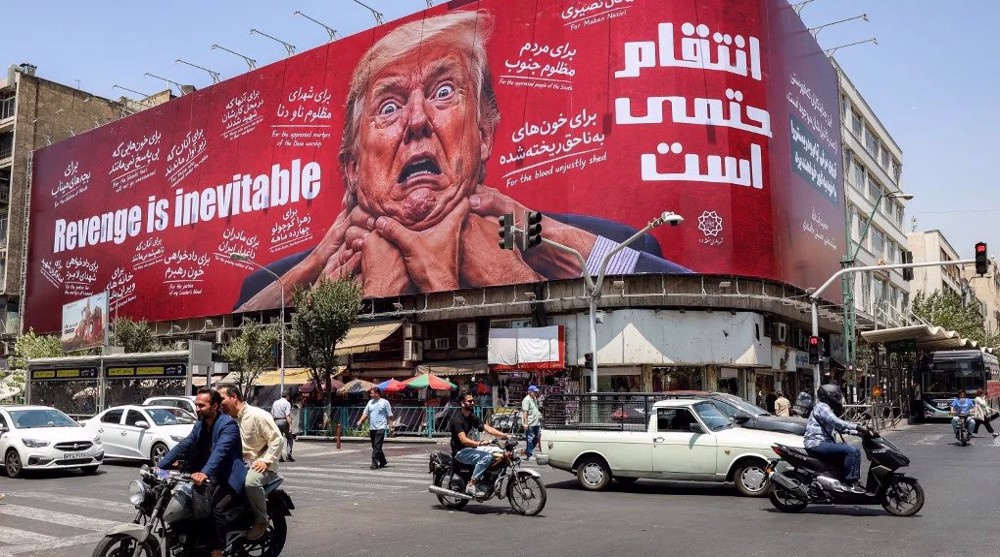
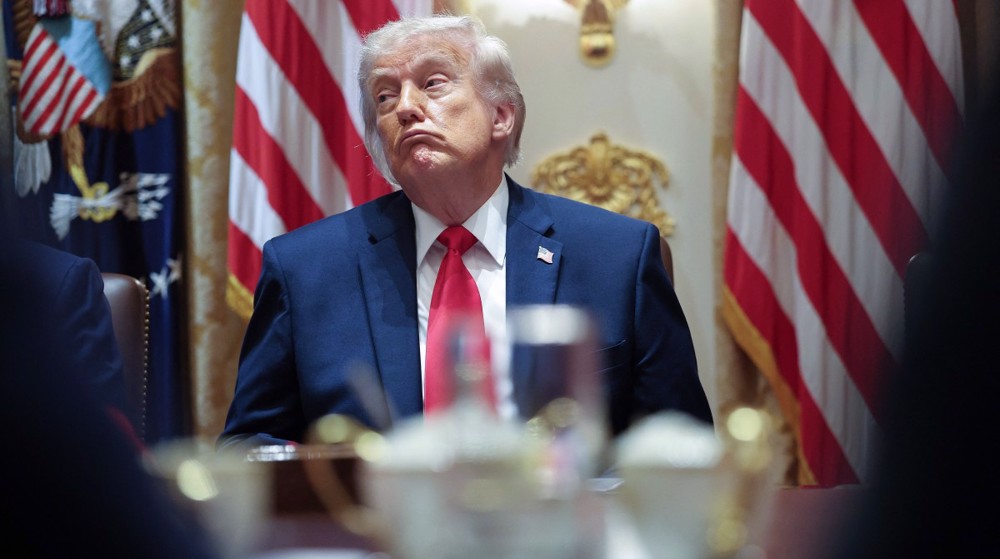
Support for the US war of aggression against Iran has fallen to its lowest level since the war began five months ago, with only one in three Americans now backing the aggression.
A Reuters/Ipsos poll also found that a majority of respondents believe US President Donald Trump has failed to clearly explain the objectives of the war.
Trump has repeatedly said the aggression is aimed at eliminating Iran's ballistic missile capabilities and preventing Tehran from developing a nuclear weapon. However, 69 percent of respondents, including about 40 percent of Republicans, said he had not "clearly explained the goals of US military involvement in Iran."
The nationwide poll, conducted from Friday through Sunday, showed that the support for the military aggression has remained below 40 percent since the United States and Israel launched strikes on Feb. 28.
The level of public backing is considerably lower than at the outset of previous major US wars. Gallup polling found that roughly 70 percent of Americans supported the Iraq War during its opening months in 2003, while about 90 percent backed the war in Afghanistan in its early stages.
The relatively weak support could present a political challenge for Trump and the Republican Party ahead of November's midterm elections, when Republicans will seek to defend their narrow congressional majorities.
According to Reuters, 18 US service members have been killed and hundreds more wounded since the war began. The aggression on Iran has also driven up gasoline prices, with the national average climbing to just over $4 a gallon from about $3 before the aggression was launched.
The poll also suggested Republicans could struggle to win over independent voters ahead of the midterm elections.
Among registered independents surveyed, 36 percent said they supported the Democratic congressional candidate in their district, compared with 20 percent who favored the Republican candidate. Independents also preferred Democrats over Republicans on economic policy.
The findings come as what many in Washington expected to be a swift military campaign lasting no more than four to six weeks has entered its fifth month.
Observers say the prolonged war has exposed the limits of Trump's improvisational approach, impulsive decision-making, and political theatrics on a battlefield shaped by strategy, endurance, and geography.
Trump had hoped displays of American military power would define his second presidency. Instead, he now faces an Iran that has responded with might to the US-Israeli aggression.
Iran warns AI could become apparatus of ‘invisible dictatorship’ amid growing use in warfare
Pakistan says Makkah Defense Pact will not affect ties with Iran
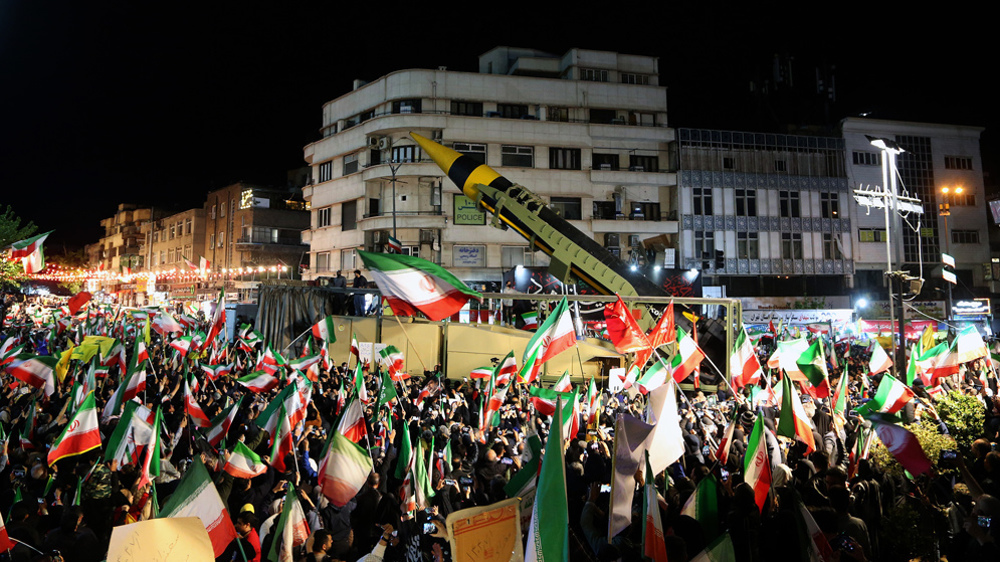
IRGC Navy chief praises 200 nights of nationwide demonstrations



Ansarullah: Yemenis are the true defenders of holy sites
VIDEO | Gaza journalists battle Israeli attacks, health crisis while documenting war
Israel blockade leaves 70% of Gaza hospital generators out of service: Health ministry
VIDEO | Press TV's news headlines
Pezeshkian hails 200 nights of rallies, reaffirms support for Iranian armed forces
Pezeshkian: Iran ready to resolve issues with neighbors through diplomacy
US narrative of pilot rescue ‘just fictional’: IRGC spokesman
Bodies recovered from Gaza rubble raise Israeli war crimes concerns: UN rights chief


 PressTV NEWSLETTER
now
PressTV NEWSLETTER
now
 This makes it easy to access the Press TV website
