Iran localizes 2,000 sanctioned petrochemical components to boost domestic production
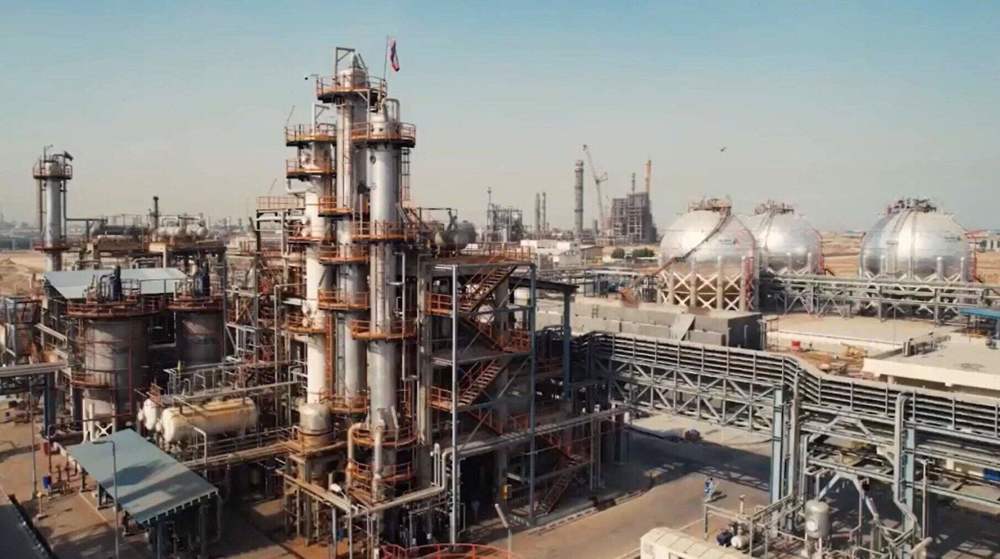
Iran's Academic Center for Education, Culture and Research (ACECR) has localized more than 2,000 petrochemical components previously imported under sanctions, completing their technical drawings and documentation to pave the way for domestic mass production.
Speaking at a press conference marking ACECR's 46th anniversary, Hamid Saberfarzam, head of the organization's Technology Commercialization and Knowledge-Based Employment Organization, said the institution had focused on addressing the country's strategic needs over the past year.
"Despite the country's challenges, ACECR dedicated all its capacities to solving national problems. Following the directive of the organization's president, we placed special emphasis on four key areas: defense, self-sufficiency and localization, food security and agriculture, and employment," he said.
Referring to the organization's activities in the energy sector, Saberfarzam said, "Last year, more than 2,000 parts required by the petrochemical industry, which had previously been imported, were localized by ACECR's technologists."
"The technical drawings and final books for these components have also been completed and delivered to the petrochemical industry, paving the way for their mass production by domestic manufacturers," he added.
Saberfarzam announced that ACECR has signed a contract to prepare a comprehensive self-sufficiency roadmap for Iran's petrochemical industry, adding that the project is currently underway.
He also said the organization is expanding its activities in agriculture, noting that its Agricultural Research and Technology Center is active in livestock breeding, agricultural inputs, fertilizers and pesticides.
He added that ACECR will soon sign an agreement with Isfahan province to establish one of Iran's largest agricultural research and technology parks.
He also underscored ACECR's role in strengthening Iran's defense capabilities and self-sufficiency, saying, "In the defense sector, we have implemented numerous projects in cooperation with knowledge-based companies within ACECR's innovation ecosystem to provide technological support for defense research."
Also speaking at the event, ACECR Vice President for Research and Technology Zahra Sheikhi highlighted the organization's latest technological achievements.
"Our mission-oriented approach has resulted in several major industrial projects, including the mass production of 530 tons of a strategic drilling material, the production of more than six tons of domestically developed industrial alloys, the construction of a 250-kilowatt solar inverter, and the launch of the national 'Sahab' reference laboratories," she said.
Sheikhi also noted that demand-driven research had expanded significantly, saying, "Out of 751 employer-funded projects registered over the past three years, 591 were launched in the last Iranian calendar year alone, reflecting our strong focus on addressing the country's priority needs."
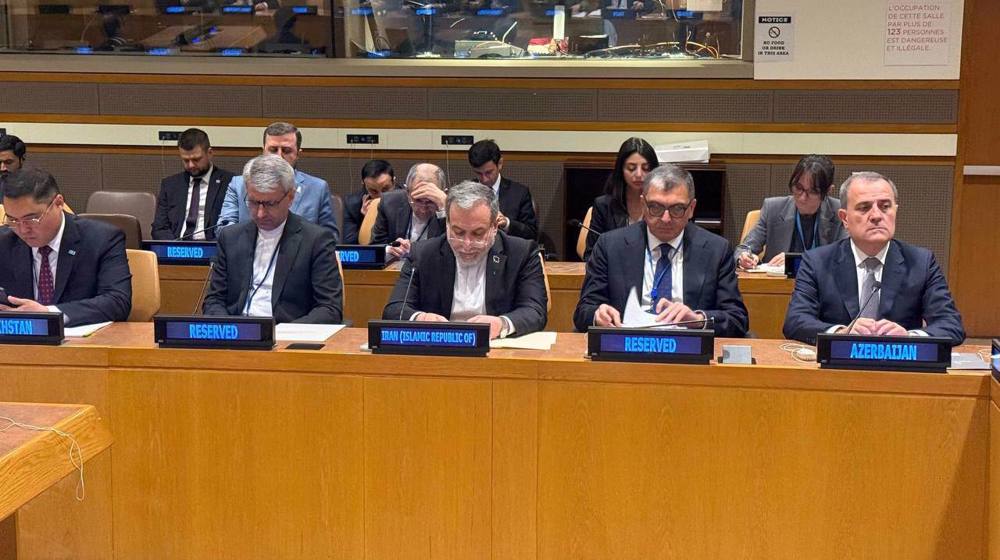
ECO can play greater role in regional peace, economic integration: Araghchi
Iran says international flights continue despite US sanctions pressure
Iran slams US for blaming Tehran over rising fuel prices, Strait of Hormuz closure



Disarmament without dealing with Israel’s nukes is meaningless: Iran's deputy FM
VIDEO | UN says Gaza struggling with most severe economic crisis on record
At UN, Russia condemns US assassination of Iran’s Leader as ‘unacceptable’
Yemeni military says Saudi warplanes carry out 27 airstrikes in past 24 hours
Israel establishes new illegal settlement outpost in occupied West Bank
VIDEO | Press TV's news headlines
VIDEO | News Review: Iran slams US ‘economic terrorism’
VIDEO | Yemeni army releases video showing strikes on Saudi military buildups, vehicles



 PressTV NEWSLETTER
now
PressTV NEWSLETTER
now
 This makes it easy to access the Press TV website
