Understanding Iran’s tourism momentum amid war and sanctions
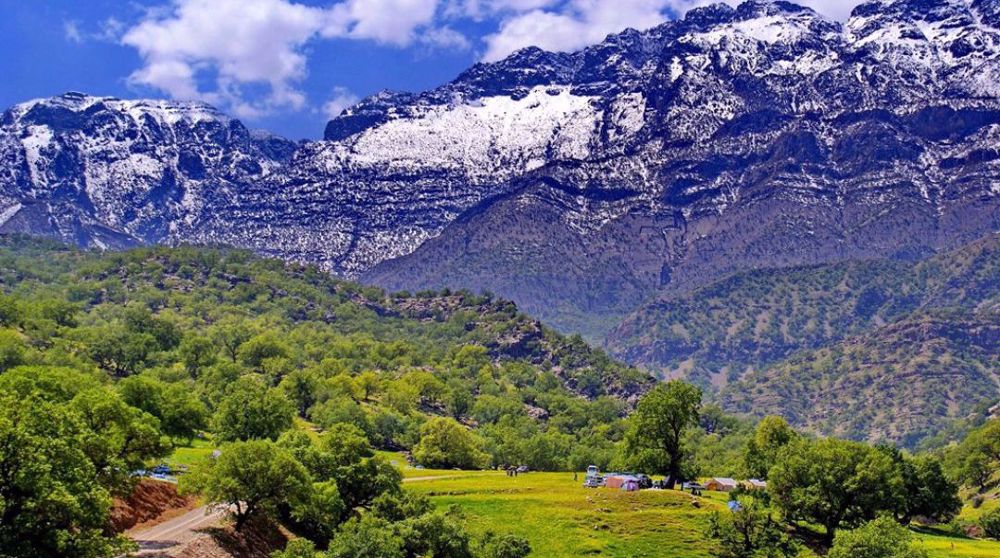
Iran’s tourism economy is taking an unusual shape, with thousands of projects advancing through construction, planning and provincial investment committees despite inflation, sanctions, currency instability and regional war.
Ali-Asghar Shalbafian said last month that 3,017 tourism projects are under construction nationwide, representing 1,300 trillion tomans ($7.8 billion) in entirely private-sector investment.
Shalbafian, head of the investment center at the Ministry of Cultural Heritage, Tourism and Handicrafts, said that incentives under Article 83 of the Seventh Development Plan could bring another 500 hotels into Iran’s accommodation stock.
In Mazandaran, officials recently said 212 tourism projects had been introduced for financing, with 1,024 billion tomans allocated through budget provisions and provincial presidential-trip commitments.
The projects are expected to create 905 jobs and show how provincial authorities are assembling public financing, infrastructure and private activity around tourism.
The question is no longer whether Iran has tourism potential, a fact acknowledged for decades. The question is why an Iranian investor would commit scarce capital to a hotel, guesthouse, or leisure complex when there are so many other uses for money.
The projects themselves point to a practical answer, as tourism gives investors something they can build, operate and sell to an existing domestic market while retaining exposure to a potential recovery in foreign travel.
That domestic market matters because international tourism has been particularly vulnerable to politics.
The tourism ministry has acknowledged that the two terrorist US-Israeli wars on Iran reduced foreign tourism, while domestic travel remained active, albeit with changes in where people travelled
The government is now strengthening domestic tourism by not only expanding accommodation but introducing a “Travel Card” that lets households pay for tourism services without covering the full cost upfront.
It allows participating hotels, ecotourism establishments, travel agencies and other tourism businesses to offer their services through the system, with repayment periods extending to four, 12 or 24 months.
The scheme is an effort by the tourism ministry to stimulate demand and support tourism businesses amid difficult economic conditions.
The war did not leave Iran’s travel economy untouched, but demonstrated how much of that economy can function without depending on international tourism.
Years of sanctions and limited connectivity have fostered a substantial domestic tourism infrastructure of roads, hotels, restaurants, historic sites, resorts and village accommodation serving Iranian travelers.
The pattern was visible during the war period. Some established destinations, particularly in Gilan and Mazandaran, experienced declines, while less familiar provinces including Lorestan, Ilam, Kurdistan and Chaharmahal and Bakhtiari recorded increases.
The travel map moved rather than disappeared. Tourism authorities subsequently reported more than 29 million domestic trips and around 24 million overnight stays between March 5 and April 20, 2026.
Energy is another part of the equation. War has pushed fuel and aviation costs sharply higher for travelers and airlines in Europe and the US, while Iran operates within a very different energy system.
The country has substantial indigenous oil and gas resources, domestic refining and distribution infrastructure, and heavily administered and subsidized fuel prices.
Energy costs do not affect domestic travelers as directly or quickly as they do in countries more exposed to global fuel prices. For Iran’s road based, domestic tourism market, this provides a significant cost advantage.
To put this in context, a liter of gasoline in neighboring Turkey costs about 100 lira, or roughly 500,000 Iranian tomans, making it 50 to 333 times more expensive than Iran’s three gasoline tiers of 1,500, 3,000 and 10,000 tomans.
Beneath the headline investment figures, another shift is taking place. Iran’s tourism development is gradually moving toward what officials describe as theme-based tourism.
This approach focuses on specialized markets such as marine activities, health, thermal springs, heritage, rural life and nature rather than relying on a standard hotel and sightseeing model.
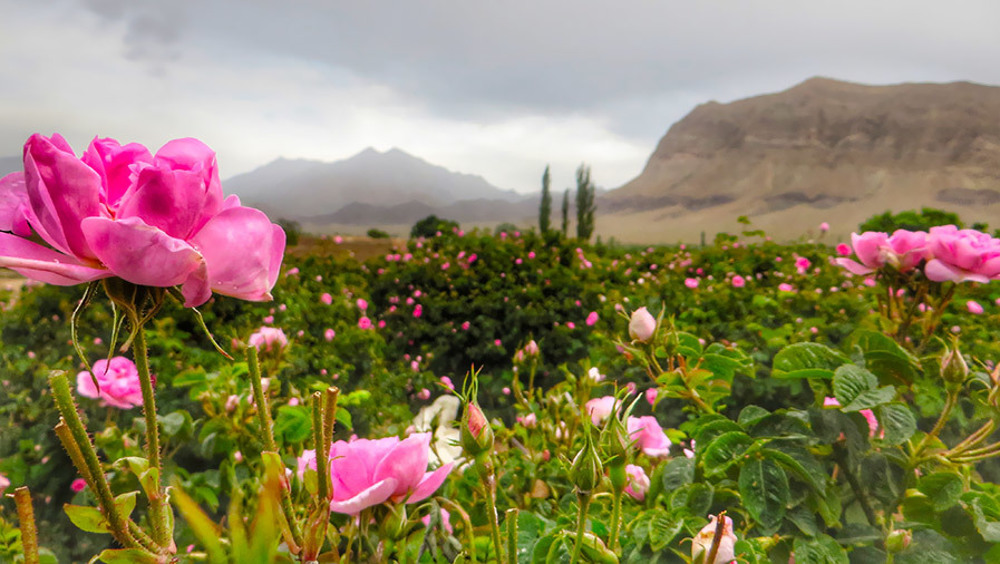
The coast provides a clear example. Mazandaran is developing a marine-economy framework around water-based tourism, while Bushehr is seeing new hotels, traditional restaurants, ecotourism lodges and coastal and marine tourism facilities.
In August, the tourism and energy ministries also unveiled 50 water-tourism projects and 300 investment opportunities linked to water resources and facilities across northern, southern and western Iran.
The same logic is visible inland. Ardabil is building around its thermal springs and health-tourism potential, while its rural landscapes are generating smaller ecotourism projects.
In Suha, a private investor opened the Rainbow of Nature tourism complex with 30 billion tomans of investment, six accommodation units and 15 jobs.
In Hir, the province is developing a health-tourism township, while officials say seven tourism projects have entered operational phases following agreements with investors, representing about 16 trillion tomans and more than 700 potential jobs.
Heritage offers another version of the model. In Borujerd, private capital has turned a roughly 300-year-old Qajar-era house into the province’s first boutique hotel, with 12 rooms, 60 beds, a traditional teahouse, restaurant and bathhouse.
In West Azerbaijan, the historic Akhund Bathhouse in Urmia has similarly been revived as a tourism and services complex.
The idea is to turn Iran’s existing cultural assets into unique tourism experiences that can generate revenue. That helps explain why investment is expanding beyond five-star hotels.
In Gilan, officials recently counted 285 tourism projects under construction worth 110 trillion tomans, including 58 hotels and 120 ecotourism accommodation units.
Investors are building not only for affluent international visitors but also for domestic travelers seeking a few days in a village, forest or coastal town.
Smaller projects matter because they require less capital. Investment is increasingly following roads, springs, forests, villages and historic areas where Iranians already travel, rather than waiting for foreign tourists or major hotel chains.
A lake, thermal spring, forest, historic house or stretch of coastline can become the starting point for an economic chain involving accommodation, food, transport, retail, handicrafts and local services.
The broad investment pipeline shows that investors are not relying on a return of international tourism. Instead, they are targeting diverse demand, from domestic holidays and medical travel to heritage, rural, thermal and coastal tourism.
Iran’s tourism economy is being built piece by piece, with its future depending on whether locally rooted businesses can turn the country’s heritage, geography and domestic travel demand into lasting growth.

BRICS paving way for alternative world order, not a war machine against West: Analyst
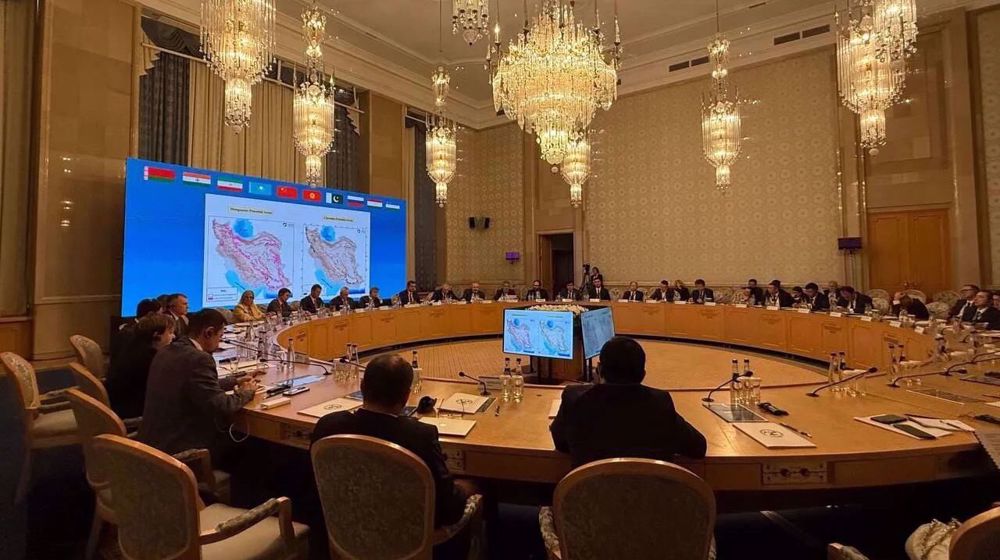
Iran finds new platform in SCO to develop its rare-earth potential
Discover Iran: Tabriz, where Iran’s Silk Road legacy meets industry, trade and a new economic future



Iran sets 7 conditions for US to escape war quagmire: Rezaei
Stories Beyond Numbers: Mojtaba, three-day-old infant whose life was cut short before it could bloom
Discover Iran: Tabriz’s ‘Mausoleum of Poets,’ where centuries of Persian literary history live on
Moscow intercepts massive Ukrainian drone strike amid elections; civilian casualties reported
Understanding Iran’s tourism momentum amid war and sanctions
How Yemeni retaliatory strike on Saudi East-West pipeline exposed limits of bypassing Hormuz
Israeli forces abduct eight Palestinians in West Bank amid settler violence
China rejects unilateral sanctions as Trump signs bill targeting Russia, Iran


 PressTV NEWSLETTER
now
PressTV NEWSLETTER
now
 This makes it easy to access the Press TV website
