Discover Iran: Tabriz, where Iran’s Silk Road legacy meets industry, trade and a new economic future
By Ivan Kesic
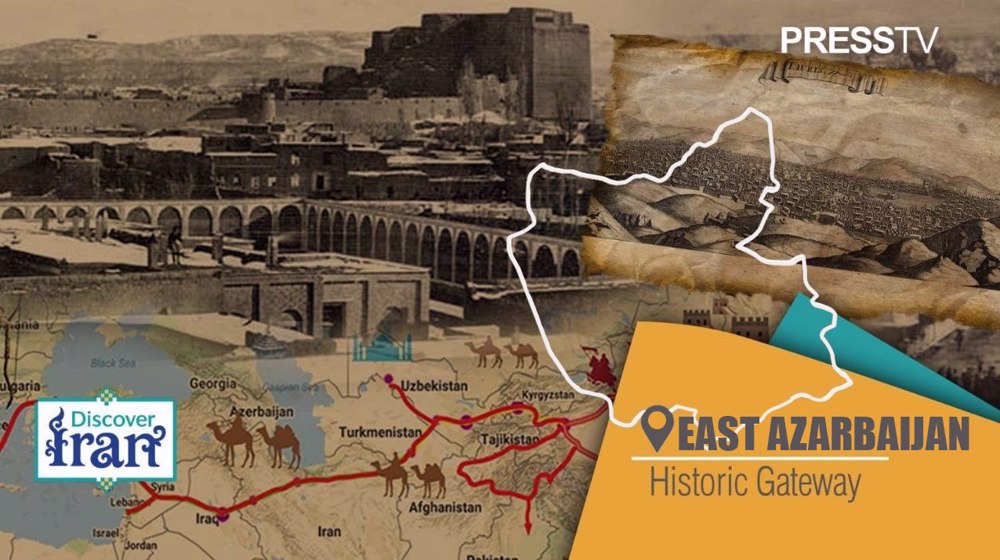
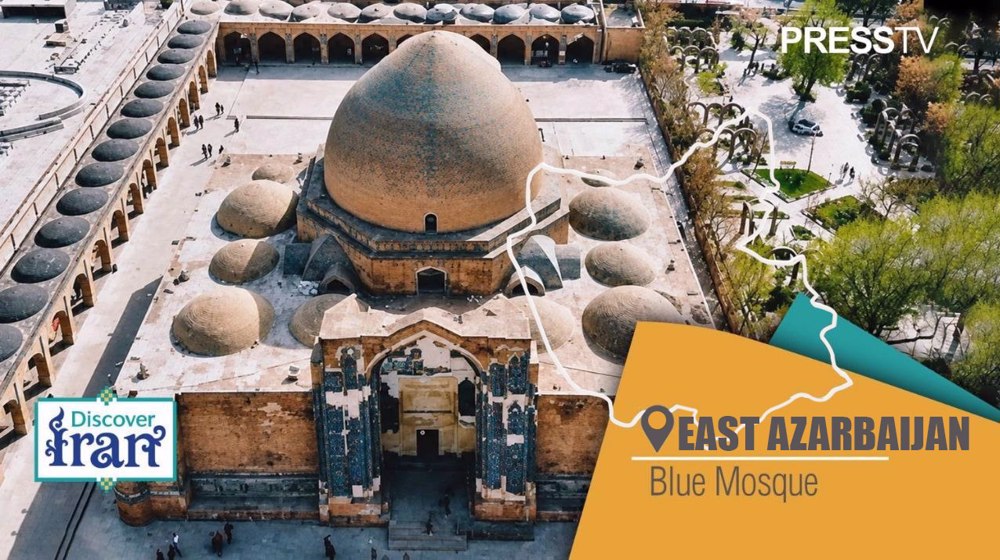
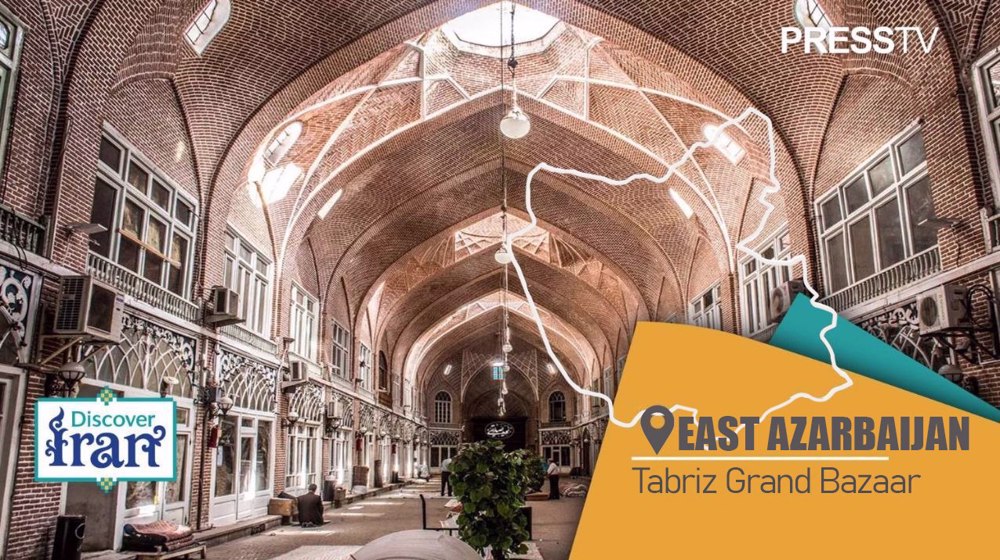
- Tabriz has been a strategic crossroads for millennia, with its location along the Silk Road transforming it into a major commercial hub whose historic bazaar remains the world's largest covered market and a UNESCO World Heritage Site.
- Today, the city is a diversified industrial powerhouse where more than ninety-four percent of East Azerbaijan Province's economy is supported by the private sector, encompassing tractor manufacturing, petrochemicals, food production, carpet weaving and a growing knowledge-based sector.
- Tabriz is now pursuing an ambitious vision to become Iran's economic capital, aiming to attract four trillion tomans of investment while leveraging its unique position as the gateway connecting Iran with Turkey, the Caucasus and the wider region.
Tabriz has long occupied a distinctive position in Iran’s economic geography. Located in the country’s northwest, close to Turkey, Armenia, and Azerbaijan, the city has for centuries served as a meeting point between Iran’s domestic market and the commercial networks connecting the country with Anatolia, the Caucasus, Central Asia, and Europe.
That geographical advantage remains highly relevant in the twenty-first century, even as the economic character of Tabriz has evolved considerably.
No longer primarily a traditional trading center, Tabriz has emerged as a diversified industrial and commercial metropolis. Its economy today spans manufacturing, engineering, petrochemicals, food production, trade, tourism, and an increasingly important knowledge-based sector.
Legacy written on the Silk Road
Tabriz's economic identity was forged long before the modern era. The Tabriz Historical Bazaar Complex, the largest integrated covered brick structure of its kind and a great economic-social system, owes its existence to the city's strategic setting along the Silk Road.
This vast commercial network connected China and beyond to Tabriz, turning the city into a main commercial hub whose influence extended from beyond Caucasia to Arab countries, the West Asia, Africa, Istanbul and many European countries.
The old city had many gates connecting it to other important cities, reflecting wide-ranging communications within and beyond the urban fabric.
The Silk Road's route in Iran was divided into two after Rey, and although the northern route through Azerbaijan was initially considered secondary because mountainous terrain and heavy snow made passage difficult for much of the year, it rose to prominence during the Ilkhanid reign, when Maragheh served as capital and the area's security made the road the main highway of the Iranian Plateau.
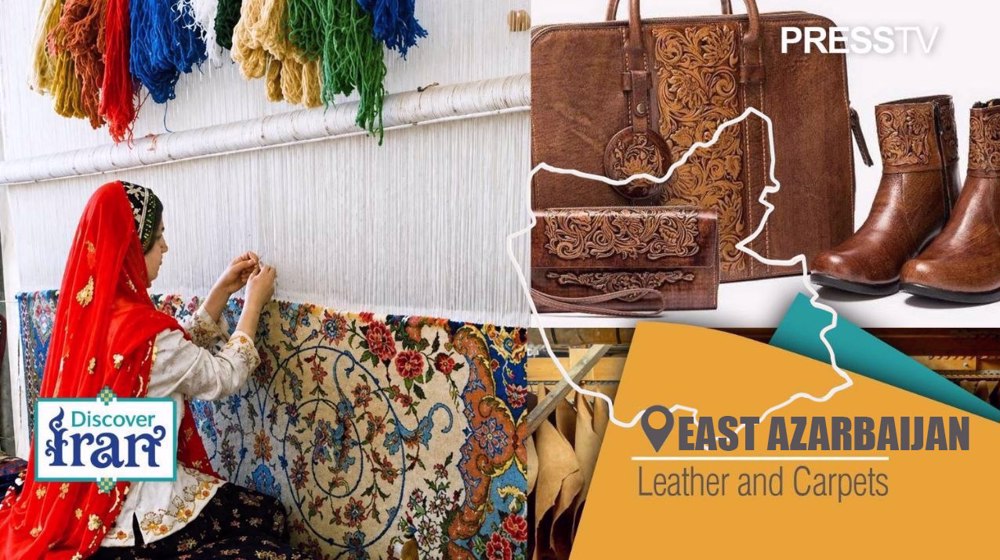
This commercial prosperity proved remarkably durable. Even after various terrible earthquakes, the bazaar's primary setting remained immovable, and it continued as the centre for exchanging popular goods such as Tabriz carpets, leather goods and dried fruits, with production and distribution cycles occurring entirely within its confines.
In the nineteenth century, Tabriz recouped the importance it had lost at the beginning of the Qajar era and became the most important city in the country in numerous respects, second only to Tehran in political significance and the most populous city in Iran over the last three-quarters of that century.
The city was centrally situated relative to the three neighbouring regions with which most of its trade was conducted: the Caucasus, eastern Anatolia and central Iran.
British trading firms established the Tabriz-Trabzon route in the 1830s, and soon goods with an annual value of one million pounds were being transported along it.
By around 1850, the city had become the principal seat of commerce in all Iran and the point from which nearly all the northern and midland countries were supplied with the produce and manufactures of Europe.
Approximately two-thirds of goods imported to Tabriz were transported onward to central Iran, while one-third remained inside Azarbaijan.
This history is a solid foundation for the city's contemporary ambitions, and the Grand Bazaar remains a UNESCO World Heritage Site and a living testament to Tabriz's historical role as a trading centre.
Strategic gateway between East and West
Geography has consistently been one of Tabriz’s greatest economic assets, and it continues to shape the strategic city’s role in the modern regional economy.
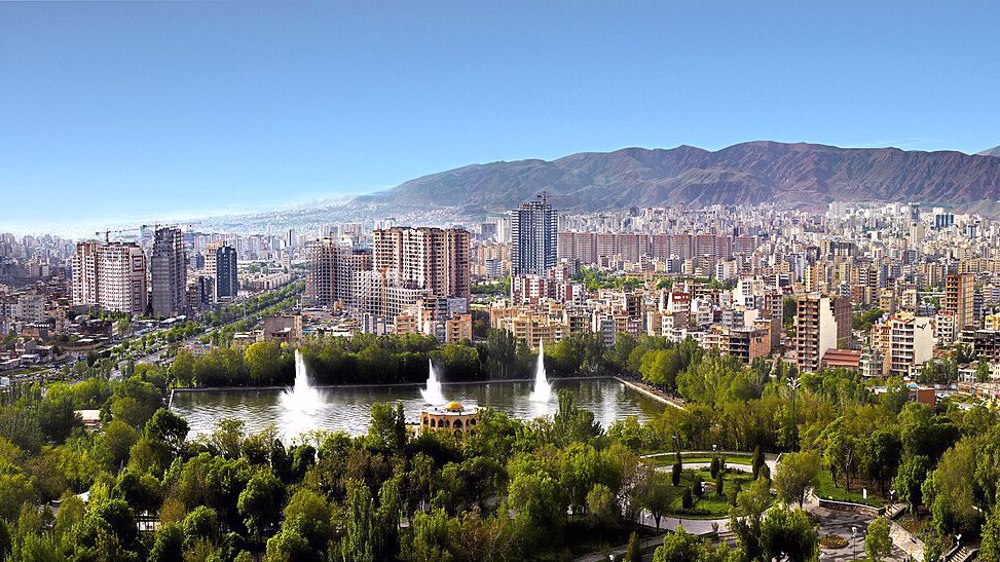
A combination of geographical, historical, economic, and industrial factors has transformed East Azerbaijan into one of Iran’s strategic points of connection between East and West. Situated at the crossroads of major regional markets, the province has historically served as a gateway between Europe and Asia—a role that remains relevant today.
The Silk Road once passed through the region, laying the foundations for Tabriz’s development as a major commercial center. This long trading tradition contributed to the emergence of the city’s historic bazaar, one of the world’s largest covered markets, as well as the establishment of Iran’s first chamber of commerce.
Tabriz’s position as a gateway between Iran, Turkey, and the Caucasus has created significant opportunities for trade and investment. Its location gives the city a natural commercial orientation toward neighboring markets and, through them, toward wider markets to the west and north.
This geographic advantage is reinforced by an extensive network of roads, railways, air connections, and customs facilities linking Tabriz with Iran and the surrounding region.
The Aras Free Zone is one of the clearest contemporary expressions of this strategic position.
The zone benefits from the implementation of certain powers delegated to border governors in the areas of border management and economic diplomacy. Its Jolfa and Norduz border terminals are active gateways for cross-border trade, while the continued growth in commercial exchanges has increased the focus on expanding and upgrading their infrastructure and operations.
The Aras Free Zone is also pursuing a diversified development strategy, with investment in industry, tourism, greenhouse agriculture, and solar power generation. In recent assessments, the zone has ranked strongly in construction activity and has performed particularly well in tourism, reflecting the breadth of its economic potential.
Tabriz’s regional accessibility is equally important for tourism. Rather than functioning simply as an isolated destination, the city can serve as a gateway to northwestern Iran, allowing visitors to combine a stay in Tabriz with trips to destinations such as Jolfa, Kandovan, Lake Urmia, and the region’s numerous historical and natural attractions.
In the contemporary economy, this geographic position offers Tabriz an opportunity to renew one of its oldest economic advantages. By combining its location with modern transport infrastructure and industrial capabilities, the city can serve as a platform connecting Iranian manufacturing, engineering, trade, and services with markets in Turkey, the Caucasus, Central Asia, and beyond.
Roads, rails and air links to the World
Transportation infrastructure forms the backbone of Tabriz’s economic connectivity, and significant efforts have been directed toward completing and upgrading the communication corridors that link East Azarbaijan with the rest of Iran and neighboring countries.
Given the strategic geography of East Azarbaijan Province, the development of road, rail, and air corridors is particularly important. A substantial share of official planning and follow-up has therefore focused on completing major transportation projects and strengthening the province’s position within regional transit networks.
Several major road projects are either operational, nearing completion, or under active development. The Tabriz–Zanjan Freeway has undergone necessary improvements and resurfacing, with the upgraded route now in operation.
The Tabriz–Bazargan Freeway represents another critical link in the province’s transportation network. The Tabriz–Sufian section is already operational, while the nine-kilometre Sufian–Shur Darq section is nearing completion. Negotiations with investors are also continuing over the extension of the route toward Bazargan, one of Iran’s principal land gateways to Turkey.
The Tabriz–Urmia Freeway has been planned in six sections, two of which are currently active. Elsewhere, nine kilometres of the Hashtrud–Maragheh Freeway are ready to enter service, with plans to extend the corridor toward the Tamarchin border crossing also being pursued.
Other projects are focused on improving regional circulation. The Ilkhchi bypass is ready for opening, while the eastern Bonab bypass and the Ajabshir bypass have been identified as priorities for further follow-up and development.
Rail connectivity is equally important to East Azarbaijan’s long-term economic role. The planned connection of Khavaran Station to Tabriz Central Station, followed by its extension toward the Soraya spring, is not simply a provincial infrastructure project.
It forms part of the broader East–West rail corridor linking the Sarakhs–Soraya route and, ultimately, strengthening the potential rail connection between China and Europe.
In this sense, the corridor echoes Tabriz’s historic role along the Silk Road. While modern rail infrastructure serves a fundamentally different economic system, the underlying principle remains similar: connecting production centers and markets across a vast geographic area through an efficient overland transportation network.
The Kalaleh–Jolfa road project is another strategically significant undertaking. Its widening has received attention at the highest levels of government, reflecting the importance of improving access to the northwestern border. In the current regional environment, strengthening this corridor could also help mitigate some of the transportation and connectivity constraints associated with developments around the Zangzur corridor.
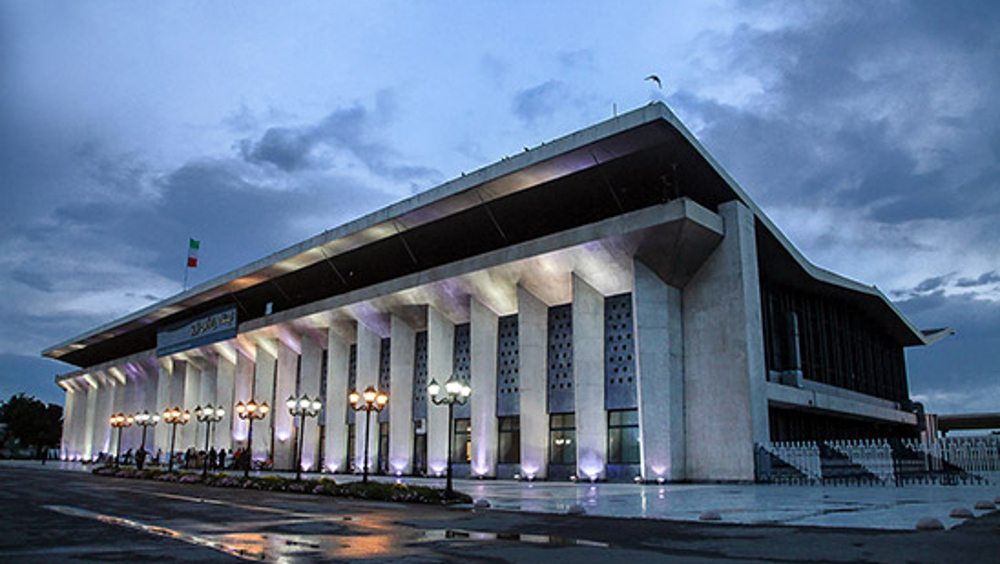
Air connectivity is receiving renewed attention as well. After years, the completion of the international transit hall at Tabriz Airport has been placed on the agenda of the Ministry of Roads and Urban Development, potentially strengthening the city’s capacity to serve both business and tourism flows.
The resilience of the province’s transportation infrastructure has also been demonstrated under difficult circumstances. During the recent imposed war, Tabriz Airport sustained damage at eleven locations but returned to operation within nine days. Two damaged sections of the railway connecting the province with central Iran were reconstructed within 72 hours, restoring rail connectivity relatively quickly.
The Hashtrud Bridge, which was severely damaged during the same period, was also addressed through the creation of a temporary bypass for public traffic while major reconstruction work continued.
Taken together, these projects demonstrate that East Azarbaijan’s transportation infrastructure is not simply a matter of provincial development. Many of the province’s major corridors have national, transnational, and international significance. Their strategic scale means that relying solely on provincial resources would make timely completion difficult, underscoring the importance of sustained national investment, private-sector participation, and international and regional connectivity initiatives.
Diversified industrial powerhouse
The industrial economy surrounding Tabriz encompasses an unusually broad range of activities, and this diversity reduces the extent to which the city depends upon any single economic activity.
Main industries such as machine building and tractor manufacturing are located in Tabriz, and machine building, as a factory-building factory, has played an important role in the industrial development of the province.
The province also has significant capacity in the production of automotive parts and machinery, an industrial capacity formed alongside the history of technical and vocational education in the region.
Iran Tractor Manufacturing Company and its associated industrial group remain among the most recognizable manufacturing institutions in the city.
The group has increased annual tractor production from roughly 21 thousand units to 40 thousand while exporting tractors to more than 25 countries, with reported exports worth about 61 million dollars and approximately nine trillion tomans invested in development projects and machinery modernization.
The city's machinery heritage is also associated with the long-established Machine Sazi Tabriz complex, whose modernization and rehabilitation have again become a policy priority, with the modernization process entering an implementation phase with participation from the Industrial Development and Renovation Organization of Iran.
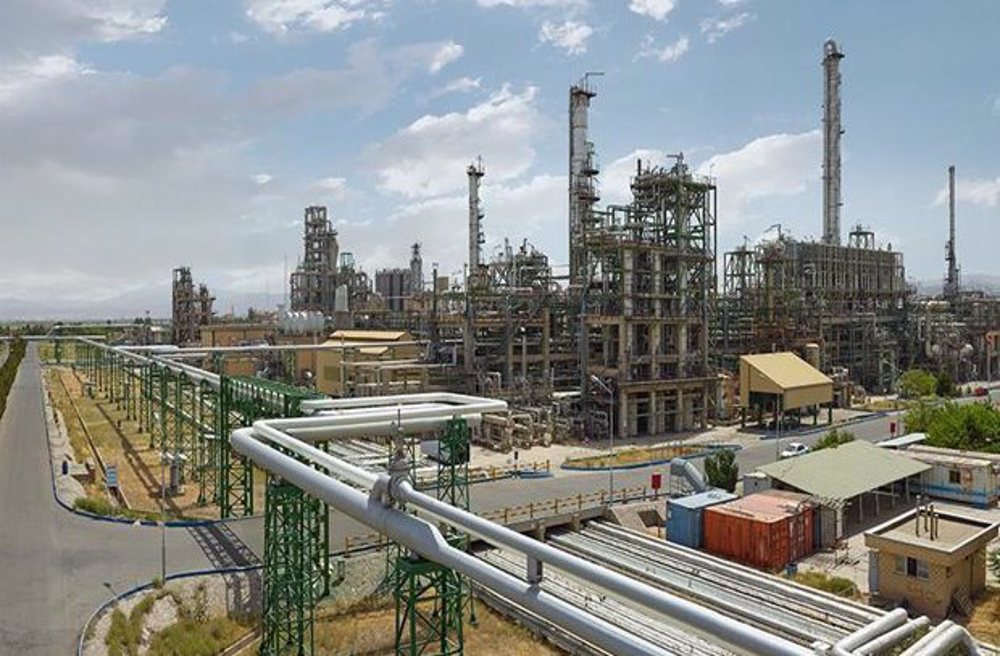
Energy-related industries form another major component of the modern economy. Tabriz hosts both a major oil refinery and one of the country's important petrochemical complexes, giving the metropolitan economy a role in processing hydrocarbons and manufacturing higher-value products.
Tabriz Oil Refining Company reported 234 trillion rials in operating revenue and approximately 25 trillion rials in net profit for the year, according to Iranian industry reporting.
Tabriz Petrochemical Company, described as the largest petrochemical complex in northwestern Iran, has a nominal production capacity of approximately 870,000 tonnes of chemical and polymer products annually and around 450,000 tonnes of saleable products, including polyethylene, polypropylene, polystyrene and ABS products.
Petrochemical products worth more than 31 trillion rials were exported to 20 countries, and a major overhaul estimated at more than 370,000 person-hours of work was undertaken to improve production stability, upgrade equipment and prepare for further export growth.
The food industry also plays a significant role, with about 400 active food industry units in East Azerbaijan and an annual production capacity of about 6.5 million tonnes.
The province ranks first in the country in the production of sweets and chocolate, supplying about 55 percent of the country's sweets and chocolate, products known for their quality and brand.
The leather, bag and shoe industry is one of ten defined value chains in East Azarbaijan Province, with Iran's shoe cluster containing about 3,000 production units and more than five hundred domestic units, supplying 17.5 percent of the country's domestic consumption through about thirty million pairs of shoes produced in the province, with export capacity to CIS and regional countries.
Private enterprise, investment and knowledge-based growth
One of the characteristics frequently emphasized by Iranian officials and economic observers is the unusually large role of the private sector in the economy of East Azarbaijan Province and Tabriz.
More than 94 percent of the province's economy is supported by the private sector, and 58 industrial towns are active in East Azarbaijan, ten of which belong to the private sector.
This statistic shows that the private sector has long had roots and origins in the province and continues to play an important role in production and economy.
The province ranks among the top four in the country in attracting foreign investment and first in issuing production licences, and it is among the top ranks in all measures that accelerate production.
Ten value chains have been defined based on the comparative advantages of East Azarbaijan for the development of the province, and these chains are among the government's support priorities, with a significant part of the province's employment in these sectors.
In 2022, 47 thousand job opportunities were created in the province, achieving more than 106 percent of the approved amount, while the unemployment rate was reduced by 1.1 percent.
Two hundred trillion tomans of investment in various economic sectors began in 2023, and more than 230 trillion tomans of investment memorandums were signed between the governor and the private sector during the presidential visit.
The province also ranks first in the country in mineral reserves, with eighty trillion tomans approved last year and 110 trillion tomans this year for the Sungun Copper project to invest in the copper value chain.
Three hundred dormant mines were expropriated and awarded to qualified individuals through auction to activate them, and the area of greenhouses in the province has grown by thirty percent over two years to more than 370 hectares.
Tabriz is also home to major universities and technical institutions, creating a significant pool of engineers, scientists and trained professionals.
The University of Tabriz, Tabriz University of Technology, Shahid Madani University of Azerbaijan and Tabriz University of Medical Sciences hold good positions in national and international rankings, and efforts have been made to strengthen the connection between industry and universities and support knowledge-based industries.
A new technology town is to be established in the Besat Industrial Town, the largest industrial town in the country with an area of 10,800 hectares, which has rail, road and airport capacities and can provide the basis for connecting industry, universities and technology more than ever before.
Trade, tourism and the road ahead
Trade remains one of the most important dimensions of Tabriz's local economy, and the scale of regional commerce is substantial.
During the first nine months of 2025, approximately 2.584 million tonnes of goods worth 1.351 billion dollars were exported through the province's customs facilities to about one hundred countries.
The Tabriz customs office alone accounted for approximately 780 million dollars of exports, equivalent to 984,000 tonnes.
Customs facilities at Tabriz, Sahlan, Jolfa, Norduz, Maragheh and Bonab collectively connect East Azarbaijan with a large international market, and the composition of exports has broadened beyond traditional goods to include machinery, tobacco, cocoa, meat and various manufactured products.
The Tabriz Chamber of Commerce continues to host national events concerning non-oil exports, international trade and industrial development, and in 2025 the city hosted the 29th National Conference on Non-Oil Export Development.
Tourism represents another area of considerable potential. During Nowruz 2025, East Azarbaijan recorded strong levels of travel, accommodation and border movement, with Tabriz among the principal destinations.
Tabriz Airport handled 971 round-trip flights between 23 Esfand and 17 Farvardin (March 13, 2025 to April 6, 2025), including 282 international flights, with international flight activity reportedly 18 percent higher than the previous year's Nowruz period.
The city's tourism attractions extend beyond the Aras region to include natural, historical, heritage, health and scientific tourism, with Rabe Rashidi, possessing about 750 years of scientific history, serving as an example of the province's scientific tourism potential.
The carpet sector illustrates both the promise and the challenge facing traditional industries.
Tabriz has been one of Iran's most important centres of carpet design, production and trade for generations, and nine geographical signs from different regions of the province have been registered at the national level, including the Sardrud carpet tableau and the handmade carpets of Bakhshaysh, Khajeh, Mehraban, Sarab, Shabestar and Azarshahr.
With the aim of becoming the economic capital of Iran, Tabriz has developed a coherent plan to attract four thousand billion tomans of investment, with capital provided through private sector participation, attracting foreign capital and generating urban assets.
The most promising economic future for Tabriz is consequently not a return to its past, but an extension of it. The same city that once prospered by bringing merchants and commodities together can now build prosperity by connecting factories, technology, universities, exporters, entrepreneurs and global markets.
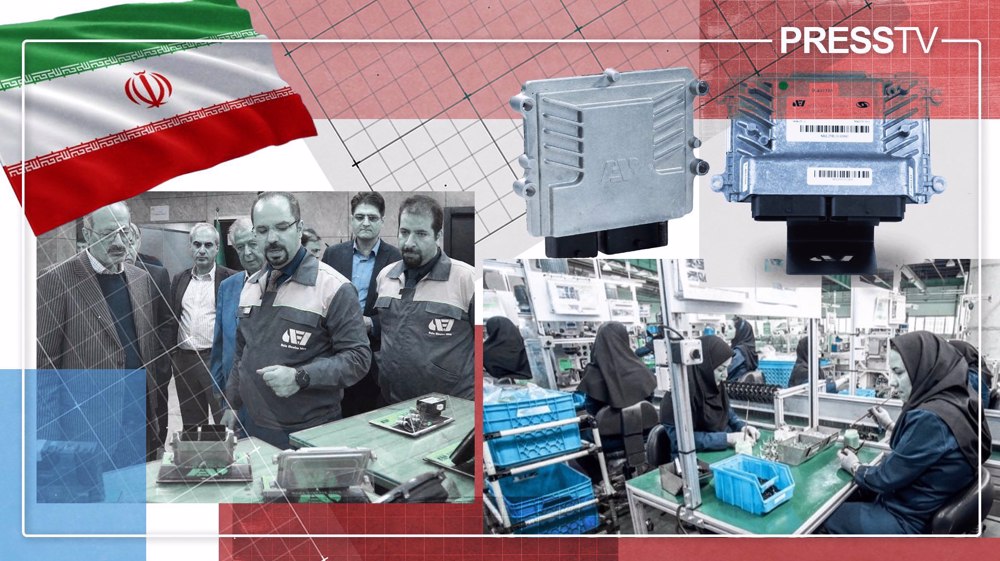
Iranian engineers develop indigenous engine control units, advancing automotive electronics
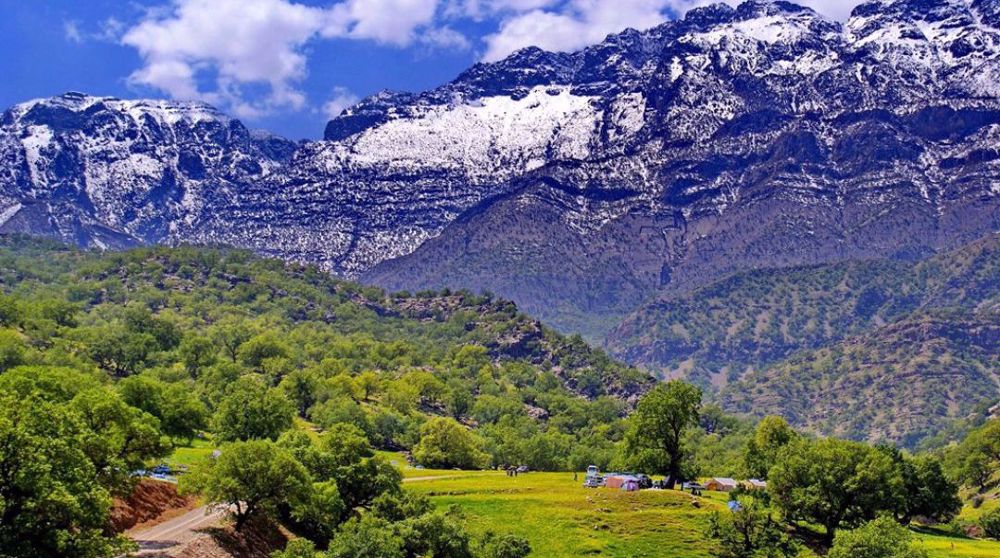
Understanding Iran’s tourism momentum amid war and sanctions

BRICS paving way for alternative world order, not a war machine against West: Analyst



‘New tactics’ will crush any future aggression, Iran’s Army warns
Israel, US repeat Saddam’s miscalculation about Iran: Expediency Council chief
VIDEO | Ayatollah Khamenei and eight years of imposed war
Trump can’t impose his power on Iran; we withstand whatever warfare: Parliament speaker
VIDEO | Israeli attacks escalate in Lebanon as US-brokered deal yields only concessions: Press TV reporter
Eleven injured as gunman opens fire near high school in western Turkey
China condemns US extortion of Iranian airlines, rejects Washington’s ‘illegal’ sanctions threats
VIDEO | Strikes hit areas in south Lebanon where Israeli regime claims to control


 PressTV NEWSLETTER
now
PressTV NEWSLETTER
now
 This makes it easy to access the Press TV website
