US bombing of a wedding in Iran a ‘clear and reckless breach’ of international law: Legal expert
By Press TV Website Staff
The US strike on a wedding ceremony in southern Iran was a “clear and reckless breach” of international law, says a legal expert, noting that international silence has emboldened the aggressors.
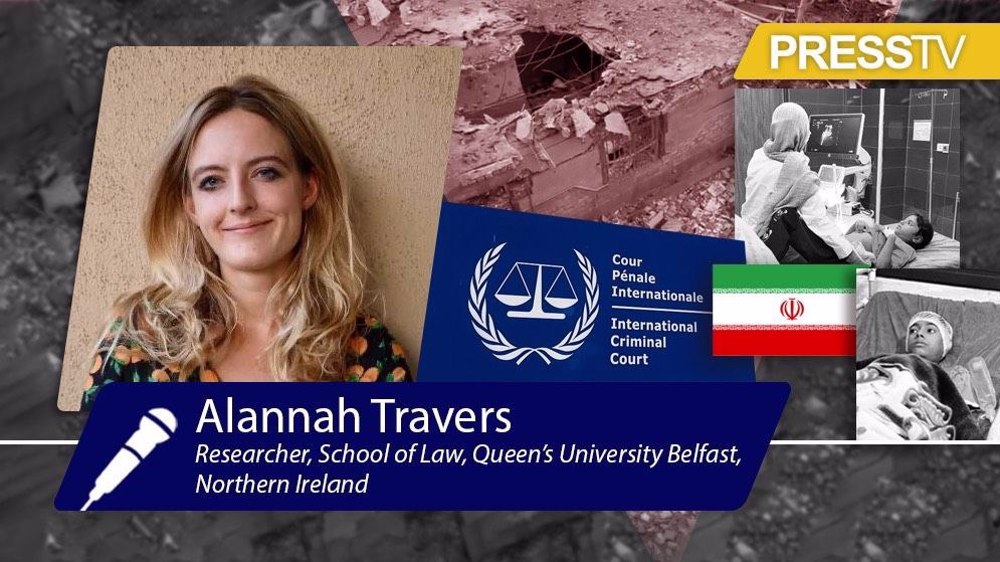
Speaking to the Press TV website, Alannah Travers, a PhD student specializing in Algorithmic Warfare and Civilian Harm at Queen’s University Belfast’s School of Law, said the US strike on the civilian building raises wider questions about civilian protection
“Launching a precision-guided munition into a residential neighbourhood where no military facility existed is a clear and reckless breach of distinction,” she noted.
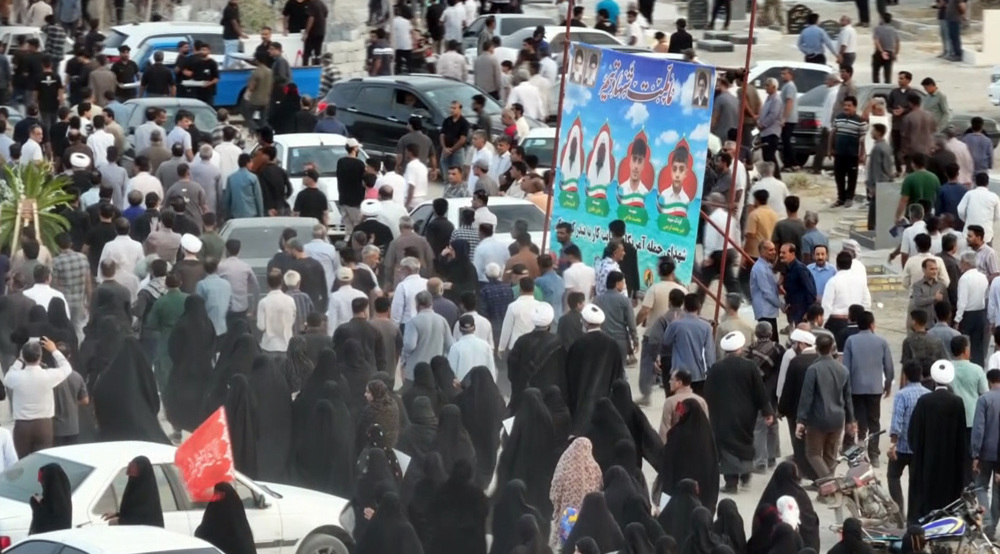
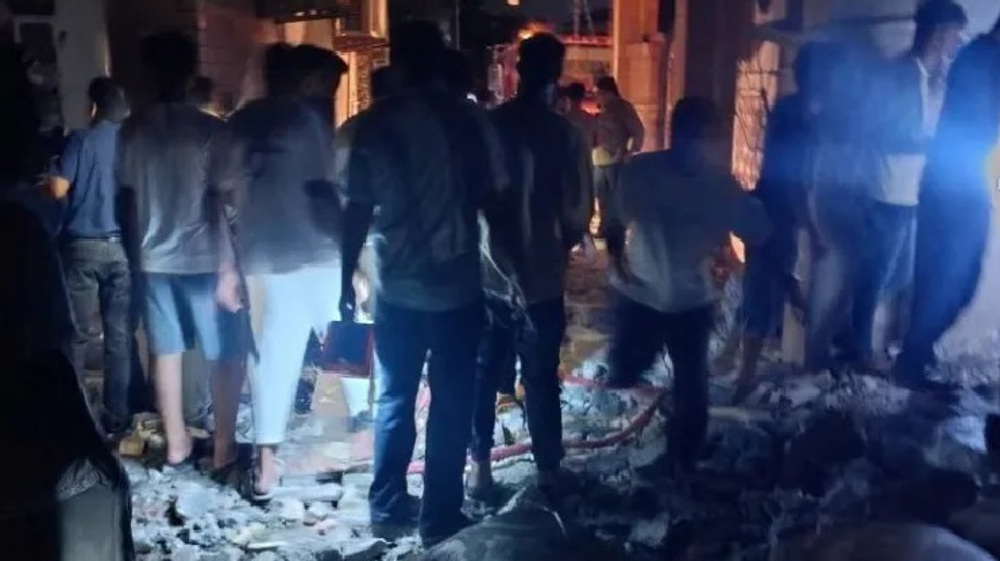
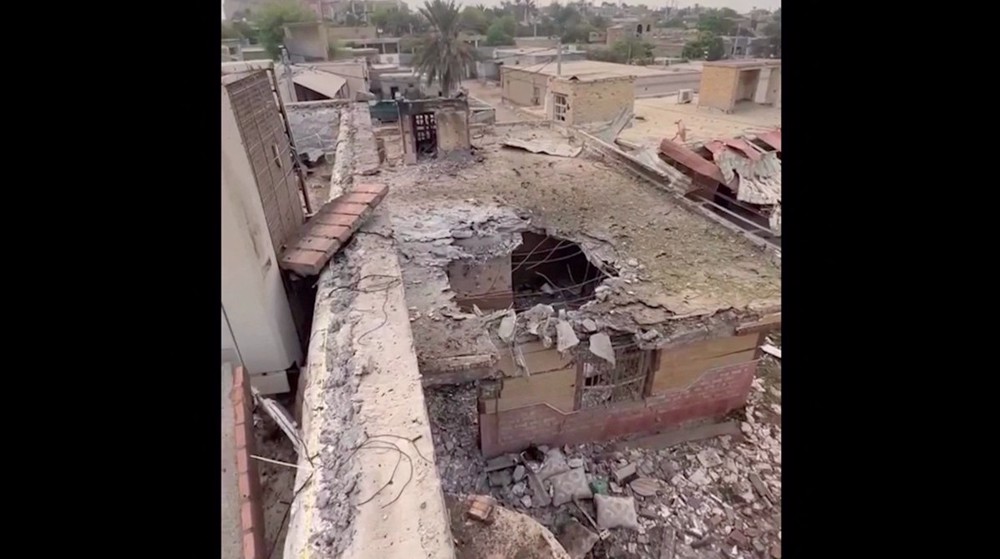
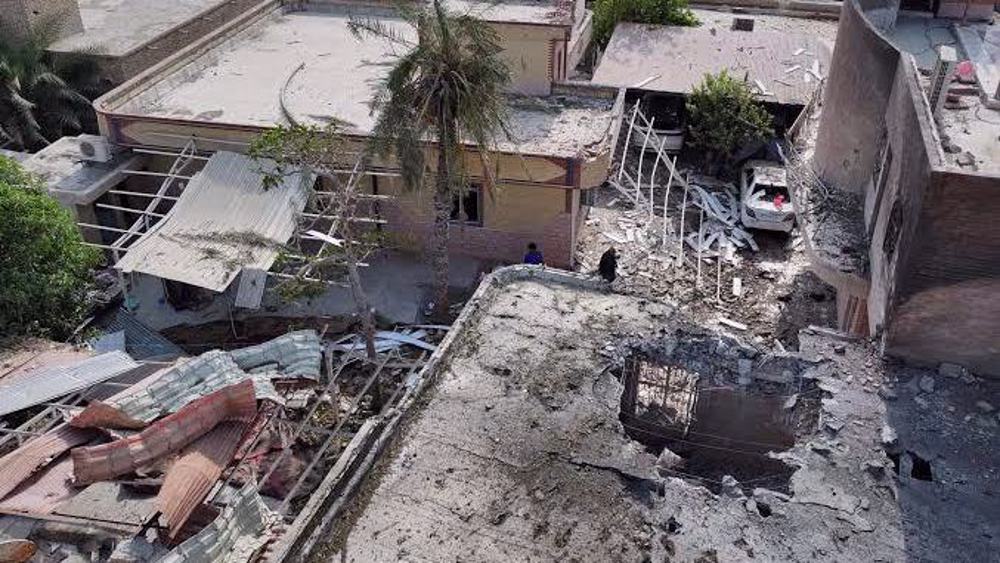
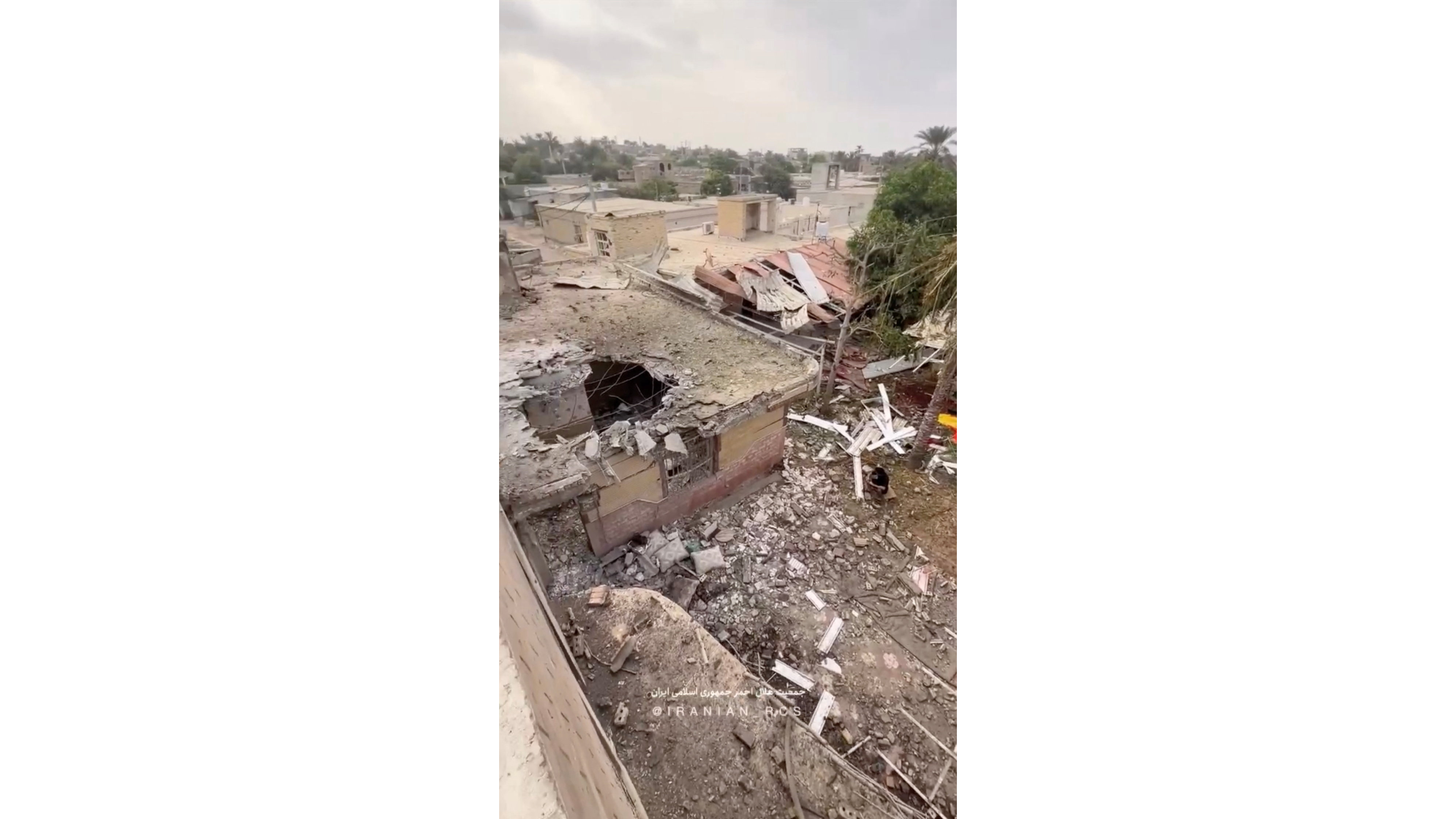
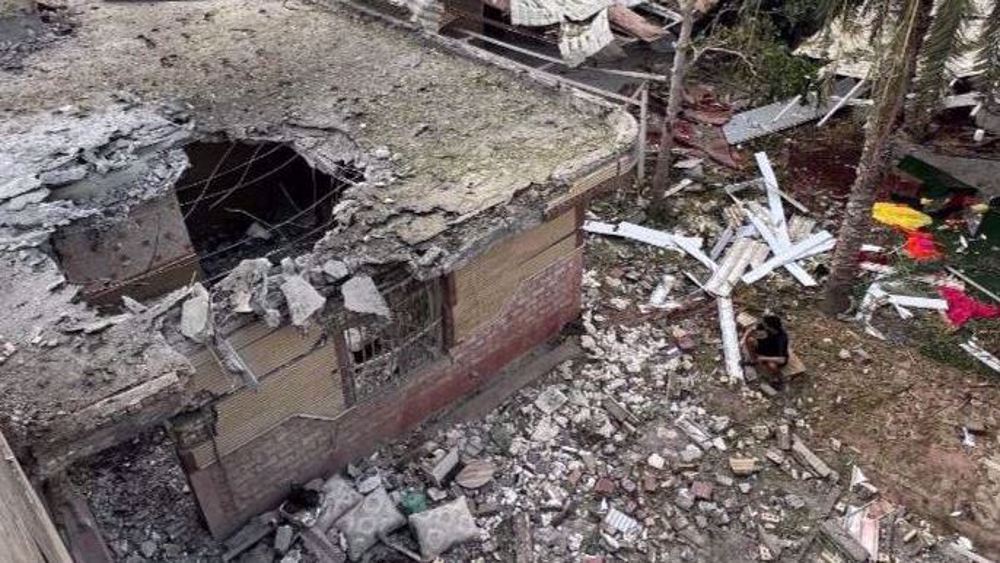
Her remarks came in response to the US strike last week on a residential home in Kouhestak, in Sirik County, Hormozgan Province, where a wedding ceremony was underway.
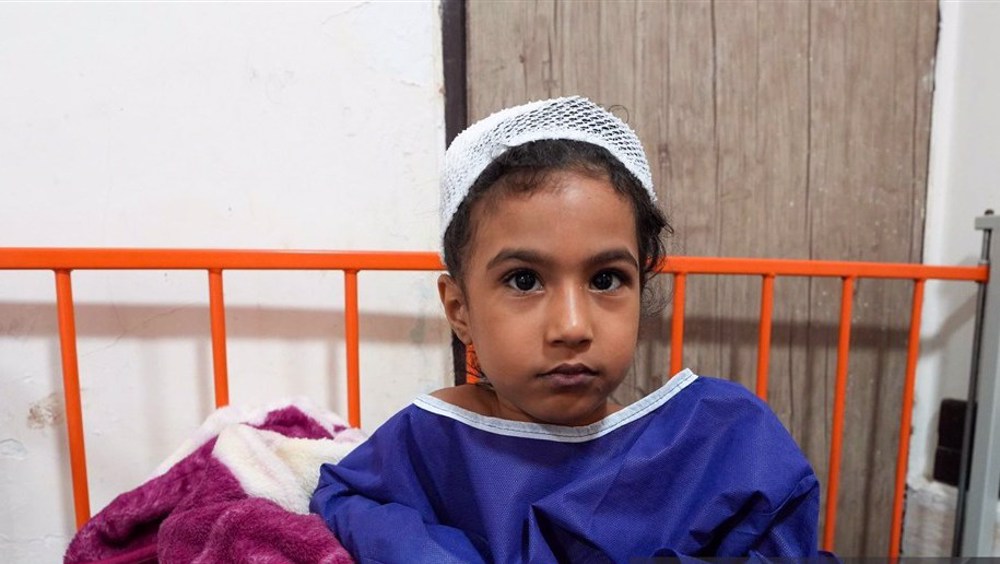
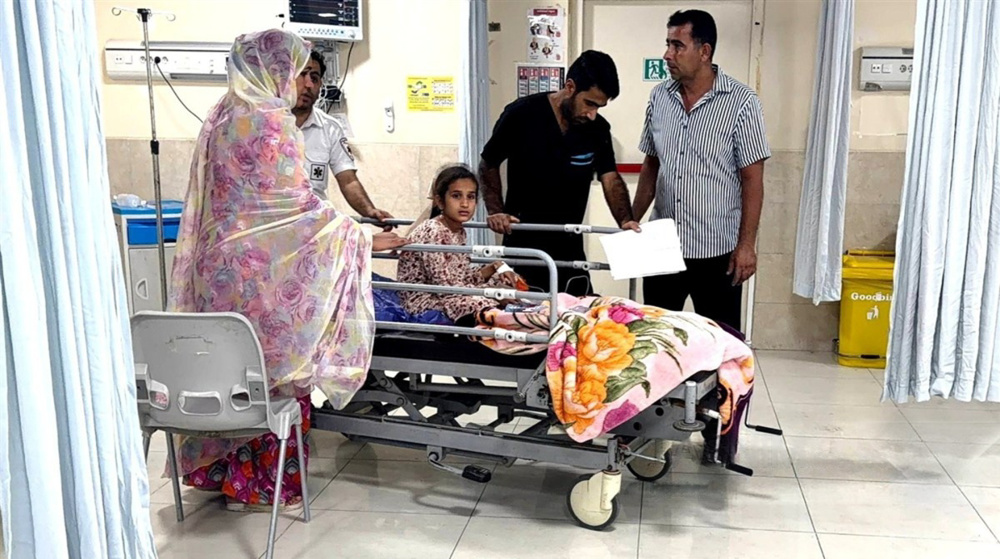
The attack killed at least five people, including a child, and wounded dozens of others. The Iranian Red Crescent said the building was struck during the wedding celebration.
Travers described the strike as “a blatant violation of the key principles of International Humanitarian Law (IHL).”
Iran releases details of US bomb used in attack on wedding ceremonyhttps://t.co/6wteMMRtxA
— Press TV 🔻 (@PressTV) September 5, 2026
Under Articles 48 and 52(1) of Additional Protocol I to the 1977 Geneva Conventions, parties to a conflict must distinguish between civilians and combatants, as well as between civilian objects and military objectives, she told the Press TV website.
“Civilian homes are protected civilian objects and should never be targeted in a direct attack,” Travers said, pointing to the obligations imposed on militaries even when attacks involve automated targeting and digital systems.
Article 57(2)(a)(i), she noted, requires militaries to “do everything feasible to verify that the objectives to be attacked are neither civilians nor civilian objects.”
For Travers, another principle is particularly important: the Rule of Doubt. Article 50(1) establishes that when there is doubt over whether a person or object is civilian, it must be presumed to be civilian, she explained.
Travers also denounced the response of US officials to reports of civilian casualties, particularly remarks by Vice President JD Vance that “sometimes things happen.”
She said such dismissive statements were especially disturbing when made by officials who are accountable for government policy.
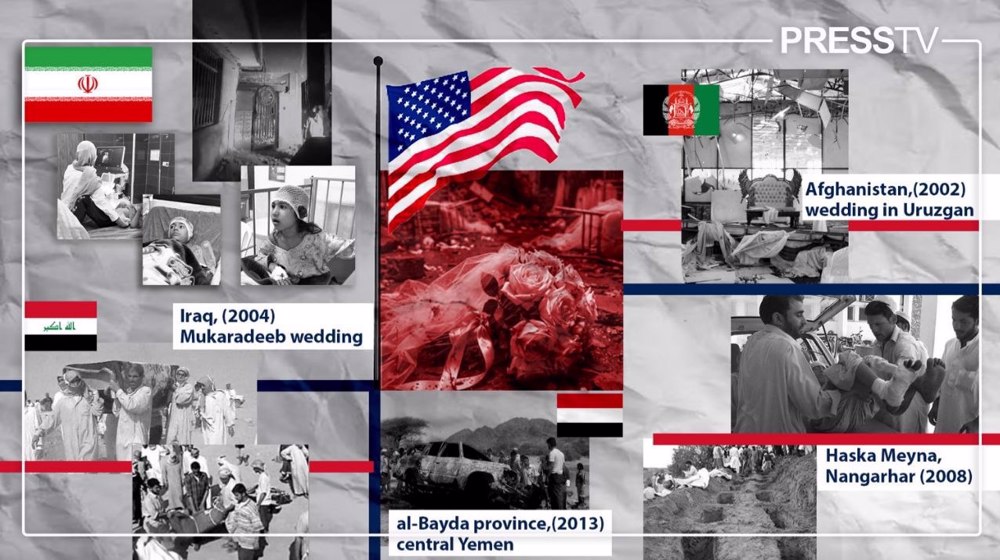
The US lethal strike on a wedding in southern Iran was far from a first. Washington's dark HISTORY of targeting WEDDING CEREMONIES stretches back decades.
— Press TV 🔻 (@PressTV) September 3, 2026
Here is a timeline.
Follow: https://t.co/GHI09iA8ru pic.twitter.com/tPX6jltRi9
The concerns, however, extend beyond the wedding strike itself.
Travers pointed to a recent Airwars investigation by researcher Rowena De Silva into US strikes in the Iranian city of Lamerd at the outset of US-Israeli aggression against Iran, which began on February 28.
The investigation analysed open-source videos and eyewitness testimony and found that a new US missile, the Precision Strike Missile, or PrSM, dispersed thousands of high-velocity tungsten fragments over wide areas.
Three US-made PrSMs, manufactured by Lockheed Martin and deployed in combat for the first time, were detonated above residential neighbourhoods and a sports complex, killing dozens, including many children, according to local residents and officials.
According to the investigation cited by Travers, some fragments travelled at least 170 metres from the initial targets, killing more than 20 people. This, she added, “shows it is an indiscriminate weapon which could therefore very likely amount to a war crime.”
Weapons experts and lawyers, she added, have raised concerns about the use of wide-area fragmentation weapons in densely populated civilian areas, including questions of proportionality, distinction and the adequacy of weapons reviews required under IHL.
Press TV’s Gisoo Ahmadi reports from the Iranian city of Lamerd on a US attack in which the US tested Lockheed Martin’s Precision Strike Missiles against Iranian civilians, leaving at least 21 people dead, including four children.
— Press TV 🔻 (@PressTV) September 2, 2026
Follow: https://t.co/GHI09iA8ru pic.twitter.com/LfLwnZbo1l
No ‘neutral baseline’ for protecting civilians
Travers stressed that the legal and historical construction of the civilian under IHL has not always operated as a neutral standard.
“The legal and historical construction of the civilian under IHL already shows the extent to which protected civilian status has never been a neutral baseline, but rather shaped by state power and western-centric military priorities,” she said.
The legal analyst noted that binary legal definitions contribute to “dangerous hierarchies” that obscure certain categories of civilians.
She also added that “dehumanization” may be an inherent feature of armed conflict.
In her view, the treatment of civilian harm after attacks exposes the flexibility of the legal category and the extent to which its boundaries can be tested.
She cited a decade-old analysis of coalition strikes in Iraq, which argued that intelligence failures do not always make civilian deaths unavoidable and that some casualties could be prevented by changing military assumptions.
Travers said little had improved since then, pointing to the reported US strikes on the Shajareh Tayebeh school in Miinab, southern Iran, the use of wide-area pellet missiles in Lamerd and the latest strike on the wedding ceremony in Kuhestak.
She added that the response to the latest strike reflects a broader failure to recognise civilians in different cultural contexts, even after they have been killed.
“By routinely excusing civilian casualties, accepting them as ‘tragic mistakes’, we have emboldened aggressors to expand their parameters of violence,” Travers said.
Such a pattern, she argued, creates a hierarchy in which the lives of local civilians can be treated as “expendable.”
It also deprives affected communities of their rights to redress, acknowledgement and being witnessed, she said, adding, “frankly it endangers us all.”
The consequences, she warned, extend beyond individual incidents.
“There is an immense injustice among the civilian populations facing remote military decision-makers without any idea of the complex reality of what it means to survive in a conflict zone,” Travers said.
Blockade on 90 million Iranians is a violation of international law
Travers’s concerns extended beyond direct military strikes to the wider effects of economic warfare launched by the US against Iran as Washington is imposing an illegal naval blockade on Iranian ports.
Travers slammed the “algorithmic warfare” framework that changes not only how suffering is experienced on the ground, but also how war itself is discussed and understood.
Iran urges states not to become complicit in US ‘economic terrorism’https://t.co/55xqYhB5P5
— PressTV Extra (@PresstvExtra) August 28, 2026
She said this focus could contribute to less attention being paid to the broader economic and naval blockade imposed on Iran.
“We are speaking far less about the sweeping economic and naval blockade currently strangling the lifelines of an entire nation of 90 million people,” she said, adding, “this is similarly, in my opinion, another violation of basic IHL (and international law).”
Travers noted that blockades and economic warfare are often presented as less violent than conventional military operations, but “this couldn't be further from the truth” as their effects can be extensive.
Such measures can disrupt access to medical care, clean water, electricity and basic sustenance, she said.
In her assessment, the consequences may also raise questions of collective punishment under international law.
“Intentionally compounding the suffering of civilian populations or weaponising basic deprivation violates the fundamental dictates of humanity,” Travers said.
Yemeni military advance along Red Sea alters balance of power amid Saudi siege, aggression: Analyst

Iran has good reason to bar IAEA inspectors from returning amid US aggression: Author
IAEA report in May 2025 became pretext for US-Israeli attacks against Iran: Ex-IAEA inspector



VIDEO | Press TV's news headlines
VIDEO | Iraq’s fuel crisis deepens amid supply disruptions
US tested Lockheed cluster missiles on Iranian civilians, Baghaei says
Iran, Oman jointly postpone Persian Gulf foreign ministers’ meeting
VIDEO | Gaza’s women: The sole providers of families shattered by war
VIDEO | News Review: Trump’s comments on Irish unification spark backlash among his British allies
VIDEO | Press TV's news headlines
Yemen reports 58 Saudi attacks in one day, vows decisive response


 PressTV NEWSLETTER
now
PressTV NEWSLETTER
now
 This makes it easy to access the Press TV website
