SCO mulls financial independence from the US dollar
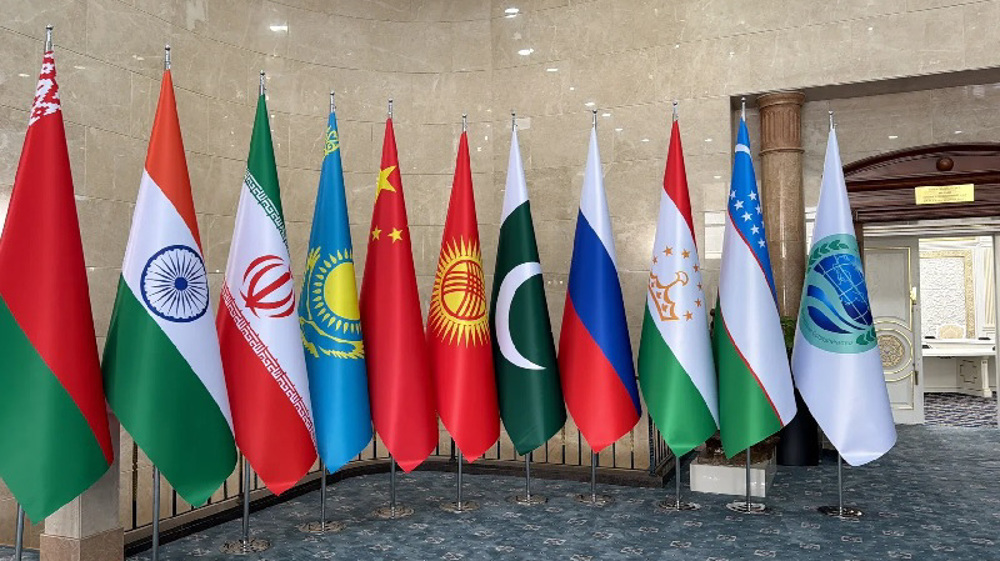
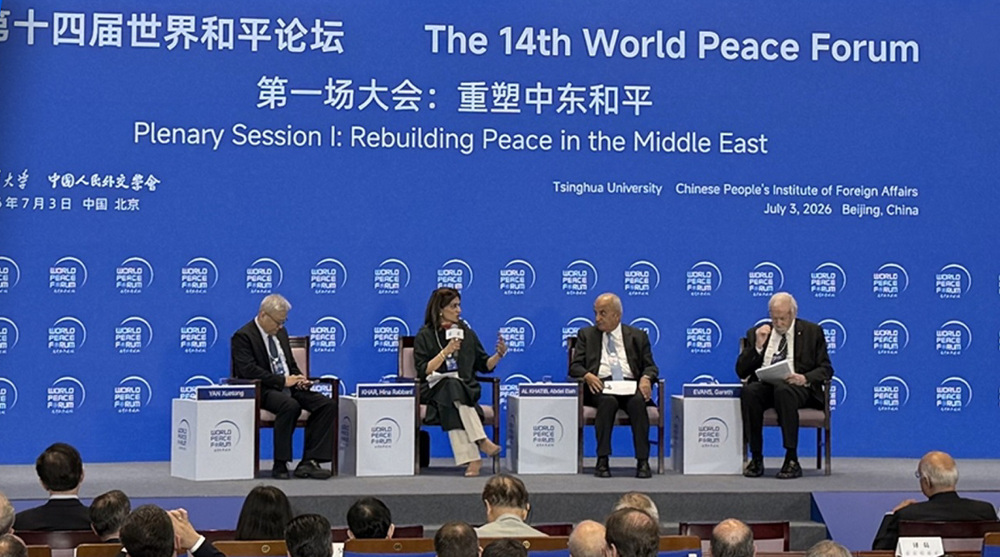
At the 14th World Peace Conference organized in Beijing, discussions on global governance, international security cooperation, integrity, and inclusiveness were the primary topics on the agenda.
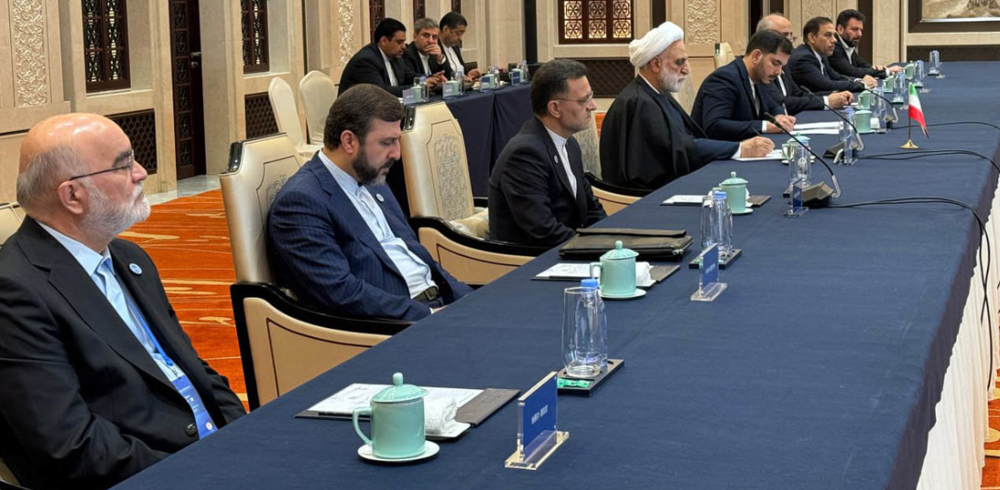
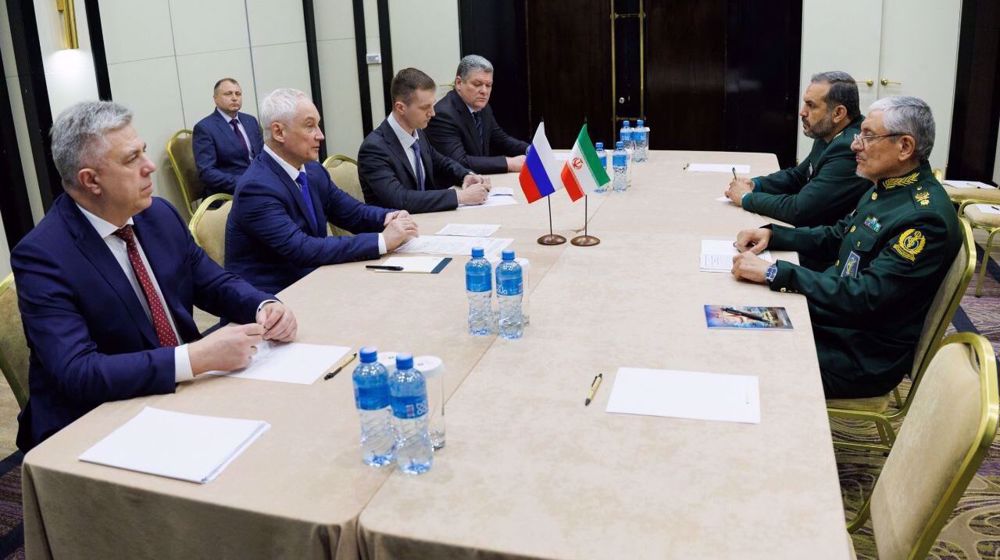
Notably, a forum on the Shanghai Cooperation Organization attended by officials and members of think tanks from Iran, Russia, China, Belarus, and Uzbekistan stood out as a platform for debating alternative financial mechanisms to bypass the hegemony of the dollar system and evade international sanctions.
During last few years we have been witnessing that some other countries in our region, including the SCO members, now are subject to these kind of unilateral sanctions; unfair, unlawful sanctions against these independent countries.
So we are now facing a serious common problem, a common challenge between us [sic], and this might be a very important driving force for the countries of the SCO.
Alireza Khodagholipour, Center for Political and International Studies (IPIS), Director
At the last Tianjin meeting, Iranian President Masoud Pezeshkian proposed a comprehensive accounts and settlement initiative designed to boost economic resilience.

The plan rests on three pillars: expanding the use of national currency to reduce dollar dependence, developing secure digital infrastructure for cross-border payments, and establishing a multilateral swap fund to provide liquidity support for members facing financial shocks.
We have a new treaty between our countries, which implies the development of economic operations, but the fact is ... that the volume of trade between Russia and Iran is going up.
I would say that this result is on the bilateral side, this is a result of bilateral relations, and as I said today, I would be more happy if this would be a product of multilateral cooperation, right? So, if we design something on the level of multilateral interaction under the auspices of the SCO.
Ivan Timofeev, Russian International Affairs Council, Director
With the Shanghai Cooperation Organization representing 42% of the world's population, this bloc has increasingly been seen by many analysts as a powerful tool to challenge Western aggression and hegemony.

We will be together and we will keep our relations, because in this moment Belarus, Iran, and Russia, and other countries, for example, Venezuela, Cuba, (are) under aggressive pressure, and I think in future we will keep our relations, and to find a good solution in framework, of course, Shanghai Cooperation Organization, and of course another organization.
Ruslan Yesin, Political Commentator
The SCO establishes a sovereign financial infrastructure for Global South countries to neutralize unilateral sanctions through independent multilateral settlement systems.
It empowers member nations to decouple their economies from external hegemony, securing trade, investment, and development on their own terms.
Global impact of US war against Iran
Has Venezuela’s revolution lost its way?
Environmental impact of US war on Iran



'War crime': Israeli forces raid, seize UNRWA training center in al-Quds
Enemies aims to sow discord, plunder Muslim countries’ resources, Iran warns
‘Surrender? Of course not’: Pezeshkian vows Iran will annul US economic war
Iran, Oman discuss ‘phased framework’ for reopening Strait of Hormuz
Iran and resistance won against US, Israel: Ansarullah leader
US petroleum reserve plunges to 40-year low, sparking alarm over energy security
Iran launches 600 MW of renewable power projects nationwide
Iran’s Royan Institute ranks among world’s top 10 reproductive medicine centers



 PressTV NEWSLETTER
now
PressTV NEWSLETTER
now
 This makes it easy to access the Press TV website
