Iran seeks SCO action to safeguard scientific infrastructure after US-Israeli strikes
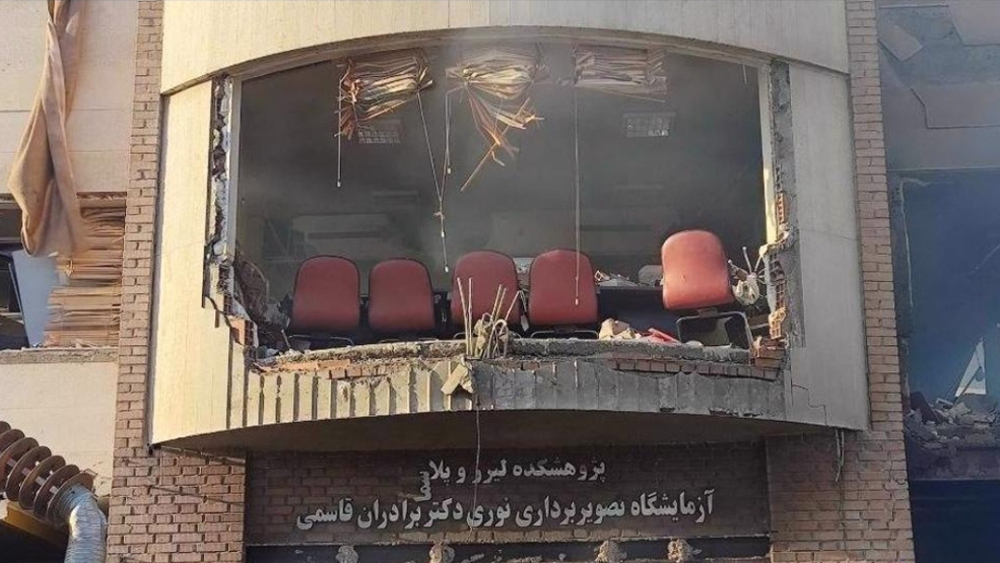
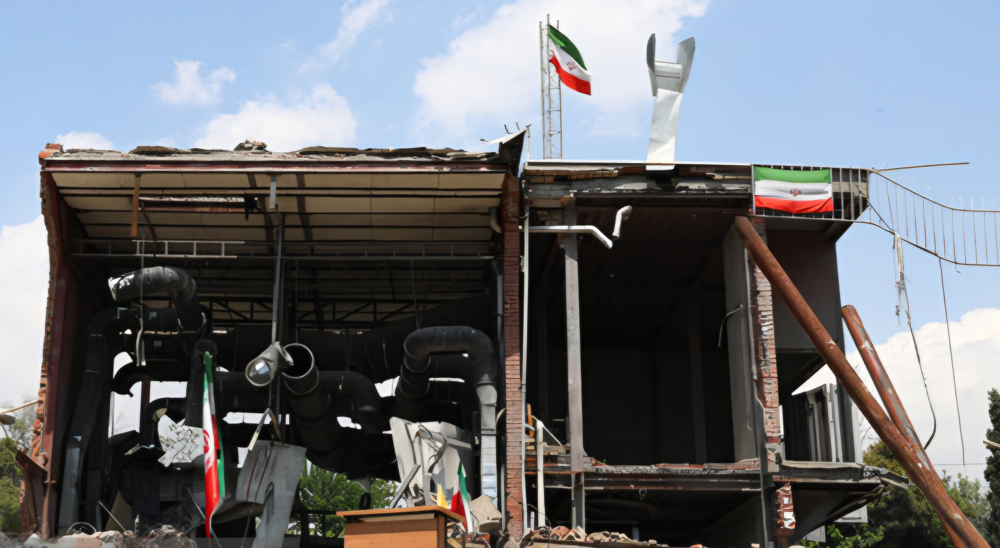
Iran has called on Shanghai Cooperation Organization member states to take joint action to safeguard the country's scientific infrastructure after research centers, laboratories and strategic technology facilities were damaged in recent US-Israeli strikes.
In a letter to the SCO secretary-general and member states' science ministers Wednesday, Vice President for Science, Technology and Knowledge-Based Economy Hossein Afshin said the attacks have disrupted scientific projects and threatened the livelihoods of researchers and knowledge-based companies.
"Branches of research centers, laboratory infrastructure, data systems and strategic technology facilities have been damaged in these attacks," Afshin wrote in the letter.
"These damages have not only disrupted the execution of scientific projects but have also affected the livelihoods of researchers, the growth path of knowledge-based companies, youth employment opportunities and the confidence of the country's innovation community."
Afshin said the halting of startup activities, reduced investment and damage to the technology ecosystem were among the consequences whose effects would extend "far beyond the current situation."
"This action is a clear violation of fundamental principles of international law and an explicit assault on nations' right to scientific development," he wrote.
Iranian officials have previously reported that more than 20 public universities and several research institutes across the country have been targeted since the US-Israeli terrorist war began on February 28.
Among the damaged facilities is the Laser and Plasma Research Institute at Shahid Beheshti University, which lost nearly 90 percent of its equipment, as well as research centers at Sharif University of Technology, Iran University of Science and Technology, and the Pasteur Institute.
Afshin called on SCO member states to "strongly condemn" attacks on scientific and technological infrastructure and to take "serious and effective measures" to expand scientific and technological cooperation among the bloc's members.
"Science and technology are fundamental pillars of development and humanity's shared capital," Afshin wrote.
"Attacking scientific and technological infrastructure is an anti-development, immoral act that contradicts the principles of coexistence among nations."
The SCO, which counts Russia, China, India and Iran among its members, has recently taken steps to deepen scientific collaboration.
In May, SCO science ministers met in Bishkek to discuss multilateral research projects and the formation of a unified space for "green technologies."
Despite the scale of destruction, Iranian research institutions have moved to resume operations.
At Shahid Beheshti University's Laser and Plasma Research Institute – a civilian academic center for photonics, optics and plasma engineering – institute head Seyed Hassan Tavassoli said more than 80 percent of the institute's capabilities could be restored using domestically produced equipment.
"Our priority now is to rebuild the institute beyond what it was before," Tavassoli said.

Pezeshkian urges international legal action over transport infrastructure damage from US assaults
Iran hails ‘productive’ talks with Oman over Hormuz shipping, says no change in transit status

IRGC Quds Force chief demands removal of Saudi siege on Yemen



VIDEO | Britain bans IRGC
Extremist Israeli settlers launch arson attacks on West Bank mosques
VIDEO | Press TV's news headlines
VIDEO | Persian Gulf states host, fund major American spy bases: Analyst
Leader hails Hezbollah’s 'steadfastness' as 'inspiring message' to free nations
Araghchi: Ukraine’s attack on Iranian vessel aims to drag Europe into war
VIDEO | Leonid Slutsky-Ukraine and Iran
Iran condemns US attacks on rescue vessels as 'grave breach' of humanitarian law


 PressTV NEWSLETTER
now
PressTV NEWSLETTER
now
 This makes it easy to access the Press TV website
