Has Venezuela’s revolution lost its way?
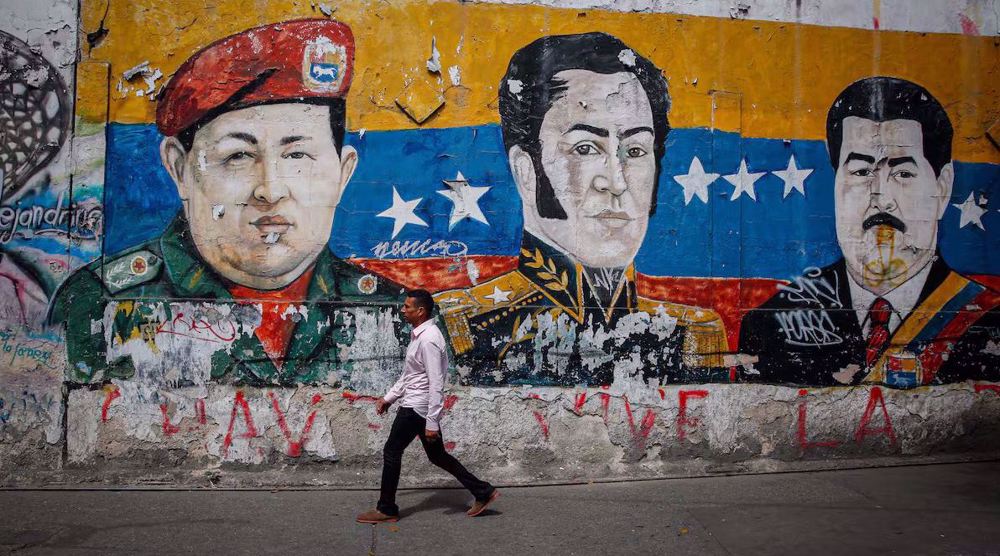
Following the US kidnapping of President Maduro earlier this year, Acting President Delcy Rodriguez has yielded to American demands and even welcomed Israeli military into the country, reversing Venezuela's long-standing solidarity with Palestine.
This has raised serious questions regarding the current situation in Caracas.
Has Venezuela's Bolivarian Revolution been betrayed?
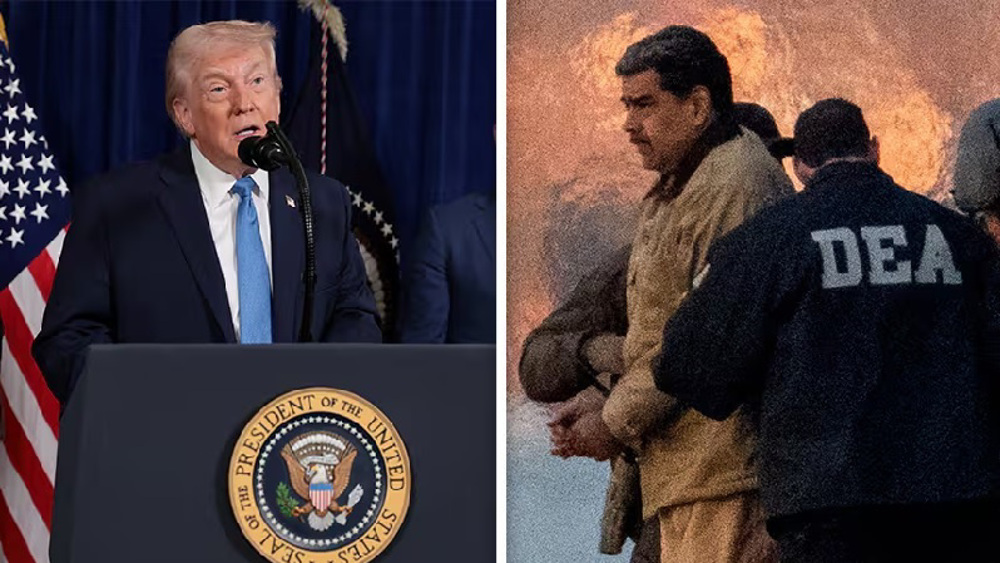
That's been the raging debate since the US kidnapping of President Nicolas Maduro on the 3rd of January this year.
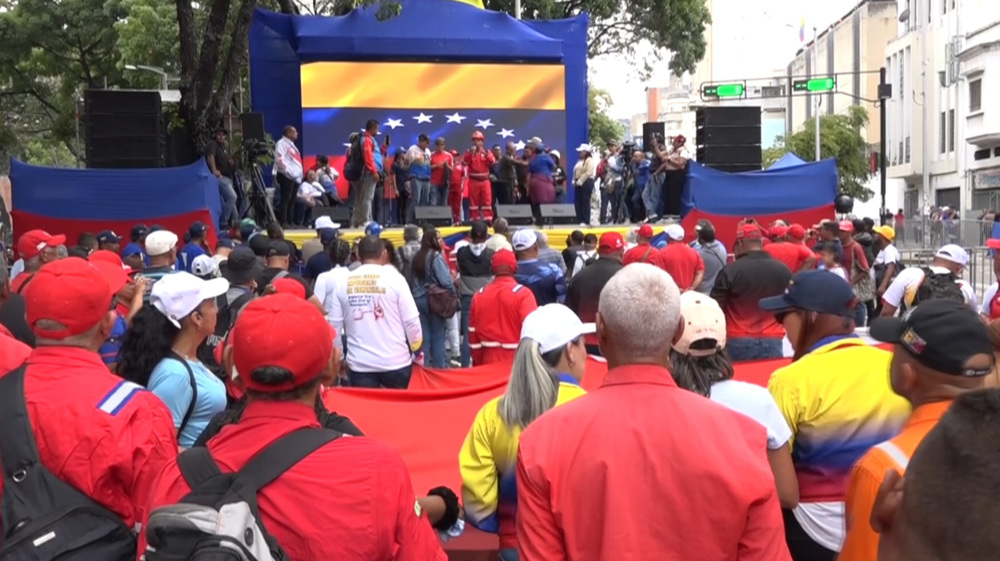
After Maduro's abduction, his vice president Delcy Rodriguez became acting president, and since then Venezuela has kowtowed to US demands, including the opening up of Venezuela's economy to US companies and the implementation of political reforms, which many believe violates Venezuela's independence and sovereignty.
One of the US demands granted by Rodriguez was the extradition of Colombian-born businessman Alex Saab.
In 2016, Saab became a central figure in Venezuela's efforts to maintain essential imports after increased US sanctions.
By 2019, the US had sanctioned Saab personally over alleged irregularities in Venezuela's subsidized food distribution program.
In 2020, whilst on his way to a special mission to Iran that was aimed at securing fuel and humanitarian supplies, Saab was detained in Cape Verde at Washington's request; he was later extradited to the US and imprisoned.
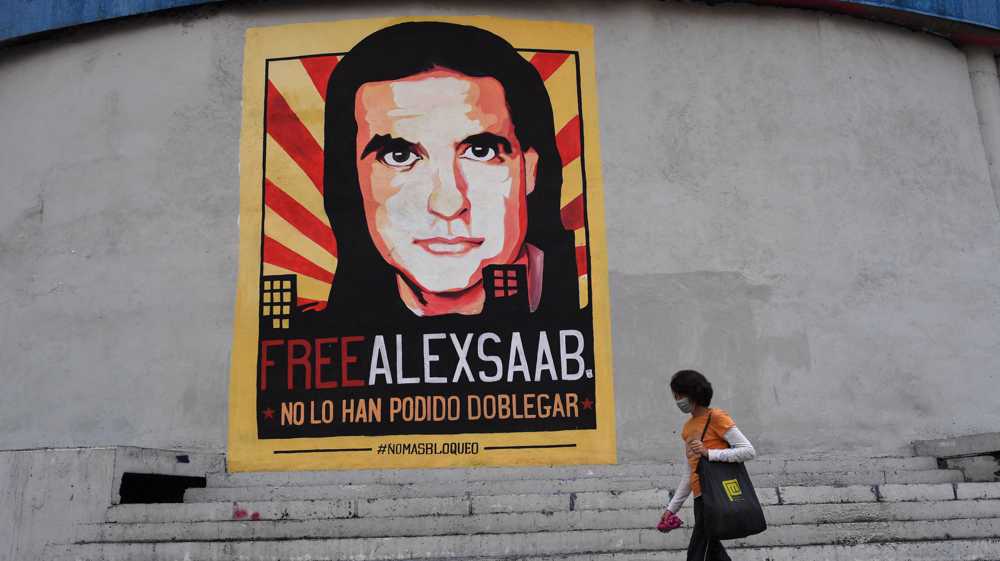
But in late 2023, he was released under a prisoner exchange program and received personally by President Maduro.
Saab was considered a national hero for helping Venezuela evade US sanctions, keeping food and medicine moving into the country, but earlier this year, Rodriguez's government allowed Saab to be extradited to the US once again, claiming that he had no right to be in Venezuela as a Colombian citizen.
This pattern of betrayal has been continuously repeated, undermining Venezuela's long history of solidarity with Palestine, exhibited by President Hugo Chavez and President Maduro.
In February, Venezuela sent a crude oil shipment to the Zionist entity, and in April, Rodriguez issued a public message greeting Venezuela's Jewish community and Chief Rabbi Isaac Cohen on the start of Passover, despite Jews making up around 0.01 percent of Venezuela's population.
In a televised interfaith gathering, Rodriguez affirmed that Venezuela held no anti-Semitic positions.
These overtures seemed to signal a rapprochement with the Zionist regime, and in June, when twin earthquakes struck northwestern Venezuela, causing thousands of deaths and widespread structural collapse, a Zionist so-called technical delegation, comprising personnel from the IOF Home Front Command, under Brigadier General Elad Edri, arrived in Venezuela.
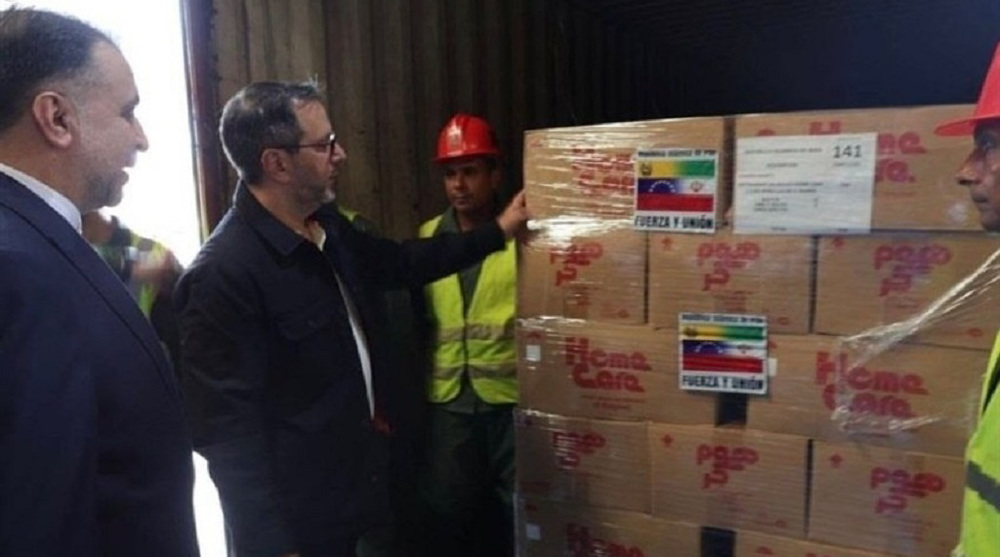
Their visit was apparently to assess damaged buildings, support search and rescue efforts, and help draft a national reconstruction plan.
Despite conducting genocide in Gaza that has razed much of the territory to the ground, Rodriguez personally met with this IOF delegation, which was praised by Benjamin Netanyahu.
These actions have been called a tactical retreat by Delcy Rodriguez's supporters, designed to buy time and alleviate pressure.
But it increasingly seems to be something more sinister than that.
Steve Sweeney is an award-winning war correspondent who's known for providing first-hand accounts of conflict situations. He also has first-hand experience of the Bolivarian Revolution as he's reported extensively from the ground in Venezuela.
What material changes are you aware of in Caracas since Maduro's removal in terms of Zionist presence, diplomatic activity and policy shifts?
Well, of course, the ousting of Maduro is a huge blow to the Bolivarian Revolution; we should be very clear about that. And if you remember, at the time, it was denounced as a Zionist coup, a Zionist-backed coup.
And of course, Delcy Rodriguez is now the interim president, she was the vice president under Maduro, and since then there has been some dramatic changes, we could say, in terms of the foreign policy we've seen after the devastating earthquake, we saw the arrival of soldiers from the Israeli Defense Force.
There's been telephone calls with ministers from the Zionist regime as well, so this is quite a shift considering the ideology of the Bolivarian Revolution and the statements made by Nicolas Maduro, who was of course very critical of the genocide taking place in Gaza against the Palestinians, very pro-Palestinian, very anti-Zionist.
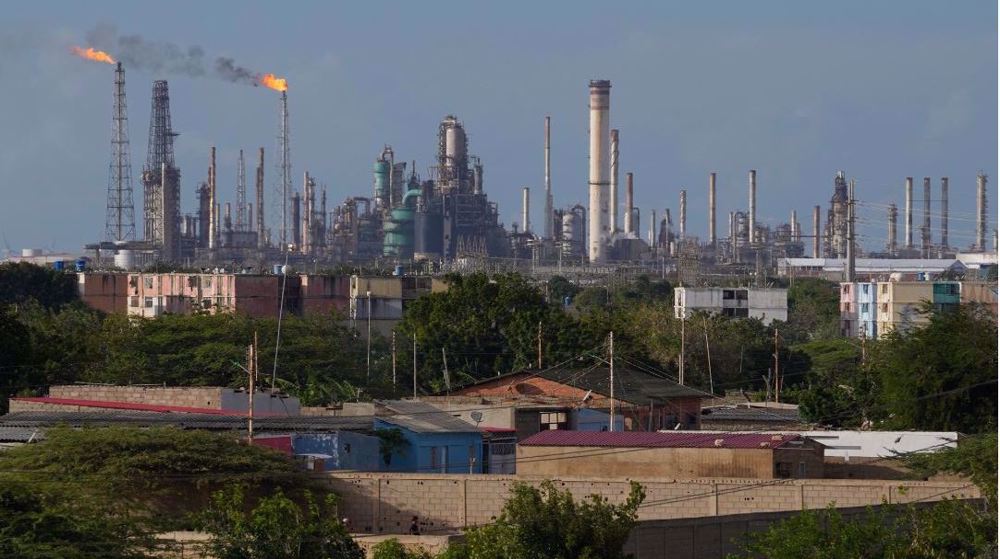
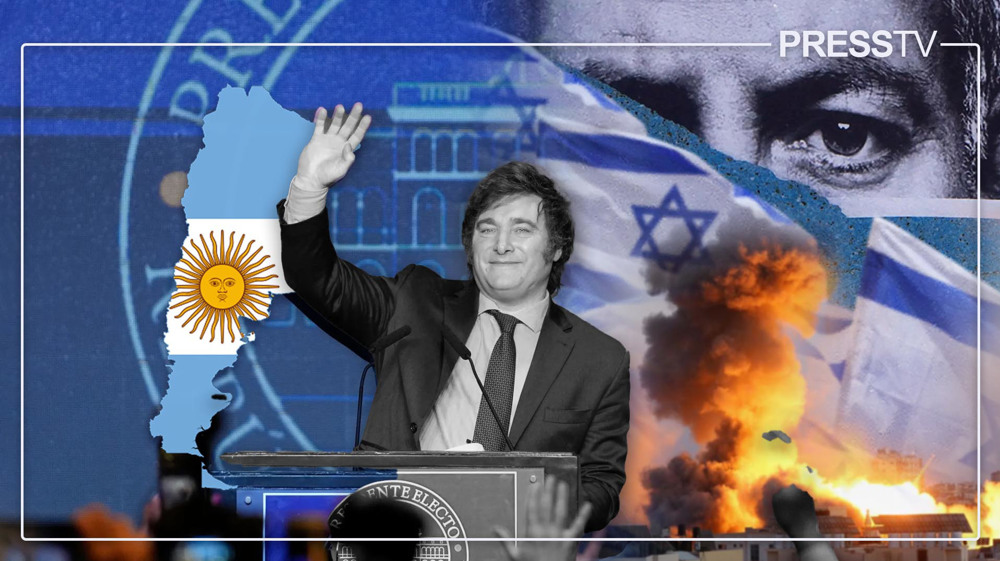
There is some indication that maybe the timing of his removal was, of course, related to that because we saw the shifts across that part of the world, particularly in places like Argentina, where [Javier] Milei is a very openly Zionist president, and then we've seen again the introduction of policies, foreign policy in particular around oil and hydrocarbons, which have seen that open up to the private sector in a way that it hadn't really happened before.
Now it has to be said that the hydrocarbon law was started under Maduro, so this was a process that was already underway. And while there was obviously involvement of the private sector in that law, there is also the natural resources, the oil, etc. remains Venezuelan sovereign property.
Any disputes that arise from the trade in hydrocarbons is resolved by Venezuelan courts. So, of course, this is a huge defeat. The Bolivarian Revolution remains under extreme threat, but we also have to remember that the Bolivarian Revolution belongs not to individuals, but it belongs to the people. Something you know, somewhat contradictory.
Delcy Rodriguez seemed to have made some kind of tactical retreat, which her supporters say are to sustain the Bolivarian Revolution, so it doesn't collapse in its entirety.
You remember, of course, after the coup and the kidnapping of Maduro, the Americans they threatened, they gave 15 minutes to the leadership, the remaining leaders of Venezuela, that they were either to comply with the imperialist demands or they would be executed. So, of course, we find ourselves in a very difficult position.
Steve Sweeney, Journalist
How central would you say that Alex Saab was in sustaining food, fuel, and medical imports into Venezuela? And what does the campaign against him reveal about the broader hybrid war against Venezuela?
Alex Saab is widely known as very central to the attempt to get around the sanctions and to deliver food to Venezuela.
He was, of course, arrested in Cape Verde on his way to Iran to meet with officials there to deal with these kinds of questions, and then, as a result, was taken back to the states.
And eventually, what happened was that he was released in a prisoner release, and then the administration in Venezuela allowed him to be extradited to the US, the US wanted him again, on the risible grounds that he was a Colombian citizen and therefore had no right to be in Venezuela.
Although he had, of course, been a very significant player in the country's attempts to fend off US imperialism, and of course he also had his Lebanese extraction. He also had significant contacts with the resistance in Lebanon, and so it doesn't, from any viewpoint, it doesn't look like this is something which was done, which was in the interests of the Bolivarian Revolution, or indeed of the government of Maduro.
So, the way in which it's happened has cast a pall over the Delcy Rodriguez administration, and has been one of the items which people have pointed to suggest that there's been some kind of a rapprochement between Venezuela and America, or some kind of pressure exerted, or some kind of deal made with Delcy Rodriguez.
We don't know the precise details of any of that yet, but it doesn't look like the politics of Chavez, or indeed of Maduro.
David Miller, Academic
Indeed, not because Hugo Chavez, in particular, was a very strong supporter of Palestine, wasn't he?
That's right. I mean, the way in which that has changed is, of course, an ongoing question. I mean, the Zionist political representation, diplomatic representation in Venezuela was ejected in, I think, 2009 after the attacks on Gaza, and the Venezuelan government had always been stalwart supporters of the Palestinians, a key node in support for the Palestinians in Latin America, and this doesn't look like it's going in the right direction, and of course, the meeting between Delcy and the IOF, fresh from flattening Gaza, could be said to be some kind of tactical rationale.
It couldn't be said to be done simply for the sake of earthquake and safety or rescue reasons, so this is not a very good sign of how the Delcy Rodriguez government is tending.
David Miller, Academic
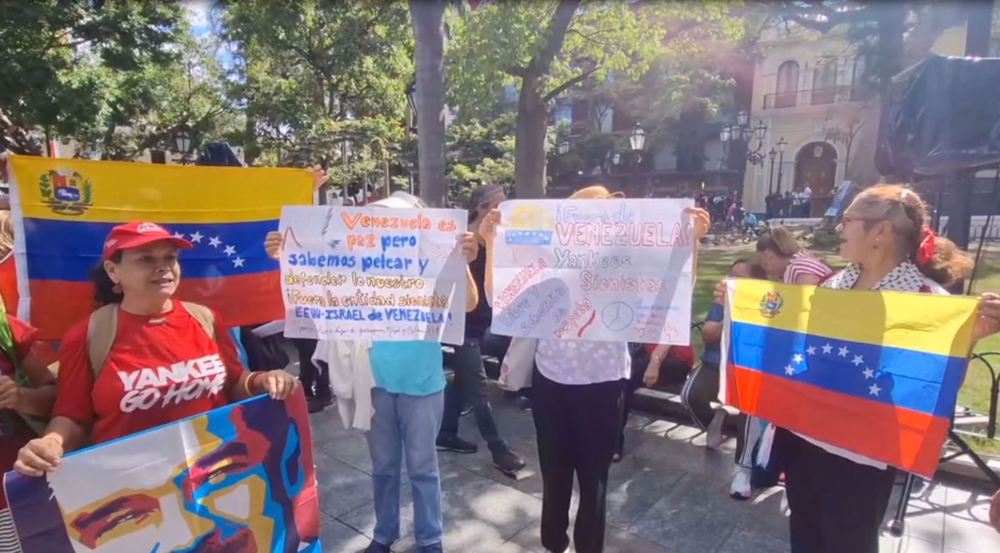
Delcy's supporters say that she's made a tactical retreat to help Chavismo survive, is that a fair assessment, or is this really a betrayal of the Bolivarian Revolution, in your opinion?
Well, I think this is a very difficult question to answer in many ways, of course, we'll never know really because people are saying that Delcy is compromised, that the Venezuelan leadership is compromised.
But again, we can cast our minds back to 2002 and the coup that saw Hugo Chavez overthrown for 48 hours, taken out of the country, and then we saw this huge uprising from the people, and he was eventually restored to power.
Now, in this very delicate and very difficult situation, you have to remember the US is the biggest imperialist power on the planet. It has the most advanced military technology, and it can launch from Florida very easily against Venezuela, which doesn't have the military capability to defend itself in the same way. We have imperialist frigates in the coast off of Venezuela.
So Delcy is very much, whichever way you see it, she's very much a hostage of the US imperialists. And of course, there have to be some kind of concessions made, as she has done, to defend the gains of the Bolivarian revolution.
Now, how that plays out in the longer term, well, that very much remains to be seen.
Steve Sweeney, Journalist
Has the Bolivarian Revolution been betrayed, what's your assessment?
There are different arguments about this, aren't there? I mean, when it first happened, it was said by many supporters of the revolution that it couldn't possibly be the case that Delcy was a traitor, that she had made a deal or some such argument.
Since then, of course, there have been a number of different events which have happened, which people have pointed to and said that they all point coherently towards some kind of force majeure by the Americans on the government and possibly some kind of betrayal by Delcy and those around her.
Now there are others who, of course, maintain that that's not the case. Most famously, of course, the former British ambassador Craig Murray, who went over there, as you recall, had a heart operation when he was over there, did a lot of reporting on the ground, and he argues that many of these points which people raise, the question about the IMF, the question about oil, these are questions which do not point he says to some kind of traitorous trend tendency.
Now I think the jury on some of those points that Craig's made is out, but some of the other points which even Craig Murray can't defend, like the IOF involvement in the earthquake relief, fresh from flattening Gaza, they're there to offer expertise in rescuing people from demolished buildings. That none of those things can be seen as just a tactical or temporary arrangement.
Although, of course, it's the case that there is still no diplomatic presence by the Zionist regime in Venezuela, the questions will be resolved, I guess, in the future as we see more and more of the events which happen in the coming months.
David Miller, Academic
Given what we've seen unfold in Venezuela, and for that matter, in other Latin American countries like Argentina, Bolivia, and Colombia, what's your assessment of the current state of pro-Palestine solidarity across the continent now?
Well, of course, it remains very, very difficult, there has always been like a principle of solidarity and support for the Palestinians, of course, Latin and South America has suffered greatly at the hands of the imperialists for decades through Operation Condor and the use of death squads in countries like Guatemala, Nicaragua.
So they've fought long and hard against the imperialist powers, but we have seen this shift in some of those countries to more right wing leaders, and they have openly expressed their support for Israel. Some of them have taken openly Zionist positions, and as I said previously, particularly in Argentina.
But of course, the region also has a large population of Palestinians. I think Chile has the biggest Palestinian Diaspora anywhere in the world, something like half a million people.
So again, there's this kind of disparity between the leadership of some of these countries and the people of these countries. So there is a pro-Palestinian sentiment, certainly among the people, but you have to look at a lot of these leaders,... are pro-imperialist, they're in effect US proxies. They have been supported and backed by the imperialist powers, and the imperialist powers will of course force upon them a pro-Zionist and pro-Israel position.
But I think nothing is permanent, and of course we've seen the rise of right-wing leaders in Latin and South America, and then we've seen their replacement with left-wing leaders.
But again, when we come back to the situation in Venezuela, we have to remember that, of course, there was very little support for Delcy Rodriguez from many of the countries across the region, in fact, some of them openly championed the kidnapping and the ousting of Maduro, and that even extends to those that are deemed nominally left wing or progressive in, we can think of Brazil, for example.
So the Bolivarian Revolution remains contested, but it's the people that will ultimately decide its success or failure.
Steve Sweeney, Journalist
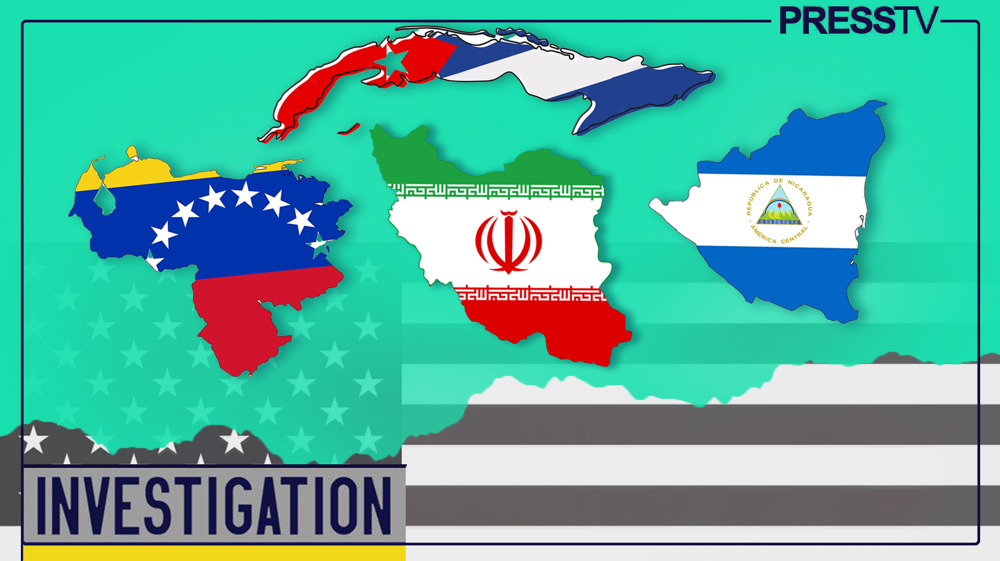
Venezuela and Iran have both taken clearly different paths when it comes to resisting US imperialism. What's your view on the different way these countries have responded?
Well, you've got to remember that in West Asia Iran leads a network, which we all know is called the Axis of Resistance. It's faced its difficulties in the assault on the Palestinian resistance and on Hezbollah, and indeed on the Iraqi resistance.
But nevertheless there is a much wider network of resistance in West Asia than there is in Latin America. So, although of course you had what was called the pink tide in Latin America, and there were a number of different left wing governments, including in Bolivia and Ecuador, that had pushed back against the influence of Zionism and indeed of US imperialism, that has been encroached upon over the years.
But I think the other key question is the question of the way in which the Zionists have planned their strategy in Latin America. So there's a thing called the Isaac Accords, which is the Latin American equivalent of the Abraham Accords. Now, that Abraham Accords in West Asia have, of course, tried to normalize Zionism, being led by the UAE, the Saudis have kind of been in there as well, and other countries, Morocco, for example, as well.
But the Isaac Accords, although only launched formally in April this year, with that Javier Milei, fanatical Zionist, and indeed Chabad Hasid, as Benjamin Netanyahu put it, they have been quite successful because there's not been such a network of resistance.
I think that's the key reason that although there were left-wing governments, there was no network of anti-US or indeed anti-Zionist imperialism, and that's been, I think, a problem for Latin America, and it's meant that Latin America has become progressively less and less likely to challenge Zionism, and looks like also less and less likely to challenge American power in the region.
David Miller, Academic
What impact do you think Donald Trump's presidency has had? Has that made it easier for Zionist infiltration into the Latin American continent, or would this have happened anyway in your opinion?
Well, I mean, Trump is the Zionist wet dream president, isn't he? And that's why they are trying their best to get as many of their ducks in a row by the end of his presidency as they can, and you can see that in relation to West Asia, in relation to the Board of Peace, in relation to the expansionism into Lebanon and Syria and beyond.
And similarly, that of course helps with what's happening in Latin America.
I mean, Trump is not just a kind of supporter of Israel. He is an asset, an agent of Israel. He's a proxy of Israel. Now, whether that's for the reasons that some people speculate, which is to do with the Epstein files and the kompromat, etc. probably has something to do with that. But he is the most fanatical pro-Zionist president that there's ever been, and there've been quite a number of them. And so that of course makes it easier for the Zionists to exert influence, because the more that the Americans put pressure on, the more the Zionist demands are in behind the pressure of the demand.
So I think that it would have been coming anyhow, to some extent, but Trump has made it a lot easier for the Zionists to exert their influence and to expand their empire. So when we think about , as I've called it, spreading throughout West Asia and indeed throughout other countries, including throughout Latin America, we should remember that we're not just talking about the expansion of specifically Zionist power through tech companies, through the Mossad, through infiltration, and all of those mechanisms which they use everywhere, but we're also talking about the spreading of Zionist power through the actions of the US government and the US military, the Pentagon, and the CIA.
And I think that's a conceptual leap which many people haven't yet made, but which I think is increasingly being seen to play out on the ground.
David Miller, Academic
And yet although the political class are very much in the pocket dominated by and controlled by the Zionist entity, the sort of grassroots, ordinary people around the world are seemingly increasingly sympathetic to the Palestinian cause.
Are you optimistic about a change in the political culture in view of the support of the wider general public?
Well, I mean, I'm not a huge admirer of the fitness of democracy to practice, either in Latin America, or indeed, in the US, the UK and Western Europe.
The idea of democracy is something which had a veneer upon it when we had the New Deal or we had the kind of bipartisan commitment to public ownership of industry before neoliberalism came along, but now we have no real relationship between the political powers and the popular powers in the street.
But the question is whether those powers can make a foray into popular power, and of course the experience of that in the UK has not been positive with the Corbyn experiment, and the experience of that in Latin America has been more positive.
There's been left wing governments, but now we see that most of those have gone, and what remains is pro-US and pro-Zionist organizations.
So, although there is mass revulsion all over the world to Zionism, the mechanisms by which popular power can pull the levers of power in the society is more and more limited. And when there is power, then it gets attacked, like through the attack on the ICC.
David Miller, Academic
Environmental impact of US war on Iran
India marks Independence Day
Pakistan celebrates 79 years of independence



Iran women’s volleyball team reaches historic 100-point mark after Asian Championship win
Indiana goes 9 days without power as war on Iran drives up US energy costs
Has Venezuela’s revolution lost its way?
Trump’s economic D-Day: Seven decades of US defeat against Iran
US senator demands Trump end ‘disastrous’ aggression against Iran
VIDEO | Press TV's news headlines
US senator slams Israeli minister’s call for nightly mass killings in Gaza as ‘abhorrent’
Former US diplomat: New sanctions on Iran born of frustration, risk escalating tensions


 PressTV NEWSLETTER
now
PressTV NEWSLETTER
now
 This makes it easy to access the Press TV website
