Iranian researchers develop low-cost nano sensor for early detection of toxic formaldehyde gas
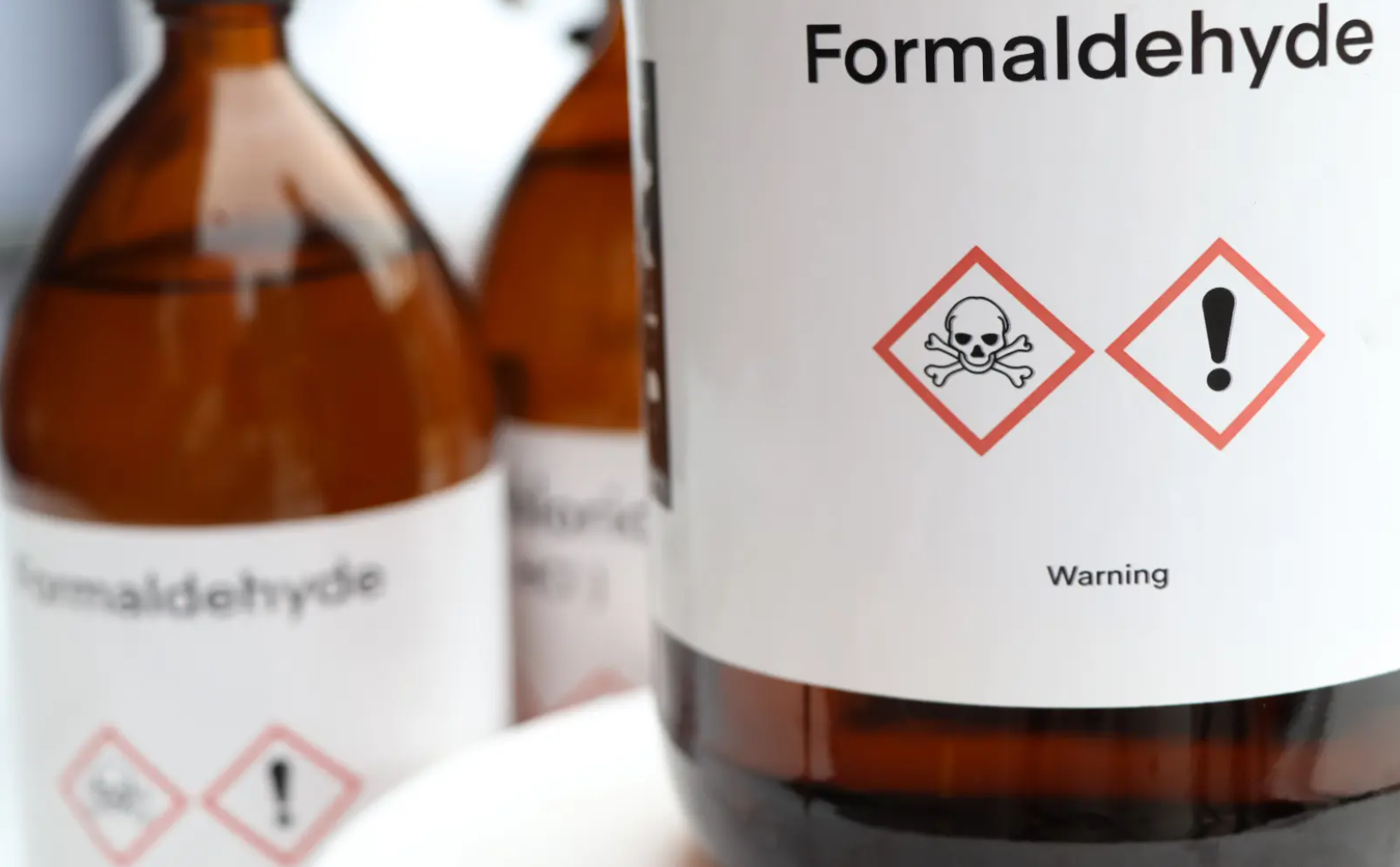
Researchers at Iran's Amirkabir University of Technology have developed a highly sensitive, low-cost gas sensor capable of detecting formaldehyde, a hazardous air pollutant linked to respiratory diseases and cancer.
The achievement could help improve indoor air quality monitoring and support future medical diagnostic technologies.
The research team, including graduate researcher Mahsa Souri, designed the novel gas sensor based on nanostructured perovskite semiconductors.
The device was developed to selectively detect formaldehyde, a volatile organic compound widely used in construction materials, textiles, cosmetics, wood products, and medical equipment.
Although often present in indoor environments, formaldehyde poses significant health risks even at low concentrations. Exposure has been associated with headaches, asthma, skin irritation, and certain forms of cancer. The compound is also considered a potential biomarker for the early detection of lung cancer.
"Our goal was to develop a highly selective and affordable sensor capable of identifying formaldehyde with high accuracy," Souri said.
According to Souri, the sensor is based on samarium ferrite (SmFeO₃) and incorporates a unique three-dimensional porous nanostructure inspired by a honeycomb pattern.
🔋 Iranian knowledge-based firm unveils first indigenous graphene battery, saving millions in imports#IranFirsthttps://t.co/xv639N1T9b
— Iran First (@IranFirst_PTV) June 7, 2026
The design, she added, increases the surface area available for gas interaction, significantly improving sensitivity and detection performance.
The team further enhanced the material by introducing a small amount of indium, enabling the sensor to detect formaldehyde more effectively than conventional samples, Souri added.
In laboratory tests, the device demonstrated a response value of more than 9 to formaldehyde concentrations of 10 parts per million at 210 degrees Celsius—around eight times higher than that of a reference sensor, she explained.
Souri said one of the project's biggest challenges was designing and building a complete gas-measurement chamber with limited resources and without access to ready-made equipment.
"Unlike many laboratories that rely on advanced industrial systems, we had to design and construct much of the equipment ourselves. Creativity and engineering solutions played a key role in making the project possible," she said.
The researcher noted that Iran currently has limited activity in the development of formaldehyde sensors, particularly for healthcare applications and indoor air-quality monitoring.
"Our findings can contribute to the domestic development of gas-sensing technologies and create opportunities for future commercial products," Souri said.
The results of the study have been published in the international journal Sensors & Actuators B: Chemical.
According to Souri, the researchers are now working toward developing software that would allow the sensor to convert resistance changes into real-time gas concentration data, an important step toward commercialization and practical deployment.

Iran localizes 2,000 sanctioned petrochemical components to boost domestic production

Iran’s Royan Institute ranked among world’s top 10 institutions in male infertility research

Iran's Alamut Castle, six associated fortresses earn UNESCO Heritage status as engineering marvels



VIDEO | Heavy rains in Chile displace thousands, flood homes and open a sinkhole
Israeli forces raid West Bank sites, abduct Palestinians as settlers attack homes, vehicles
Arbaeen: The eternal journey of remembrance, resistance and revival of the message of Karbala
Another ICE detainee dies in custody, raising 2026 death toll to 22
Millions of pilgrims descend on holy city of Karbala to mark Arba’een
Iran's Royan Institute preserves fertility of two girls with cancer through advanced surgery
VIDEO | Palestine convoy arrives in Ankara, voices solidarity with Gaza
North Korea says US-led ‘cyber warnings’ aim to tarnish its image







 PressTV NEWSLETTER
now
PressTV NEWSLETTER
now
 This makes it easy to access the Press TV website
