Iran's Royan Institute preserves fertility of two girls with cancer through advanced surgery
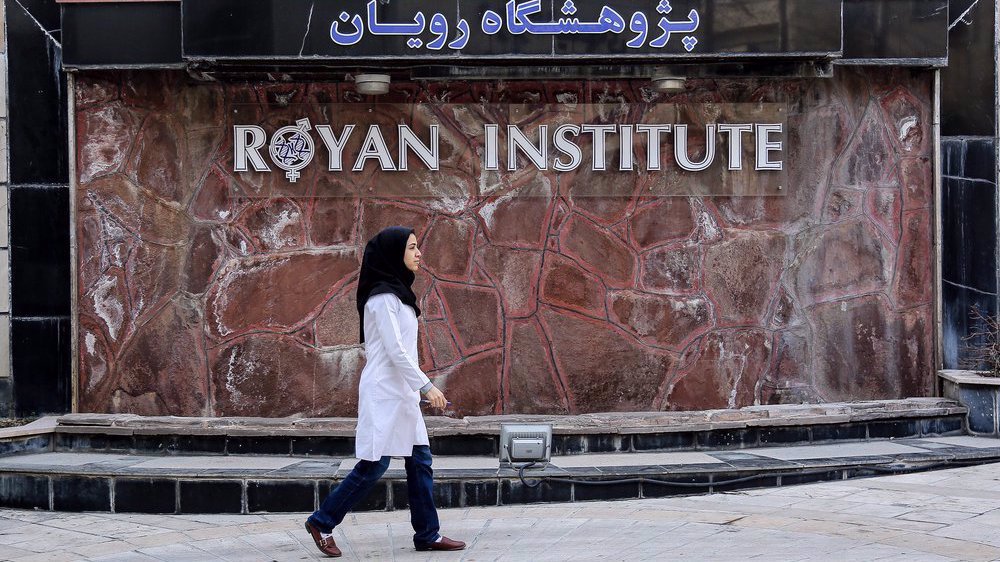
Iranian specialists at the Royan Institute have successfully preserved the ovarian function and future fertility of two girls diagnosed with cancer by performing an advanced surgical procedure before they underwent pelvic radiotherapy.
Three years after the operation and completion of their cancer treatment, both patients have entered puberty naturally, have regular menstrual cycles, and continue to show normal ovarian function, marking a significant milestone in fertility preservation for pediatric cancer patients.
The achievement was made possible through laparoscopic ovarian transposition, a procedure in which the ovaries are surgically moved outside the radiation field before treatment begins, protecting them from the damaging effects of pelvic radiotherapy.
Firoozeh Ghaffari, a gynecologist and infertility specialist at the Royan Institute, said the two patients had been diagnosed with Ewing sarcoma before reaching puberty and were scheduled to receive pelvic radiotherapy.
"Because radiation can cause severe and irreversible damage to the ovaries, leading to premature ovarian failure and permanent loss of fertility, we performed laparoscopic ovarian transposition before the start of radiotherapy to protect their future reproductive potential," she said.
Ghaffari noted that follow-up evaluations conducted three years after the surgery confirmed the long-term success of the procedure.
"Both patients have now entered puberty naturally, have regular menstrual cycles, and their ovarian function has been preserved. Without this intervention, there would have been a very high risk of permanent ovarian failure and the loss of their chance to have children in the future," she said.
She stressed that advances in cancer treatment have significantly improved survival rates, making quality of life after recovery an increasingly important aspect of patient care.
"Fertility preservation, particularly for children and adolescents with cancer, has become an essential component of modern oncology. Alongside treating the disease, we must also protect patients' opportunities to build families in the future," Ghaffari added.
She said the successful outcome demonstrates the importance of close collaboration between oncology, surgery, and reproductive medicine teams, enabling physicians not only to treat cancer but also to safeguard patients' reproductive health.
The accomplishment highlights Royan's growing expertise in fertility preservation services for cancer patients and represents an important step toward improving supportive care for children and adolescents undergoing cancer treatment.
The Royan Institute is one of Iran's leading biomedical research centers, specializing in reproductive medicine, infertility treatment, stem cell research, regenerative medicine, and biotechnology.
Alongside its research activities, the institute provides advanced fertility and cell therapy services and develops a range of biotechnology products, including recombinant proteins.

Iran localizes 2,000 sanctioned petrochemical components to boost domestic production
Iran’s Royan Institute ranked among world’s top 10 institutions in male infertility research

Iran's Alamut Castle, six associated fortresses earn UNESCO Heritage status as engineering marvels



Hezbollah chief: Lebanon’s direct talks with Israel have yielded nothing but shame
Hezbollah MP: Trump unwillingly acknowledged Iran’s key role on global stage
VIDEO | Heavy rains in Chile displace thousands, flood homes and open a sinkhole
Israeli forces raid West Bank sites, abduct Palestinians as settlers attack homes, vehicles
Arbaeen: The eternal journey of remembrance, resistance and revival of the message of Karbala
Another ICE detainee dies in custody, raising 2026 death toll to 22
Millions of pilgrims descend on holy city of Karbala to mark Arba’een
Iran's Royan Institute preserves fertility of two girls with cancer through advanced surgery


 PressTV NEWSLETTER
now
PressTV NEWSLETTER
now
 This makes it easy to access the Press TV website
