Iran climbs to 6th place globally in high-impact scientific research: ISC
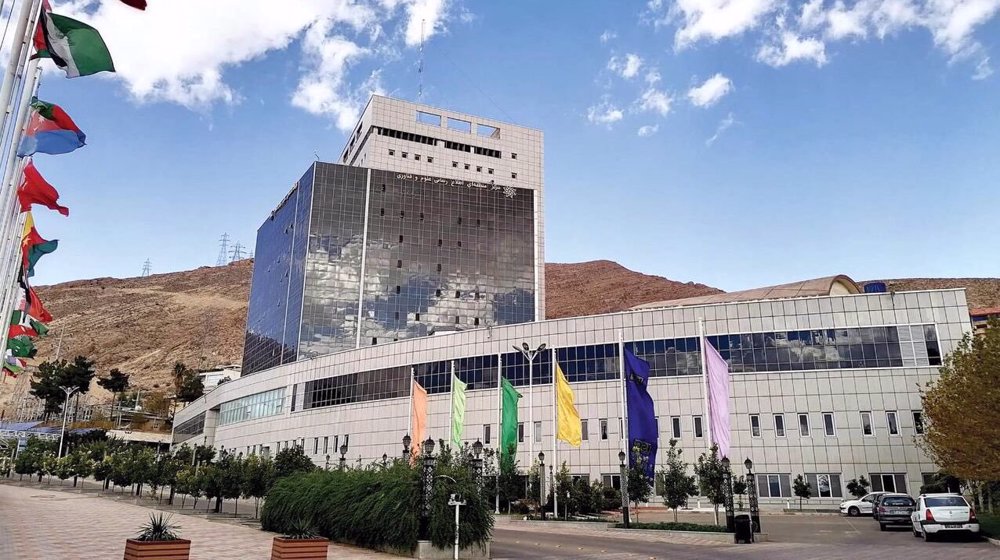
Iran has risen from eighth place in 2023 to sixth place in 2025 among the world’s top 20 scientific producers in terms of the share of highly cited papers, according to new data released by the Islamic World Science Citation and Monitoring Institute (ISC).
The findings, announced on Saturday by ISC President Mohammad Mehdi Alavian-Mehr, show that 15.9 percent of Iran’s scientific publications in 2025 ranked among the world’s top 10 percent most-cited papers, up from 14.1 percent in 2023.
“Among the world’s top 20 scientific producers, Iran is the only country that has improved by two positions in this indicator during the period under review,” Alavian-Mehr said.
He added that most of the countries examined during the period saw no change in their ranking in terms of the share of papers among the world’s top 10 percent most-cited publications, while Italy was the only country to improve by one position.
Referring to the decline in the rankings of countries such as Canada and the United Kingdom, Alavian-Mehr said the trend shows that Iran’s improved standing in this indicator is “not merely a minor fluctuation in the data,” but rather a sign of the country’s growing citation impact compared to the world’s major scientific producers.
The report suggests that while Iran’s overall ranking in total scientific output declined from 16th to 18th place, the quality and visibility of its research have continued to improve, Alavian-Mehr noted.
According to the ISC chief, the data demonstrate that Iranian scientists are producing research that is increasingly recognized and cited within the international scientific community.
“In simple terms, nearly 16 out of every 100 Iranian scientific papers in 2025 were placed among the world’s most influential and highly cited publications,” he said.
“This figure is well above the global benchmark of 10 percent and indicates that Iranian research is receiving greater international attention and use than expected.”
📕 According to newly released data, Iranian researchers produce more internationally indexed scientific papers per research dollar than any other major scientific nation, including US and China.#IranFirsthttps://t.co/VDKWnucvcb
— Iran First (@IranFirst_PTV) May 27, 2026
The ISC president stressed that the improvement in citation impact should not lead policymakers to overlook existing challenges facing the country’s academic sector, particularly the migration of elite researchers and scientists.
“These findings highlight the importance of preserving and supporting the country’s scientific human capital,” he said, calling for better professional conditions for faculty members, stronger research infrastructure, increased support for high-quality projects, and broader international scientific cooperation.
He also emphasized the importance of international partnerships in strengthening citation impact, pointing to joint projects, visiting scholars, shared laboratories, and collaborative publications as effective ways to increase the global visibility of Iranian science.
“If these collaborations are designed properly, they will not weaken researchers’ ties with the country,” Alavian-Mehr said. “On the contrary, they can strengthen connections between Iranian scholars and domestic universities.”
The latest figures also build on earlier findings highlighting Iran’s efficiency in scientific production. According to newly released data, Iranian researchers produce more internationally indexed scientific papers per research dollar than any other major scientific nation.
Iran has ranked first among the world’s 20 leading scientific producers in publication efficiency, according to findings released by the ISC last week, underscoring the country’s ability to maintain a strong international research presence despite financial and infrastructural limitations.
Speaking to the media, Alavian-Mehr said at the time that the results reflect the resilience of Iran’s scientific community and its ability to convert limited resources into measurable academic achievements.
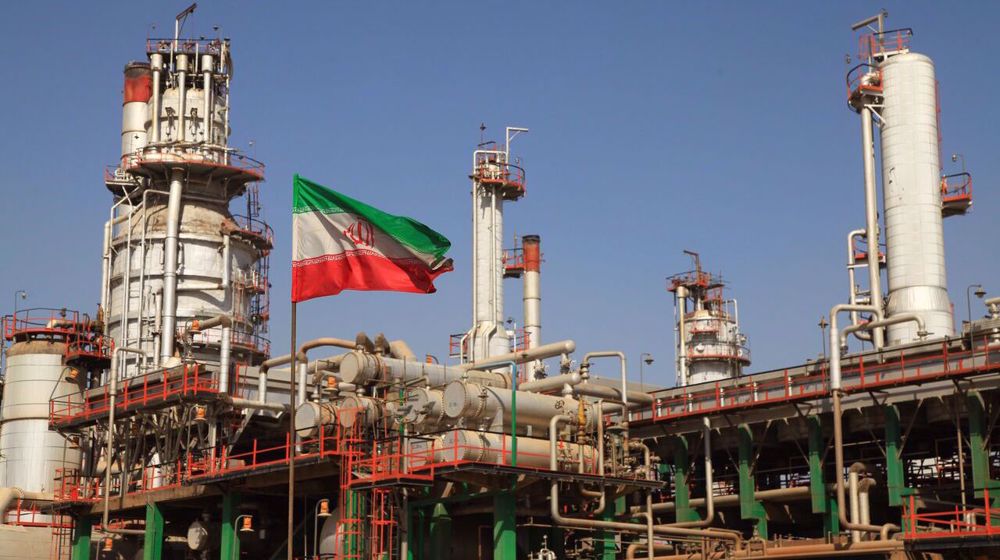
Iranian CO2 recovery project named a finalist of 2026 WPC Energy Excellence Awards
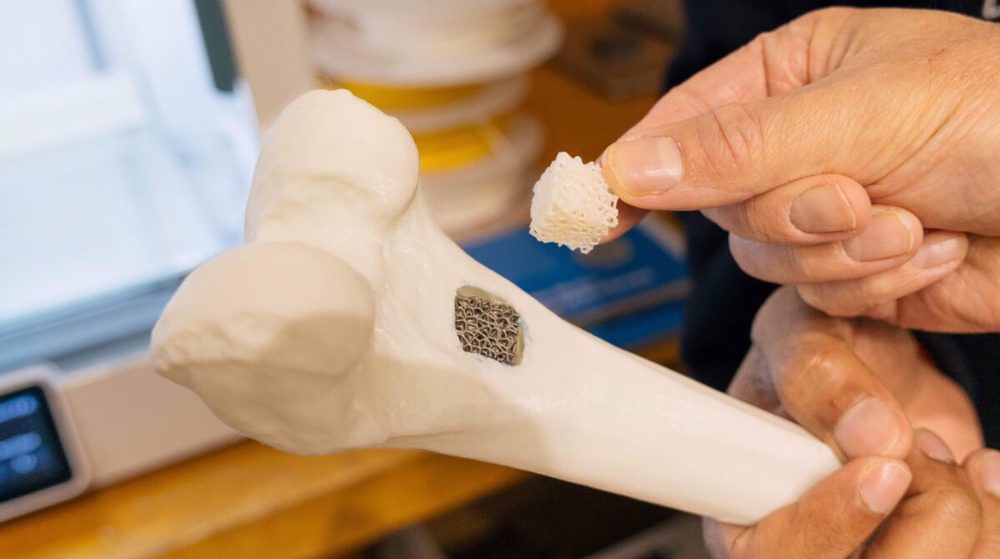
University of Tehran scientists develop bio-scaffolds for bone repair
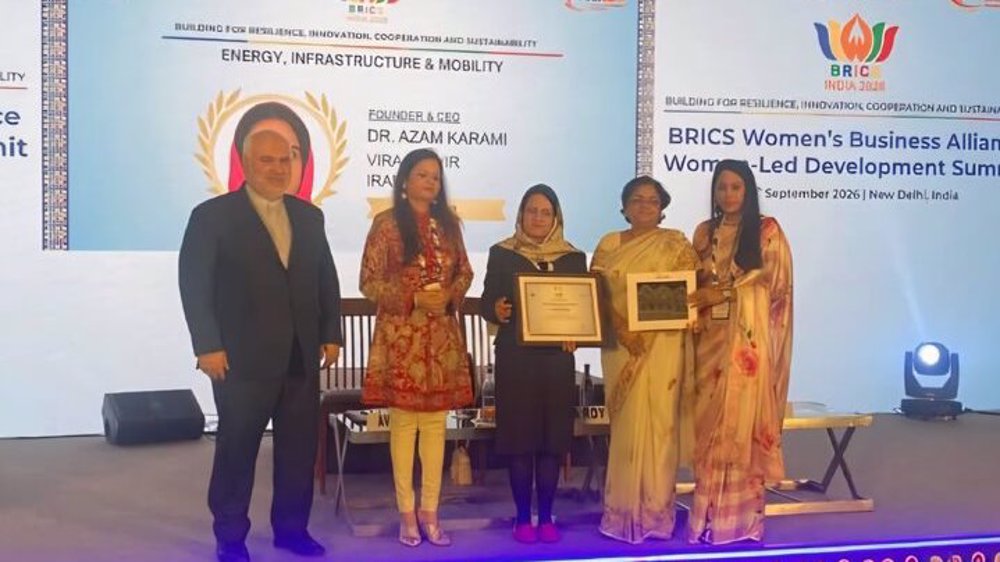
Iranian academic and entrepreneur wins top prize at BRICS women’s startup contest



VIDEO | Gaza schools reborn in tents as new academic year begins
Iran: US had intentionally prepared ground for withdrawing from Islamabad MoU
Hezbollah leader: Iran thwarted US-Israeli war goals; ultimate victory belongs to resistance
VIDEO | Yemen responds to Saudi aggression
Four Palestinians, including child, killed in Israeli attacks across Gaza
Iran retains initiative in Strait of Hormuz despite US claims: Armed Forces
Yemeni army targets sensitive sites in Saudi capital, Aramco facilities in Yanbu
Barzegari’s silver lifts Iran to five medals at 2026 World Poomsae Championships




 PressTV NEWSLETTER
now
PressTV NEWSLETTER
now
 This makes it easy to access the Press TV website
