Iran's Alamut Castle and six associated fortresses earn UNESCO Heritage status as engineering marvels

By Ivan Kesic
Perched atop the rugged peaks of the Alborz Mountains, the medieval fortresses of Alamut, Lambsar, Novizar Shah, Shams Kalayeh, Qostin Lar, Shirkuh, and Ilan stand as enduring monuments to human ingenuity.
Built into some of Iran's most formidable terrain, they transformed sheer cliffs and isolated mountain ridges into an interconnected network of power, defense, and learning.
For centuries, these strongholds embodied the remarkable ability of their builders to harness the natural landscape for both strategic and intellectual purposes.
The announcement that Alamut Castle and its associated military fortifications have been inscribed on the UNESCO World Heritage List marks a moment of profound recognition for one of the most remarkable architectural and historical complexes in the Islamic world, where engineering, architecture, and history converge in one of the medieval world's most extraordinary mountain fortress systems.
The decision, approved during the 48th session of the UNESCO World Heritage Committee in Busan, South Korea, brings Iran's total number of World Heritage sites to 30 and acknowledges the exceptional universal value of this chain of seven medieval fortresses.
Located in the rugged landscape of the Alborz Mountains in Qazvin, approximately 200 kilometers northwest of Tehran, these fortifications date from the eleventh to the thirteenth centuries and represent a sophisticated understanding of mountainous terrain, water management, communication routes, defensive architecture, and spatial planning that was centuries ahead of its time.
The successful nomination, titled Alamut Castle and Its Associated Fortifications, was confirmed by UNESCO's evaluators and comprises the interconnected defensive network of Alamut, Lambsar, Novizar Shah, Shams Kalayeh, Qostin Lar, Shirkuh, and Ilan, each contributing to a system of power and governance that shaped the political and intellectual history of northern Iran for centuries.
Spectacular setting of the Alamut Valley
The valley of Alamut in the Daylam region comprises the modern districts of Alamut and Rudbar, nestled among the peaks of the Siah Lan range to the north and the Alborz mountains to the south, extending approximately one hundred kilometers in length.
The powerful river of Alamut originates on the western slope of Takht-e Solayman at an elevation of 4,850 meters, and after joining the Rud-e Taleqan, forms the Shah-rud, which traverses the central and eastern Alborz from east to west.
The valley enjoys a mild climate with Caspian influences, allowing rice cultivation in small plots at the base of the main valley, while the surrounding mountains create a natural fortress that has sheltered inhabitants for millennia.
The rugged terrain, characterized by clayey conglomerates dating from the Miocene epoch, volcanic green rocks of the Tertiary period, and high chains of complex structure where limestones of the primary era predominate, provided the ideal setting for the establishment of fortified strongholds.
The action of the rivers has been strong throughout history, with catastrophic floods frequently causing the collapse of roads and the devastation of fields, yet the valley's inhabitants have demonstrated remarkable resilience in adapting to these challenging conditions.
Access to Alamut has traditionally been difficult because of the narrow gorges and surrounding mountains, with the traditional mule trail from the plateau requiring a two-day journey from Qazvin across the Chala pass, and even today the region retains its character of isolation and natural protection that made it an ideal refuge for the Nizari Ismaili state.
Origins of Alamut Castle
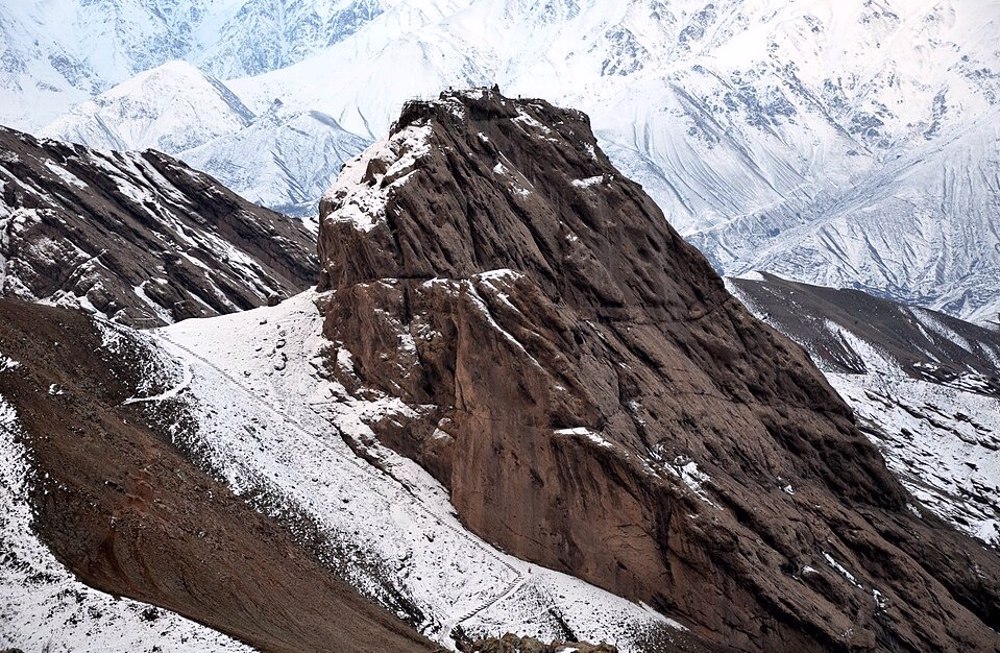
Alamut Castle, whose name legend holds was derived from the words aloh meaning eagle and amukht meaning taught, was established when, according to tradition, an eagle indicated the site to a Daylamite ruler.
The first historical accounts suggest that the fortress was constructed in 246 AH, corresponding to approximately 860 CE, by a ruler of the Justanid dynasty, one of the Daylamite kings who ruled this mountainous region.
Later, the fortress came into the hands of Zaydi Alids, who maintained their presence in the region until the arrival of the Ismailis.
The castle is perched atop a rocky crest accessible only by a narrow grass turf bank, rising approximately 220 meters above the surrounding landscape at an elevation of 2,163 meters, dominating the southwestern foothills of the Alborz Mountains.
Surrounded by deep ravines and protected by the natural inaccessibility of its location, the fortress gained fame as one of the most impregnable fortresses in Iranian history, withstanding military assaults for nearly two hundred years and remaining unconquered by force throughout its history.
The castle was never taken by direct military assault; Hasan-i Sabbah seized it by trickery in 1090, and the Mongols took it only after it surrendered without combat following negotiations.
Historical accounts suggest that the fortress ultimately fell not through direct military victory but because of psychological warfare and internal divisions among its defenders, a testament to the extraordinary defensive qualities that made it the symbol of Ismaili resistance to Sunni domination.
Master of Alamut: Hasan-i Sabbah and the Ismaili State
In 483 AH, corresponding to 1090 CE, Hasan-i Sabbah, the leader of the Nizari Ismailis in Persia, obtained control of Alamut Castle and reinforced it as the headquarters of his activities against the Seljuq government.
Hasan-i Sabbah, the most important of the Ismaili da'is or summoners, and from Alamut he directed a movement that would fundamentally change the dynamics of the Islamic world.
The state of Alamut was founded at the time of the progressive weakening of the Fatimid regime in Egypt, which had begun in approximately 1060 and put an end to any hope of Ismaili domination.
The Ismailis in Seljuq Iran had become victims of increasingly severe repression, which provoked a revolt led by the da'i of Isfahan, Abd-al-Malek ibn Attash, at the end of the reign of Malikshah.
In order to regroup their forces territorially and realize their dream of a society on the margin of the Muslim world, the Ismailis captured many fortresses in Kuhistan, the south of Khorasan, Fars, Qumis, the Zagros, and Syria, with Alamut serving as the center of this remarkable network.
During the reign of Sultan Muhammad Tapar, the Seljuqs recaptured some of the Ismaili fortresses, but for seven years Alamut successfully resisted the attacks launched by Shirgir, the amir of Saveh, after which the Seljuq army abandoned the siege.
By the death of Hasan-i Sabbah in 518 AH, the state of Alamut was firmly established and many fortresses of the Alborz were under its control, creating a religious commonwealth that has been compared with the chivalric orders of monks during the crusades.
Lambsar: the largest and most complex fortress
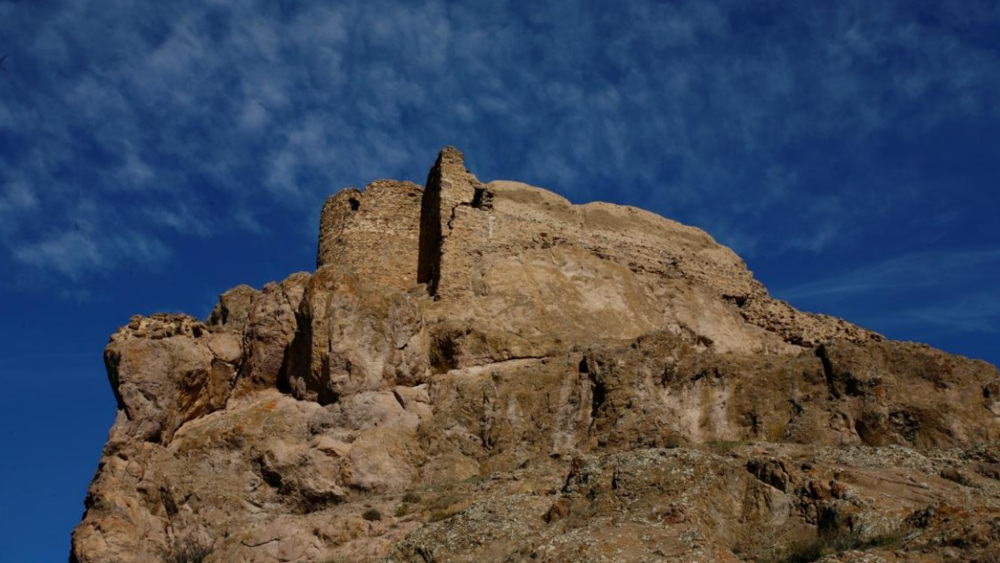
The largest and most complex of all the Ismaili castles is Lambsar, which rivals Alamut itself in both size and historical significance.
Built on a hill to the north of the village of Shahrestan, 30 kilometers downstream from Alamut, Lambsar was taken over by the Ismailis shortly after their conquest of Alamut, and its fortifications were substantially reinforced.
The ruins of Lambsar are remarkably well preserved, allowing modern visitors and scholars to appreciate the extraordinary scale and sophistication of Ismaili military architecture.
According to historical accounts, Lambsar was captured by Buzurg-Umid, Hasan-i Sabbah's trusted lieutenant, and became one of the most important strongholds in the Ismaili power network.
The fortress features an elaborate system of cisterns, qanats, and canals that provided water security during prolonged sieges, along with vast storage facilities that could sustain the garrison through extended periods of isolation.
The castle's massive walls and towers, constructed with a sophisticated understanding of defensive engineering, demonstrate the architectural expertise that the Ismailis had developed through their extensive experience in building and maintaining mountain fortifications.
Lambsar continued to resist the Mongol advance even after Alamut had surrendered, testament to the exceptional defensive qualities that made it one of the most formidable strongholds in the entire Ismaili network.
Network of seven fortresses
The newly inscribed UNESCO property comprises seven medieval fortresses, each with its own distinct character and strategic function within the broader Ismaili defensive and administrative network.
Novizar Shah, located further upstream in the valley, controlled the hills toward Kalar-dasht and the Caspian region, serving as a guardian of the northern approaches to the Alamut valley.
Shams Kalayeh, positioned strategically within the mountainous terrain, formed another link in the chain of fortifications that allowed the Ismailis to maintain control over the surrounding districts.
Qostin Lar, established in 1145 by Kiya Muhammad ibn Buzurg Umid, the third lord of Alamut, represents one of the most historically documented fortifications, constructed at a time when the Ismailis enjoyed the superiority of military power and actively expanded their borders.
Shirkuh, also known as Bidilan, was constructed on the rocky banks of the confluence of the Alamut and Taleqan rivers, guarding one of the main entrances to the valley and controlling the approach from the south.
Ilan, situated more to the west, added another layer of protection to the western approaches of the Alamut region, completing a defensive network that made the valley nearly impregnable.
Fortress as center of power and administration
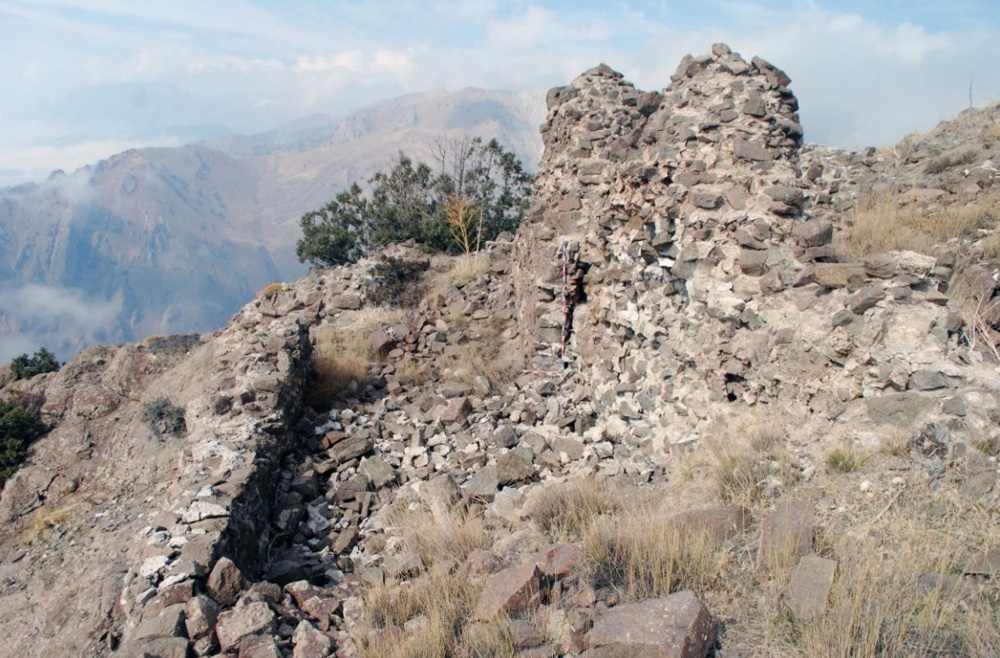
The network of Ismaili castles should not be understood merely as a defensive system but rather as a sophisticated instrument of governance and territorial expansion.
Recent scholarly research has challenged the conventional notion that these fortifications formed a linear defensive border separating Ismaili territory from their enemies.
Examination of the distribution of castles in relation to villages and communication routes reveals that these structures functioned as centers of power that formed important spheres of influence on their surrounding environment, serving as units of governance in the expansion of Ismaili dominions.
The historical texts confirm this interpretation, with Rashid al-Din's Jami al-Tawarikh recording that during the time of Muhammad ibn Buzurg Umid, when Ismailis enjoyed the superiority of military power and expanded their borders, a large number of castles were constructed.
When the Seljuq ruler Sultan Sanjar accepted a peace agreement with the Ismailis, one of his three conditions was that the Ismailis should not build any new castle, recognizing that the construction of fortifications was not merely a defensive measure but an offensive strategy for extending Ismaili influence into neighboring territories.
The castles therefore served as instruments of expansion, establishing Ismaili authority over surrounding settlements and threatening the lands of their enemies, while also serving as secure repositories for the community's intellectual and cultural treasures.
Intellectual and cultural significance of Alamut
The fortresses served not only as military strongholds but also as important political and intellectual centers that attracted scholars and thinkers from across the Islamic world.
The renowned Persian scholar Nasir al-Din al-Tusi is among the historical figures closely associated with the Alamut complex, finding refuge in the security of the Ismaili fortresses during the tumultuous period of the Mongol advance.
The library and astronomical facilities of Alamut were famous throughout the Islamic world, and the fortresses served as a haven for scholars and political figures who had fallen out of favor with the ruling powers.
The Ismaili state, though small in territorial extent, maintained a remarkable intellectual vitality that contrasted sharply with the less cultured Daylamite mountain dynasties of the preceding centuries.
The community was organized as a religious community and structured on a military basis, creating a hierarchical organization that has been compared with the chivalric orders of the crusader period.
The fear of this small state of Alamut spread not only in the neighboring regions of Ruyan, Gilan, and Qazvin, but also throughout the Muslim world, a testament to the extraordinary power and influence that the Ismailis wielded despite their limited territorial holdings.
Fortresses as centers of power and offensive strength
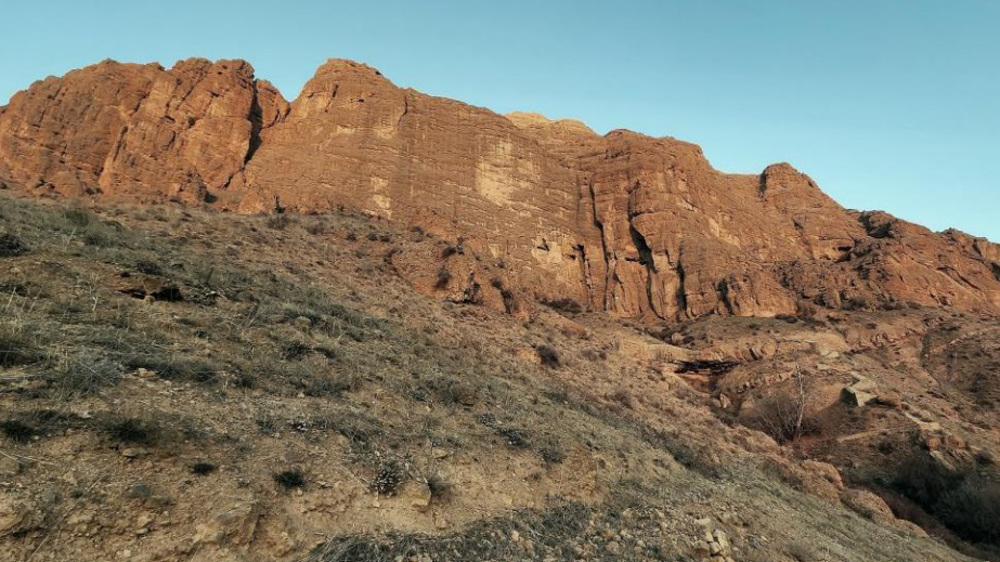
The historical record provides abundant evidence that the Ismaili castles functioned as active instruments of expansion rather than passive defensive structures.
When Rafiqan, as the Ismailis were known, went to Lar and constructed a strong castle close to the Sarbashm of Qazwin, the Seljuq nobleman Qutluq Ubih requested assistance to prevent the construction, bringing a well-armed troop consisting of soldiers from Khargam, Tarum, Abhar, Zangan, Kharaqan, Abih, Savih, Damavand, Damqan, Gurgan, and near Nayshabur to fight against them.
Despite the size and strength of this force, the Ismailis succeeded in completing the castle and later attacked Qazwin, demonstrating that the new fortification was not intended for defense but rather as a base for offensive operations against Seljuq territory.
Similarly, when Ismailis from Alamut went to the plain of Daylaman, they burnt Sijan, built a castle, and filled its storerooms, then attacked Gurjiyan occasionally and besieged it, again illustrating the offensive function of these structures.
These examples demonstrate that the castles were established in the immediate vicinity of enemy territory as forward operating bases, enabling the Ismailis to extend their influence and threaten neighboring lands.
Siege of Maymun Fortress and the fall of Alamut
The decline of Alamut began with the versatile Jalal al-Din Hasan III, who succeeded Muhammad II in 607 AH and pursued a policy of reconciliation with major Sunni-Muslim powers, establishing friendly relations with the Khwarazmshahs and the caliphate.
After the fall of Khwarazm to the Mongols, the Ismailis were almost the only organized state in Iran, their military power reinforced by numerous fortresses, including Girdkuh near Damghan, and a number of learned men gathered in Alamut's security, including Nasir al-Din Tusi.
In 650 AH, the Mongols decided to put an end to both the Ismailis and the caliphate, and Hulagu arrived with fresh troops, besieging Girdkuh in vain but taking all the fortresses of Kuhistan and Qumis before reaching Ray and attacking the bastions of Rudbar and Alamut.
Muhammad made a pretense of resisting, but panic seized his generals, and he was assassinated in 653 AH, his son Rukn al-Din Khurshah opening negotiations with the Mongols.
Hulagu demanded the destruction of all the fortresses, and Khurshah tried to evade the issue, but the Mongol leader laid siege to him at Maymun Fortress, forcing his surrender around winter in 654 AH.
The other citadels followed suit, except Girdkuh and Lambsar, and despite being well treated at Hulagu's court in Qazvin, Khurshah was assassinated the following year.
Shortly thereafter, the Ismailis of Iran were systematically massacred by the Mongols with the approval of the Sunnis, bringing an end to the autonomous Ismaili state.
Architectural and engineering achievements
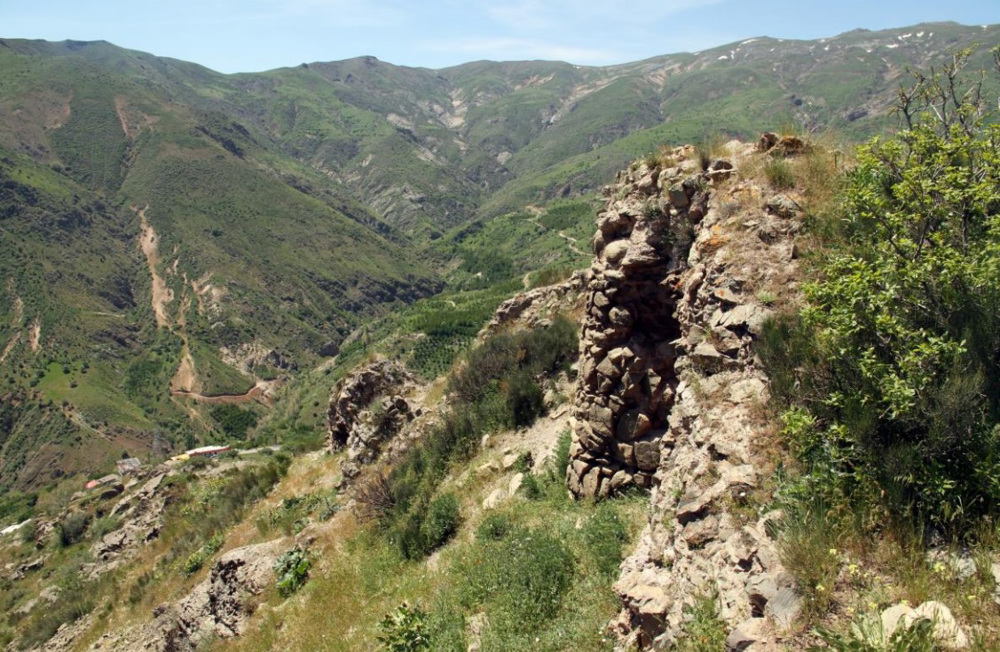
Each of the Ismaili fortified sites in Rudbar and Alamut is perched on rocky heights and was well-equipped to withstand long sieges, thanks to a vast capacity to store provisions and an elaborate system of cisterns, qanats, and canals that ensured water security even during extended isolation.
The fortress of Alamut was erected at an altitude of 2,000 meters on a rocky crest accessible only by a narrow grass turf bank, demonstrating the extraordinary skill of the builders in selecting locations that maximized natural defensive advantages.
The construction techniques employed by the Ismailis showed a sophisticated understanding of mountainous terrain, with the fortifications carefully integrated into the natural landscape to create defensive positions of extraordinary strength.
The castle of Maymun-diz, discovered in 1960 by Peter Willey, consists of a number of natural and man-made caverns on an elevated and practically inaccessible cliff, representing an innovative approach to fortification that exploited natural cave formations while adding constructed defenses.
The exterior fortifications of Maymun-diz have almost totally disappeared, but the remarkable natural and artificial caverns remain as testimony to the ingenuity of Ismaili engineering.
The ruins of a large number of other fortresses are found in the Alborz, many of which probably belonged to the Ismailis, awaiting the historical and archaeological research that will reveal their place in this extraordinary network.
Unique characteristics of Ismaili fortifications
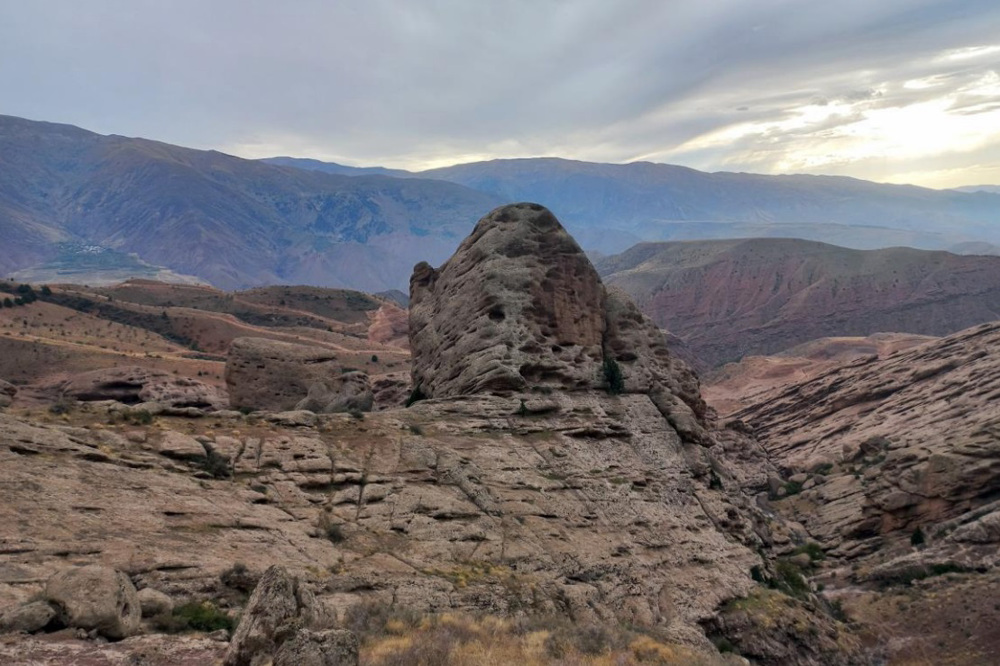
What distinguishes these fortifications from other medieval military architecture is the sophisticated integration of natural defensive features with constructed works, creating fortresses that were virtually impossible to take by direct assault.
The Ismailis selected locations that were naturally separated from their surrounding environment and accessible from only one side, maximizing passive defense through careful site selection.
The distribution of castles throughout the Alamut region reveals a systematic approach to establishing spheres of influence, with the fortifications positioned to control surrounding settlements and extend Ismaili authority over the landscape.
Each fortress was designed with remarkable attention to water management, with elaborate systems of cisterns, qanats, and canals that ensured survival during prolonged sieges.
The storage facilities within the castles were vast enough to sustain garrisons through extended periods of isolation, while the construction of hardened defenses ensured that even if the surrounding territory fell to enemies, the fortresses themselves could hold out indefinitely.
These features, combined with the political and intellectual functions of the strongholds, created a network of power that was unique in the medieval Islamic world.
The World Heritage significance
The inscription of Alamut Castle and its associated fortifications on the UNESCO World Heritage List recognizes the exceptional universal value of this extraordinary complex.
These fortresses represent a unique and exceptional testimony to the Nizari Ismaili state, which from the late eleventh century CE served as a political, military, and intellectual center whose reach extended across Iran and the wider Islamic world.
The fortifications illustrate the strategic organization, resilience, and cultural significance of the Ismaili state, demonstrating the sophisticated understanding of defensive architecture, water management, and spatial planning that the Ismailis developed over nearly two centuries of independence.
The serial property comprising the seven fortresses, Alamut, Lambsar, Navizar Shah, Shams Kalayeh, Qostin Lar, Shirkuh, and Ilan, provides a comprehensive picture of Ismaili military and administrative organization, with each fortress contributing to a network that protected the Ismaili community and sustained its political and intellectual life.
The conservation and restoration projects that have been undertaken in recent years will ensure the preservation of these extraordinary sites for future generations, while the UNESCO inscription will lead to increased global recognition and a rise in international tourism, making the designation a significant milestone for both heritage preservation and Iran's cultural tourism sector.

Discover Iran: Tabriz’s Blue Mosque, where glorious history meets timeless Iranian architecture

200 nights, one resilient nation: Iranian people’s epic in defense of homeland and Revolution

Discover Iran: Tabriz Grand Bazaar, where centuries of trade, culture and craftsmanship still thrive



Iran, Pakistan FMs discuss regional developments, energy supplies
VIDEO | Black smoke, flames rise near Riyadh airport amin Yemen strikes
VIDEO | Hundreds of thousands of people in Tehran attend rally, parade dubbed 'Sacrifice for Iran'
Remembering Sabra and Shatila massacre: Why memory is the ultimate shield against erasure
Syria’s HTS declines Saudi bid for militants against Yemeni forces: Report
VIDEO | Pentagon criticized for failing to release real number of US troops casualties
Araghchi: Military intervention cannot create security; coercion cannot bring peace
VIDEO | US president using Greenland as foreign policy success







 PressTV NEWSLETTER
now
PressTV NEWSLETTER
now
 This makes it easy to access the Press TV website
