Discover Iran: Hormozgan’s coastal villages blend sea, culture and community tourism

By Maryam Qarehgozlou
Hormozgan province, located at Iran’s southern edge, is an idyllic place where life has long been shaped by the waves of the sea, with its picturesque coastal villages stretching along the shores of the Persian Gulf and the Sea of Oman.
These villages are not merely settlements but living repositories of culture, tradition, and human resilience that define the coastal province and the country at large.
In these villages, the rhythms of daily life follow the tides, and generations have learned to coexist with the sea as both a source of livelihood and identity.
Coastal villages and their potential
Several coastal villages in Hormozgan stand out for their unique cultural and natural potential.
The village of Laft, on Qeshm Island, is renowned for its historic wind towers, traditional architecture, and proximity to the Hara mangrove forests.
Laft offers strong potential for cultural tourism, architectural exploration, and eco-tourism.
Nearby Suhaili Village has gained widespread recognition as a successful example of community-based and sustainable tourism that contributes to the local economy.
Its location near the mangroves makes boat tours and environmental education central attractions, while local involvement ensures economic benefits remain within the community.
Further west, Bandar-e Maqam is distinguished by its dramatic coastline, rocky shores, and relatively untouched natural environment.
The area holds considerable promise for nature-based and adventure tourism, particularly for travelers seeking less-commercialized destinations.
On Hormuz Island, small villages are nestled against a striking natural backdrop of colorful soils and distinctive coastal formations.
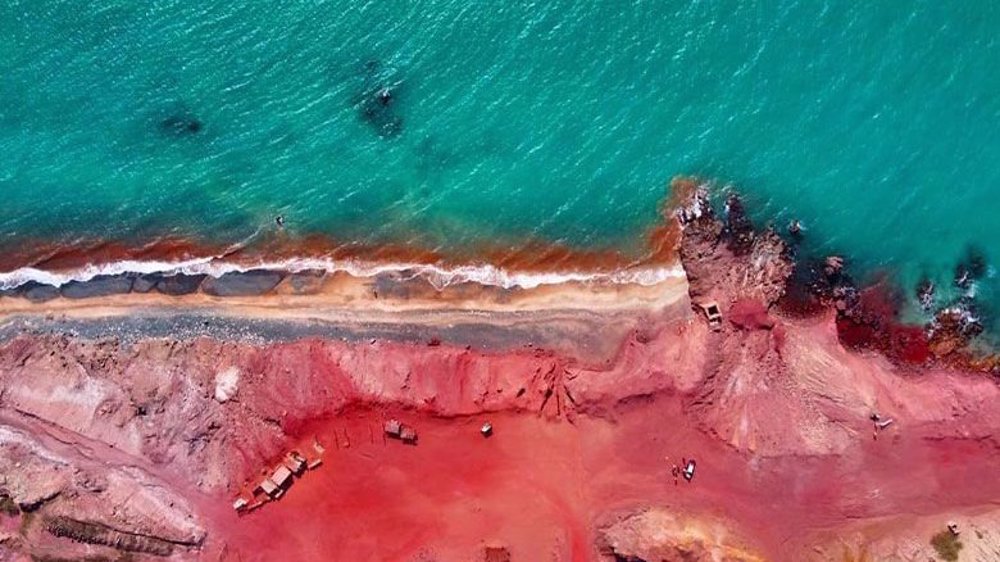
Hormuz has become a symbol of creative tourism, where art, nature, and local culture intersect.
In eastern Hormozgan, villages such as Riku and other lesser-known coastal settlements continue to rely primarily on traditional fishing and local food production.
Though less developed in terms of tourism infrastructure, these communities possess strong potential for responsible, small-scale tourism that emphasizes authenticity and cultural preservation.
Culture and social traditions
The culture of Hormozgan’s coastal communities is deeply influenced by centuries of maritime trade and interaction with distant shores.
Elements of Persian, Arab, African, and Indian cultures are interwoven into local customs, music, and social life that make them ideal tourist destinations.
Many rituals and ceremonies are connected to the sea—prayers for calm waters, celebrations marking the beginning of fishing seasons, and communal gatherings that reinforce social bonds.
Traditional clothing, particularly the brightly colored garments worn by women, remains a visible and meaningful expression of cultural identity.
Music and rituals
Traditional bandari music, often accompanied by instruments such as the ney-anban (a local type of bagpipe) and drums, reflects the vitality and openness of coastal life.
Music plays an important role in ceremonies, celebrations, and communal events, strengthening collective identity and preserving oral traditions passed down through generations.
Cuisine and local food culture
Local cuisine is another defining feature of life in Hormozgan’s coastal villages.
Rooted in the abundance of the sea, traditional dishes rely heavily on fresh fish, shrimp, dates, and aromatic spices.
Meals such as ghaliyeh mahi—a spicy fish stew flavored with tamarind—and hovari shrimp rice are staples of the regional diet.
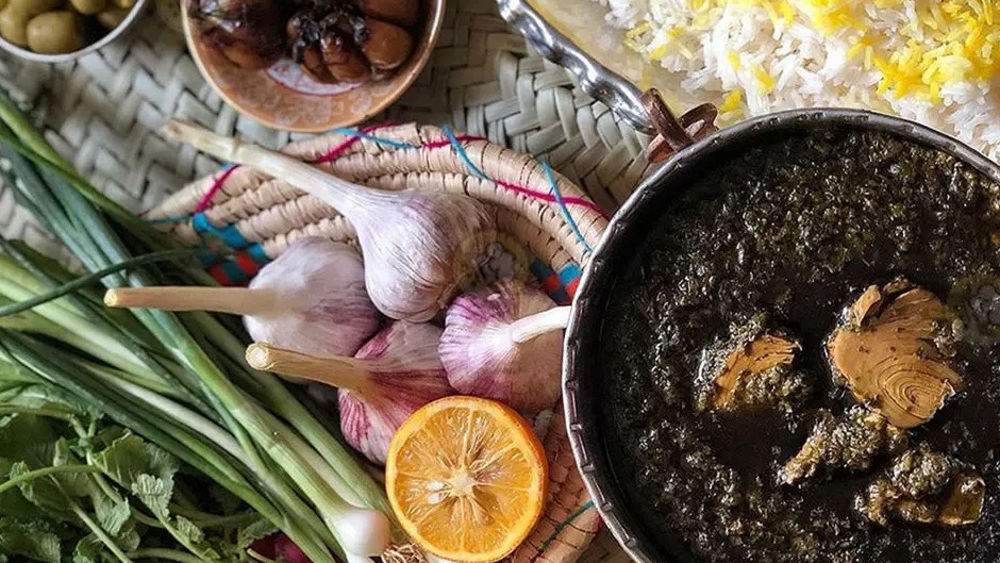
Date-based foods like bereng-e disho, rice cooked with date syrup, reflect the close relationship between agriculture and coastal living.
In many villages, mahyawa, a fermented fish sauce prepared using age-old methods, is still made at home and served with local bread.
For visitors, sharing a meal in a village home often becomes one of the most memorable aspects.
Fishing and maritime livelihoods
Fishing remains the backbone of the coastal economy and a cornerstone of local identity.
In villages such as Bandar-e Maqam and along the shores of Qeshm Island, fishing is more than an occupation—it is an inherited way of life.
Small wooden boats, handmade nets, and traditional knowledge of sea currents and seasons continue to play a central role.
These practices not only sustain local communities but also offer significant potential for experiential tourism, allowing visitors to witness or even participate in traditional fishing methods.
Handicrafts and local arts
The handicrafts of Hormozgan’s coastal villages are closely tied to their natural surroundings.
Palm-leaf weaving, basketry, and mat-making are common crafts, utilizing materials readily available in the region.
Embroidery techniques such as gold-thread stitching on traditional garments demonstrate both artistic skill and cultural continuity.
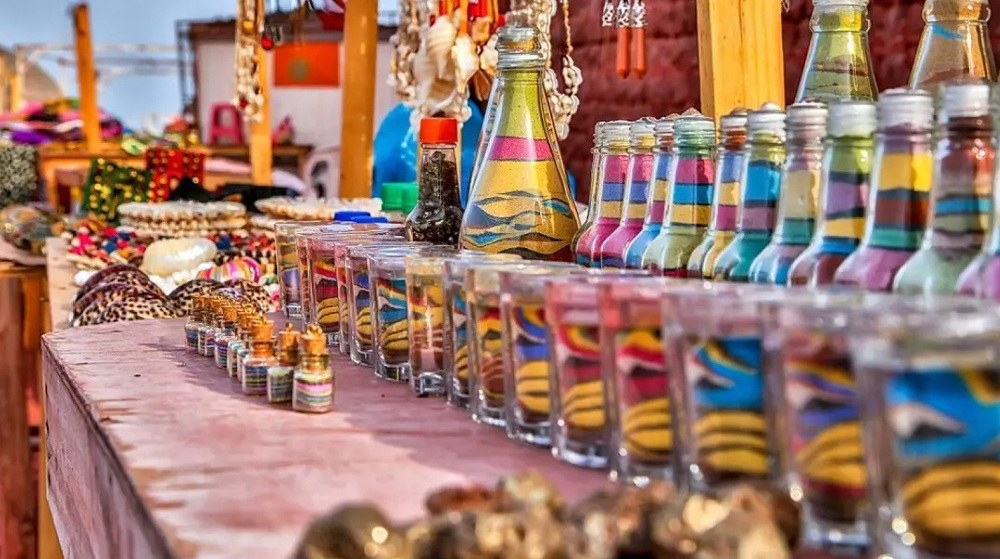
On Hormuz Island, creative uses of the island’s colorful soils and natural salts have given rise to distinctive forms of artistic expression, turning local materials into symbols of cultural pride and economic opportunity.
Hospitality and community life
Hospitality is a defining social value across Hormozgan’s coastal villages.
Welcoming guests into one’s home, offering traditional food, and sharing everyday activities are deeply ingrained customs.
Tourists are often invited to observe or join in daily routines—from fishing and cooking to bread baking—creating meaningful cultural exchanges that go beyond conventional sightseeing.
Tourism, environment, and the future
Experts believe that the future of tourism in Hormozgan’s coastal villages lies in balancing development with environmental conservation.
The combination of pristine natural landscapes, rich cultural heritage, distinctive cuisine, and traditional crafts positions these villages as ideal destinations for cultural tourism, eco-tourism, and experience-based travel.
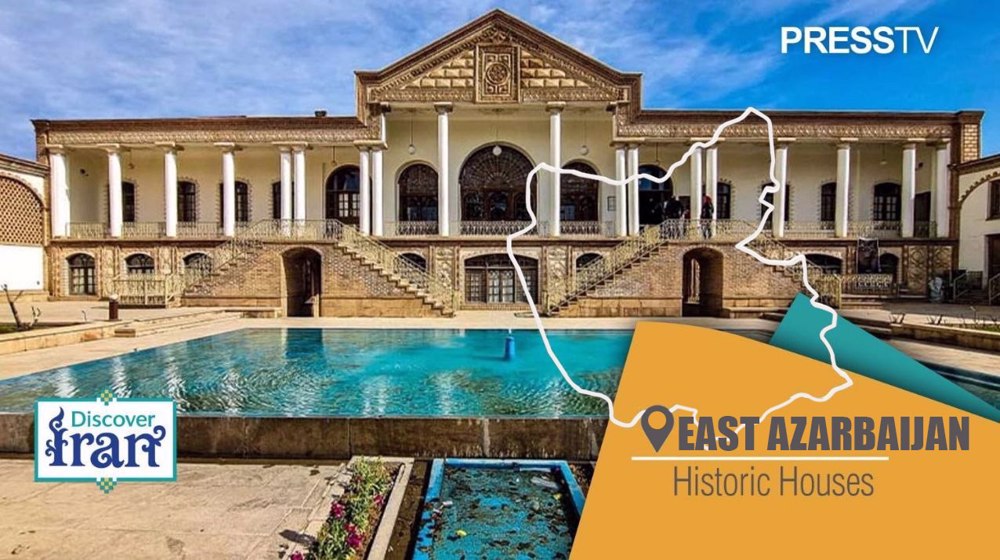
Discover Iran: Tabriz’s extraordinary architectural legacy through royal palaces, merchant mansions
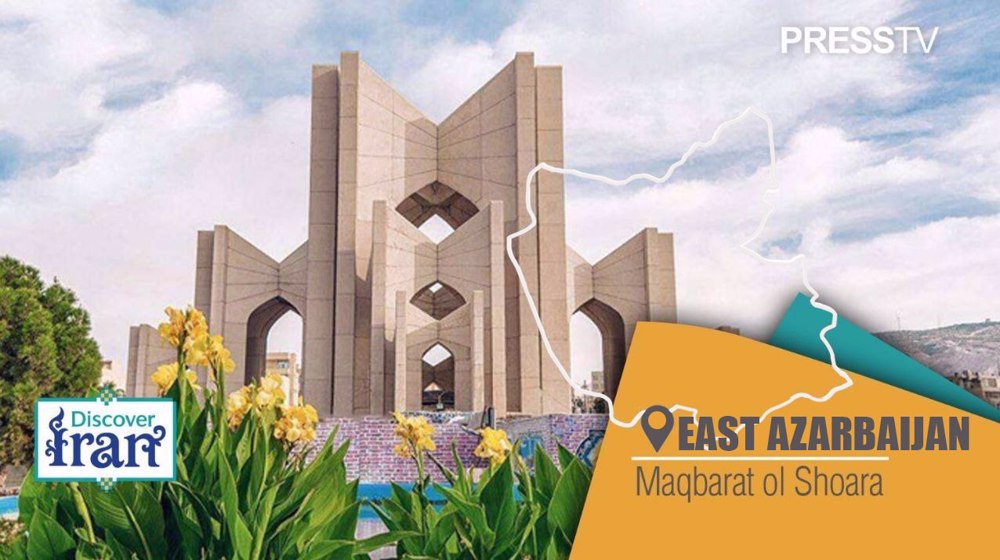
Discover Iran: Tabriz’s ‘Mausoleum of Poets,’ where centuries of Persian literary history live on
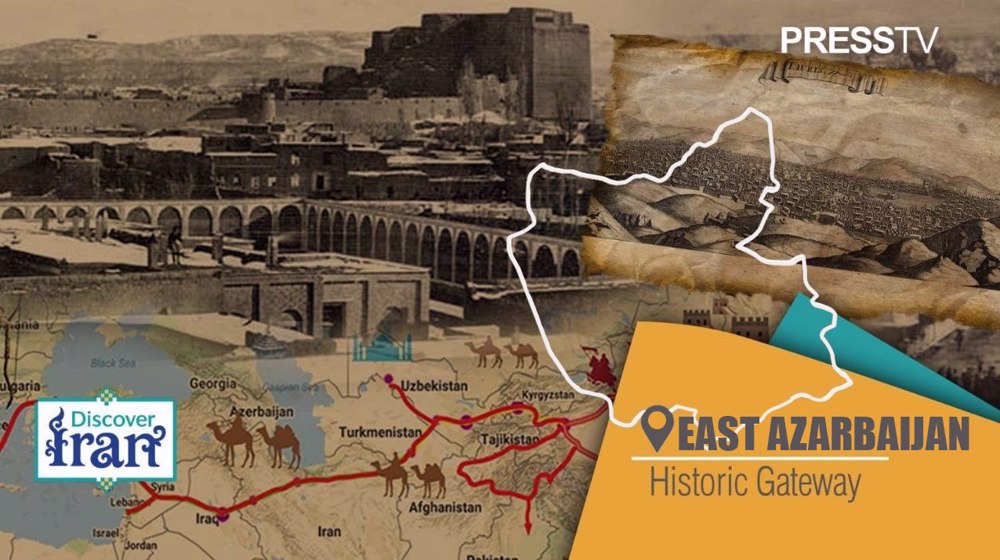
Discover Iran: Tabriz, where Iran’s Silk Road legacy meets industry, trade and a new economic future



Iran’s military warns of ‘unpredictable blows’ in response to US threats
VIDEO | US economic war on Iran
Iran FM meets with US envoy on UN meeting’s sidelines at American side’s insistence: Report
UN chief warns Israeli violence in West Bank raises ‘specter of ethnic cleansing’
VIDEO | ‘Korea gets nothing, loses everything, with Hormuz deployment’
Iran parliamentary commission approves penalties for violators of Hormuz laws
VIDEO | Trump’s war disrupts the world
Araghchi urges world to hold US accountable for ‘war crimes’ at UNGA




 PressTV NEWSLETTER
now
PressTV NEWSLETTER
now
 This makes it easy to access the Press TV website
