Discover Iran: South Khorasan as Iran’s new mining heartland with mineral riches
By Ivan Kesic
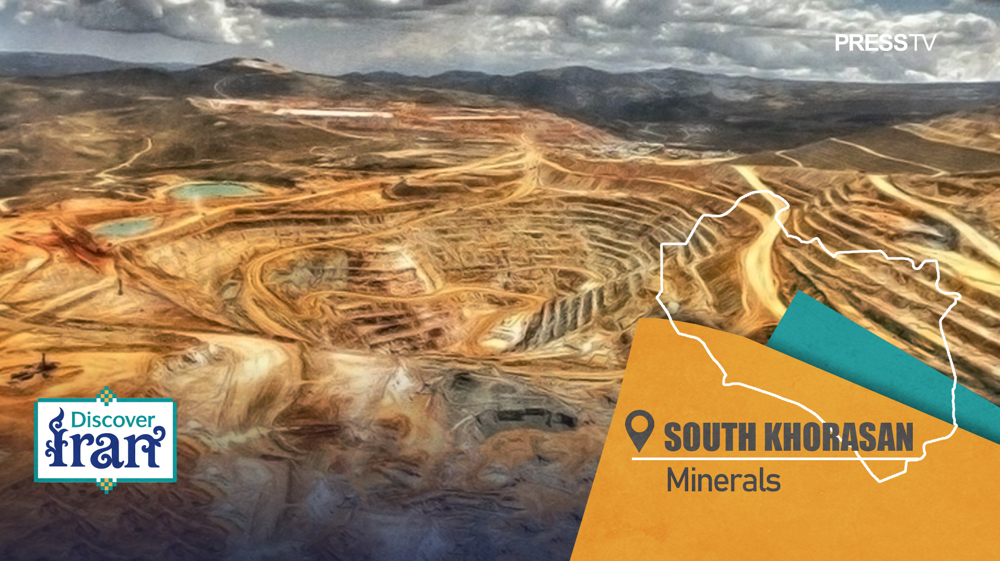
- South Khorasan's Nehbandan county is a mineral paradise, home to 23 different mineral types, including strategically critical resources like lithium and a major gold mine (Hird) with definitive reserves of 4.91 million tons.
- Tabas is known as the coal capital of Iran, sitting atop the country's largest coal reserves of 1.1 billion tons, and is a veritable treasure trove with over 100 different identified minerals within its boundaries.
- A strategic shift from raw extraction to value-added processing is underway, exemplified by new factories in Nehbandan producing iron concentrate and magnesium oxide, aiming to capture maximum economic benefit and create sustainable local employment.
In the vast and sun-scorched landscapes of South Khorasan in eastern Iran, a quiet yet profound transformation is underway, driven by the wealth concealed beneath the desert floor.
This province, celebrated for its saffron and ancient gardens, is emerging as one of Iran's most significant mining heartlands, with Tabas and Nehbandan leading this subterranean charge.
Here, the extraction of minerals ranging from barite and salt to coal and gold is not merely an industrial activity; it is a vital source of local employment, a catalyst for regional trade, and a powerful engine for the country's broader economic growth.
Communities are learning to harness these geological gifts, balancing the imperative of economic development with a growing commitment to environmental concerns, ensuring that the mining sector sustains livelihoods while respecting the delicate balance of the province’s fragile desert ecosystems.
The narrative of this region is increasingly written in the language of its minerals, a story of potential being unlocked from the earth to fuel a brighter, more prosperous future.
Mining powerhouses: Tabas and Nehbandan
South Khorasan stands as a mining paradise in the east of the country, a reputation firmly anchored in the prolific outputs of Tabas and Nehbandan.
The province boasts an estimated 4 billion tons of mineral resources, with 648 active mines providing direct employment for 12,000 people and drawing substantial investment into the local economy.
Nehbandan County, in particular, is celebrated for its incredible mineral diversity, hosting 23 different types of minerals and ranking first in the province for this variety.
It holds the distinguished title of being considered the mining paradise of South Khorasan, a status earned through its abundant and valuable deposits.
The county is home to unique and rare minerals, including coveted rare metal resources such as lithium, an element poised to play an increasingly crucial role in the global energy transition, especially with the rise of electric vehicles.
Furthermore, Nehbandan's gold reserves have become a focal point for development, exemplified by the Hird gold mine, the largest in South Khorasan, which boasts definitive reserves of 4.91 million tons and represents an investment exceeding 1,800 billion rials for its processing plant.
This project, with an annual production capacity of 200 kilograms of gold, is a beacon of modern mining, creating direct employment for about 70 people and signaling a new era of high-value mineral extraction in the region.
While Nehbandan dazzles with its diversity, Tabas asserts its dominance through sheer volume and strategic importance, particularly in the realm of coal.
Tabas County has come to be known as the coal capital of Iran, sitting atop a colossal 1.1 billion tons of coal reserves, the largest such deposit in the entire country.
This vast resource forms the bedrock of the region's industrial identity and presents an enormous opportunity for economic advancement.
Beyond coal, Tabas is a veritable treasure trove, with more than 100 to 120 different minerals identified within its boundaries, solidifying its position as a premier mining region.
The city ranks as the second most important mining hub in South Khorasan, with 68 active mines contributing significantly to the provincial total of 323 licensed operations.
The mineral wealth of these two powerhouses is not confined to local markets; their outputs, including green granite, chromite, bentonite, and magnesite, are exported to a wide array of international markets, reaching countries such as China, Iraq, Turkey, Armenia, and various nations in Europe and the Persian Gulf.
This global reach underscores the critical role that South Khorasan's mines play in fueling both regional trade and the national economy, transforming raw desert resources into valuable commodities on the world stage.

From mineral extraction to economics
The true potential of South Khorasan's mining sector is increasingly being realized through a strategic shift from raw material extraction to value-added processing, a move that promises greater economic stability and more sustainable employment for local communities.
Provincial and local governments have made it a clear priority to prevent the raw sale of minerals, focusing instead on creating affiliated and downstream units that capture the maximum possible added value within the region.
This vision is being actively implemented through a series of ambitious projects springing up across Nehbandan and Tabas.
In the Nehbandan Industrial Park, an iron concentrate factory is taking shape with an investment of 47 billion tomans, a project critical to completing the city's mineral processing chain and supplying raw materials to the Qaen Steel Factory.
Alongside it, a magnesium oxide factory is being constructed with a 60 billion toman investment, both facilities designed to transform locally mined ore into higher-value products for both domestic use and export markets.
These initiatives are part of a broader wave of development that includes the Dehslam silica processing project, the Sultanabad Bichand magnesium unit, and the garnet enrichment unit in Dehslam, all aimed at generating sustainable employment and fostering a more resilient local economy.
This drive toward industrialization is creating a tangible impact on the ground, providing vital local employment in a region where economic opportunities are precious.
The recent launch of 17 new mines across the province, including five in Tabas and two in Nehbandan, represents an investment of over 64 billion tomans and has created jobs for hundreds of people, demonstrating the sector's direct role in livelihood generation.
The operationalization of the Hird gold mine and the anticipated exploitation of the Mahur porphyry copper mine, one of three major metal exploration zones in Nehbandan, promise to bring transformative change to the county, significantly boosting employment and technical expertise.
The government's commitment to this path is evident in its efforts to provide essential infrastructure, such as the electrification of the Shahkouh mining area, which is crucial for enabling further industrial activity.
By strengthening the private sector and fostering a knowledge-based, people-centered economy, South Khorasan is ensuring that the benefits of its mineral wealth are not fleeting but are woven into the very fabric of its communities, creating skilled jobs and empowering local people to become active participants in their region's economic development.
Balancing progress with environment protection
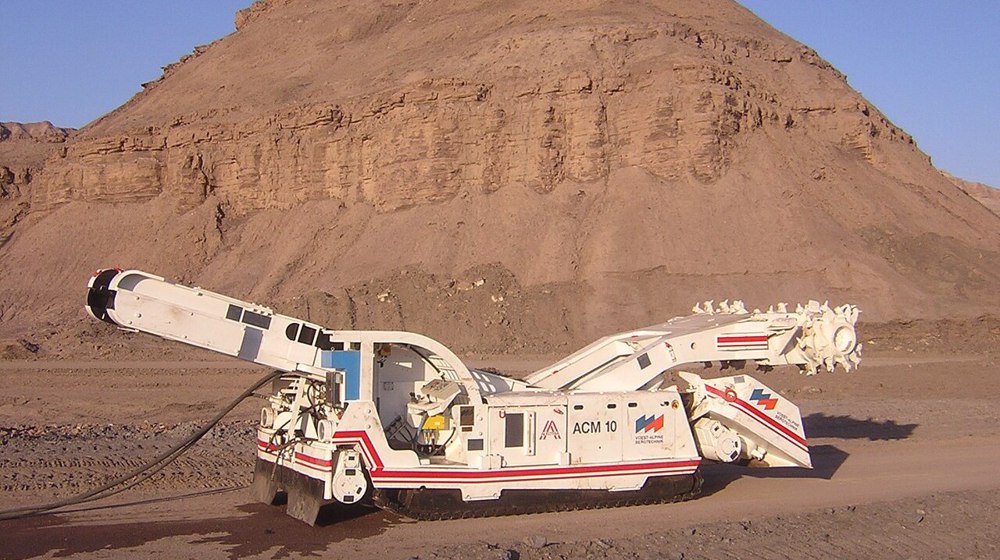
Operating in the arid and ecologically sensitive environment of South Khorasan requires a conscious and dedicated balance between economic progress and environmental stewardship, a challenge that the mining sector is increasingly embracing.
The very existence of these lush industrial oases amidst the desert is a testament to intelligent resource management, particularly when it comes to water, the region's most precious commodity.
While the climatic conditions present undeniable challenges, they also spur innovation in sustainable practices, ensuring that mining activities are conducted with a long-term perspective on preserving the province's fragile ecosystems.
The push for processing plants within industrial parks, such as those in Nehbandan, inherently centralizes industrial activity, allowing for more efficient monitoring and management of environmental impacts compared to scattered, unregulated extraction.
This centralized approach facilitates the implementation of better waste management and pollution control technologies, minimizing the footprint of mining on the surrounding desert landscape.
The future vision for mining in South Khorasan is intrinsically linked to sustainable development, with ambitious proposals on the table to harmonize industrial growth with environmental and economic resilience.
A compelling idea put forward by industry leaders is the creation of a special free mining zone in Nehbandan or Tabas, a policy that would not only liberalize investment and reduce bureaucratic hurdles but also promote the adoption of advanced, cleaner technologies.
Such a zone could facilitate the importation of modern, efficient machinery at competitive prices, enabling mining operations to be more productive with a smaller environmental footprint.
Furthermore, the province's abundant potential for renewable energy offers a pathway to power its industrial growth sustainably.
With some of the highest solar radiation levels in the country and significant wind resources, South Khorasan is ideally positioned to build solar and wind power plants that can supply clean electricity to its mining and processing operations.
This synergy between mining and renewables represents a forward-thinking model of development, one where the extraction of subterranean wealth goes hand-in-hand with the harnessing of limitless atmospheric energy, ensuring that the economic advancement of South Khorasan is both responsible and enduring, protecting its unique desert environment for generations to come.
Discover Iran: Tabriz’s centuries-old trading culture drives carpets, leather, industry and exports
Iran’s hidden aquaculture revolution over four decades
Behind Iran’s record wheat harvest amid drought, sanctions and war



IRGC Navy strikes Togo-flagged tanker after illegal attempt to transit Strait of Hormuz
US lawmaker slams Trump’s $5 billion weapons sale to Saudi Arabia
Russia, China veto US backed anti-Iran resolution at UN Security Council
Araghchi welcomes Xi’s initiatives, hails China-Iran strategic partnership
VIDEO | Gaza transport crisis deepens as 70% of vehicles remain out of service
VIDEO | Press TV's news headlines
Iran summons German ambassador over Berlin’s hostile positions, interventionist activities
Israeli occupation court extends detention of Press TV journalist Naqaa Hamed




 PressTV NEWSLETTER
now
PressTV NEWSLETTER
now
 This makes it easy to access the Press TV website
