Discover Iran: Sistan and Baluchestan Science and Tech Park powering innovation and growth
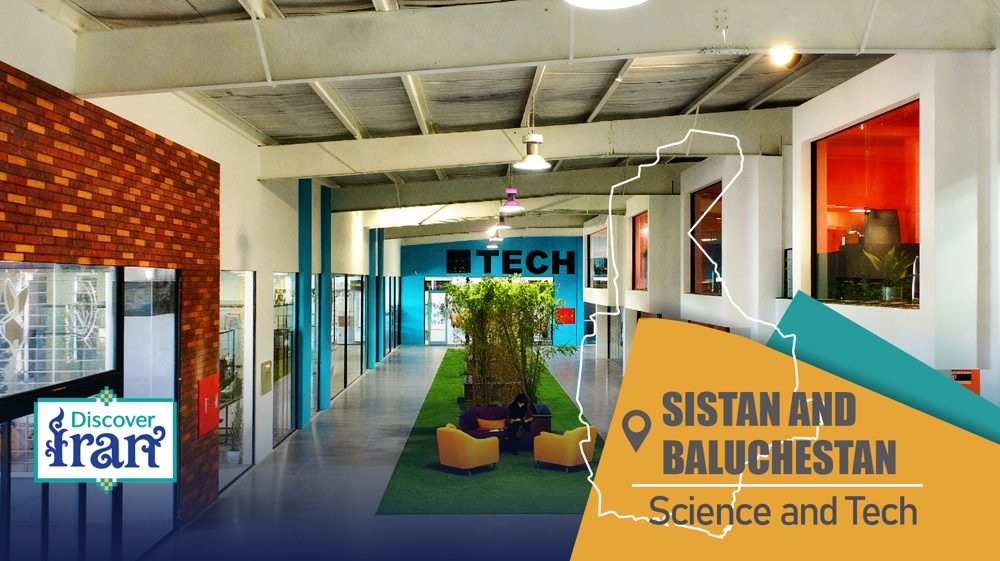
By Maryam Qarehgozlou
In a border province long associated with economic underdevelopment, a different narrative has emerged over the past decade – one defined by knowledge, technology, and measurable growth.
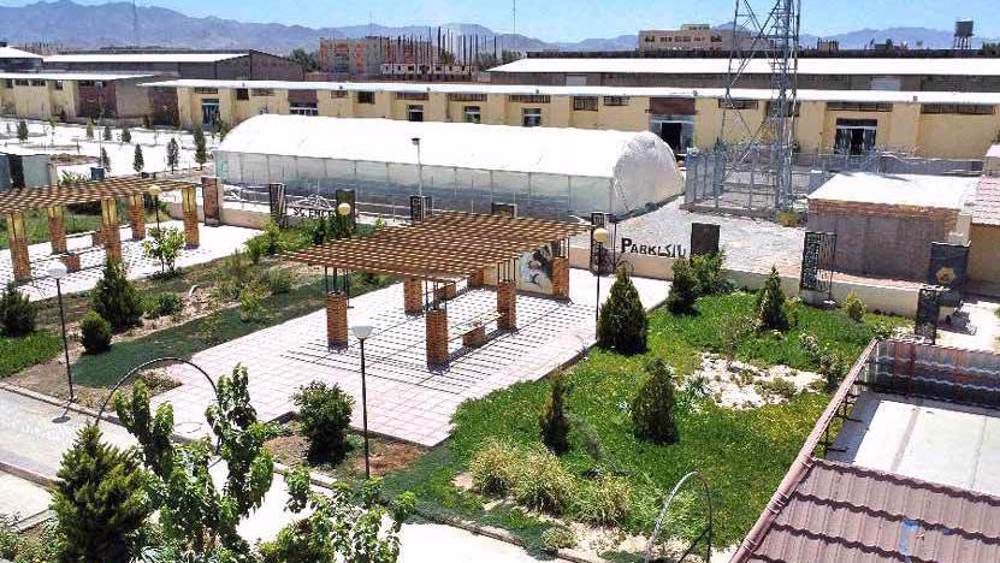
Established in 2012 (1391 in the Iranian calendar), the Sistan and Baluchestan Science and Technology Park (SBSTP) in the heart of the provincial capital has evolved into a central institutional force driving the province’s knowledge-based economy.
Today, the park hosts more than 300 technology and knowledge-based companies and has created over 1,700 direct jobs, positioning it as one of the region’s most significant engines of innovation-led employment.
Founded with a mandate to advance technological development, commercialize research, and strengthen university–industry collaboration across Sistan and Baluchestan Province, SBSTP has steadily expanded its role within the regional economy.
From around 2015 onward, the pace of infrastructure development accelerated markedly.
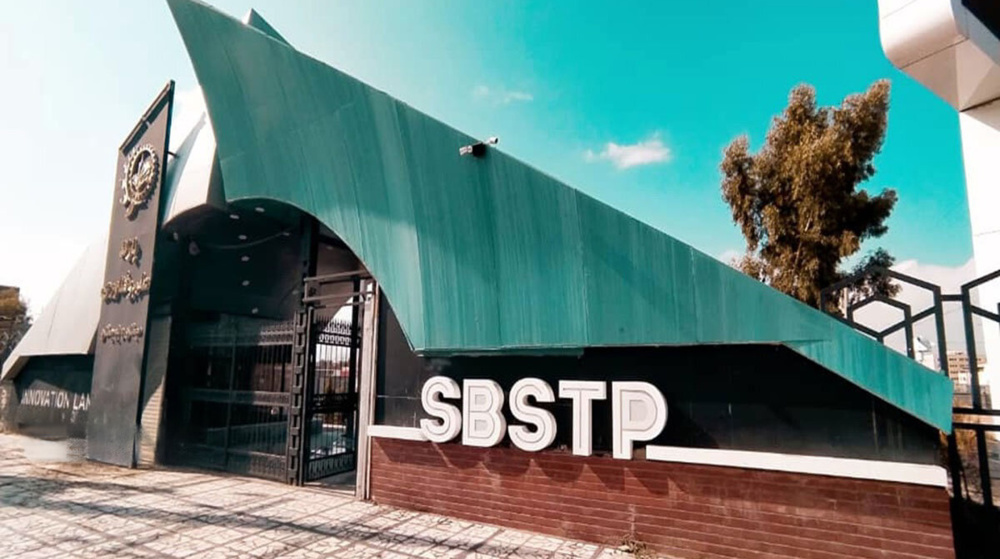
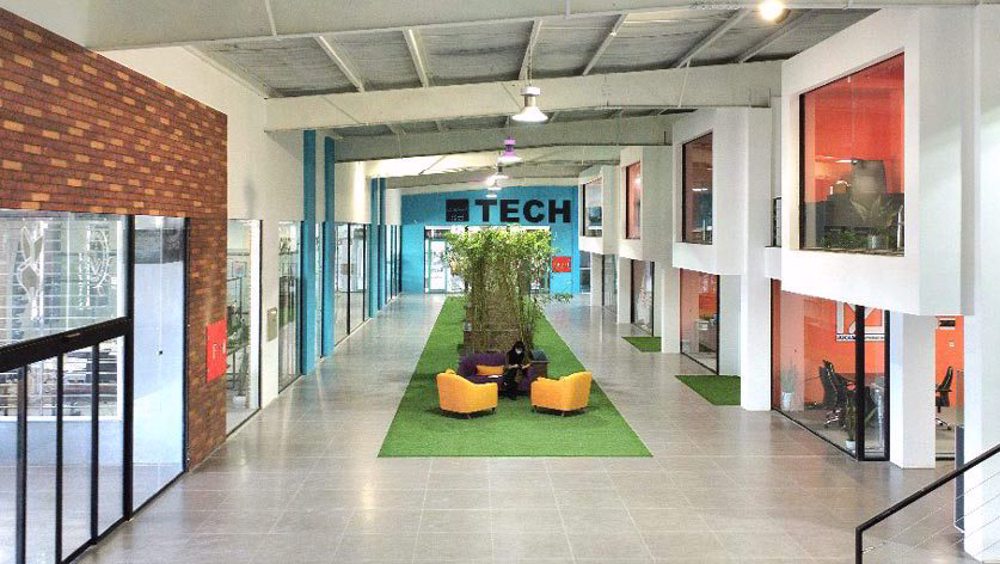
This expansion included the establishment of business incubators, innovation centers, dedicated company workspaces, and ultimately the launch of the Zahedan Innovation Factory.
This gradual yet sustained growth transformed the park from a primarily administrative structure into a fully operational innovation ecosystem, one that actively supports startups, research teams, and technology-driven firms.
Strategic fields of activity
SBSTP operates across several priority sectors aligned with the province’s regional capacities and economic potential.
These include renewable energy, particularly solar and wind, given local climate conditions, modern agriculture and the processing of tropical crops, the digital economy and information technology services, creative and cultural industries, as well as technology commercialization and business development services.
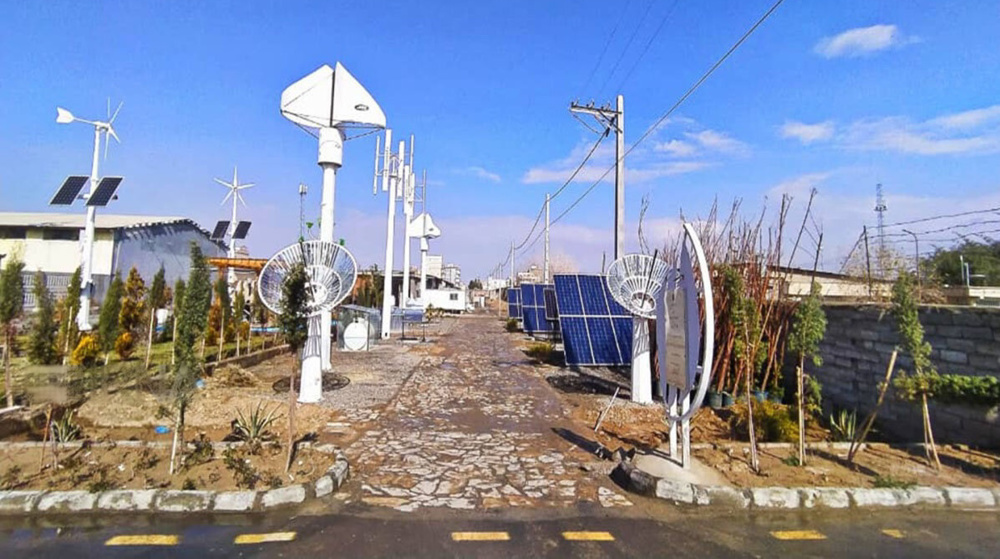
This diversified portfolio mitigates sector-specific risk while enabling the park to leverage the province’s comparative advantages.
300 companies and 1,700 jobs
According to official data, the park currently hosts more than 300 technology-oriented and knowledge-based companies. More significantly, these firms have generated over 1,700 direct jobs.
Given the typical staffing profile of early- and growth-stage technology companies, averaging five to six employees per firm, this employment figure aligns with the ecosystem’s overall structure.
The broader economic impact is likely greater. Indirect employment effects across supply chains, service providers, and supporting industries are expected to expand the park’s footprint, although no consolidated official estimate has yet been released.
In November 2024, Hossein Afshin, Iran’s Vice President for Science, Technology, and the Knowledge-Based Economy, described it as “the most advanced and best science and technology park in the country,” underscoring its growing national significance.
Focus on Artificial Intelligence
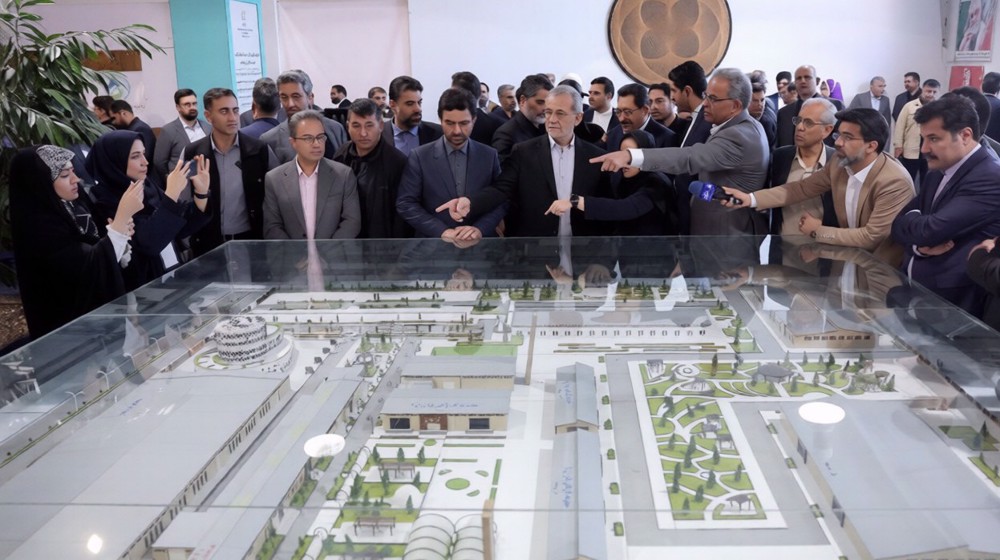
On February 8, coinciding with the 47th anniversary of the Islamic Revolution, the park inaugurated two major developments: the Rapid Prototyping Laboratory (Fab Lab) for artificial intelligence and information technology, and the third phase of the Zahedan Innovation Factory.
Habibollah Salarzehi, President of the park, stated that the Fab Lab marks the first specialized heavy-processing and AI technology development infrastructure in eastern Iran.
“Its objective is to support knowledge-based companies, startups, and technology teams active in data-driven and AI fields,” he explained.
At the same time, the park unveiled its Internal Generative AI Platform.
“This platform, developed entirely by specialists at the Sistan and Baluchestan Science and Technology Park, enables technology teams to design and deploy large language models (LLMs) and intelligent interactive tools without reliance on foreign services, while ensuring data privacy,” Salarzehi said.
He added that the platform, powered by advanced GPU servers and language models exceeding 120 billion parameters, offers capabilities such as internal communication protocols (APIs), access-level control, integration with organizational knowledge bases, resource monitoring, precise reporting, and user management.
The reference to 120 billion parameters positions the system among large-scale language models, which demand substantial computational infrastructure and GPU-based processing power.
Salarzehi emphasized: “The launch of this Fab Lab and national infrastructure is a major step in developing the province’s innovation ecosystem. It localizes heavy-processing technologies, accelerates intelligent product development, enables organizational pilot projects, and reduces R&D costs for knowledge-based companies.”
University-industry linkages
A core mandate of SBSTP is to forge structured connections between universities and industry.
The province is home to major higher education institutions in Zahedan, Zabol, and Chabahar.
Through the incubation of student-led technology initiatives, support for applied research theses, and the creation of specialized growth centers, the park seeks to translate academic research into market-ready products and services.
The Zahedan Innovation Factory functions as a physical hub for startups, providing legal, financial, and commercialization advisory services alongside a collaborative workspace.
Revenues generated
A precise financial valuation of the park’s economic output is not publicly available. However, with over 300 active firms and 1,700 direct employees, the ecosystem represents a substantial and expanding economic cluster within the province.
Even conservative revenue estimates per company suggest a cumulative annual turnover in the hundreds of billions of Iranian rials.
National standing
In national evaluations conducted by Iran’s Ministry of Science, SBSTP has been recognized among the country’s leading science parks, occasionally mentioned alongside established institutions such as the Sharif University of Technology Science and Technology Park.
The significance of this recognition is heightened by geography: Sistan and Baluchestan lies far from Iran’s primary industrial centers, making sustained, innovation-driven growth particularly remarkable.
Over time, the Sistan and Baluchestan Science and Technology Park has evolved from a primarily administrative entity into a fully functioning regional innovation infrastructure.
The combination of company growth, specialized employment, and advanced AI capabilities positions the park as a central pillar of eastern Iran’s emerging knowledge-based economy.

‘War criminal promotion tactics’: Adidas faces boycott calls over campaign featuring Israeli trooper
No grand strategy, no military solution: Analyst on US war on Iran

US Navy stretched thin in West Asia as Iranian strikes disrupt supply network: Probe



IRGC ballistic missile retaliation forces US aircraft carrier, destroyer to flee
VIDEO | ‘US escort a big lie’: IRGC unveils decisive targeting of non-compliant vessels in Strait of Hormuz
IRGC strikes 3 US-linked vessels, 3 trespassing oil tankers in retaliation for American attacks
VIDEO | Trump downplays costs, consequences of war on Iran
VIDEO | News Review: Trump downplays war on Iran, calling it 'small potatoes'
Iran condemns US attacks on oil tankers as violation of international law
VIDEO | News Review: US attacks Iran oil tankers
VIDEO | Nuclear madness: Who can stop Trump?


 PressTV NEWSLETTER
now
PressTV NEWSLETTER
now
 This makes it easy to access the Press TV website
