
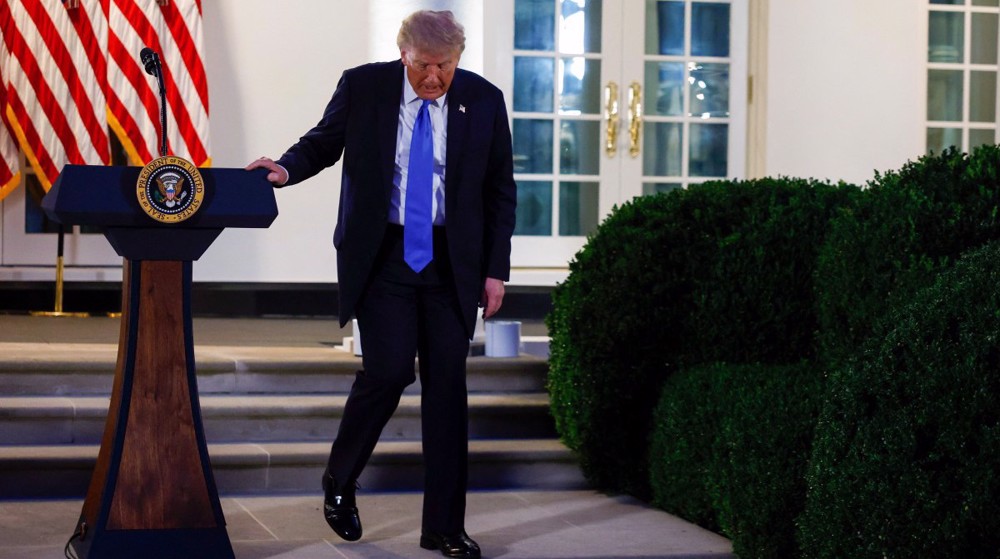
The United States has no clear strategy for its war of aggression against Iran and cannot achieve its objectives through military force, says an American analyst, noting that the war will ultimately strengthen Tehran’s regional position.
The US launched another round of illegal strikes against southern Iranian regions this week, killing more than a dozen people, including children.
Some have concluded that maybe they hope to partition Iran and just want the southern part, where the oil fields are located.
What do you think is the US grand strategy, taking into account the way it is targeting Iran?
Does anyone think they have a grand strategy? I don't think they have a grand strategy. I don't think anyone believes they have a grand strategy.
Some might say that they're doing shaping operations toward the south, if they're going to launch an invasion, a land invasion; I don't see how that would happen.
Nobody who knows anything about the military sees how that will happen.
We see that right now in the United States, the mood has gone very, very sour against the war, even among Trump's base, and a lot of that has to do with the fact that we're seeing some of some of the casualties of the war.
We're seeing some young people who have been killed in the war now, and that is the quickest way probably to turn Americans against it.
There's already sensitivity, of course, for casualties, but any kind of ground invasion, everyone understands, would lead to hundreds, if not thousands, of those. I don't see how that could possibly be in the cards.
I think the idea is just to bomb Iran until they do what Trump says. Well, that hasn't worked in the past, so I don't see how it can work in the present.
Daniel McAdams, Ron Paul Institute for Peace and Prosperity
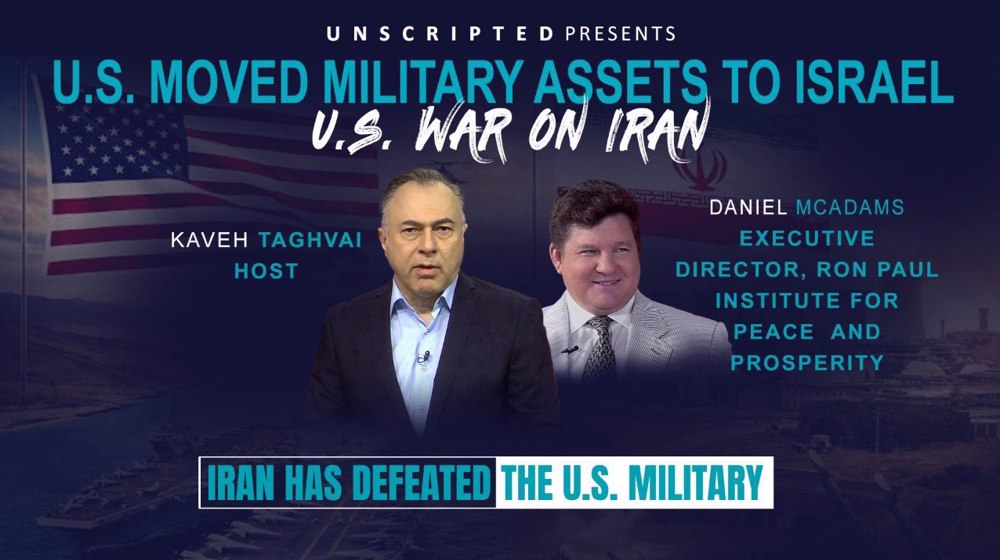
Well, when you talk about a ground invasion, and you also mix that in with how this war is so unfavorable when it comes to the general sentiment of the US. Of course, the casualties that have been announced officially at 4 up to this point, has turned the mood very sour.
But when you take a look, for example, the New York Times, which gives the total number killed to date at 18, with 447 wounded, so the real toll could be higher.
Would you say that the US is hiding some of these numbers, because, from what we understand US Central Command usually provides periodic updates on injuries, but it has not been doing so regularly in this instance.
And we know that it's customary when we look at the Israeli regime, for example, for them to not announce their deaths, not announce all the injuries, and hide the numbers in some respects.
Well, there's a huge sensitivity to this, and a lot of people do believe that they're hiding the numbers of dead.
But certainly, even just when you look at close to 500 injured, you know some of these are probably the majorities with very serious injuries.
You have traumatic brain injuries, you have all sorts of life-altering injuries that these people will have, and so even though they haven't lost their lives, they're going to be dealing for the rest of their lives with very, very serious injuries.
I do think there's very good evidence that the US is suppressing the numbers of dead soldiers. We've seen some serious strikes in places like Jordan in sleeping quarters. It's in their interest probably to hide these.
But you're absolutely right. I mean, every war that I've watched since I've been watching them for 30 some years, you would get a Pentagon briefing every morning. That was just a natural thing, from what I understand The Pentagon has not given a proper briefing since May, so we're now 11 days into this third round of war with the US war with Iran, and we haven't had a single Pentagon briefing.
We don't know anything that's happening, and it's very unusual, to say the least, to not hear anything from the administration.
Daniel McAdams, Ron Paul Institute for Peace and Prosperity
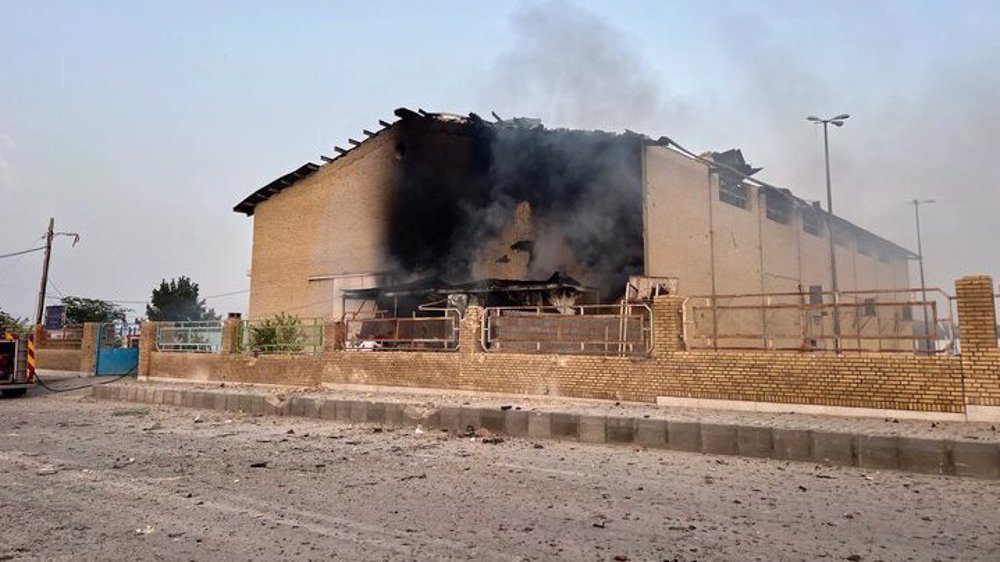
It has been said that the PrSM, (precision strike missile), was used on February 28, in the operation called Epic Fury. It's a new missile used to replace the ATACMs, which has double the range and can fit two of these missiles in a launcher, compared to the ATACMs.
Now, what's worrying and alarming about this is that this is double the range, which is not permitted under the INF, the Intermediate Range Nuclear Forces Treaty.
President Donald Trump announced on 20 October 2018 that he was withdrawing the US from the treaty.
Under the INF the US was not permitted to manufacture PRSM by Lockheed Martin, but then when you dig a little bit deeper, this is a pretty potent type of missile, and it has been used for the first time in this war theater.
The destruction is pretty wild in the way that some have described it, just to kill humans, not to really do that much destruction per se.
Are we looking at a scenario where the US approach is kind of like the Israeli approach towards the Gaza Strip, for example? They introduce new missiles. They try it out to see how they function, which leads to deaths and destruction.
Is that the approach that we're looking at considering the fact that PrSM has been used now for the first time in the illegal aggression against Iran?
I think across the board we see the US adopting Israeli tactics, you know, in warfare and even at home, to the point now where we have a national defense authorization bill through the United States, which will actually physically integrate the Israeli military, the IDF [sic], into the US military, into the Pentagon.
So there's no point in even hiding it any further.
And of course, the reason for that is that the United States, the citizens of the United States, have turned completely against Israel.
Even among Republicans, the plurality of American voters is opposed to any more military aid to Israel.
And if you go into sort of Democratic voters, it's up there in the 70 and 80 percent of those who oppose it.
So they've had to hide this integration in a bill, it shows desperation.
But the tactics, of course, the US is using are becoming increasingly similar to the way the Israelis behave during war, including, you know, the attack on non-military targets.
You have infrastructure. That's of course one of the things that the Israelis have done to Gaza make it unlivable.
That's what the Israelis are doing in Lebanon at the moment. Make the southern part of Lebanon unlivable.
That seems to be the tactic that the US is using in Iran as well.
Daniel McAdams, Ron Paul Institute for Peace and Prosperity
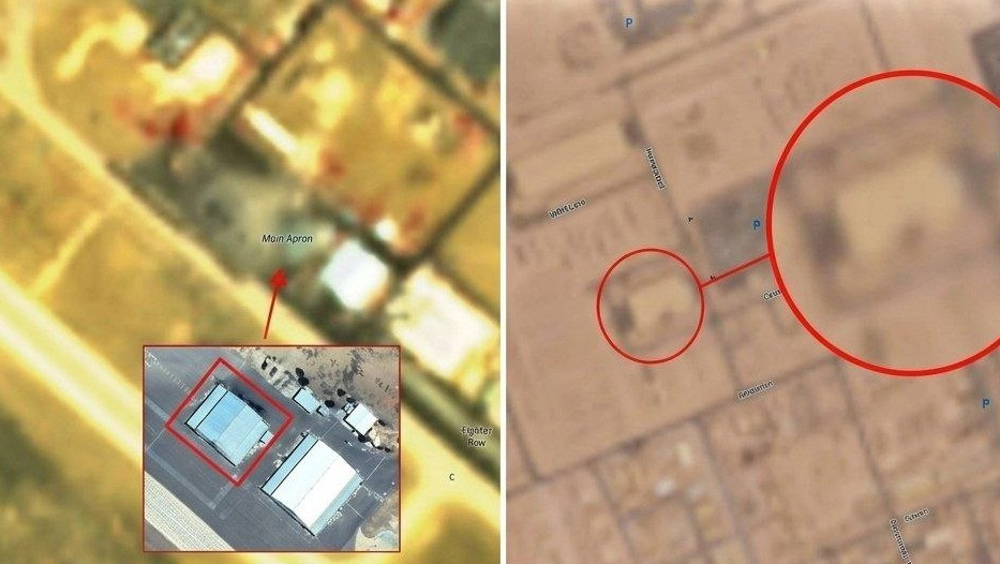
Examining the way that Iran has targeted some of the countries in West Asia, which many have criticized Iran for, but Iran obviously sees this in terms of the US bases that are in these countries being used against it, as an existential threat, and we are seeing that the precision of these target acquisitions are increasing and the success rate is also increasing and is pretty high.
We can mention US-run bases in Jordan, Bahrain, or Kuwait in particular, that have been hit a number of times. The radar installations, for example, have been one of the focuses of Iran's military.
Given that, we're looking at an accumulation of refueling aircraft in the occupied territories, which Israel is actually allowing.
So there's an accumulation of the US refueling fleet in Israel. So far, I think 100 have been sighted, which is one quarter to 1/3 of its entire aerial refueling fleet.
Since Iran is targeting US interests, do you think that there is a possibility of Iran targeting Israel?
Well, the Israeli extremist Shmotrich recently himself said that he's very happy with the way things are going. The Israelis are sitting around not doing anything, and the Americans are doing all the attacks. The Americans are fighting and dying for the benefit of Israel, and he thinks that's a great situation.
I think probably the majority of those in power in Israel would agree with him. They have the US literally doing their fighting and dying for them, and you know that is certainly something that they're very happy with. They're not going to be involved.
I think, as far as the Iranian strategy, what it appears to me, and of course I don't know, but it appears to me at least, and to many other analysts, to be that the first goal is to blind the United States. But I think they've done a very good job knocking out the radars.
I think just the other day there was a new one that was hit, blinding the United States, forcing them to pull back further and further. They pulled out of the bases.
I mean, could you imagine being a US military person at a base in Bahrain or Qatar? Of course not it’s a disaster. So they've had to pull them out.
They basically pulled everything, as you mentioned, and have concentrated it on Israeli territory, and even the Israelis are nervous.
The transportation minister of Israel, a few days ago, said you can't bring any more planes in here. You're taking up the whole airport. There's no more room. There's no room in the inn, you know. And but they're still concentrating there.
I think it's probably wise if I were looking at it objectively for the Iranians to prioritize these other things before they prioritize reopening another front with Israel.
But if that does happen, then certainly the US will be in an untenable situation because they won't even be safe. They won't even be safe with their refueling jets, with the refueling planes there, and other equipment in Israel either.
So, Iran has demonstrated very clearly, both last June and in the 40-day war, that it has the capability of hitting Israel repeatedly.
The Iron Dome, the US Patriot missiles, have not shown themselves to be very effective against Iranian strikes, so you know maybe they're saving it for the main course.
But you certainly see a huge concentration of US military equipment in Israel now.
Daniel McAdams, Ron Paul Institute for Peace and Prosperity
We're trying to be very objective here inside the Islamic Republic in terms of how we are viewing the way that this illegal aggression is unfolding, and I'm talking about the military achievements.
We're trying to really look at it objectively to see who's really edging the other out, who's winning, in other words.
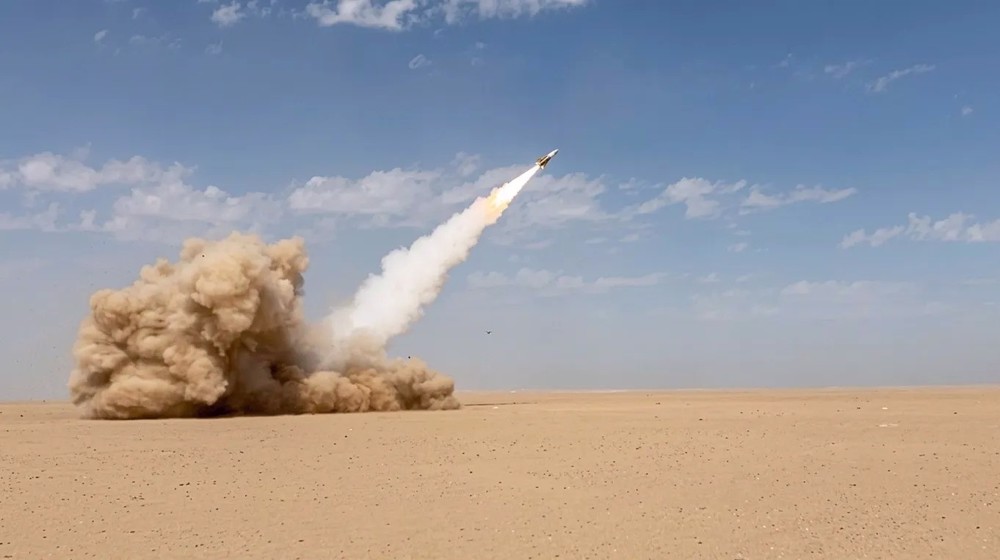
Brigadier General Abolfazl Shekarchi has stated that the US has used all the weapons it had set aside for World War III, yet Iran never stopped the mass production of its missiles.
The large US data center, that's been used for the past 20 or 30 years, with investment by Europe, Israel and the US, located in the UAE to control the region, has now been destroyed.
Give us your take on what that in particular means and whether we are really looking at Iran having a military edge over the US.
Well, I think it's obvious; the Iranians have the home field advantage. You know, we're 6000 miles away from the US. We've actually even demonstrated that naval power is useless in this war.
I don't think the two carrier groups have been able to get closer than 700 miles to the Iranian shore. It's completely useless.
They can launch missiles, of course, but they're certainly still sitting targets even at 700 miles away, for some of the Iranian weapons.
The fact is that there is no military solution to this and that should have been understood early on.
But unfortunately, instead of listening to his own intelligence community, President Trump listened to Benjamin Netanyahu, who has been talking to every US president since the 1990s when he first came to power to try to encourage them to attack Iran, and none of them, until President Trump, have been stupid enough to make to make the move.
President Trump has proven himself to be gullible to the wiles of the Israeli government, and you ask why?
Well, look at who financed his campaign: a woman born in Tel Aviv, who gave him $200 million, Mary Madelson, who just smiled when President Trump said he believes her first loyalty may well be to Israel rather than the US and she just smiled.
The fact of the matter is, there is no military solution. The Iranians are not about to hold up their hands and surrender-that should have been understood. I'm sure there are plenty of people in our own Pentagon, there are plenty of people in our own CIA, who understood this, who probably tried to get President Trump to understand this, but of course he didn't want to listen.
What did President Trump say last June, when then Director of National Intelligence, Tulsi Gabbard, came before Congress and said, "We continue to assess that Iran is not pursuing a nuclear weapon". President Trump said, "I don't care what she says. I think they are".
And where did he get that from? He got that from Netanyahu and the Mossad, who was there on January the 11th to give to sell him a bill of goods, a pack of lies to get him to attack, which he did then on the 28th of February.
So he's not listening to his own people. He's not listening to his own experts. He's listening to sycophants and he's listening to people in his administration who are Israel first not America first.
Daniel McAdams, Ron Paul Institute for Peace and Prosperity
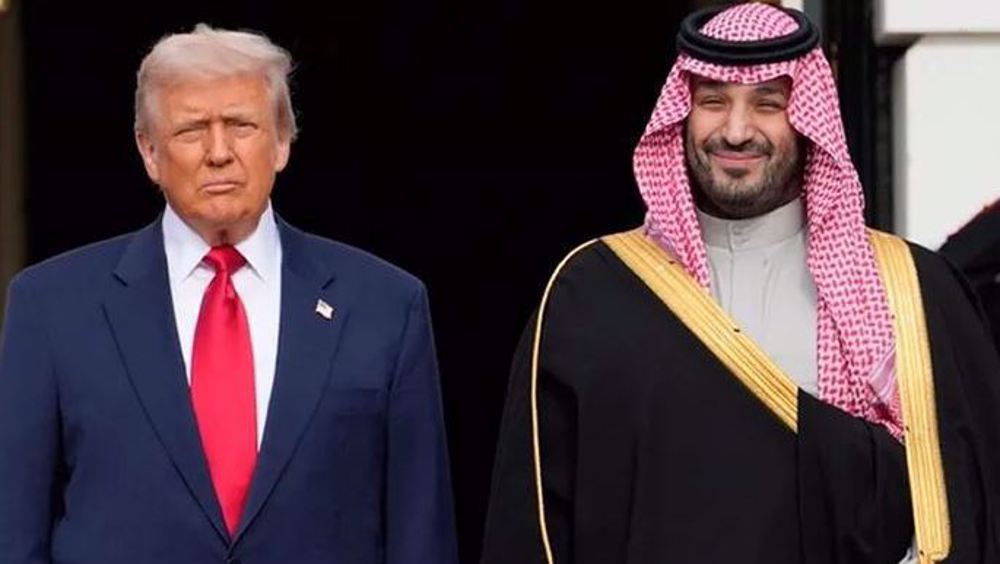
The Saudis and the US have reached a deal for enriching uranium; Trump has actually approved this agreement to help Saudi Arabia make fuel for civilian reactors, without the impediment of Nuclear Inspections, which paves the way for nuclear weapons.
Why do you think that this has now been put into high gear and what message is that sending? Undoubtedly Israel is not too happy about this, but at the same time, the US obviously has its motives.
Might they be trying to send a message to Iran saying, 'Listen, if you come to our camp, we could do that for you, we could build a civilian nuclear program for you', even though Iran already has a civilian nuclear program?
Why do you think this is happening at this juncture in time?
Well, anyone in Iran who's tempted by that sort of deal with the devil, all you have to do is call up any Libyan, call up any Syrian, call up anyone else in the region, an Iraqi, and ask them how does the US help you, as they promised to do? They help you by destroying your country.
So obviously, that's not something that I would bet any money on.
I think one of the reasons why the US would give the green light, and I don't know, obviously I'm speculating, is that the US has shown itself to be completely impotent in the region.
The entire deal since the oil crisis of the 1970s, was 'we will protect you, Middle East, and you continue using the dollar for the petroleum industry', and that sort of deal has lasted for 50 years, and it had never been really tested until last June, and it was shown, particularly now, that the U.S. cannot protect Saudi Arabia, cannot protect Qatar, cannot protect the UAE, cannot protect Bahrain.
So it's a sort of a toothless giant that's there, and I think the US is doing whatever it can to try to sweeten the pot, to try to appeal to these countries. 'Hey, let's not notice the obvious, which is that the deal, the basis of our deal, the basis of our relationship for all these decades, is now completely undermined. Here are some other goodies we can give you'.
Because ultimately, when everything shakes out in the region, it's going to be Iran in a much better position than it's ever been, and Iran is going to be a major player in that part of Western Asia, and the other countries are going to have to find a way to make some sort of an accommodation with Iran.
The US is doing everything it can to prevent that from happening, but ultimately that will be the case.
This war will end. Americans have turned against it. A new poll came out showing that even President Trump's MAGA base; the majority of them now believe that their higher oil prices are because of the Iran War. They're angry with the president.
He's lost, I think, some 13 percentage points. He had just over 50 percent were in favor of the war in May.
It's clear when the smoke clears in this part of Western Asia that Iran will emerge with power and leverage that it has not had in the past.
It's shown itself to be willing to wield that power, and the rest of the countries in the region are going to have to find a way to make accommodations with Iran.
The US will go home, the US always goes home. There is no military solution to this problem; the American people are turning against it.
Even Trump's MAGA base has turned against it. He's lost 13 percentage points, according to a new poll that just came out, among his MAGA base, starting from over 50 percent approval for this war in May, and now down in the low 30s at this point, the war is incredibly unpopular.
We have midterm elections coming up in the US
So the other countries in the region are going to have to make accommodations.
The world has changed probably as significantly as in 1989 when the Berlin Wall came down.
Daniel McAdams, Ron Paul Institute for Peace and Prosperity
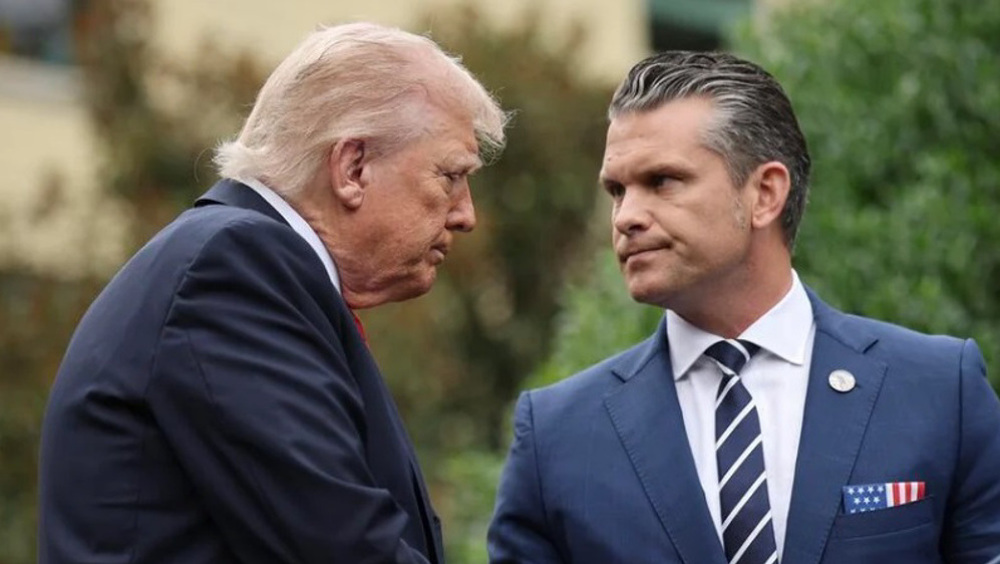
Trump posted one of these polls where it showed an overwhelming majority of Americans, over 60 percent, did not approve of this war. Could this cost him the midterms?
In a recent White House briefing to reporters, he said that he doesn't care about the midterms. If he loses the midterms, would it mean that he could not continue his war?
Well, I mean, he's like a child who says 'I don't want to play with you anyway', that's essentially how he's behaved.
The poll that he posted, interestingly enough, it showed that the vast majority of Americans were in favor of a peace deal. They were in favor of the MOU.
I don't know why he posted it? Maybe he was confused, but basically, he's the one who ripped up the MOU, and then he posts this thing showing that most Americans supported it. It was very strange.
The Democrats are undergoing a transformation within their party as well. You have the old guard Democrats who are just as pro-Israel as the Republicans.
Their election campaigns are paid for by AIPAC just as much as the Republicans. But you're seeing an insurgency of young, very more progressive Democrats who are winning primary after primary in the United States, from Colorado to New York and elsewhere, and they have explicitly pledged to not take AIPAC money. They're opposed to this war.
Now it's not anything like a majority now, but it's a trend that cannot be taken for granted. And I think that's why you're seeing; actually, for the first time in my lifetime, you're seeing even some more mainline Democrats saying 'we don't want AIPAC money. We're opposed to taking AIPAC money', so although I hesitate to be optimistic about getting my country back from a foreign power, the trends are definitely in that direction.
So, if the Democrats do win the midterms, then you may see them developing a backbone or a spine and looking to impeach the president for any number of things that he's done, possibly starting the war without congressional authorization, but also possibly something like corruption, because we've all seen and it's been reported how the president and members of his family have profited enormously from this war.
How within the White House there are basically bets on the financial markets taking place based on insider information.
So there are plenty of ways they can go at the president, but he's not going to have a very productive two years if the Republicans lose either the House or the Senate, or both.
Daniel McAdams, Ron Paul Institute for Peace and Prosperity
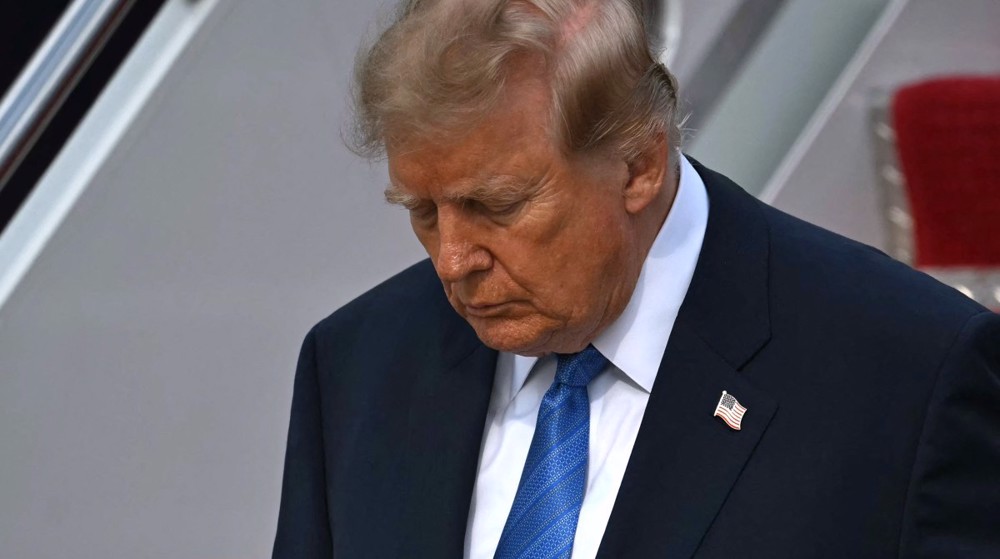
Is it true that Trump actually says that if you want to find out what he is going to be saying in a press conference or in a public speech, you could have that added advantage in a matter of seconds, but you have to subscribe, and it's about 10,000 or 100,000 dollars.
Is he really going to make money by selling insider information like that?
That's what I've seen, and it's absolutely shameless, it's a disgrace to this country.
But apparently, he's offering... you get the information from his Truth Social a few microseconds before it's released to the public, and I'm certainly not an expert trader, If I was [sic] I probably would be wealthier, but I guess that would be an enormous advantage to people.
So the idea that if you pay $100,000 a month, you can make millions of dollars on this insider information, it's the most embarrassing ... thing that you can imagine, and that certainly could be something that could be used against him in the future if there is a trial.
The previous impeachments of President Trump have been completely bogus and on ridiculous charges now we're actually seeing some things that could have some teeth in them.
Daniel McAdams, Ron Paul Institute for Peace and Prosperity
The big question here inside Iran, and perhaps around the world, is when is this war going to end?
Some inside Iran are critical of the fact that Iran actually went to the negotiating table after being bombed on a number of occasions while they were negotiating, they're saying that Iran needs to further pursue its military options.
When would the US feel that enough is enough in order for both sides to go back to the MOU?
Well, the problem that we're facing now is that the US appears agreement incapable. You know, I mean, literally before the ink dried on the MOU, President Trump started violating it.
Everything that he's done has violated what he said he'll do.
So, if I'm Iran and I'm going to negotiate with the United States, how, and on what basis can I make an agreement? Because the next day they could tear it up. That's a huge problem.
The US credibility, unfortunately, the credibility of the US government is completely in tatters because it's not keeping its word.
President Trump is lying through his teeth every single day, and it's a disgrace. He's lying about the Iranians begging him for discussions, begging him for a deal, and everyone knows it's a lie now. It's not even funny because he said it 40 times, and it's not true.
If I were an Iranian who was going to sit down with the US I would say, "Well, what guarantee do I have that anything you say you'll honor because you don't seem to have any honor".
And as an American, I can say that it's very troubling to me. It's very sad to see my own country, the leadership of my own country, seemingly have no honor, no ability to keep a deal. It’s disgraceful.
Daniel McAdams, Ron Paul Institute for Peace and Prosperity
The decision taken by the Ansarullah movement of Yemen to place a naval blockade against Saudi Arabia: What impact is that going to have on the US war against Iran and do you think that the world can sustain another major shipping route to be closed?
The first thing that you'll notice is, as I understand it, about 7 million less barrels a day will be entering the global market, and that's significant because that will be an additional strain on the world oil market.
As you are aware there's been an agreement over the past few months among countries to draw down from their petroleum reserves.
Now the well is running dry in the United States. We're at absolutely critical levels in our strategic petroleum reserve. I think we're down to levels that we have not seen since the early 1980s.
So what will the effect be of Yemen stepping in? Well, it's a very opportune time now to apply additional pressure because you're going to see several million less barrels of oil in the global market right now.
The US is now starting to get hit again, prices are rising, and you’re starting to see some shortages of diesel. So with that happening and with some countries that have been drawing from their reserves now going back to purchasing on the market.
I'm thinking specifically of China now; and with the US strategic petroleum reserve at almost the bottom of the barrel at levels not seen since the early 80s, the pressure is building now.
So taking the additional barrels of oil off the market will be significant.
Now President Trump has threatened. "I'll bomb them again if I need to". Well, you tried that and it didn't work very well, and you had to walk away. So the question is, to what effect?
You know, Yemen is not intimidated by the US military. They've shown themselves to be very fierce fighters.
So it's a serious pressure point now for the US that Yemen has started, that the Ansarullah movement has started the fight.
Daniel McAdams, Ron Paul Institute for Peace and Prosperity
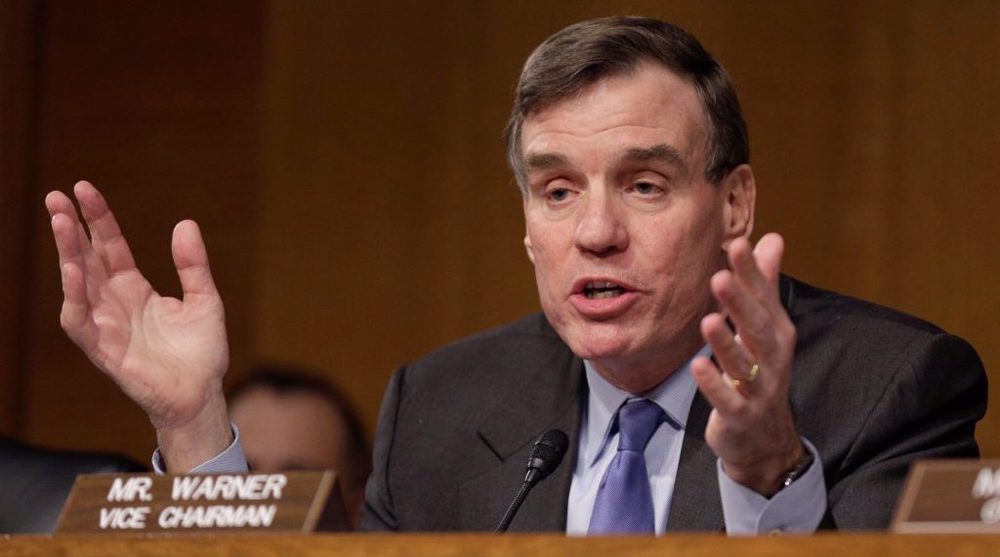
Well, you have the US president pushing and now it's been accepted by Ahmed al-Sharaa, to basically target Hezbollah.
Now, this is very interesting because the US president said that Israel is not doing a good job of taking out Hezbollah, so to speak.
But Ahmed al-Sharaa doesn't control all of the Syrian army; he controls maybe up to 70% of it. Has the US president thought this through?
If Ahmed al-Sharaa goes into Lebanon and tries to militarily confront Hezbollah, and if he loses, then that is not going to be a favorable outcome.
It is doubtful that Israel wants that eventuality because it wants to have Syria as it is since it pretty much does what it wants inside Syria, doesn't it?
That's absolutely the case. And to your question, has the president thought this through? The answer is no. He hasn't thought anything through. I think a lot of it's based on his personal relationship with Jolani.
He thinks he's a good, tough guy, and he's a heavy fighter, a good fighter. And I think he thinks that you know he can get the job done.
You know, Israel has not been able to disarm Hamas. Now, even all of these years later, the idea that Syria will be able to disarm Hezbollah is a fantasy that's absolutely untrue.
You'll see Lebanon in a civil war before that happens. The government itself is already teetering. It's already weakened, so the idea that Jolani is going to come in and clean things out in Lebanon is absolutely absurd.
Daniel McAdams, Ron Paul Institute for Peace and Prosperity
Things do not look too good for the US, however, whether Iran really is beating the US to the degrees that some have put it, both from within Iran and outside of Iran, remains to be seen.
 This makes it easy to access the Press TV website