Discover Iran: Hormozgan, home to the last lenj boatbuilders of Persian Gulf
By Mohammad Ali Haqshenas
- Hormozgan’s coastal communities still handcraft wooden lenj boats, preserving centuries-old maritime knowledge, identity, and ties to the Persian Gulf.
- UNESCO recognized Iranian lenj boatbuilding as endangered intangible heritage, warning modernization and economic pressures threaten its survival nationwide.
- Fiberglass vessels, rising costs, and aging artisans endanger lenj traditions as younger generations abandon crafts for urban livelihoods.
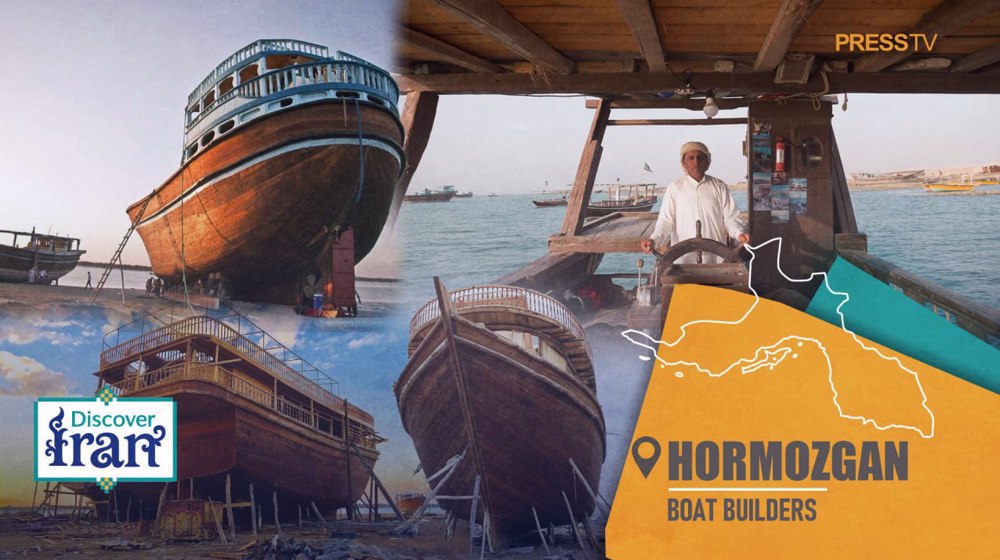
Along the picturesque shores of Persian Gulf in southern Iran’s Hormozgan province, craftsmen still shape wooden lenj boats by hand, keeping alive a maritime tradition that has connected coastal communities to the sea for centuries.
On the salty breeze that sweeps across the country’s southernmost shores, the rhythmic scrape of axe on timber still echoes in scattered coastal villages of the province.
Here, the sea has shaped livelihoods for generations, and from its tides emerged the lenj—a wooden sailing vessel once ubiquitous across the Persian Gulf.
Though today these boats are rare, the memories of their construction and navigation resonate among the aging artisans who built them by hand.
These traditions were recognized by UNESCO in 2011, when the traditional skills of building and sailing Iranian lenj boats in the Persian Gulf were inscribed on the List of Intangible Cultural Heritage in Need of Urgent Safeguarding.
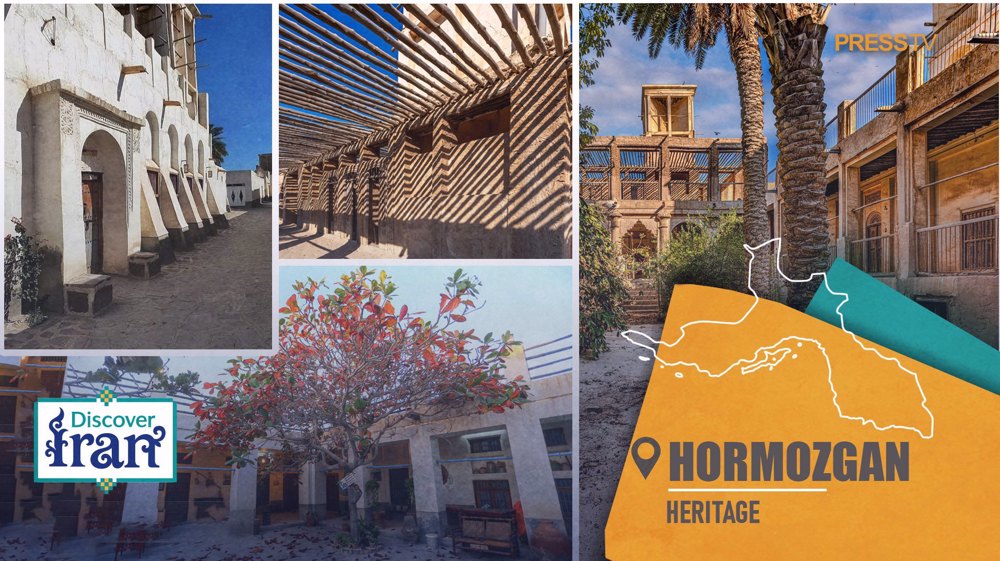
Hormozgan’s coastline—sprawling from the port town of Bandar Abbas to the islands of Qeshm and Hormuz—is a palette of sunbaked villages, palm groves, and turquoise water. In places like Laft and Kong, centuries of maritime life are inscribed in weathered stone homes and low, flat dockyards where boats are nurtured like living things.
Qeshm Island, the Persian Gulf's largest, sits astride ancient sea routes linking the Arabian Peninsula to the Indian subcontinent.
For much of Iran’s recorded history, it was here that sailors, traders, and fishermen made their lives by mastering wind, water, and wood.
A vessel born of wood and art
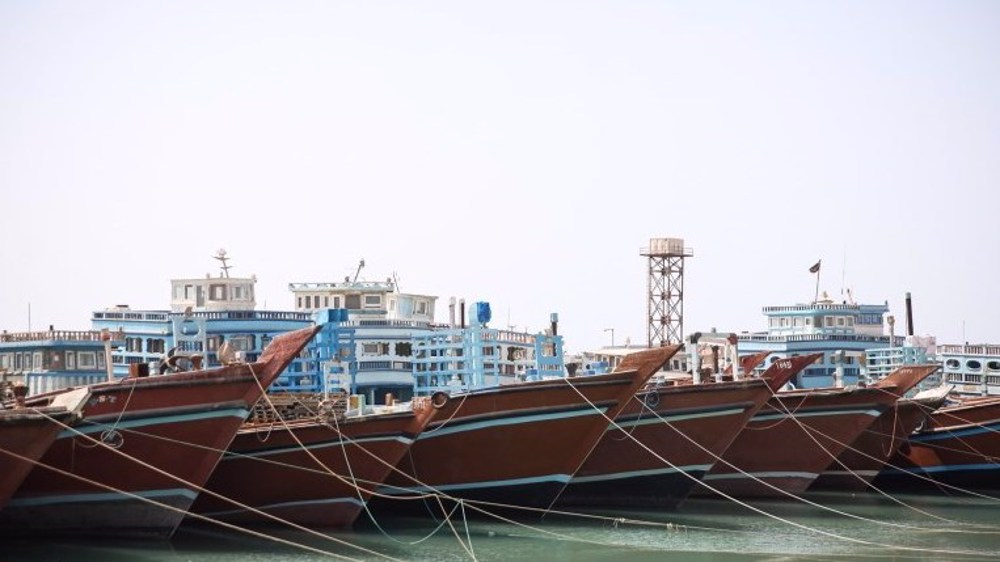
The lenj is a traditional sailing craft—distinctive for its sweeping hull and tall rigging—that once dominated the Persian Gulf’s waters.
Built entirely by hand, without formal blueprints or machine tools, each vessel embodies a body of knowledge transmitted through close apprenticeship and oral teaching.
Builders, known locally as galaf, learn by observing elders, memorizing the proportions, and mastering the subtleties of wood selection, bending, and joinery.
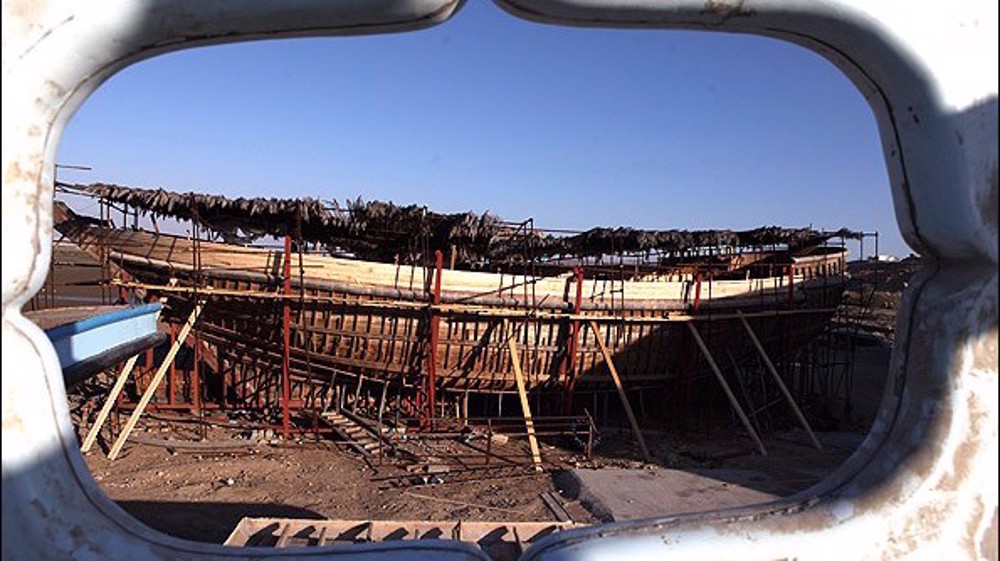
The construction begins with the keel, laid out directly on the sand or in simple boat yards, shaped to balance buoyancy and load capacity.
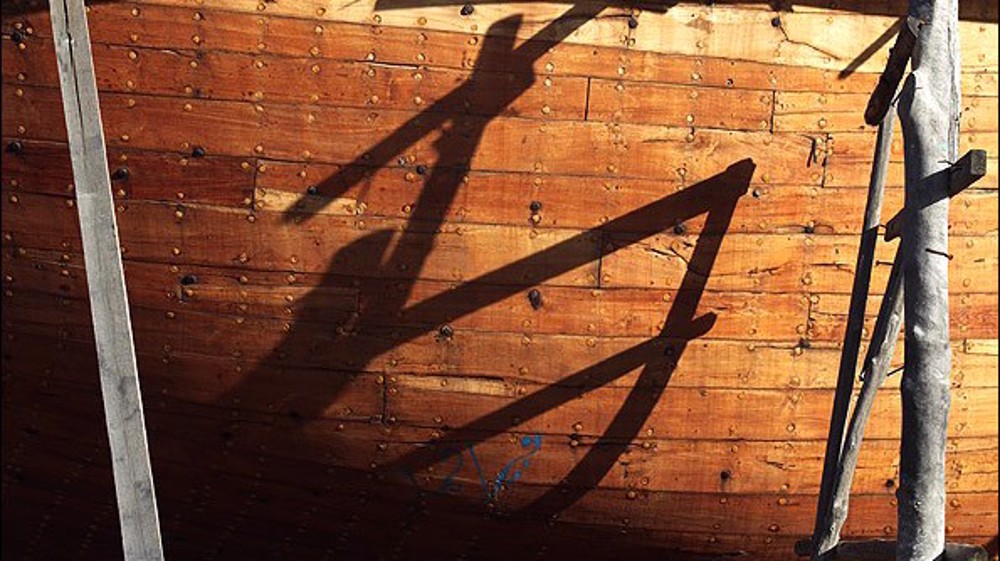
Planks are heated and steamed to bend just right; seams are sealed with natural resins and cotton fibers to guard against the corrosive saltwater lap of the Persian Gulf.
Traditionally, only a handful of seasoned workers labored on a lenj, often taking months or even years to complete a vessel, depending on size and conditions.
The craft is woven into performance—song, rhythm, and community work bonded the builders and sailors to their task. Workers once sang specific chants during construction and launch, reinforcing group identity and passing subtle cues from master to apprentice.
For centuries, lenj boats were indispensable to the economic and cultural life of southern Iran’s coastal communities. They carried fishermen into deep waters where tuna and other reef fish abounded.
Traveling across the waves, lenjes transported dates, woven textiles, and other goods to ports in the southern coasts of the Persian Gulf and also to East Africa and the Indian subcontinent.
Some were used in the once-vibrant pearling industry—a grueling enterprise that demanded endurance, skill, and an intimate understanding of wind and current.
What set these sailors apart was not only physical strength but an encyclopedic command of the winds and stars. Before modern navigation tools, captains calculated latitude and longitude using the positions of the sun and stars.
A rich environmental literacy—colour of the water, shape of clouds, even the pitch of bird calls—guided voyages across hundreds of miles.
A tradition at risk
Despite the lenj’s historical centrality, the tradition is under threat. In the latter half of the 20th century, the arrival of fiberglass boats brought cheaper and faster options for fishermen and traders.
Wooden lenjes became costly to build and maintain, not least because of rising wood prices and diminishing numbers of skilled builders. Workshops that once rang with tools now stand almost quiet or are repurposed to repair older boats.
Demographic shifts compound the challenge: younger generations, lured by urban jobs and modern amenities, are less inclined to learn an arduous craft whose economic future is uncertain.
The community of lenj practitioners today is small and ageing, with much of the embodied knowledge still held by elders.
In recognition of this fragile inheritance, Iran nominated the tradition for UNESCO’s Urgent Safeguarding List in 2011.
The Intergovernmental Committee noted that the craft “requires a broad set of skills” and contributes to community identity, but also warned that economic changes and modern technologies threaten its viability.
Safeguarding measures submitted with the nomination included capacity-building programmes to strengthen artisans’ skills.
Preservation efforts
UNESCO listing brought domestic and international attention. Local activists, cultural organizations, and some authorities have since sought to keep the craft alive through workshops, exhibitions, and documentary projects aimed at younger audiences.
Others see opportunities in cultural tourism, inviting visitors to observe lenj construction as part of a broader narrative about Iran’s maritime past.
The centuries-old craft of building the lenj shaped more than boats; it gave rise to a maritime culture in which these wooden vessels became the lifeline of coastal communities.
Their presence echoes through local music, sea chants, and oral storytelling that once accompanied long voyages and communal labor on the shore.
Today, as the number of working lenj boats declines, these cultural expressions have taken on renewed importance, offering younger generations a way to reconnect with the knowledge, values, and identity tied to the sea.
Discover Iran: Tabriz’s extraordinary architectural legacy through royal palaces, merchant mansions
Discover Iran: Tabriz’s ‘Mausoleum of Poets,’ where centuries of Persian literary history live on
Discover Iran: Tabriz, where Iran’s Silk Road legacy meets industry, trade and a new economic future



‘Iron shield’: Knowledge, morality will ‘cut off’ hands of aggressors, Leader tells students
‘National dignity is our red line’: Iranian advisor warns enemies
Republican support for Trump’s war on Iran erodes amid deepening party divisions: Poll
‘New tactics’ will crush any future aggression, Iran’s Army warns
Israel, US repeat Saddam’s miscalculation about Iran: Expediency Council chief
VIDEO | Ayatollah Khamenei and eight years of imposed war
Trump can’t impose his power on Iran; we can withstand any war: Parliament speaker
VIDEO | Israeli attacks escalate in Lebanon as US-brokered deal yields only concessions: Press TV reporter





 PressTV NEWSLETTER
now
PressTV NEWSLETTER
now
 This makes it easy to access the Press TV website
