Discover Iran: From red earth and blue seas to green forests – natural wonders of Hormozgan
By Maryam Qarehgozlou
Situated along Iran’s southern edge, Hormozgan province is known for its extraordinary natural diversity. Within a relatively compact area, it encompasses arid deserts, salt flats, mangrove forests, coral reefs, and vividly colored, mineral-rich soils.
This striking convergence of landscapes – rigid yet breathtaking – offers a rare insight into the resilience and variety of southern Iran’s environment and highlights the coastal region’s immense potential for sustainable and nature-based tourism.
Arid deserts
Large parts of Hormozgan’s interior areas, along with several of its stunning islands, are characterized by arid, low-rainfall deserts. Expansive sand dunes, rocky plains, and open horizons form a stark yet visually compelling landscape.
The profound silence, intense sunlight, and endless vistas make these deserts ideal for photography, stargazing, and adventure tourism.
Visitors often find the desert’s extremes both challenging and invigorating, offering experiences such as camel trekking, off-road exploration, and camping beneath star-filled skies.
The dramatic juxtaposition of desert landscapes alongside the sea creates an experience rarely seen elsewhere in such pristine glory.
These landscapes can be explored in the central and northern regions of Hormozgan province, as well as on Qeshm Island, particularly around Chahkooh Canyon and the island’s western plains, and on Hormuz Island, where arid hills descend directly into the waters of the Persian Gulf.
Salt flats
Salt flats, scattered throughout the province’s coastal and island regions, are another defining feature of its picturesque landscape.
Formed by the natural evaporation of seawater under arid climatic conditions, these luminous, reflective plains shift in color and texture over the course of the day.
Sunlight glinting off their pale surfaces produces surreal, almost otherworldly vistas.
These expansive salt fields provide ideal settings for photography, painting, and educational excursions, offering visitors insight into the geological processes that shape such distinctive and fragile environments.
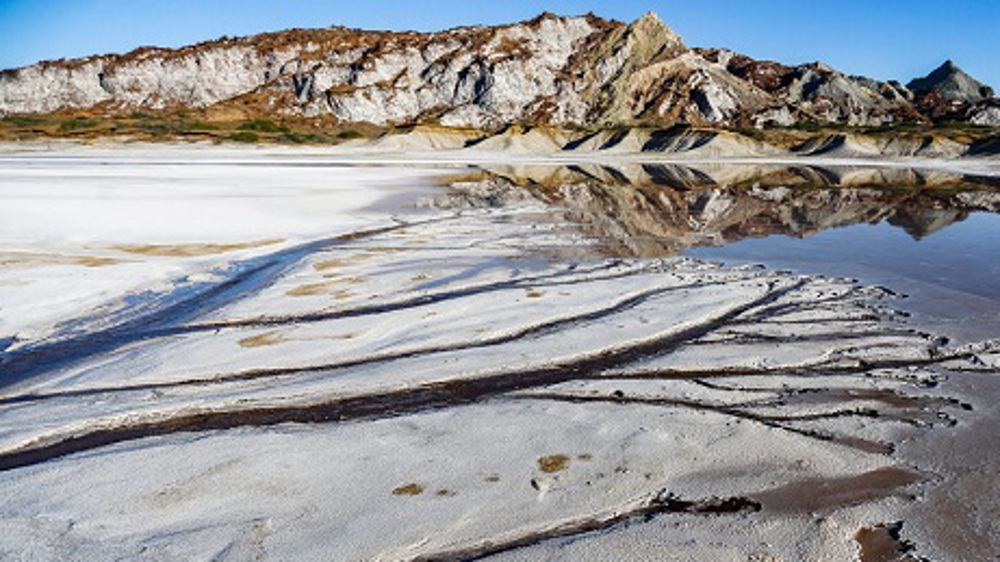
Salt flats also appeal to adventurous travelers who enjoy walking or cycling across the stark white terrain, immersing themselves in the profound quiet and solitude that only such remote landscapes can provide.
Notable salt flats can be found on Qeshm Island, especially in its central regions, as well as in coastal areas near Bandar Abbas and parts of Minab County, where seasonal salt plains emerge following periods of intense evaporation.
Mangrove forests (Hara)
Hormozgan’s mangrove forests, locally known as Hara forests, are among the province’s most vital and fragile ecosystems.
Found primarily around Qeshm Island and nearby coastal areas, these forests flourish at the dynamic boundary between land and sea. Their intricate root systems create safe habitats for migratory birds, fish, and a wide array of other species.
Visitors can explore these remarkable environments through guided boat tours, getting first-hand insight into the mangroves’ unique adaptations to saline conditions.
Educational programs for students, researchers, and eco-tourists further promote conservation awareness, positioning the mangrove forests as a centerpiece of both sustainable tourism and environmental stewardship.
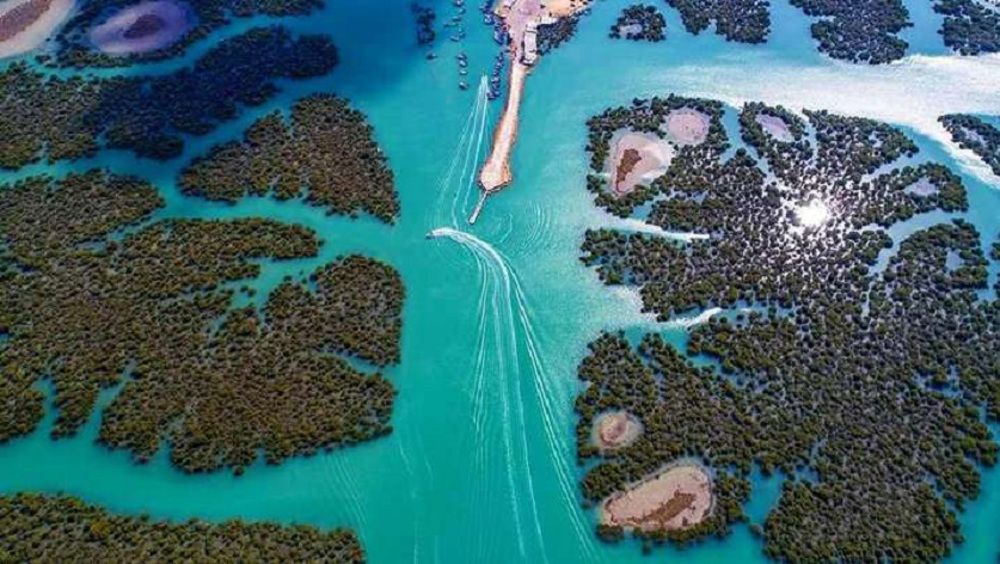
The most famous Hara forests are located between Qeshm Island and the mainland, particularly near the coastal towns of Laft and Khamir.
These areas are easily accessible by boat and are among Hormozgan’s most popular eco-tourism destinations, thronged by both local and foreign visitors.
Coral reefs
Off the coasts of Hormozgan’s islands, particularly within the Persian Gulf, coral reefs support some of the region’s most diverse marine ecosystems.
These reefs are home to vibrant fish species, invertebrates, and marine flora, yet they remain highly sensitive and fragile. Responsible diving and snorkeling programs allow visitors to explore this underwater world while minimizing environmental impact.
Beyond their appeal to tourists, coral reefs hold significant scientific value, offering critical insights into marine biology, climate change, and the delicate balance of ocean ecosystems.
Coral reefs can be visited around islands such as Kish, Qeshm, Lavan, and Hengam, where regulated diving and snorkeling tours operate, especially in the clear, calm waters surrounding Kish and Hengam.
Colored soils and red earth
One of Hormozgan’s most captivating natural features, particularly prominent on Hormuz Island, is its vividly colored, mineral-rich soils, including the iconic red earth.
Formed over millennia, these soils have long served both traditional and industrial purposes while simultaneously shaping some of the region’s most striking visual landscapes.
As visitors walk or hike across the island’s multicolored hills, they encounter sweeping gradients of red, yellow, and orange set against the deep blue of the surrounding sea – an experience that seamlessly blends geological fascination with aesthetic delight.
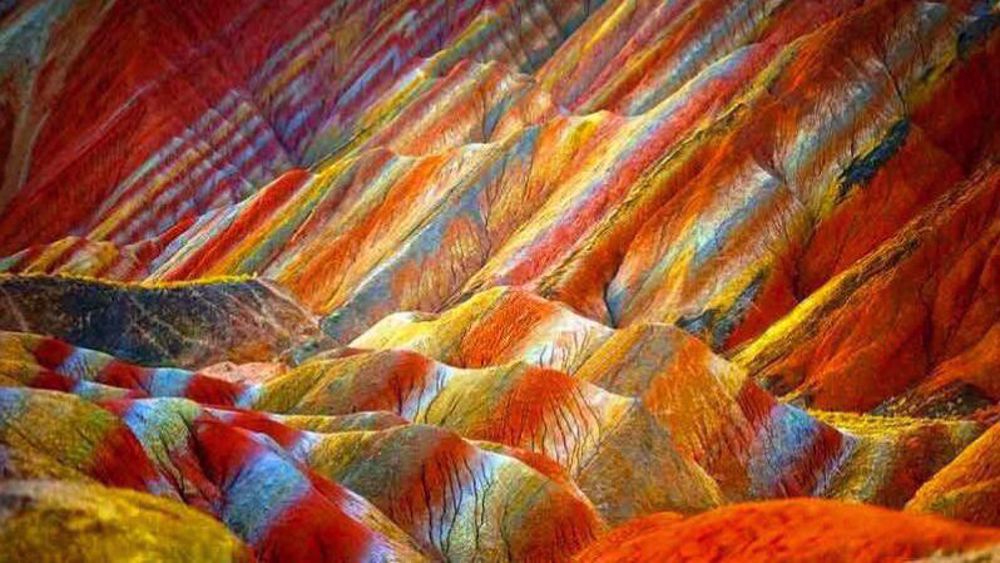
Local artists and photographers often draw inspiration from these breathtaking landscapes, further promoting the province's cultural tourism alongside natural exploration.
These colored soils are most prominently found on Hormuz Island, particularly in areas such as the Rainbow Valley and the Red Beach, which are among the island’s top natural attractions and easily accessible to visitors.
Unlocking sustainable potential
The ecological diversity of Hormozgan positions the province as one of Iran’s premier destinations for nature-based tourism.
From desert adventures and landscape photography to marine exploration, mangrove excursions, and eco-education, each environment appeals to a distinct range of visitor interests.
Birdwatching in mangrove forests, geological tours across salt flats, scuba diving among coral reefs, and trekking over vividly colored hills together offer an unparalleled breadth of experiences within a single province.
Supported by eco-lodges, guided programs, and community-led initiatives, sustainable tourism in Hormozgan not only enriches visitors’ understanding of nature but also generates lasting economic opportunities for local communities while safeguarding the region’s fragile ecosystems.
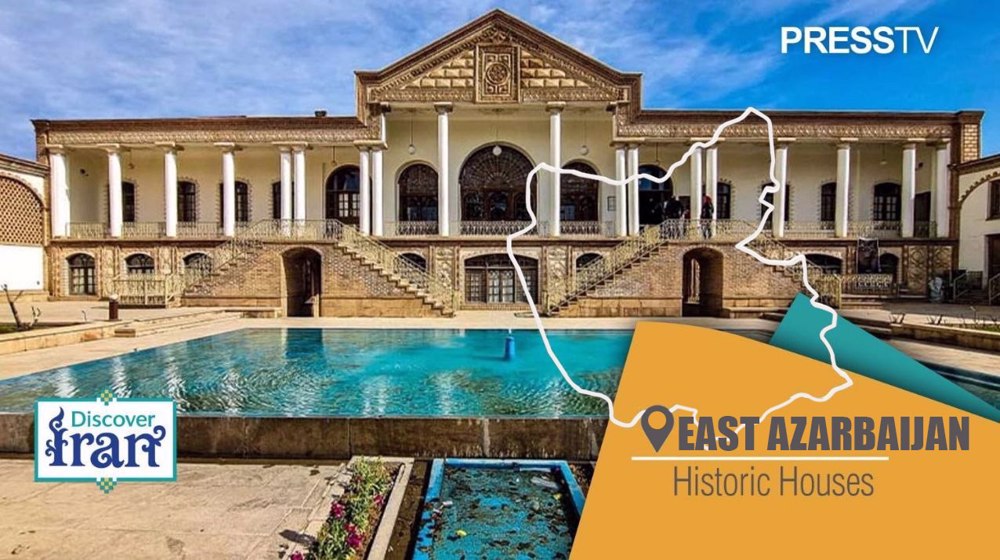
Discover Iran: Tabriz’s extraordinary architectural legacy through royal palaces, merchant mansions
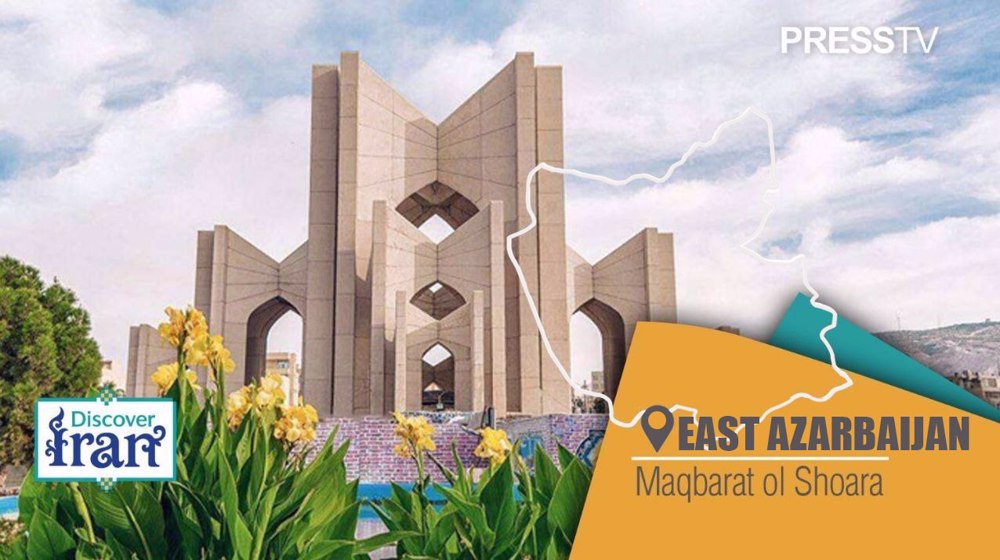
Discover Iran: Tabriz’s ‘Mausoleum of Poets,’ where centuries of Persian literary history live on
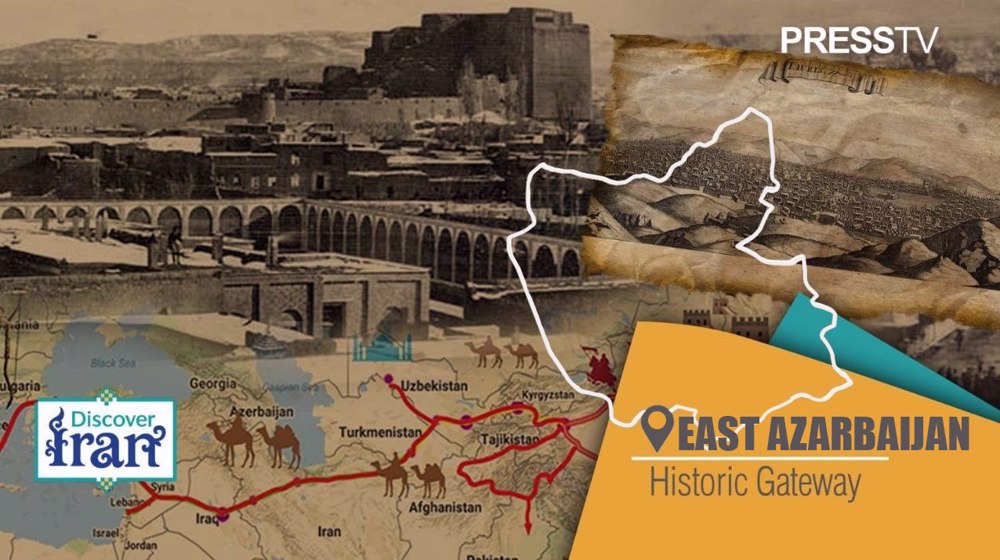
Discover Iran: Tabriz, where Iran’s Silk Road legacy meets industry, trade and a new economic future



UN Chief warns Israeli violence in West Bank raises ‘specter of ethnic cleansing’
VIDEO | ‘Korea gets nothing, loses everything, with Hormuz deployment’
Iran parliamentary commission approves penalties for violators of Hormuz laws
VIDEO | Trump’s war disrupts the world
Araghchi urges world to hold US accountable for ‘war crimes’ at UNGA
VIDEO | Press TV's news headlines
US F-16 fighter jet crashes at air base in Germany
Iran warns US against new attack, says Washington will gain ‘nothing but failure’




 PressTV NEWSLETTER
now
PressTV NEWSLETTER
now
 This makes it easy to access the Press TV website
