Israel’s next cabinet faces mounting debt, war costs as Netanyahu’s legacy for occupying regime
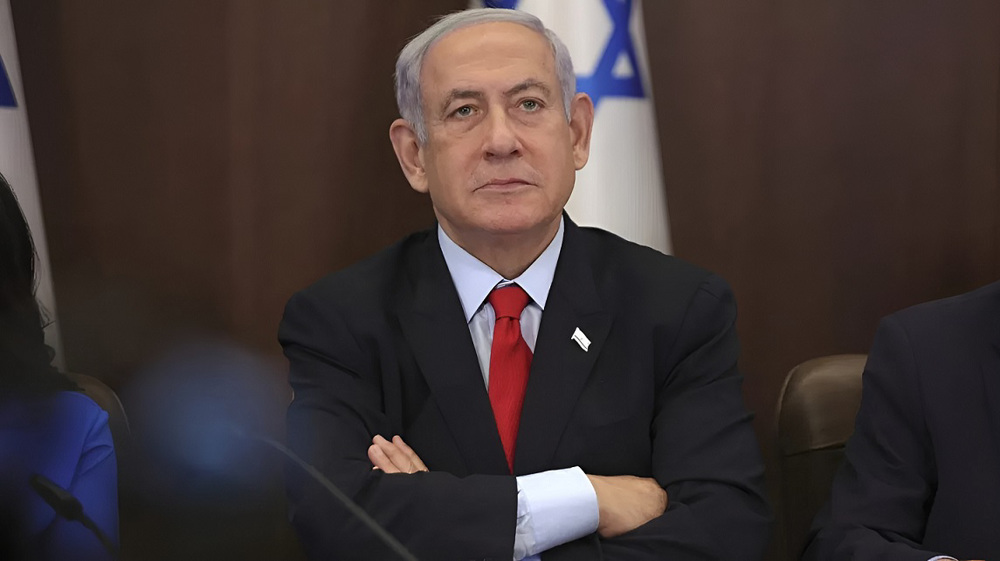
Israel’s next cabinet will inherit an economy strained by nearly three years of war, with about NIS (new Israeli shekel) 350 billion (around $114 billion) in estimated war-related costs, public debt approaching 70 percent of GDP and military spending far above prewar levels.
The Bank of Israel estimates that the war cost the occupying regime about NIS 350 billion (around $114 billion) between 2023 and 2026, with roughly half financed through borrowing, Israel’s English-language daily The Jerusalem Post reported on Thursday.
Public debt also rose from 60.5 percent of GDP at the start of 2023 to 68.5 percent by the end of 2025, and the deficit reached 4.7 percent, while the economy also produced an estimated NIS 177 billion (around $58 billion) less than it otherwise would have.
Although the economy has avoided a financial crisis and the shekel and technology sector have remained relatively resilient, economists warn that the regime has far less fiscal room to absorb future shocks.
Adrian Filut of Calcalist said the next cabinet would have “very little fiscal room,” stressing, “Israel is not Switzerland,” and that it needs substantial fiscal buffers because of its geopolitical risks.
Military expenditure rose from about 4.5 percent of GDP before the war to roughly 8 percent in 2025 and could remain around 6 percent in 2026. The Bank of Israel projects a 2026 deficit of 4.9 percent of GDP and debt of about 69 percent, with an additional NIS 25 billion in military spending potentially pushing the deficit to 5.5 percent.
Filut alerted that without touching the military expenditure, the regime would not “have that much room left in civilian and social spending.”
The main alternatives, he said, include leaving higher taxes, cuts elsewhere, reduced sectoral spending or more borrowing.
Filut also warned that permanently higher military costs could squeeze education, universities, research and public health or increase future debt-servicing costs.
“Interest is the worst payment,” he stressed, adding, “You pay billions of shekels and receive nothing. You are only financing the debt.”
The economists also point to deeper structural problems, particularly education, workforce skills and productivity.
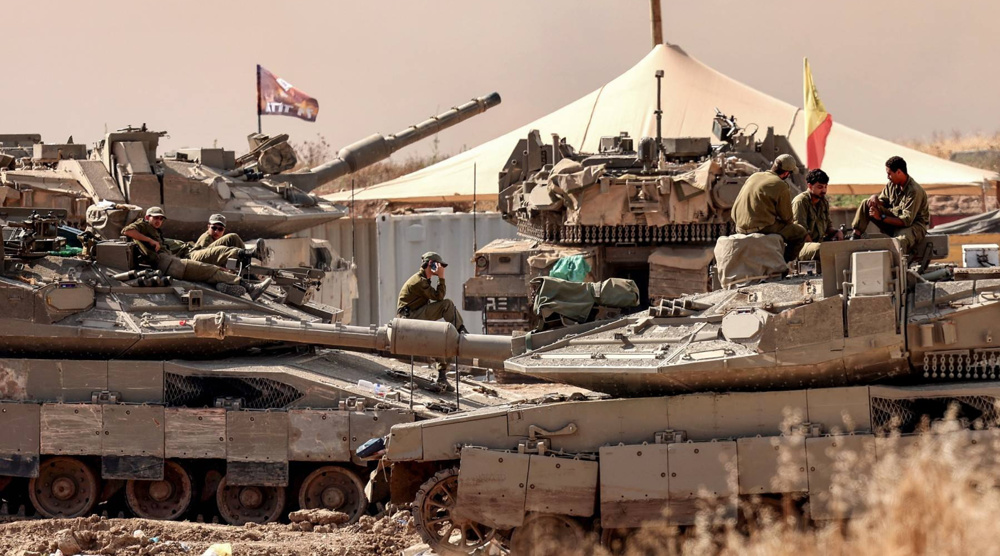
The military budget itself has also expanded sharply. The initial 2026 military budget was set at about NIS 143 billion ($47 billion), but it was later raised to roughly NIS 183 billion ($60 billion) as the fighting intensified.
At the same time, reports have emerged of delays in allocating parts of the additional military funding, while an Israeli military official claimed that the army owes more than NIS 15 billion ($5 billion) to military industries. The pressure on the next cabinet to reconcile military needs with fiscal constraints is expected to intensify.
Meanwhile, Haaretz recently reported in an analysis that Israeli prime minister Benjamin Netanyahu has resorted to prolonging the war and conflict in the region in an effort to preserve his political position and win the upcoming elections.
According to the newspaper, this approach has left the wars in the besieged Gaza Strip, the occupied West Bank, Lebanon and Syria unresolved, with no clear prospect of an end to the conflicts on these fronts.

Israeli restrictions on access in Gaza an obstacle to aid, shelter: UN

Remains of 105 Palestinians retrieved from Gaza rubble

‘Impactful and expressive’: Netizens moved by Press TV video on Netanyahu UNGA walkout



Seven killed in bus attack in central Syria as blast hits gas pipeline near Damascus
Genuine sovereignty lies in independent decision-making, says Iraqi MP after US pullout
Israel’s next cabinet faces mounting debt, war costs: Report
VIDEO | News Review: UK economic challenges
2026 Asian Games: Abdevali beats Olympic champion to win Greco-Roman gold for Iran
VIDEO | Press TV's news headlines
US exit from Iraq heralds ‘beginning of expulsion’ from West Asia: IRGC
UNICEF cautions against generational crisis in Lebanon amid Israeli attacks


 PressTV NEWSLETTER
now
PressTV NEWSLETTER
now
 This makes it easy to access the Press TV website
