UNICEF cautions against generational crisis in Lebanon amid Israeli attacks
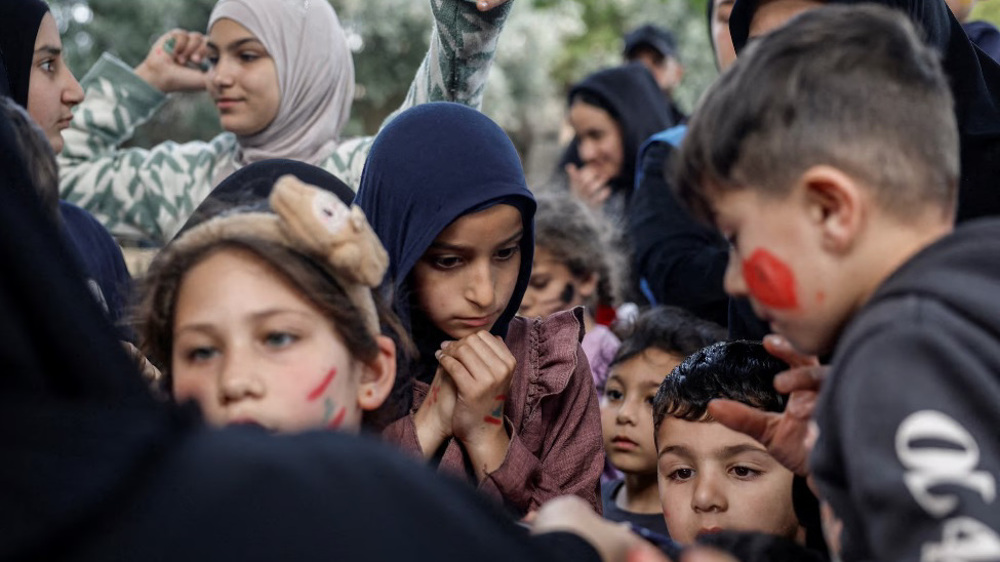
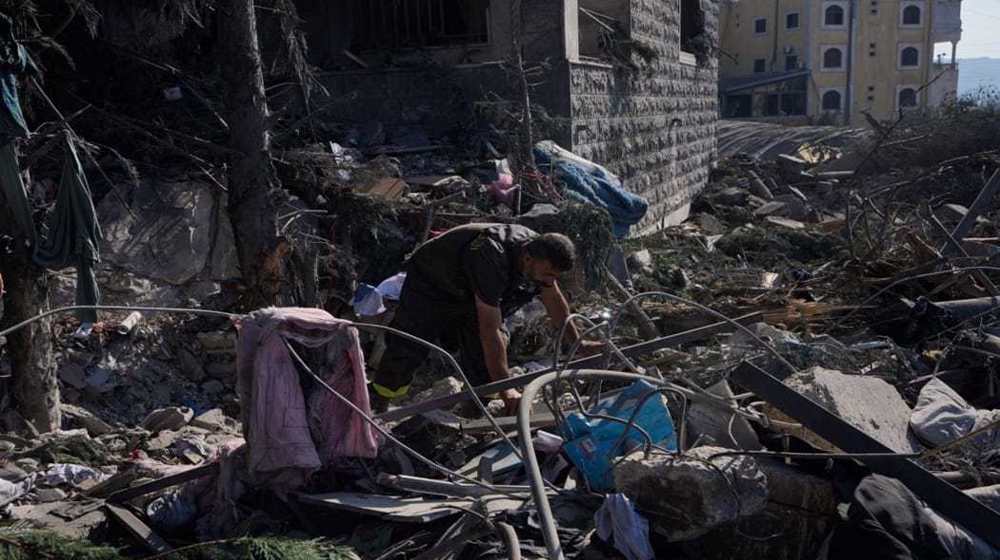
The United Nations Children's Emergency Fund (UNICEF) has reported that Israeli military offensives in Lebanon, which have intensified since March, have claimed the lives of 261 children while leaving 1,056 others wounded.
The UN children’s agency, in a report titled “A Continuing Nightmare” and published on Wednesday, expressed serious concern that the persistent violence coupled with economic distress constitutes a grave threat to the developmental prospects and future of an entire generation.
UNICEF has documented substantial harm inflicted upon educational infrastructure concurrent with casualties and injuries sustained. Roughly 436 educational institutions have sustained damage or complete destruction, thereby exposing approximately 100,000 children to the prospect of educational deprivation. Furthermore, 86 teachers have been killed or sustained injuries.
The international organization also pointed to extensive psychological distress impacting roughly 770,000 children throughout Lebanon over the past six months. The research illustrates a multifaceted crisis that transcends physical trauma and structural destruction, and includes children's mental health status and their capacity to obtain vital services.
UNICEF's representative in Lebanon, Marco Luigi Corsi, stated that children and young people “are being asked to bear a burden that no child should have to bear.”
He cautioned that families were “being pushed to the brink of collapse” as the strain from Israeli military onslaught compounded Lebanon's unresolved economic difficulties.
According to UNICEF, approximately eighty percent of families encounter significant difficulties in meeting their fundamental requirements. The organization cautioned that deteriorating socioeconomic circumstances are compelling an increasing number of children toward food insecurity, educational disengagement, and entry into the labor market.
Among the surveyed families, 22 percent indicated that their children had experienced hunger at bedtime within the two-week period prior to the study. Additionally, 31 percent disclosed that their children had been denied access to essential medical services due to financial constraints within the household.
The challenges persist throughout the early adult years. An evaluation performed in the initial months of this year revealed that merely 22 percent of surveyed individuals between the ages of 18 and 25 were enrolled in educational institutions or higher learning facilities, whereas joblessness among this demographic reached 67 percent. UNICEF ascribed these results predominantly to economic constraints.
Corsi emphasized that without prompt and ongoing intervention, the consequences of the crisis could extend into adulthood for children and young people.
He noted that Lebanon's restoration depends upon ensuring their continued access to healthcare services, educational opportunities, and protective frameworks, while simultaneously providing avenues for future development.
Israeli military strikes against Lebanon continue notwithstanding the conclusion of a US-facilitated framework agreement between the two sides on June 26.
The accord stipulates a staged removal of Israeli military forces from Lebanese soil, with corresponding deployment of the Lebanese army to areas that are relinquished by the withdrawing forces.
Israeli attacks have killed 4,386 individuals and injured 12,407 others. They have resulted in the displacement of more than 1 million people since March 2, according to Lebanese authorities.
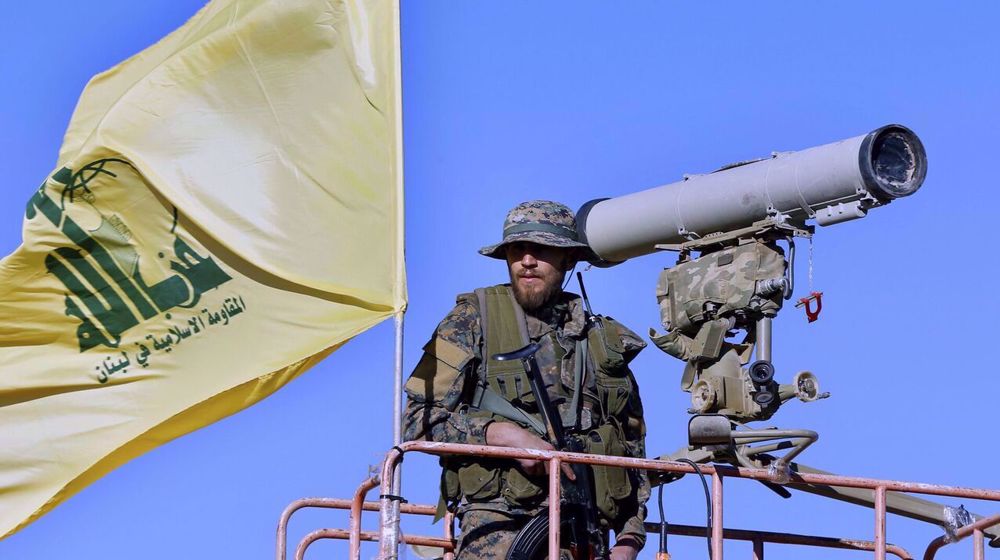
‘Plant the earth with our bodies’: Hezbollah fighters reaffirm readiness for protracted war
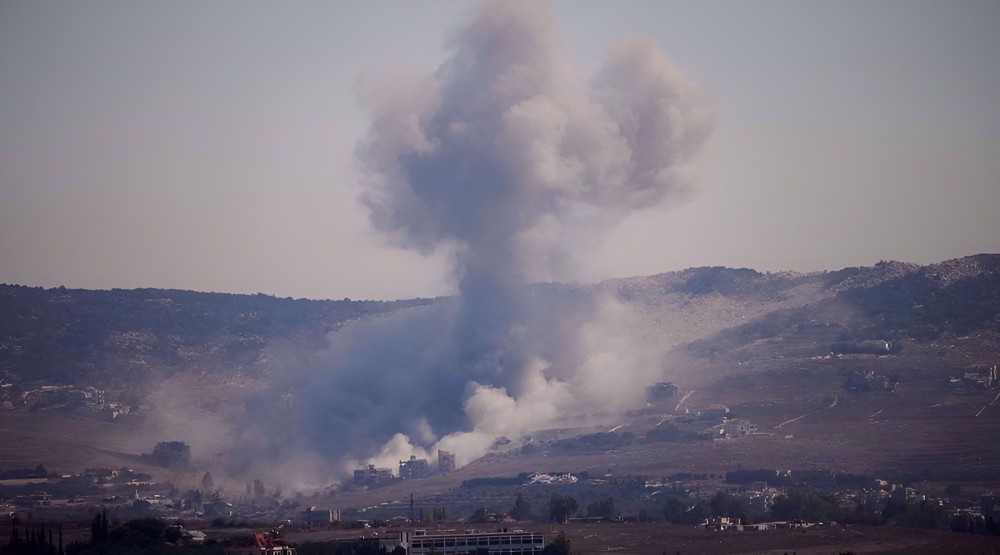
Israel continues Lebanon destruction, envoy expresses solidarity with Israeli ambassador
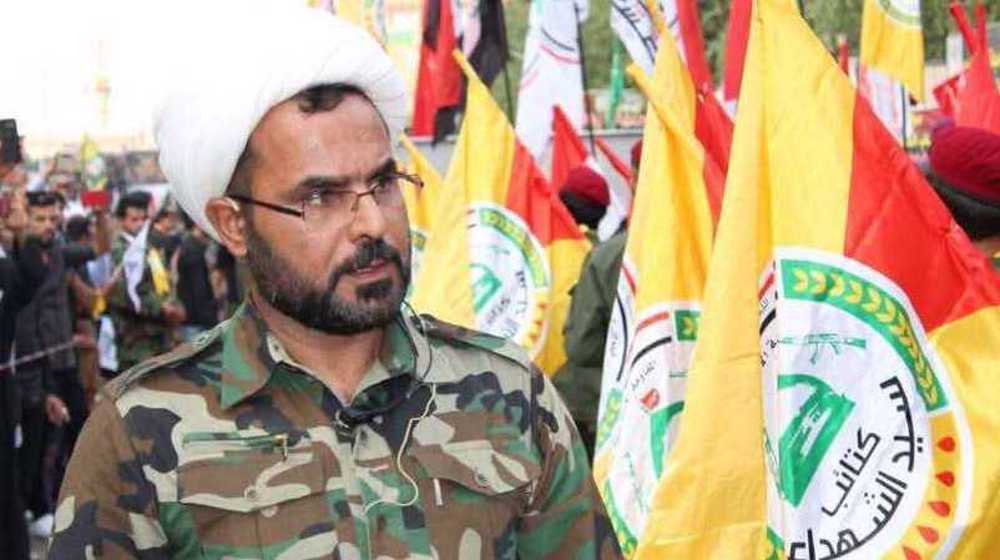
Iraqi resistance group rejects disarmament, vows to maintain support for Lebanon



VIDEO | Press TV's news headlines
US exit from Iraq heralds ‘beginning of expulsion’ from West Asia: IRGC
UNICEF cautions against generational crisis in Lebanon amid Israeli attacks
IRGC dismantles terrorist team, kills 6 in southeastern Iran
Israeli restrictions on access in Gaza an obstacle to aid, shelter: UN
VIDEO | Israeli attacks, restrictions devastate Gaza’s olive industry
‘We are not armed’: Last conversation of Iranian destroyer Dena before US attack
Trump’s Iran gamble turns into a search for an exit





 PressTV NEWSLETTER
now
PressTV NEWSLETTER
now
 This makes it easy to access the Press TV website
