Oil companies avoiding ships blacklisted by Iran for violating Hormuz Strait protocols: Report
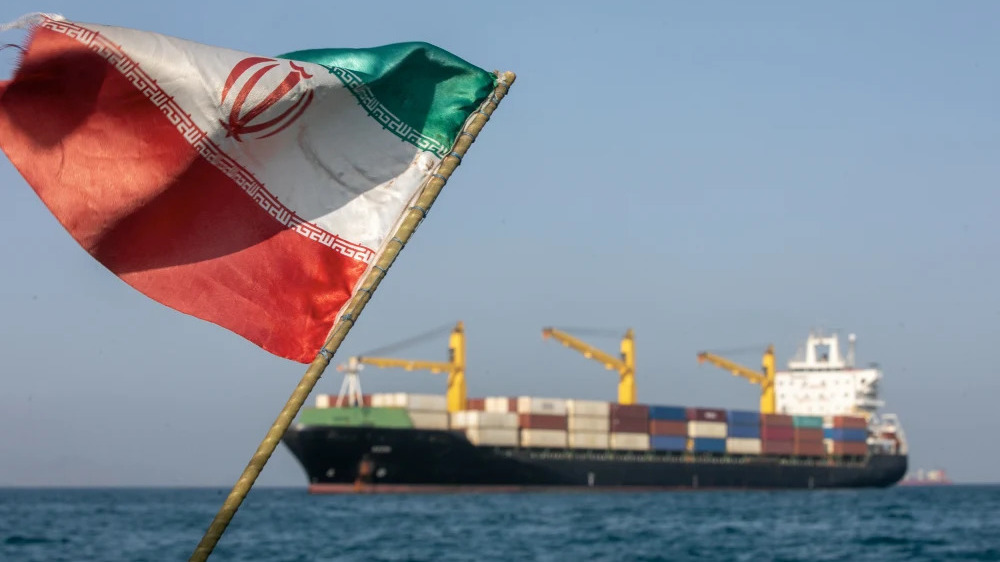
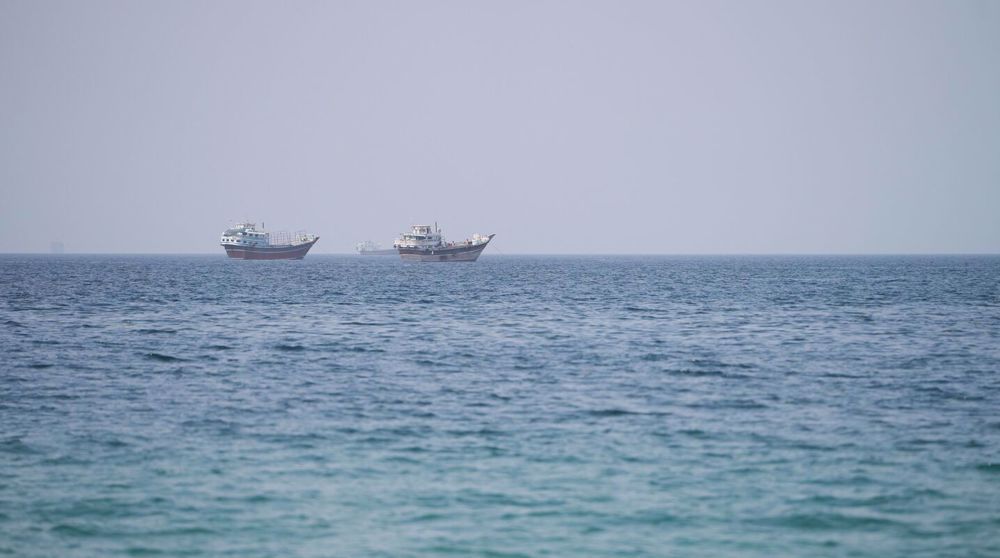
At least three Indian oil refiners and a major global energy firm have reportedly been planning to stop using vessels blacklisted by Iran for violating the country’s protocols when transiting the Strait of Hormuz.
Citing four informed sources, Reuters reported that the companies intend to avoid chartering the designated vessels as well as ship-to-ship (STS) transfers involving them due to security risks.
"We will avoid our chartered vessels dealing or STS or anything to do with non-compliant ships for Middle Eastern cargoes," said one of the unnamed sources, who works at an Indian refinery.
Meanwhile, multiple other trade and shipping sources said several charterers and shipping firms are discussing internally whether to continue their STS operations or not amid Iran's warning.
It would be safer to buy oil on a delivered basis shipped to a final destination instead of free-on-board at STS locations in the Sea of Oman, according to a Persian Gulf crude buyer.
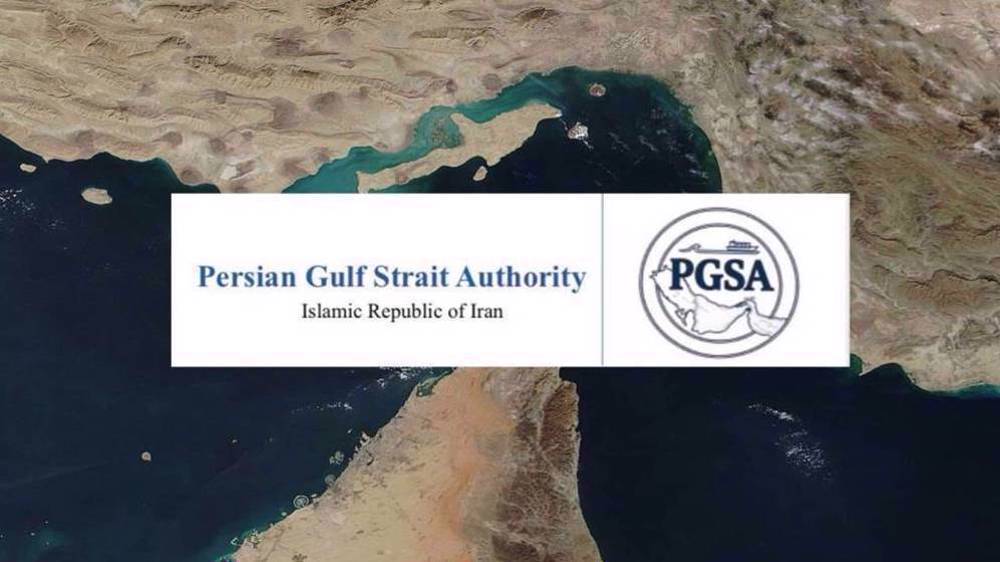
On Sunday, Iran’s regulatory body for the Strait of Hormuz published a blacklist of 45 vessels that have violated Iran’s rules for transiting the strategic waterway, responsible for a fifth of global oil demand.
In an X post, the Persian Gulf Strait Authority (PGSA) warned that the banned ships could be fined, detained or have their cargo confiscated while those vessels assisting the blacklisted ones could also be penalized.
Some of the tankers on Iran’s blacklist are owned or chartered by Saudi Aramco and Abu Dhabi National Oil Co (ADNOC).
Ana Subasic, a trade risk analyst at shiptracking firm Kpler, said the most compliance-sensitive buyers are expected to avoid the vessels on Iran’s list, but the trade is more likely to reroute.
"The key issue is contagion," Subasic said. "If Iran follows through on threats to penalize vessels that conduct STS transfers with blacklisted tankers, that should narrow the pool of willing shipowners, charterers and buyers, particularly among firms with material Persian Gulf exposure, while increasing due-diligence requirements and potentially freight, insurance and risk premia."
Iran restricted transit through the Strait of Hormuz in response to the illegal US-Israeli aggression on the country that began on February 28 and came to a halt under a ceasefire on April 8.
On June 17, Tehran and Washington signed the Pakistan-brokered Memorandum of Understanding (MoU), whose Article 5 places responsibility for reopening and managing the strait squarely in Iran’s hands.
However, the US attempted to undermine Iran’s sovereignty over the vital global energy chokepoint by establishing an unsafe corridor near the Omani shores. The US also resumed its aerial assaults on Iran and imposed a naval blockade of the country in violation of the war-ending deal.
The unlawful US measures prompted Iran to declare the Strait of Hormuz closed to all traffic.
The Islamic Republic has stressed that the reopening of the critical waterway depends on US compliance with its obligations under the MoU.
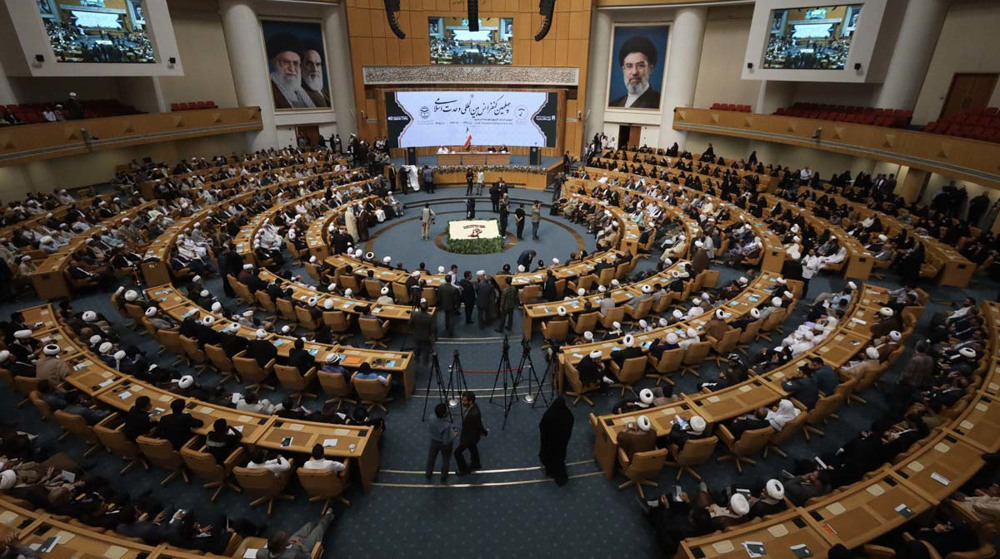
Islamic Unity Conference kicks off in Tehran as senior cleric warns of wider US-Israeli hostility
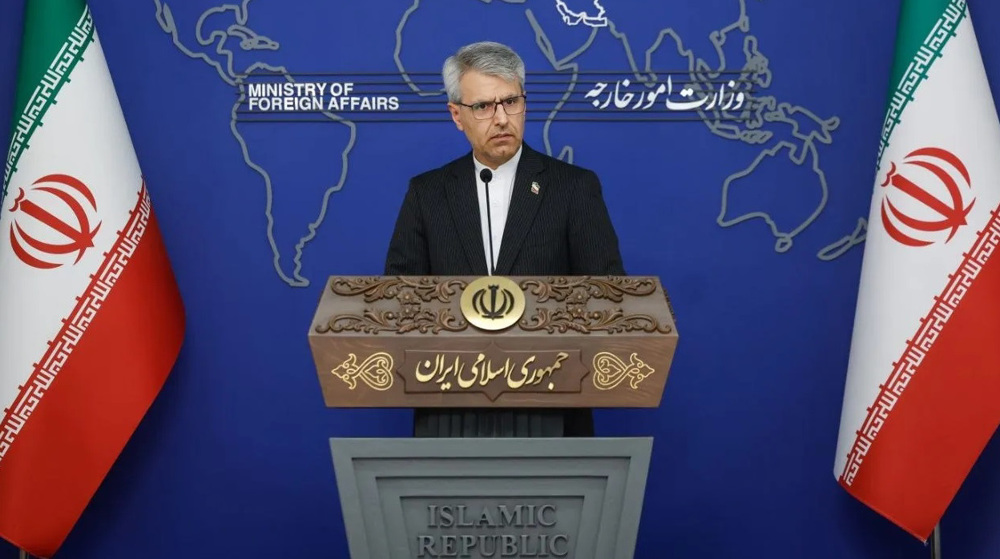
US’s Iran policy has reached ‘pure parody’: Foreign Ministry
Iran urges UN, member states to reject US economic terrorism; calls US ‘a rogue state’



Israel steals thousands of acres of Palestinian land in latest West Bank land grab
Oil companies avoiding ships blacklisted by Iran for violating Hormuz Strait protocols: Report
Islamic Unity Conference kicks off in Tehran as senior cleric warns of wider US-Israeli hostility
Meta agrees to sweeping changes, up to $18 billion settlement over teen addiction
VIDEO | Aerial footage shows massive floods in Nepal's Rasuwa district
Esmaeili claims Greco-Roman wrestling gold at Pytlasinski Memorial in Olympic final rematch
Yemeni forces strike Saudi-backed mercenaries afresh, down Saudi spy drone
VIDEO | Iran showcases indigenous nuclear progress, fusion technology, advanced testing capabilities



 PressTV NEWSLETTER
now
PressTV NEWSLETTER
now
 This makes it easy to access the Press TV website
