Iran says full security in Hormuz contingent on end to US blockade, threats
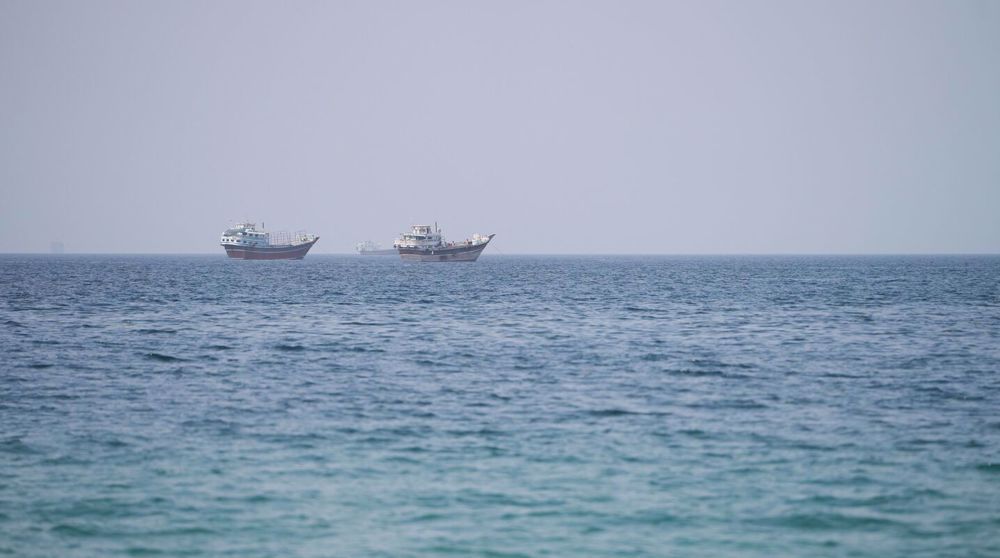
Iran says the restoration of full security and normal commercial shipping through the strategic Strait of Hormuz depends on an end to the US naval blockade, a cessation of all “unlawful actions, interference, and threats,” and compensation for violations committed over the past two months.
"The process of fully restoring security in the Strait of Hormuz and the normal passage of commercial vessels depends on the cessation of unlawful actions, interference, threats, and the naval blockade imposed by the United States, as well as compensation for the violations of commitments that have occurred over the past two months,” Iranian Foreign Ministry spokesman Esmaeil Baghaei said in an interview published on Saturday.
He added that the current insecure situation in the Strait of Hormuz is a “direct” outcome of illegal and aggressive measures by the United States and the Israeli regime.
The spokesperson emphasized that the use of the strait and its southern shores by the US and Israeli regime as a platform for attacks against Iran has contributed to insecurity in the waterway.
As a coastal state of the strait, Baghaei affirmed, Iran is entitled under international law to take the measures it deems necessary to safeguard its national interests and security.
He argued that the continuation of US maritime sanctions, military threats and activities are hindering the full establishment of safety and security in the Strait of Hormuz.
At the same time, Iran and Oman, as the two coastal states, have been engaged in intensive negotiations for nearly three months to establish a safe shipping route, he noted.
“Despite US obstruction, these [Tehran-Muscat] talks have made positive and forward-looking progress over the past three weeks, and an agreement has been reached on a shipping route map,” Baghaei said.
He added that the discussions are still ongoing over several remaining issues, including a joint statement to be issued by Tehran and Muscat.
The spokesperson reiterated that the Iran-Oman arrangement is an independent understanding between the two coastal states aimed at ensuring safe passage through the Strait of Hormuz while preserving the sovereignty of both countries.
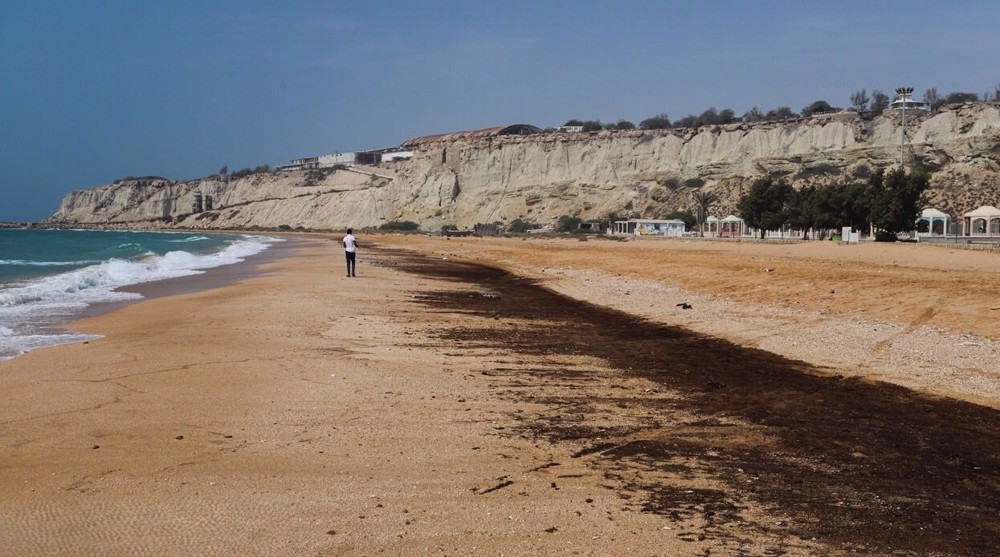
Iran has restricted transit through the Strait of Hormuz, through which roughly one-fifth of global oil demand passes, following the start of the US-Israeli aggression in late February.
On June 17, the presidents of Iran and the US signed a Pakistan-brokered memorandum of understanding remotely, intended to end the war.
Article 5 of the understanding places responsibility for reopening and managing the strait with Iran. However, subsequent US measures, including the establishment of an unsafe corridor near Omani shores and renewed US aerial attacks, violated the commitments and prompted Iran to reimpose restrictions.
Tehran has repeatedly maintained that the easing of restrictions on the waterway depends on a change in US conduct and the removal of threats to regional security.
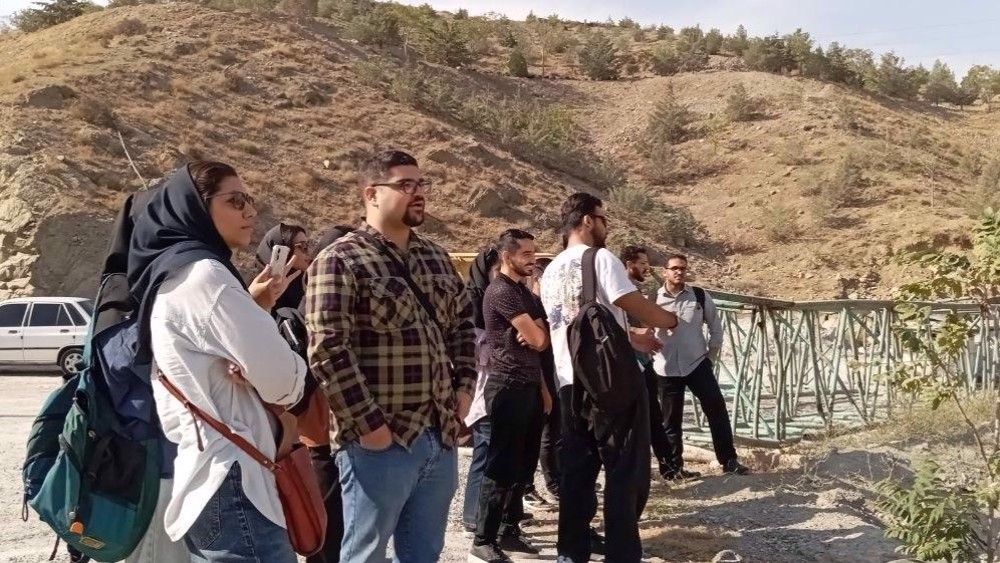
Iranian engineering students hold lectures at US-bombed B1 mega-bridge
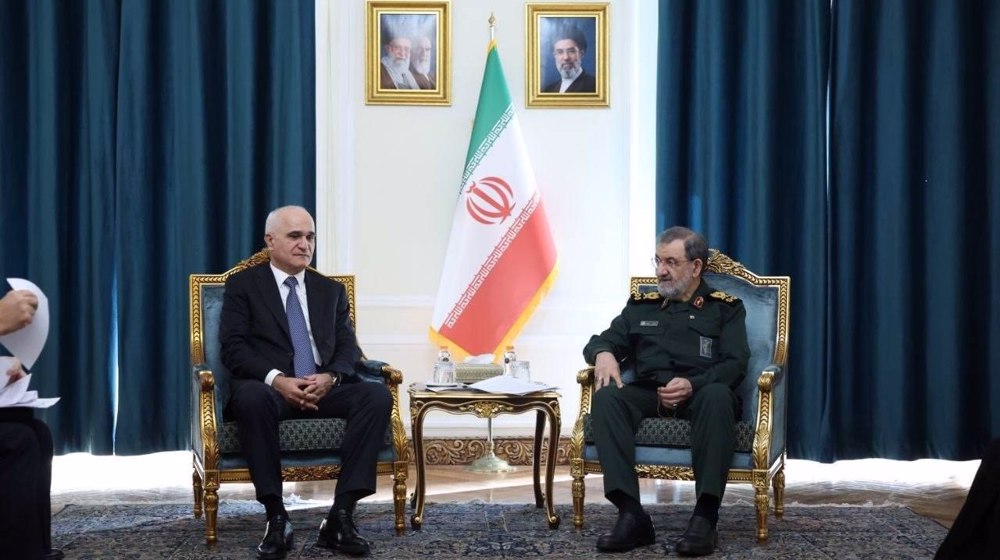
Iran: Trump caught in ‘quagmire,’ unable to decide
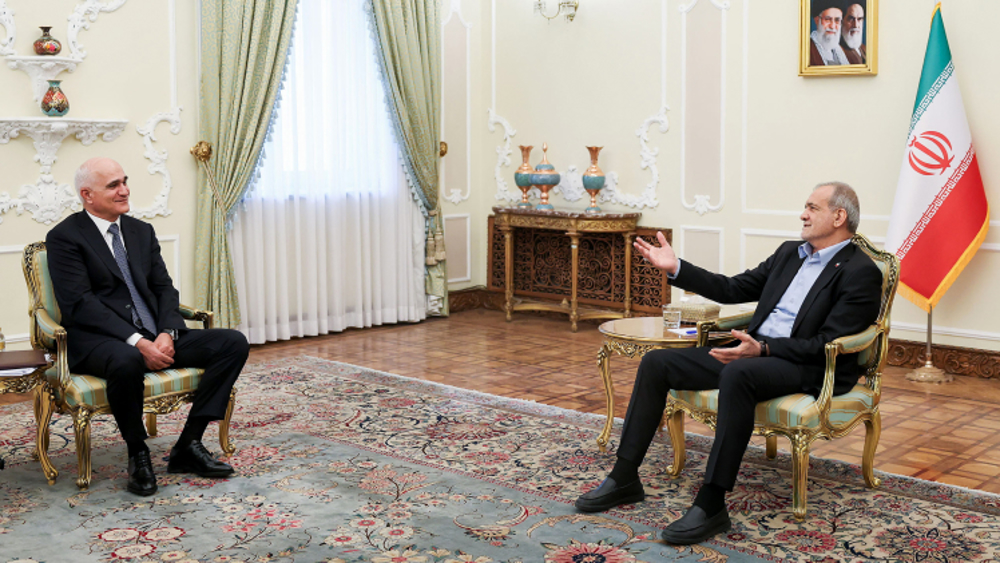
Pezeshkian: Expanding Iran-Azerbaijan rail, air links key to strengthening ties



VIDEO | Yemenis rally behind Ansarullah amid recent military gains
VIDEO | ‘Attrition, low morale deepen strain on US troops amid war on Iran,’ analyst says
Iraqi resistance group rejects disarmament, vows to maintain support for Lebanon
Israeli attacks kill six Palestinians in Gaza as ceasefire violations mount
Iran warns regional states of Israel’s malicious intents following reports of Netanyahu UAE visit
VIDEO | IRGC letter to American people
Army spox: Saudi Arabia launches over 30 airstrikes across Yemen in 24 hours
VIDEO | News Review: Israel settlement expansion


 PressTV NEWSLETTER
now
PressTV NEWSLETTER
now
 This makes it easy to access the Press TV website
