Iran-US MoU ends imposed war and inflicts humiliating defeat on US-Israeli war machine
By Iqbal Jassat
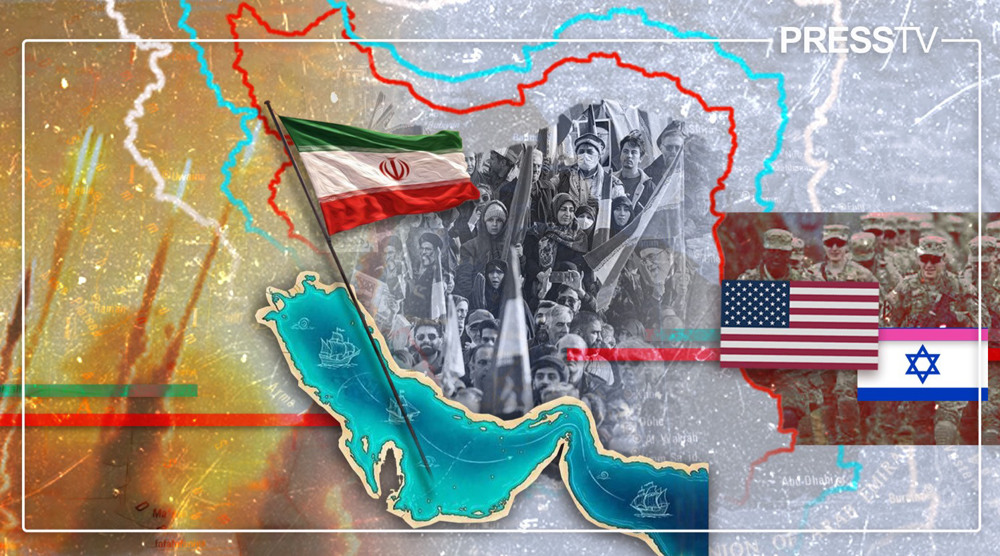
The memorandum of understanding (MoU) between the Islamic Republic of Iran and the United States marks a significant moment in the short yet dynamic and challenging history of the country since the 1979 Islamic Revolution.
While a great deal of speculation about the details of the MoU continues to exist, what remains clear is that the Trump administration has conceded defeat.
Equally stark is the fact that, notwithstanding the military might and power it possesses, the US failed in the most humiliating way to subdue Iran and impose its will on the country.
Trump's frustration and woes were compounded by the fact that none of the goals he set out to achieve – having been misled by the settler colonial regime's notorious war criminal, Benjamin Netanyahu – were realized. The joint US-Israel war of aggression launched in late February failed to collapse the Islamic Republic or bring about “regime change.”
He realised, as did his right-wing war cabinet led by Zionist radicals such as war secretary Pete Hegseth and secretary of state Marco Rubio, that Iran is not Venezuela.
The strategic calculus behind the February 28 decision appeared unmistakable: replicate the “Venezuelan model,” decapitate the leadership, and the Islamic Republic leadership’s behavior would change, if not collapse altogether. The gambit failed.
The reasons for that failure reveal the Islamic Republic’s durability and ideological strength, and yet again vindicated by Trump’s admission of defeat.
Given that Iran has remained steadfast in defence of the Axis of Resistance, one would expect Arab regimes to display a modicum of "independence" by resisting Israeli dictates.
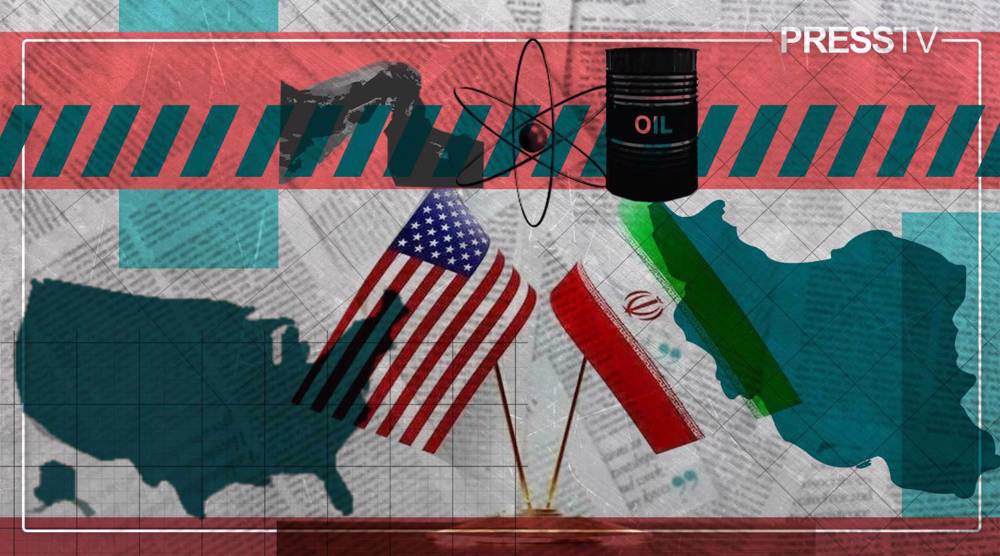
✍️ Analysis - How Iran turned battlefield gains and regional power into strategic postwar leverage against US
— Press TV 🔻 (@PressTV) June 14, 2026
By Press TV Strategic Analysis Deskhttps://t.co/6OAI0n8FS8 pic.twitter.com/Wo53HsrrN4
The situation in Lebanon, for instance, and how its government relates to Israel's bombing and carnage is both revealing and shocking.
We learn from Amal Saad, a Lebanese scholar and author on the Hezbollah resistance movement, that the ceasefire agreement signed by Lebanese representatives with Israel and the US belongs to a category of political submission with little or no precedent.
“Lebanon, a state under attack, co-signs a document that conditions a ceasefire not on the withdrawal of the occupying power from its territory, but on the withdrawal of its own citizens from their land,” she wrote recently.
Any framework for negotiations between Lebanon and Israel, if tilted in favour of Zionist expansionism and occupation, will repeat a fundamental contradiction that has long shaped
Lebanon’s security and political landscape: the Lebanese state conducts diplomacy and negotiates agreements, while Hezbollah remains the country’s principal military actor in confronting the Israeli occupation.
This disconnect continues to complicate efforts to reach a durable settlement and raises questions about the viability of any agreement that lacks the support of both actors.
Viewed against the current US-Iran MOU, unless the Lebanese government desists from accepting Israel’s one-sided demands and instead insists on tying its fortune to that of Hezbollah's, it will continue to be bullied by Netanyahu and his criminal gang of warlords.
✍ Analysis - One year after 12-day war: Iran rises as regional superpower while US Empire slips into oblivion
— Press TV 🔻 (@PressTV) June 12, 2026
By Press TV Strategic Analysis Deskhttps://t.co/eHWJw8DYJz
As for Iran's supremacy, an article in Israel Hayom headlined "Complete Failure: Netanyahu’s strategy toward Iran has collapsed," highlighted that "Israel's strategic position" in its war against Iran has deteriorated dramatically.
The article emphasized that the new strategic reality will make it "far more difficult for Israel" to confront the so-called "Iranian threat" in the years ahead, explaining that the root of this "failure" lies in the "arrogance and miscalculations" that prevailed within "Israel's" ruling establishment.
Israel Hayom said that Iran has demonstrated a willingness to take significant risks to impose new rules of engagement, including preventing "Israel" from carrying out aggression on Beirut
It described the emerging strategic landscape as "increasingly complex," adding that it presents "Israel" with greater "challenges", especially given its dependence on the United States.
The Israeli outlet said that a return to a US agreement with Iran, even if it addresses the nuclear issue, would underscore "Israel’s strategic limitations."
Israel Hayom further said that the recent military aggression has been an "outright failure," adding that they neither succeeded in "deterring" Iran nor shifted the "balance of power," and instead left "Israel" in a weaker strategic position.
Iqbal Jassat is an executive member of the Media Review Network, Johannesburg, South Africa.
(The views expressed in this article do not necessarily reflect those of Press TV)
New images reveal severe destruction at US base in Kuwait after Iranian strikes
‘Live with it’: Era of US F-35s being ‘hunted down’ has begun, Qalibaf says
IRGC intelligence forces eliminate two terrorists in southeast Iran



VIDEO | Gaza schools reborn in tents as new academic year begins
Iran: US had intentionally prepared ground for withdrawing from Islamabad MoU
Hezbollah leader: Iran thwarted US-Israeli war goals; ultimate victory belongs to resistance
VIDEO | Yemen responds to Saudi aggression
Four Palestinians, including child, killed in Israeli attacks across Gaza
Iran retains initiative in Strait of Hormuz despite US claims: Armed Forces
Yemeni army targets sensitive sites in Saudi capital, Aramco facilities in Yanbu
Barzegari’s silver lifts Iran to five medals at 2026 World Poomsae Championships




 PressTV NEWSLETTER
now
PressTV NEWSLETTER
now
 This makes it easy to access the Press TV website
