The untold story of hidden war on Iran's dinner table
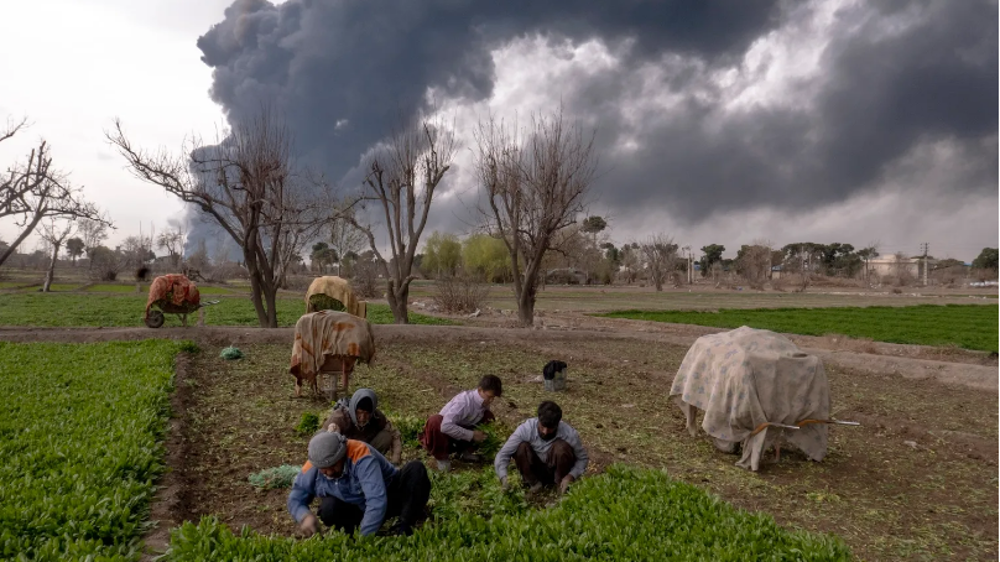
In the weeks when American and Israeli airstrikes struck Iranian ports, bridges, transport corridors, hospitals and other civilian infrastructure, another network far less visible but no less essential continued to operate almost uninterrupted.
Stretching from hatcheries and feed mills to poultry farms, slaughterhouses, refrigerated warehouses and neighborhood markets, it supplied the protein consumed every day by millions of Iranian families.
Had that chain broken for even a few days, the consequences would have extended well beyond agriculture, reverberating through inflation, employment, public confidence and, ultimately, national stability.
The war, it turned out, was fought in part at the country's dinner table, with Iran's poultry industry exemplifying the link between economics and national resilience.
Overshadowed by the country's oil and gas wealth, the sector has quietly become one of the largest pillars of Iran's non-oil economy and the single most important source of affordable animal protein for its population.
At a time when sanctions, inflation and exchange-rate volatility have complicated imports of many essential goods, the industry's ability to sustain domestic production has become one of Iran's most significant economic achievements.
That achievement was decades in the making. Poultry has been part of life on the Iranian plateau since antiquity, with references to chickens appearing in ancient Persian traditions long before commercial farming emerged.
For centuries, however, poultry remained largely confined to household and village production.
The transformation into a modern industry began during the second half of the twentieth century and accelerated after the Islamic Revolution, when growing demand for affordable protein encouraged investment throughout the production chain.
What emerged was an integrated industrial system built around breeding centers, hatcheries, feed manufacturers, veterinary services, processing plants, cold-storage facilities and nationwide transport networks.
Today that system, with an annual production of nearly 1.2 million tons of chicken meat, ranks among the largest poultry industries in West Asia and one of the region's most sophisticated agricultural enterprises.
Industry estimates place the annual value of Iran's poultry sector at roughly $10 billion, supported by approximately 2.65 million tons of chicken meat and 1.5 million tons of eggs produced each year.
Chicken has become the country's principal source of affordable animal protein, with annual per capita consumption reaching about 30 kilograms.
Equally significant is the industry's role in employment. Hundreds of thousands of Iranians work directly or indirectly across its supply chain, from feed production and veterinary medicine to transport, processing and retail distribution.
In many rural provinces, poultry farming provides livelihoods, making the sector not merely an agricultural enterprise but an important instrument of rural development and social stability.
Those realities help explain why the sector acquired strategic significance during the US-Israeli war. Food production underpins both economic stability and public confidence.
A country capable of feeding itself during wartime is better positioned to withstand prolonged external pressure than one dependent on vulnerable supply lines.
Against this backdrop, repeated attacks on Iran’s agricultural infrastructure appeared to represent a broader strategy beyond the destruction of individual farms, with officials and local media describing a methodical pattern of strikes.
In the early days of the war, airstrikes hit a poultry farm in Anarak village in Ilam Province, causing extensive damage. Another farm in Mehran was struck soon after.
In Behbahan in the southwestern province of Khuzestan, an industrial poultry facility was bombed, killing roughly 3,000 birds and injuring two workers. A farm in Dashtestan in Bushehr Province was also hit, along with a unit in Ghandom Riz in the same region.
But the attacks extended beyond the farms themselves. Warehouses storing chemical fertilizer and animal feed were destroyed in Mehran. The building of the Ministry of Agriculture in Lorestan Province was flattened.
In Tehran, the headquarters of the Natural Resources and Watershed Management Organization was struck, killing eight employees. A crucial agricultural water pumping station in Hendijan, Khuzestan, was hit, killing one worker and wounding another.
The Bushehr meteorological tower essential for weather forecasting that farmers depend on was knocked out of service.
The wider effects were equally damaging. The disruption of shipping lanes amid an illegal US blockade caused the price of animal feed to rise nearly fourfold.
The industry, already hobbled by sanctions and the removal of preferential exchange rates, was now being squeezed from all directions.
Yet despite those pressures, production never came to a halt. Representatives of Iran's livestock and poultry organizations repeatedly emphasized that farmers continued operating throughout the war, describing food production as a national responsibility no less important than maintaining other essential services.
Gholamali Fargahi, chairman of the Day-Old Chick Producers Association, praised producers for preserving food security under extraordinary circumstances.
Other industry leaders echoed that assessment, noting that production had not stopped "for even a second" despite bombardment and economic disruption.
The resilience of Iran's poultry industry is not accidental. It rests on decades of investment and state support. Hatcheries, feed mills, cold storage networks and processing plants have been built across the country.
There are signs of innovation even amid crisis. Researchers at the Research Institute of Genetic Engineering and Biotechnology have developed a method to convert poultry feathers into animal feed, potentially saving billions of dollars in foreign currency each year.
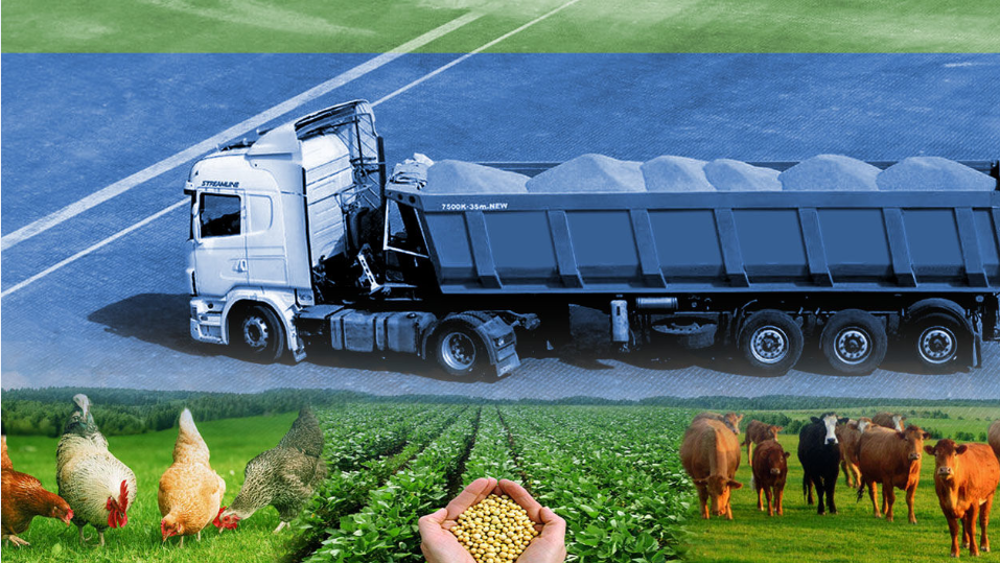
Iran’s annual export potential of 700,000 tons of chicken meat, far exceeding domestic demand, offers a chance to earn billions in foreign currency and ease the nation’s reliance on oil revenues.
During wartime, maintaining access to affordable protein is both a major political and social achievement and a critical vulnerability.
The enemy understood that a strike on poultry farms was not merely a strike on farmers, but on every Iranian family that relies on chicken as its primary source of meat.
The Israeli military's documented history of attacks on Palestinian poultry farms and greenhouses, including surveillance footage showing chickens being crushed with stones and boots, reflects a broader logic that targeting food supplies can contribute to destabilizing a population.
In Iran, this logic was pursued on a much larger scale and with greater firepower, making the US-Israeli war on poultry not a secondary consequence but a deliberate front of conflict.

BRICS paving way for alternative world order, not a war machine against West: Analyst
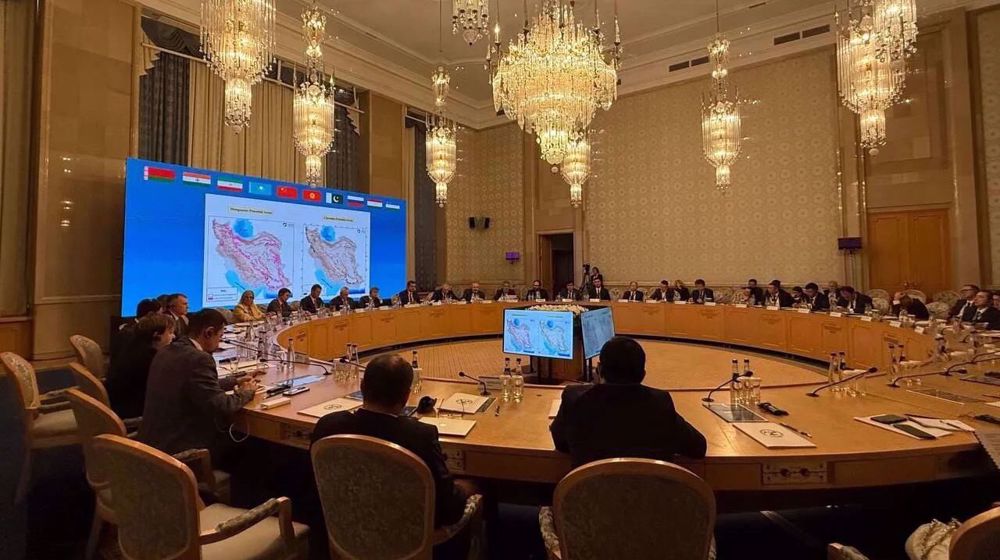
Iran finds new platform in SCO to develop its rare-earth potential
Discover Iran: Tabriz, where Iran’s Silk Road legacy meets industry, trade and a new economic future



Top Iranian MP mocks US claims of fuel crisis, warns against miscalculation
Israel has carried out 1,068 incursions into Syria since Assad’s fall: Report
Pentagon says four killed in US strike on alleged drug boat in Caribbean
Iran sets 7 conditions for US to escape war quagmire: Rezaei
Stories Beyond Numbers: Mojtaba, three-day-old infant whose life was cut short before it could bloom
Discover Iran: Tabriz’s ‘Mausoleum of Poets,’ where centuries of Persian literary history live on
Moscow intercepts massive Ukrainian drone strike amid elections; civilian casualties reported
Understanding Iran’s tourism momentum amid war and sanctions


 PressTV NEWSLETTER
now
PressTV NEWSLETTER
now
 This makes it easy to access the Press TV website
