Oncopore G2121: Iran breaks into world's elite league of electrochemotherapy innovators
By Ivan Kesic
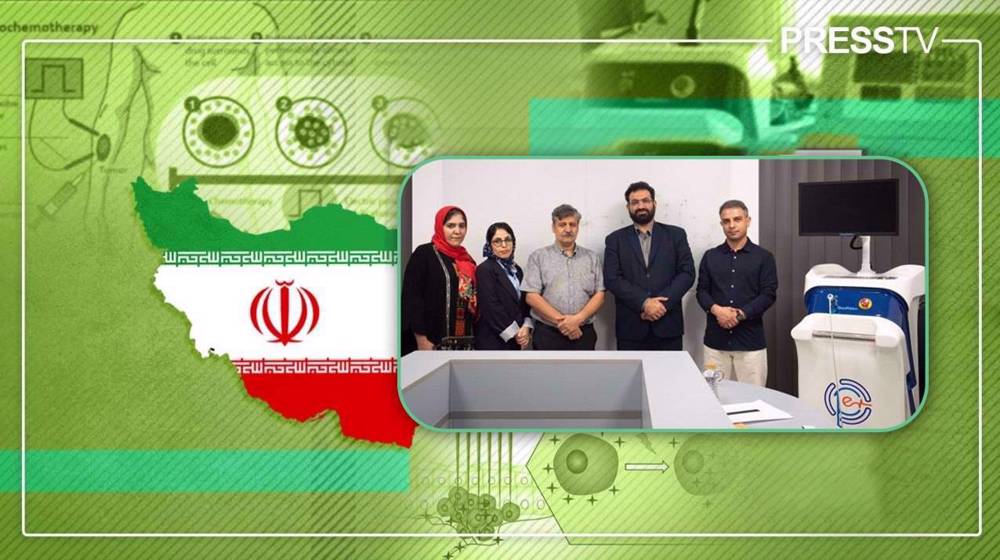
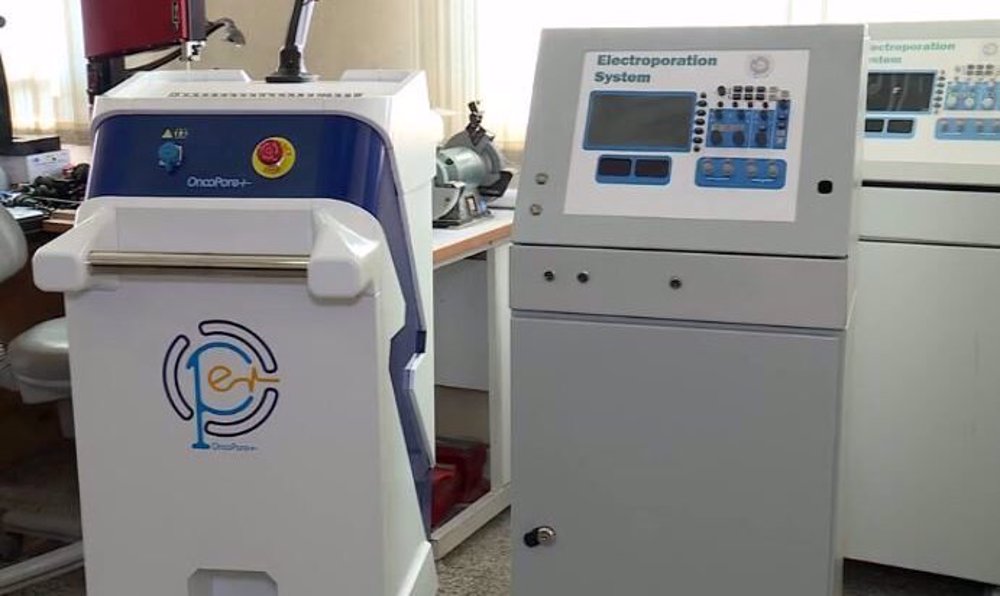
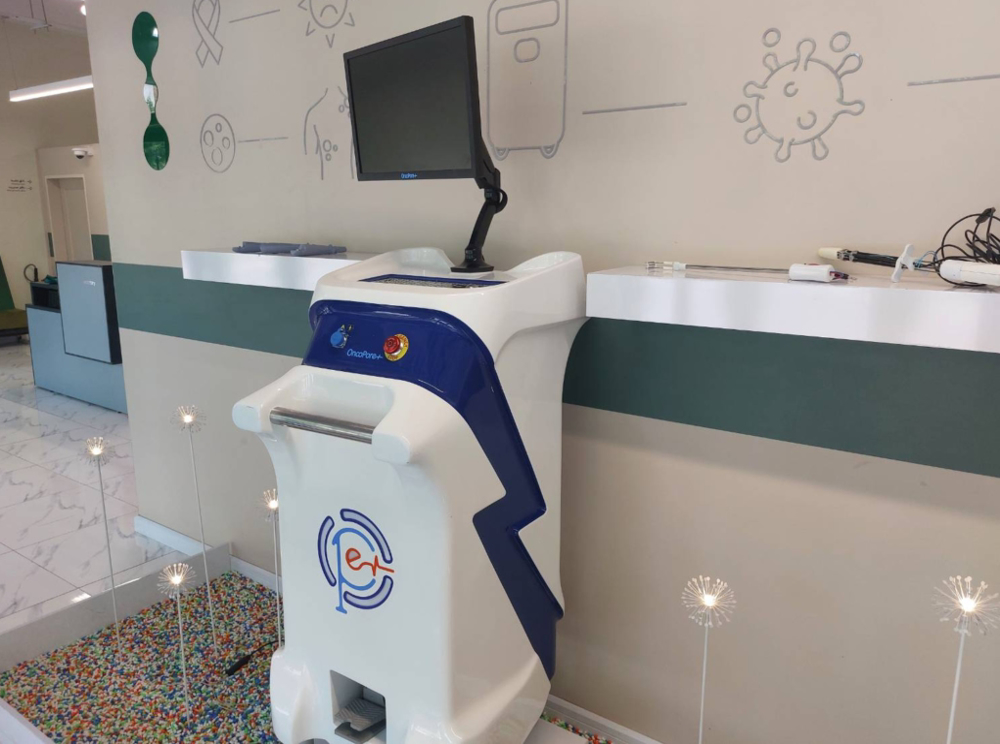
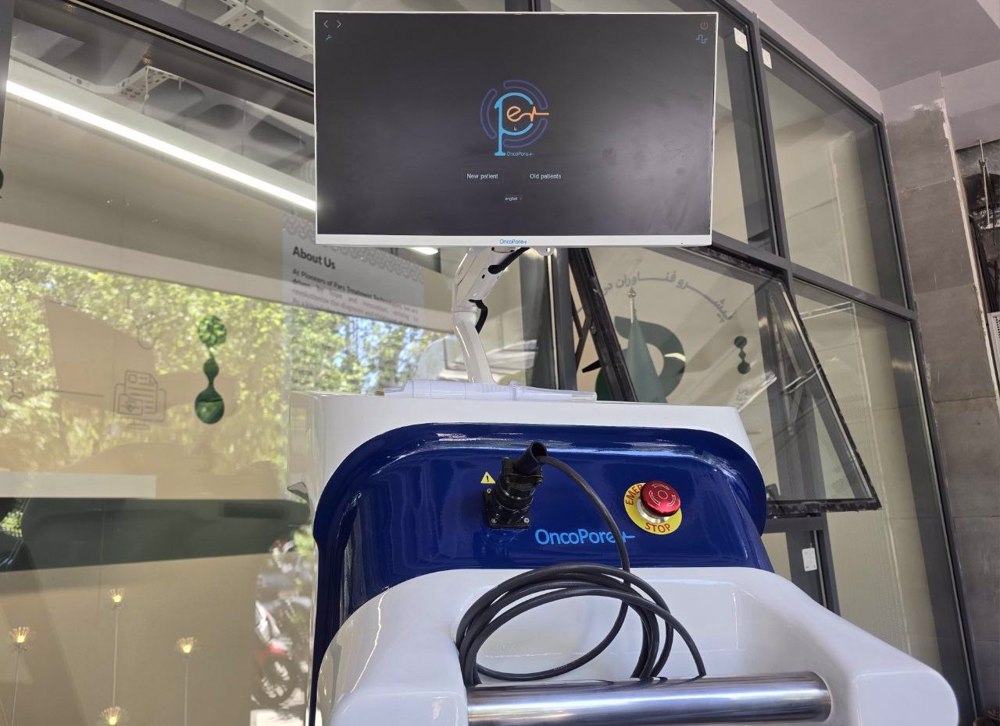
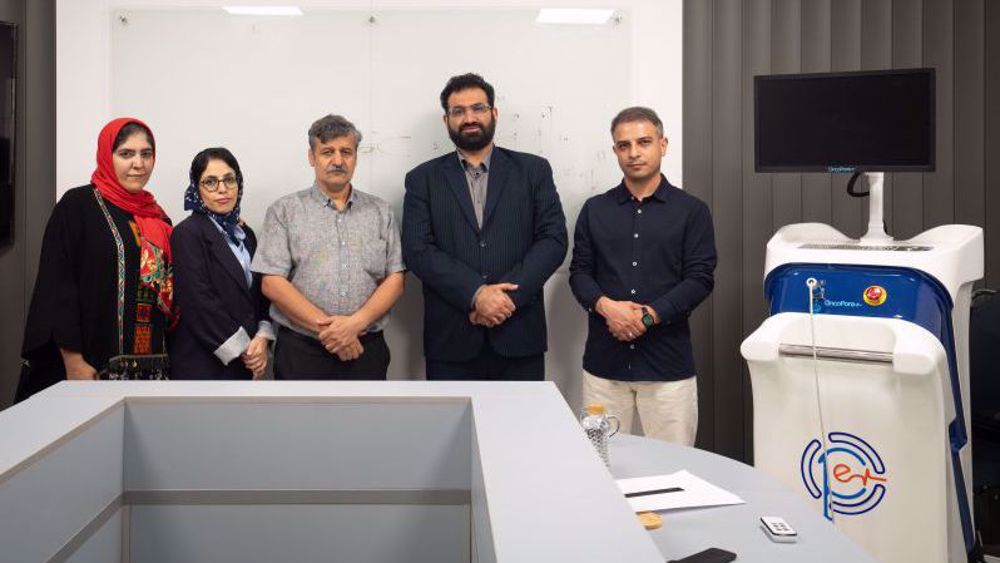
By developing the Oncopore G2121, a domestically produced electrochemotherapy (ECT) system equipped with proprietary probe technology unmatched by any foreign equivalent, Iran has joined the United Kingdom and Italy as one of only three countries in the world capable of manufacturing this sophisticated cancer treatment device.
Electrochemotherapy represents a paradigm shift in modern oncology, offering a highly targeted and minimally invasive method of destroying cancerous tumors.
The technology works by delivering precisely controlled electric pulses that temporarily increase the permeability of cancer cell membranes, enabling chemotherapy drugs to penetrate malignant cells at dramatically higher concentrations while minimizing damage to surrounding healthy tissue.
For decades, this cutting-edge technology remained the exclusive preserve of a handful of European manufacturers. Patients in Iran and much of Asia were therefore compelled to depend on expensive imported equipment, foreign technical specialists, and, in many cases, costly travel abroad to gain access to treatment.
That reality changed in late May 2025, when experts at Pars Pioneers in Therapeutic Technologies Company, based at the Tehran University Science and Technology Park, successfully established and launched the country's first domestic production line for electrochemotherapy devices, marking a significant milestone in Iran's medical technology sector.
The Oncopore G2121 represents far more than a successful import-substitution initiative. It embodies genuine technological innovation, incorporating proprietary probe designs with no known foreign counterparts and delivering clinical outcomes that have been documented and validated in peer-reviewed international scientific journals.
With more than 2,000 patients already treated using the technology and a price tag approximately 40 to 50 percent lower than comparable foreign systems, Iran has emerged as a leading Asian developer of advanced electrochemotherapy technology, offering renewed hope to patients battling skin cancer, breast cancer, melanoma, and deep-seated malignancies affecting vital organs such as the liver and pancreas.
Science of electrochemotherapy: How Oncopore G2121 works
Electrochemotherapy represents a fundamentally different approach to cancer treatment than conventional therapies. Unlike systemic chemotherapy, which floods the entire body with cytotoxic drugs and often causes debilitating side effects, ECT is a highly targeted treatment that concentrates its therapeutic effect precisely at the tumor site while largely sparing healthy tissue.
The Oncopore G2121 system achieves this through the controlled delivery of electrical pulses directly to the cancerous tissue. These carefully calibrated pulses temporarily create microscopic pores in the membranes of malignant cells, dramatically enhancing their ability to absorb chemotherapy drugs without permanently damaging the cells' structural integrity.
This phenomenon, known as electroporation, increases the permeability of cancer cells by approximately one thousandfold, enabling chemotherapy agents, most commonly bleomycin, to penetrate tumor cells with unprecedented efficiency.
As a result, the drug's cancer-killing potential is significantly amplified while the amount of medication required and its systemic toxicity can be substantially reduced.
The clinical procedure itself is remarkably simple, efficient, and minimally invasive. Treatment begins with the administration of bleomycin, either intravenously or through direct injection into the tumor. Approximately eight minutes later, allowing sufficient time for the drug to distribute throughout the target tissue, the physician positions the Oncopore G2121's electrodes over or within the tumor.
The system then delivers a precisely programmed train of eight electrical pulses at a frequency of 5,000 Hertz. Each pulse lasts just 100 microseconds, with voltage amplitudes ranging from 600 to 1,000 volts depending on the electrode configuration, tumor location, and treatment depth, ensuring optimal therapeutic efficacy while minimizing damage to surrounding healthy tissue.
Despite the sophistication of the technology, the entire treatment session typically lasts only about 20 minutes and, in most cases, does not require hospital admission, allowing patients to return home shortly after the procedure.
Because electroporation enables chemotherapy drugs to enter malignant cells at dramatically enhanced rates while leaving normal cells largely unaffected, patients experience only a fraction of the adverse effects commonly associated with conventional chemotherapy. The result is a treatment that is not only more precise but also significantly safer and better tolerated.
One of the defining innovations of the Oncopore G2121 is its extensive portfolio of specialized probes, a feature that distinguishes the Iranian system even from well-established international competitors.
Whereas conventional electrochemotherapy systems available worldwide typically provide around five electrode configurations, Iranian researchers have designed, engineered, and manufactured more than 17 specialized probe models tailored to a wide range of tumor types and anatomical locations.
Among these are a vacuum probe for superficial tumors that ensures optimal contact with the skin and more uniform energy delivery, a retrovisional probe equipped with an integrated camera and adjustable electrodes specifically designed for the treatment of vaginal tumors, and a needle-free oral handpiece capable of accessing deep-seated tumors of the mouth and throat with greater precision and patient comfort.
This diverse portfolio of proprietary probes has dramatically expanded the clinical applications of electrochemotherapy, enabling physicians to treat tumors located in anatomical regions that were previously inaccessible or extremely difficult to reach using conventional ECT systems.
These include malignancies affecting the liver, pancreas, colon, and perianal region. The engineering expertise and intellectual property underpinning these specialized probes are entirely indigenous, proprietary, and, according to their developers, have no foreign analogues.
Clinical applications and documented efficacy
The Oncopore G2121 has demonstrated remarkable results across a wide spectrum of malignancies. Clinical applications include cutaneous squamous cell carcinoma (SCC), basal cell carcinoma (BCC), melanoma, breast cancer (particularly for local lesions or patients unresponsive to conventional treatments), liver tumors, pancreatic tumors, and oral cavity lesions.
More than 2,000 patients have received treatment using this technology, with over 200 cases achieving successful outcomes that prevented the need for amputation, a result of profound clinical and human significance.
Peer-reviewed validation of the Oncopore G2121 has appeared in international scientific journals. A prospective case series published in the journal Technology in Cancer Research & Treatment in 2025 evaluated 26 patients with 104 cancerous nodules treated using the Oncopore system.
The study reported a 100 percent overall response rate at one month following treatment, with 53 lesions achieving complete clinical response and 51 showing partial response.
Basal cell carcinoma demonstrated notably higher complete response rates, with 96 percent of BCC nodules achieving complete remission.
The study documented that the most common adverse effect was temporary pain, which resolved within 48 hours in 86.5 percent of cases, and no major complications were observed.
A second study published in the European Journal of Cancer Care in July 2025 evaluated the safety of ECT for large solid tumors, specifically investigating concerns about tumor lysis syndrome, a potentially life-threatening condition associated with rapid tumor destruction.
The study followed 15 patients with advanced or metastatic solid tumors, including sarcoma, squamous cell carcinoma, invasive ductal carcinoma, and angiosarcoma.
Eleven patients achieved complete remission, while four showed partial response, with a mean tumor area reduction of 90 percent.
Crucially, no patients developed tumor lysis syndrome, and adverse effects were minimal, with only four patients experiencing transient acidosis that resolved without intervention.
The study concluded that ECT is an effective and safe treatment for large solid tumors with no serious complications.
Clinical reputation and expert testimony
The Oncopore G2121 has earned the confidence of Iranian oncologists, pain specialists, and clinical oncologists who have integrated it into their treatment protocols.
Dr. Amir Hossein Moradi, an oncology specialist, has stated that until now, advanced pain relief treatments for cancer patients were only possible with the presence of European teams and imported devices, and that witnessing this technology being produced domestically represents a great honor for Iranian medicine.
Dr. Mahsa Aghajani, a pain specialist who worked in this field for years under dependence on imported technology, has expressed hope that Iranian patients will now receive quality treatment without waiting and at lower cost.
Dr. Kamran Yousefi, a radiotherapy oncology subspecialist, has noted that for the first time, services previously available only in Europe are now being provided in Iranian hospitals by a domestic company, allowing patients to be treated without traveling abroad.
Dr. Narges Safavi, a palliative medicine specialist, has declared that the existence of this technology in Iran means more hope for cancer patients, with no further need for rented devices and foreign forces.
Dr. Farzad Tajik, a clinical oncologist, has stated that producing this device in Iran and sending professional treatment teams to various medical centers has given hope and peace to patients and their families.
The device is currently operational in more than seven active medical centers across Iran, with primary concentration in Tehran province and additional centers in Khorasan Razavi, Isfahan, and Mazandaran provinces, with expansion plans underway for ten additional provinces.
Hospitals utilizing the technology include Imam Khomeini Hospital, Rasoul Akram Hospital, and Shohada-ye Tajrish Hospital in Tehran, as well as Javad Al-Aemeh and Bentolhoda hospitals in Mashhad, Al-Mahdi Private Medical Center in Ardabil, Shahid Sadoughi Hospital in Yazd, and Alborz Subspecialty Hospital.
The Cancer Institute of Imam Khomeini Hospital in Tehran, under the leadership of Dr. Seyed Rouhollah Miri, has been a particular center of excellence for ECT, treating patients with advanced and treatment-resistant tumors.
Oncopore G2121 compared to international systems
The global electrochemotherapy market includes several established manufacturers.
IGEA of Italy, founded in 1980 as a spin-off from the University of Modena, produces the Cliniporator system, which was developed through the European Union-funded ESOPE project and received CE certification for clinical routine use across Europe.
Scandinavian ChemoTech AB of Sweden manufactures the IQWave system, which similarly uses electroporation to enhance chemotherapy delivery for cutaneous and subcutaneous tumors.
BIOTEX of Argentina produces electroporation systems for both veterinary and human medicine, operating in more than 30 countries across Latin America, Europe, and Asia.
The United States also produced the MedPulser clinical electroporator, released by BTX in 2004, though its clinical use has been primarily outside European Union countries.
When placed alongside these international competitors, the Oncopore G2121 compares favorably and in several respects exceeds established systems.
The Iranian device’s most significant advantage lies in its probe portfolio.
While IGEA’s Cliniporator offers hexagonal and linear needle arrays for subcutaneous tumors and plate electrodes for cutaneous tumors, the Oncopore G2121 provides more than 17 specialized probe types, including configurations for vaginal tumors with integrated cameras and needle-free oral handpieces that no foreign competitor offers.
This expanded capability allows Iranian physicians to treat tumors in anatomical locations that international systems cannot adequately address.
In terms of treatment outcomes, the clinical data for Oncopore G2121 is fully competitive.
The reported 100 percent overall response rate and 53 percent complete response rate at one month compare favorably with international literature, where meta-analyses have reported complete response rates of 47 percent and objective response rates of 82 percent across 29 studies comprising 1,503 patients.
The Iranian device’s ability to treat large solid tumors without causing tumor lysis syndrome, as documented in professional studies, represents a significant safety validation.
The economic advantages of the Oncopore G2121 are substantial as the device is generating an income and foreign exchange savings for Iran, also eliminating the need for imports.
Additionally, the device has been manufactured in compliance with CE standards and international requirements, positioning it for export to regional and global markets.
The service and support infrastructure further differentiates the Oncopore G2121 from imported alternatives. Pars MEDEQ maintains a team of specialists who provide installation, training, and ongoing technical support directly to Iranian hospitals.
This stands in contrast to foreign systems, where repair and maintenance depend on third countries and international shipping of spare parts.
As the company’s CEO has noted, when imported equipment such as an MRI machine breaks down, its repair depends on foreign manufacturing companies, while domestic equipment keeps all technical knowledge, design, and services within the country.
Perhaps the most significant indicator of the Oncopore G2121’s quality is its acceptance by the international scientific community.
The device has been used as the research platform for peer-reviewed studies published in indexed journals, demonstrating that it meets the rigorous standards required for clinical research.
This acceptance positions Iran not merely as a consumer of medical technology but as a contributor to the global scientific literature on electrochemotherapy.
Economic impact and future prospects
The localization of electrochemotherapy technology has generated substantial economic benefits for Iran, as the device’s lower price point makes advanced cancer treatment accessible to a broader patient population.
The technology is currently on the path to insurance coverage, having received necessary ethical approvals, coefficient K, and treatment tariff designations.
Pars MEDEQ has already initiated export activities, with contracts signed with Armenia, Afghanistan, and Iraq.
Physicians from Iraq and Afghanistan have traveled to Iran to receive specialized training in the technology, establishing Iran as a regional center of excellence for electrochemotherapy.
Joint scientific collaborations have also been formed between the company, Tehran University of Medical Sciences, and Russia’s Sechin University, demonstrating the technology’s potential for international technology transfer.
The company’s leadership has emphasized that despite recent challenges affecting the supply of raw materials, activities in cancer treatment cannot stop, as cancer does not permit interruptions in medical service delivery.
The Oncopore G2121 represents a milestone not merely for Iranian oncology but for the broader principle that advanced medical technology need not be the exclusive preserve of Western manufacturers.
By developing proprietary probe designs, achieving clinical outcomes documented in international journals, and offering the technology at a significantly lower price point, Iran has demonstrated that domestic innovation can match, and in some aspects surpass, the achievements of established international competitors.
For cancer patients in Iran and the region, this means access to a safe, effective, and affordable treatment that preserves quality of life while destroying malignant disease.

Iran develops smart device to measure depth of anesthesia using EEG, brain modeling
Defense Industry Day: How Iran turned sanctions into strength and rose as a global military power
Iranian nanotech breakthrough promises low-cost, more efficient copper extraction



Iran’s giant solar leap: A 5,000-megawatt project in Isfahan
VIDEO | Yemeni women mark birth anniversary of Prophet Mohammad (PBUH)
VIDEO | Press TV's news headlines
VIDEO | Dozens of Israel-backed militia members in Gaza surrender
VIDEO | One year on: Israel’s double-tap massacre at Gaza’s Nasser hospital
Iran’s parliament speaker scoffs at US treasury secretary’s contradictory ‘Economic D-Day’ remarks
VIDEO | Backlash against US economic war
Iran details temporary Hormuz arrangement with Oman; vows reopening tied to fulfillment of demands


 PressTV NEWSLETTER
now
PressTV NEWSLETTER
now
 This makes it easy to access the Press TV website
