Iraq expects millions to join Martyr Leader’s funeral in Najaf, Karbala
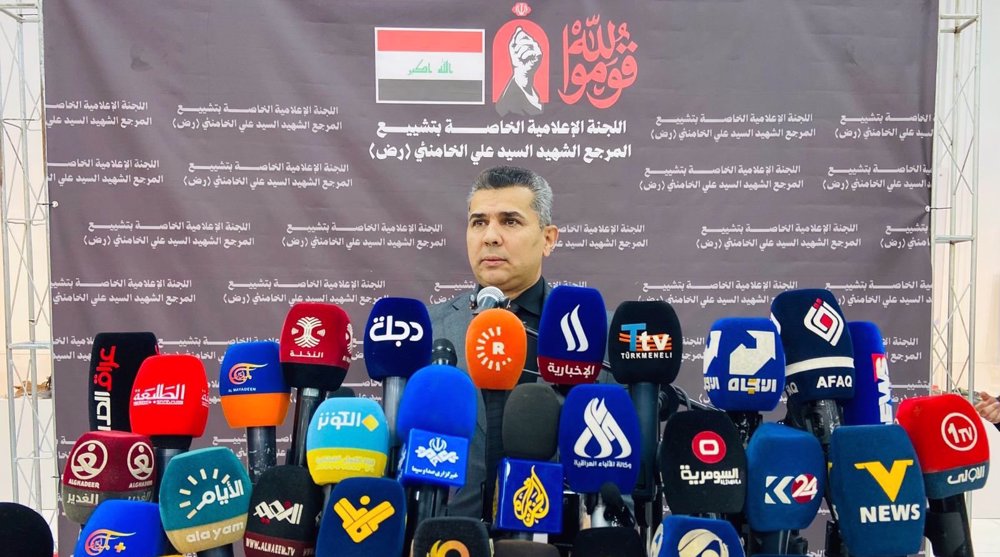
Millions of people are expected to attend funeral ceremonies in Iraq for martyred Leader of the Islamic Revolution Ayatollah Seyyed Ali Khamenei, a spokesman for the Iraqi media committee organizing the event has said.
The funeral will be held in the holy cities of Najaf and Karbala, with no ceremonies planned in Baghdad due to time constraints, said Saad Maan, spokesman for the committee, on Thursday.
"Preliminary estimates indicate that millions will participate in the funeral procession of the martyr Ayatollah Khamenei in Iraq," Maan told a news conference.
He said all necessary facilities and resources have been prepared to ensure orderly coverage of the event, and called on citizens to cooperate with security and service agencies to ensure its success.
Maan added that meetings with all parties involved in the funeral arrangements are ongoing, and that all relevant authorities are in full readiness.
"We are in the process of finalizing the final details of a flexible plan to organize the funeral ceremonies," he said, adding that another news conference will be held on Sunday or Monday to provide further details.
He explained that holding funeral ceremonies in Baghdad is not feasible due to the short timeframe, with Iraq having only 24 hours to prepare. As a result, events will be confined to Najaf and Karbala.
The Iranian Red Crescent Society has also announced preparedness to provide services during the funeral ceremonies in both Iran and Iraq.
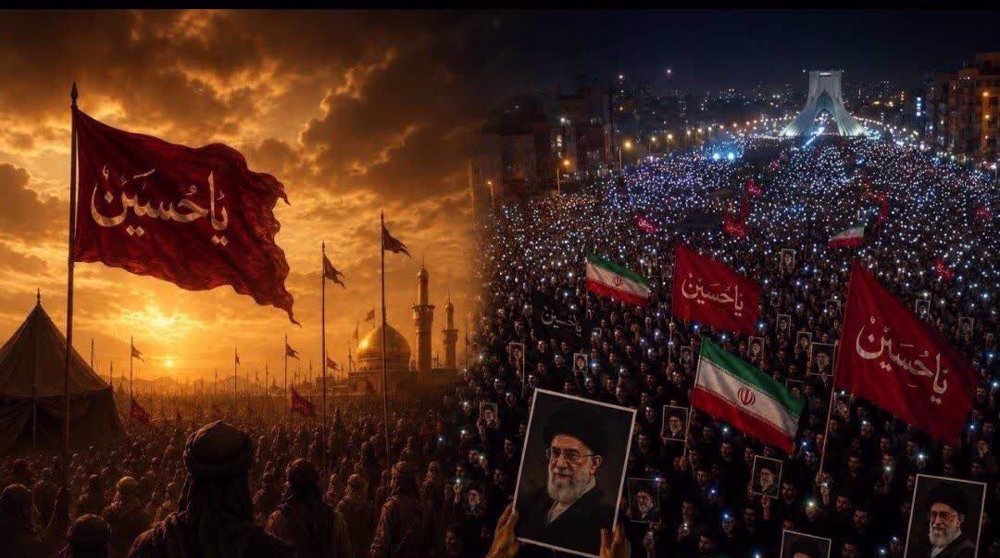
Faily Kurds prepare for massive preparation
Iraq's Faily Kurds National Congress called on all Faily Kurds and the Iraqi public to take part in the funeral procession in Najaf and Karbala.
In a statement issued on Thursday, the community urged all Iraqis to attend the funeral procession of the martyred Leader on July 8.
“This call stems from our religious and moral responsibility, the historical and doctrinal identity of the Faily Kurds, and our commitment to embodying the values of loyalty and steadfastness to the principles for which the sons and daughters of this community have long been known,” the statement read.
The Faily Kurds are a predominantly Shia Kurdish community living mainly along the Iraq–Iran border, particularly in eastern Iraq and western Iran. They have historically faced persecution, particularly under the regime of Saddam Hussein, including mass deportations, denaturalization, and confiscation of property during the 1970s and 1980s.
“Participation in this ceremony also reflects loyalty to and appreciation for the late martyr's support for the oppressed, his defense of the causes of the Islamic Ummah, and his backing of the legitimate demands of the Faily Kurds,” the statement added.
The congress stressed the importance of “this honorable participation” and called on members of the Faily Kurdish community in Iraq and around the world to remain, as they have throughout history, a symbol of unity, solidarity, and cohesion.
It stressed that their presence would demonstrate the depth of the fraternal ties between Iraq and Iran while preserving the memory of “this painful occasion.”
Earlier Thursday, the spokesman for the Iraqi army's joint staff said that the “pure body” of the late Leader would be escorted in a funeral procession from Kufa to Najaf at 6:00 a.m. local time on July 8, “with the participation of millions of Iraqis.”
“At 4:00 p.m. local time, the body will then be taken through parts of the holy city of Karbala before funeral ceremonies are held at the shrines of Imam Hussein (AS), the third Shia Imam, and his brother Abu al-Fadl al-Abbas (AS),” General Maan said.
He also noted that foreign delegations would participate in the funeral procession.
On Tuesday, Iraq's Alhurra television network reported on preparations for the funeral ceremonies in Iraq, saying that the country's Arbaeen Committee has been tasked with organizing the events.
Martyred Leader’s funeral debunked Iran isolation narrative, revealed Muslim unity as lived reality
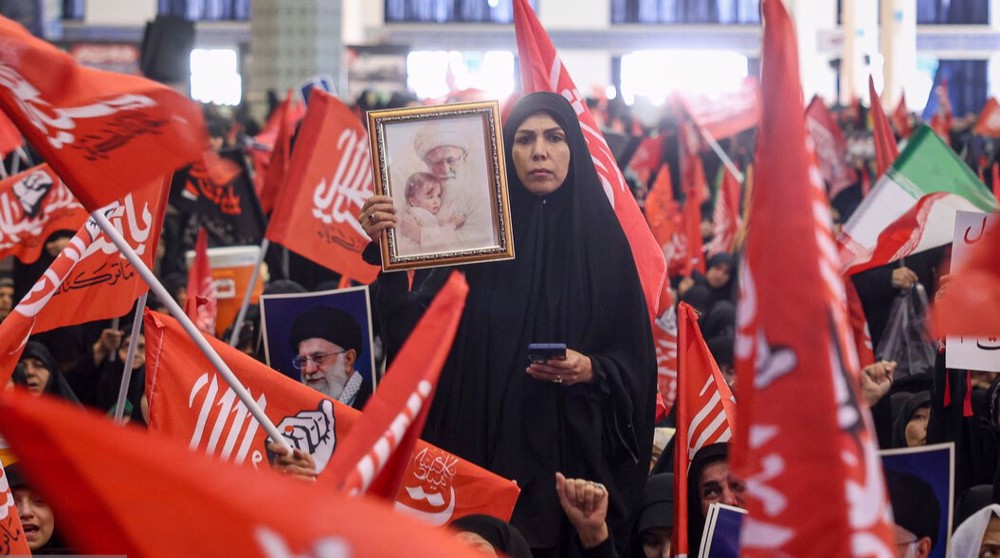
Red flags of vengeance fly as crowds mark 40th day of martyred Leader’s funeral

Gayatri and George Galloway



Zionist settlers murder 19-year-old in West Bank amid record surge in violence
Saudi airstrikes intensify as Yemeni army advances toward Taiz
VIDEO | On Non-Violence Day, Gazans still suffer Israeli brutality
Iraqi resistance official hails public defiance that broke US siege on Najaf-Iran flights
Iraq allows 40 daily Iranian flights to and from Najaf after protests over US sanctions
Israel intensifies al-Aqsa incursions as over 11,400 settlers storm holy site
China calls for respecting Iran's right to peaceful use of nuclear energy
Seoul demands Ukraine apology after Zelensky discloses North Korean POW transfer


 PressTV NEWSLETTER
now
PressTV NEWSLETTER
now
 This makes it easy to access the Press TV website
