European anti-imperialist groups arrive in Iran for Martyr Leader's funeral
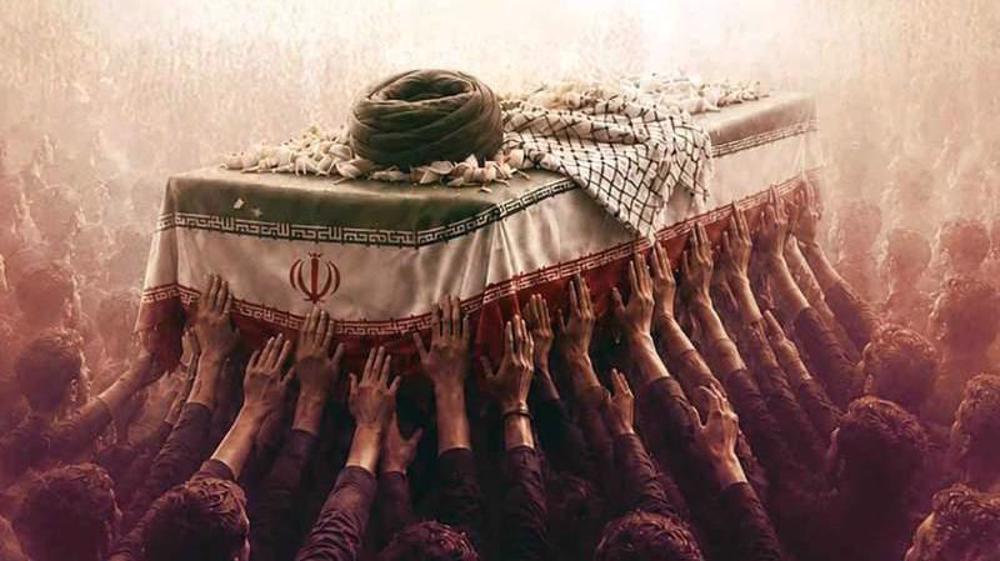
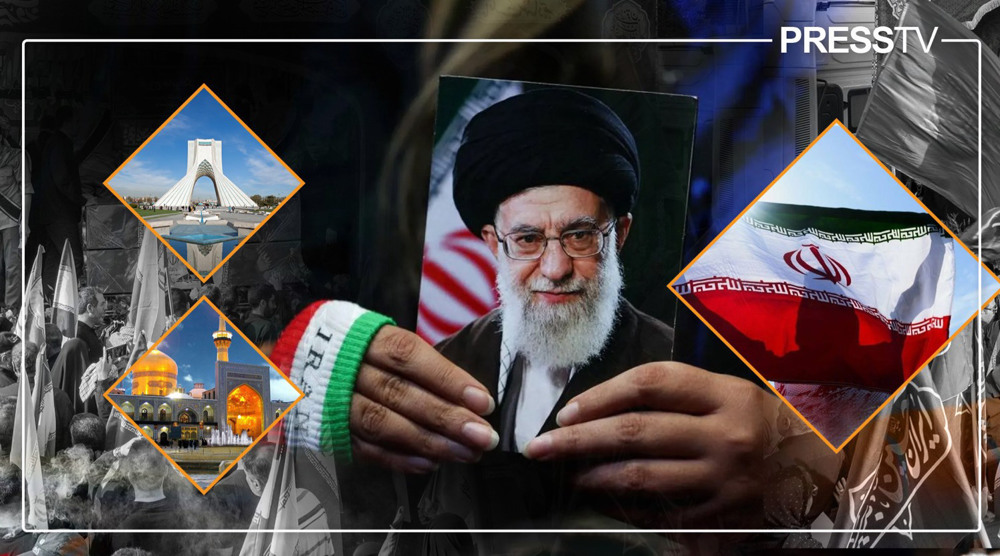
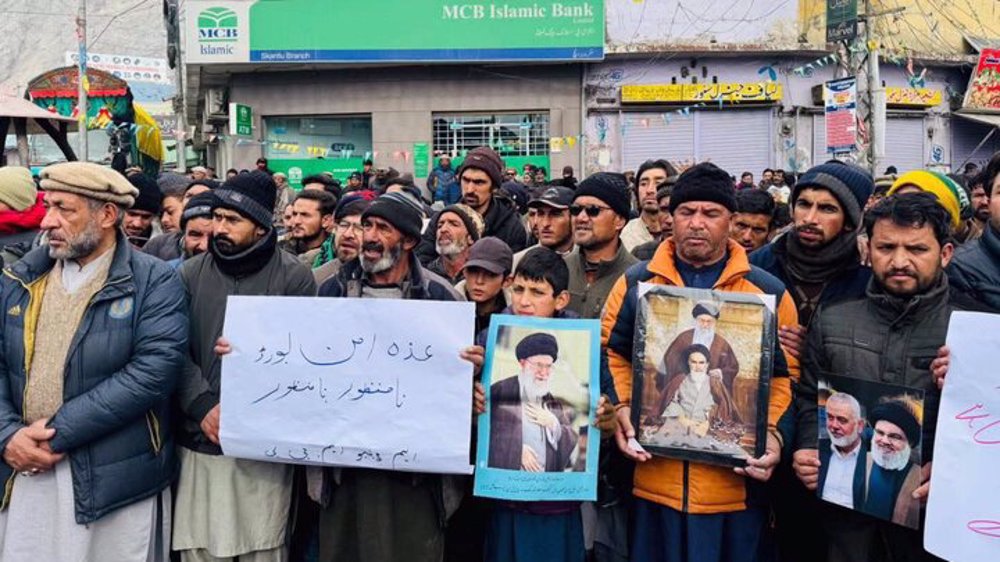
A caravan of anti-imperialist activists, academics, journalists, and representatives of Islamic centers from across Europe are traveling to Tehran to participate in the funeral procession of the martyred Leader of the Islamic Revolution Ayatollah Seyyed Ali Khamenei.
The groups, which include members of Italy's anti-imperialist axis, researchers, university professors, journalists, anti-war union representatives, and supporters of the Islamic Revolution, have begun arriving in Iran despite the absence of official invitations from European governments, IRNA reported Thursday.
One diplomatic source said the funeral procession for Imam Khamenei has drawn activists and intellectuals from across Europe who want to express solidarity with the Iranian people and their resistance against the 'great and small Satan' alliance.
The delegation includes figures who view the late Leader as a symbol of independence, anti-hegemony, and support for oppressed nations over decades.
A second diplomatic source confirmed that visas have been issued for representatives from Islamic centers and institutions in the Netherlands, as well as Iranian expatriates and Iraqi and Turkish nationals residing there.
Similar movements are reportedly underway from multiple European countries, with activists, cultural figures, and Muslim community members making their way to Tehran for the farewell ceremony.
The grassroots movement, spanning various European cities, reflects the global reach of the Leader's vision of national independence and resistance against domination, sources said.
The participants are not arriving as official state delegations but as representatives of nations and movements that have long viewed the martyred Leader as a voice of resistance against hegemonic powers.
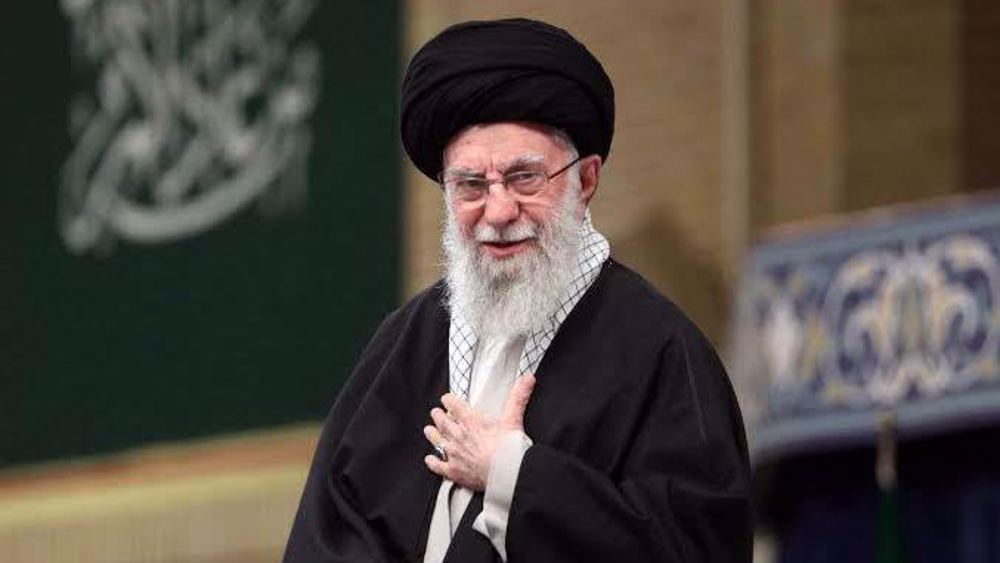
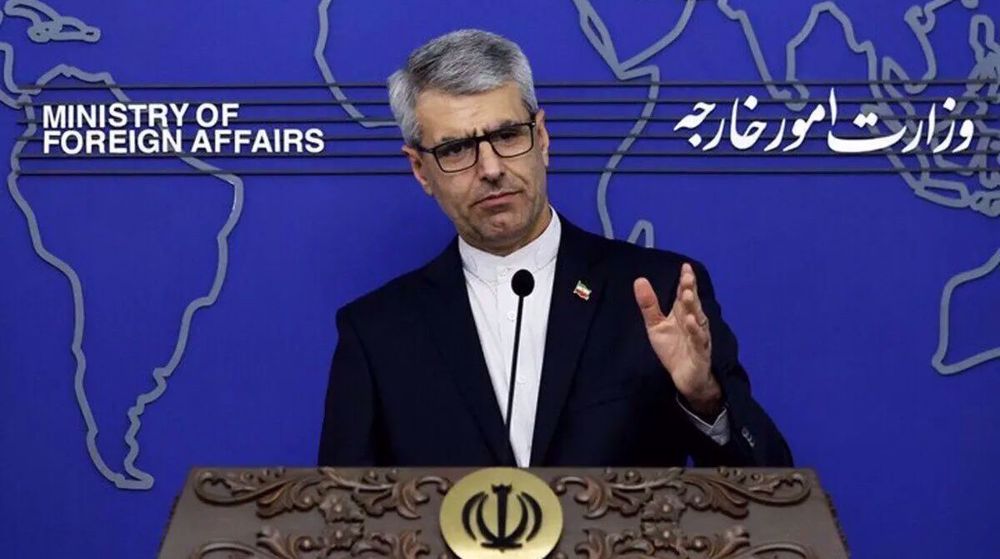
Foreign Ministry spokesman Esmaeil Baghaei, explaining Iran's decision not to issue formal invitations to European governments, said, "The reason for this decision is completely clear. Those who will participate in this funeral ceremony are those who have placed themselves on the right side of history."
"European states stood on the wrong side of history in both the past war and the recent conflict," he said.
In addition to civil society representatives, a wide range of European journalists from Britain, Denmark, Italy, the Netherlands, and Austria have also arrived in Iran or will travel to Tehran in the coming days to cover the funeral ceremonies.
The international media presence signals that the farewell ceremony has transcended a national event and become a global occasion, with the world's eyes fixed on Iran as it bids farewell to a leader who steered the Islamic Republic through one of the most turbulent periods in contemporary history.
Baghaei said the farewell and funeral ceremonies are "a historic and highly significant event, not only for the Iranian nation but for the people of the region, Muslims, and all free people of the world."
"The farewell ceremony will begin at 8 a.m. on Friday, with public tributes continuing until approximately noon. In the afternoon, from 1:30 or 2 p.m., high-ranking officials and political figures will attend," Baghaei said.
He added that Iran will host guests from around 100 countries, including heads of state, parliament speakers, foreign ministers, special envoys, and numerous public figures and grassroots groups.
Earlier, Ali Akbar Pourjamshidian, secretary of the national funeral committee, announced that senior officials and leaders from over 30 countries at various levels, as well as scholars, scientists, and religious leaders from more than 90 countries, have formally requested to attend and pay tribute to the martyred Leader.
The multi-day funeral, expected to draw between 15 and 20 million mourners in what officials say will be the largest funeral in the country’s history, will begin on Saturday with the body lying in state at Tehran’s Grand Mosalla prayer complex.
The ceremonies will continue through Monday with a funeral procession along a 10-kilometer route, followed by rites in the holy city of Qom on July 7, Iraq on July 8 and burial in Mashhad on July 9.
The ceremonies will also extend to Iraq, where processions will be held in Baghdad, Karbala and Najaf.
Ayatollah Khamenei was martyred at the age of 86 at his compound in central Tehran on February 28, the very first day of the US-Israeli war of aggression against Iran.
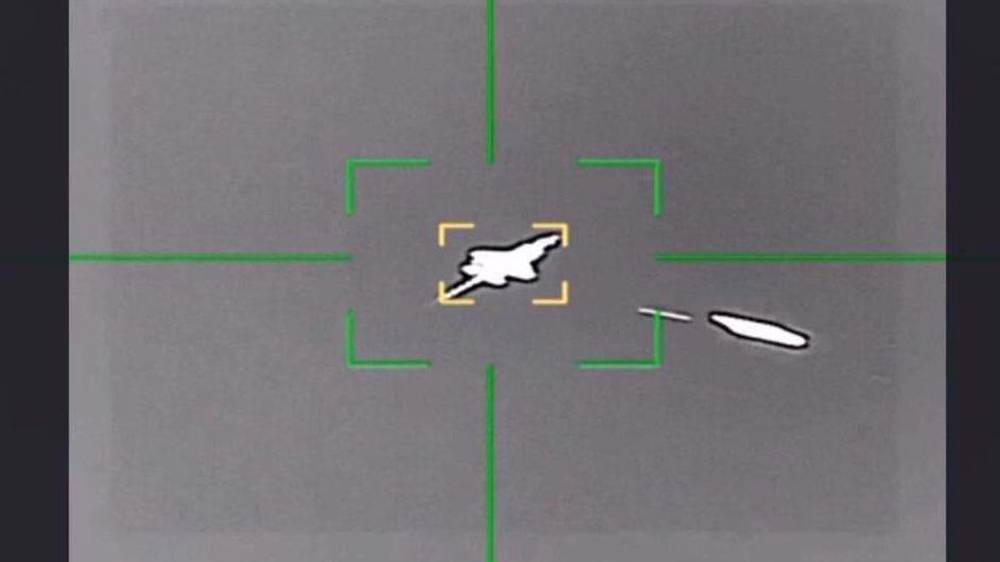
‘Live with it’: Era of US F-35s being ‘hunted down’ has begun, Qalibaf says
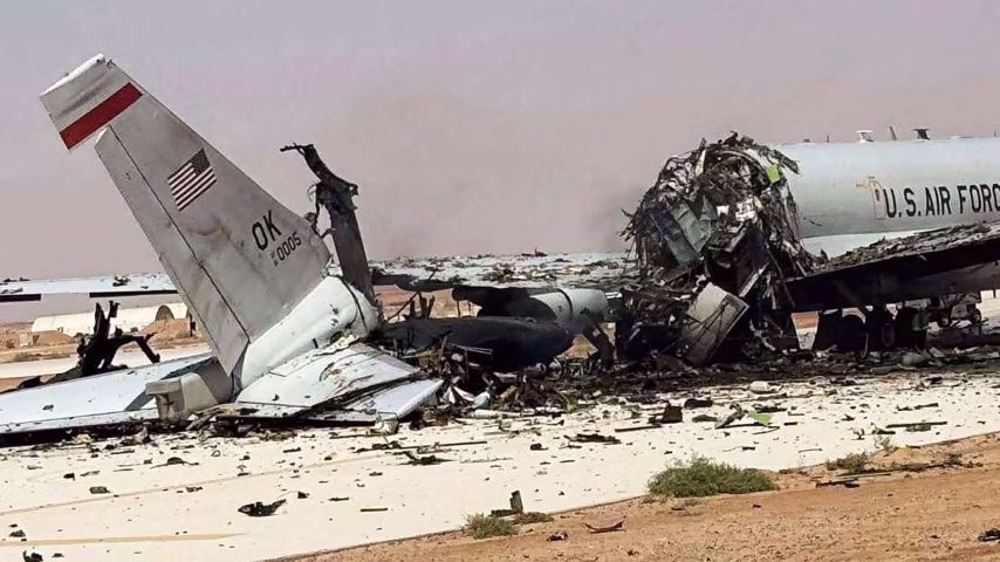
71% of US voters say Trump lacks strategy to end war on Iran: Fox News poll
Baghaei: ‘Crude’ US propaganda reveals ‘naivety’ behind ‘unlawful war of choice’ against Iran



Iran Judiciary issues indictments against US, Israeli officials over assassinations
VIDEO | Intl. Nuclear Medicine Congress wraps up in Tabriz
Man convicted of spying for Israel, providing information on missile sites executed in Iran
ICRC: Palestinians in Gaza experience ‘death, destruction’ on daily basis
Trump announces ‘security’ agreement on Greenland after threatening to annex it
CPJ slams Israel’s abduction of Press TV journalist, demands her immediate release
‘Stop your crocodile tears’: Araghchi hits back at French FM over human rights allegations
Trump bars CNN, MS NOW and Politico from White House as they question his pro-war policies


 PressTV NEWSLETTER
now
PressTV NEWSLETTER
now
 This makes it easy to access the Press TV website
