Iran's principled red lines and Trump's desperation to exit the quagmire show who holds cards
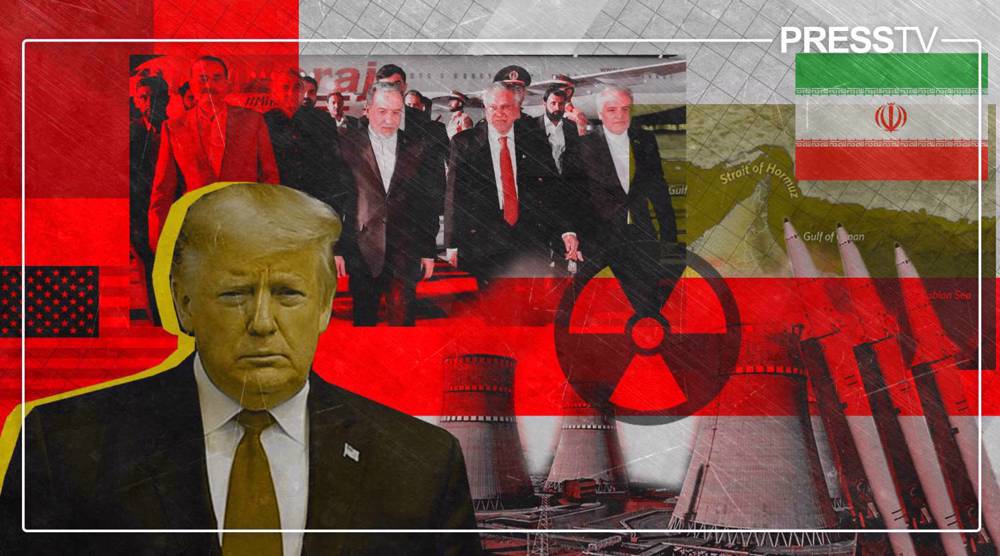
By Press TV Strategic Analysis Desk
Before they struck on February 28 – in the middle of nuclear talks – they had plotted to obliterate Iran entirely within 48 hours using the so-called "shock and awe" strategy.
They believed the Islamic Republic would surrender its nuclear program, its missiles, and its national dignity in a matter of days. That was the plan. It turned out differently.
Forty days into the US-Israeli unprovoked war of aggression against Iran, the strategic picture had inverted completely. What began as a reckless display of American military supremacy became a slow-motion portrait of American desperation and debacle.
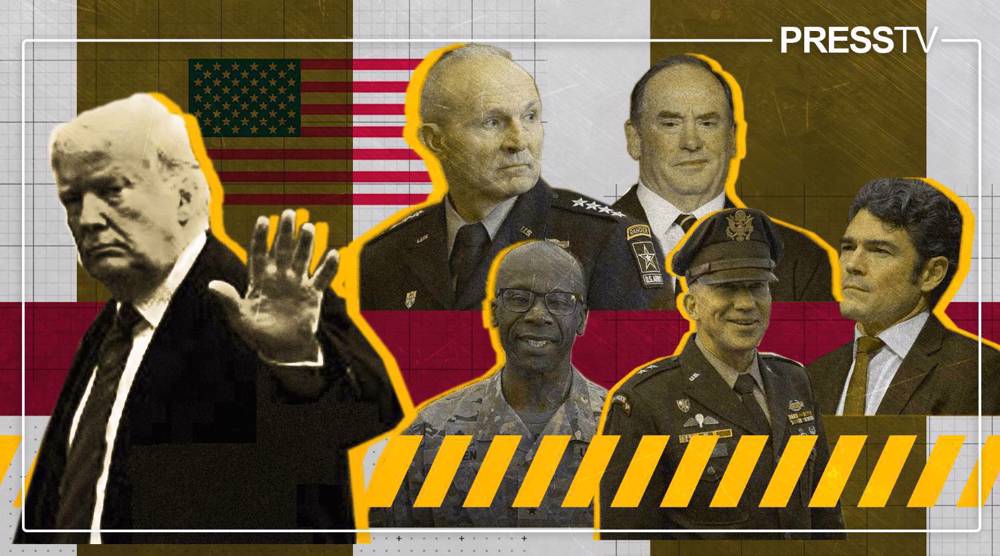
As the purposeless war dragged on, US President Donald Trump – the self-proclaimed “dealmaker” – found himself trapped in a labyrinth of his own making, with no way out.
Throughout this period, before and after the ceasefire, he kept shifting his statements and stances, constantly moving the goalposts – like a man no longer in control.
His bewilderment is no longer a tactical secret. It is a public spectacle. It has leaked from the Pentagon. It has flashed across cable news chyrons. It has whispered through the corridors of Capitol Hill. He or his aides can no longer hide it.
Every passing day erodes what remains of America's standing in the world. The so-called “superpower” has been reduced to a paper tiger. Meanwhile, Iran watches patiently, holding the hourglass over the head of a corrupt, criminal, child-murdering American president.
Iranian officials understand something Trump doesn’t, something he refuses to accept: time is the ultimate weapon, and Tehran has seized it. The US-dominated era is effectively over.
✍️ Analysis - Iran's new calculus: Full Strait of Hormuz control, no retreat on nuclear rights, and unused cards – including NPT
— Press TV 🔻 (@PressTV) April 25, 2026
By Press TV Strategic Analysis Deskhttps://t.co/JuJnfEKf7O pic.twitter.com/QnkIprd2g4
The world is no longer listening to Trump
At the start of this war imposed on the Iranian people, American propaganda dominated global airwaves. Trump's threats trended on social media. His generals held round-the-clock briefings with the confidence of men who believed they had already won.
Today, global markets, diplomatic emissaries, and media outlets are no longer hanging on to Trump's tweets, his boasts, or the hollow threats of his embattled war secretary.
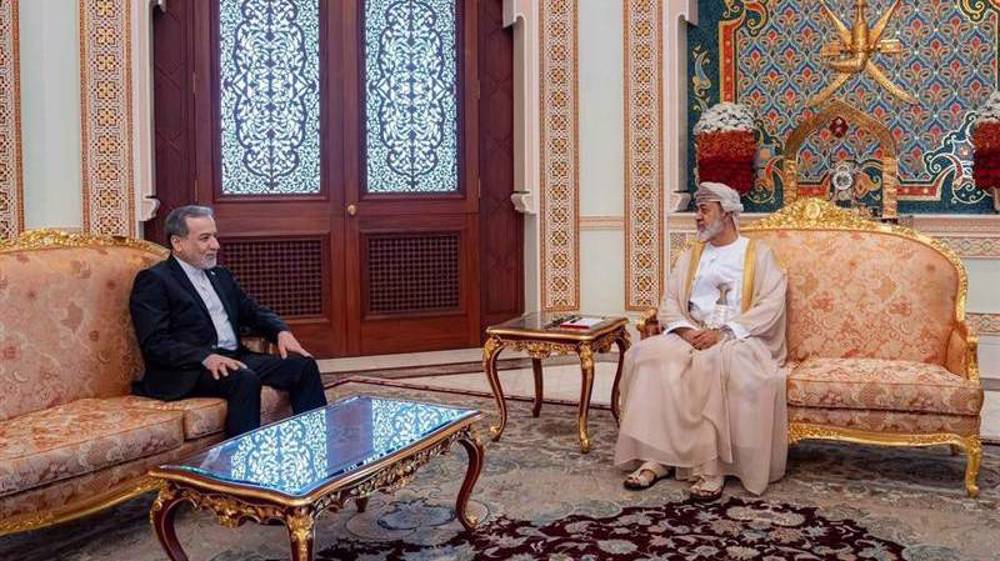
Instead, they are waiting – attentively, even respectfully – for Iran's next move. They scan Tehran for signals. They parse the statements of Iranian officials for nuance. They watch the periodic diplomatic trips of Iran's foreign minister to Islamabad, Muscat, and Moscow not as acts of desperation, but as strategic choreography.
Because the world has quietly realized what the American regime refuses to admit: Iran still holds the cards that matter. Trump has already played – and burned – nearly all of his.
Consider the inventory of Iranian leverage that remains completely untouched after the recent war: Other strategic straits beyond Hormuz that could be closed with a single decision, weapons developed and stockpiled but never yet deployed in combat, irregular naval warfare tactics kept deliberately in the shadows and waiting for the right moment to emerge, a fully intact bank of vital targets across the region and inside the occupied territories and the membership of the Nuclear Non-Proliferation Treaty (NPT).
By contrast, Trump has exhausted all options – military and non-military. His military strikes failed to break Iran's will. His naval blockade backfired, alienating allies and disrupting global oil markets. His economic pressure campaign reached its limits months ago. His move to foment internal discord in Iran collapsed the moment the Iranian leadership and people announced they stand together and rally behind their flag.
Trump has no card left to play except the role of the loser frantically searching for an exit.
✍️ Analysis - Trump’s unilateral ceasefire extension not a sign of goodwill, but fear of re-entering an unwinnable war
— Press TV 🔻 (@PressTV) April 22, 2026
By Press TV Strategic Analysis Deskhttps://t.co/qrhcDPbT21
Islamabad signal: Iran negotiates from victory, not weakness
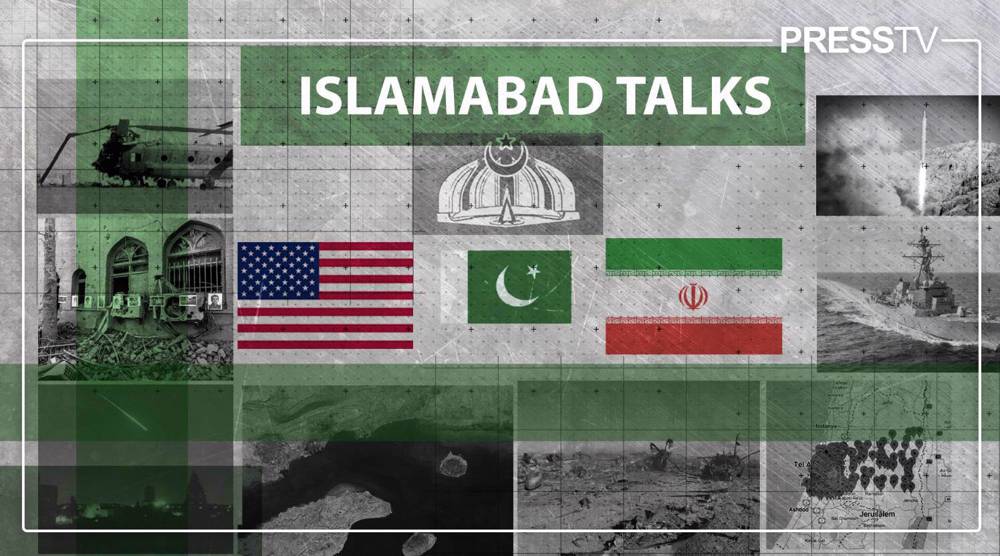
Nowhere was this power shift more visible than in Islamabad, where the two sides convened weeks ago for the first round of talks brokered by the Pakistani government.
The Iranian delegation – led by Parliament Speaker Mohammad Baqer Qalibaf – refused to make any concessions and negotiated from a position of strength, catching the Americans off guard.
Foreign Minister Abbas Araghchi's three-leg tour, beginning with Pakistan, is consistent with Iran's broader negotiating strategy. He conveyed the “workable framework” to the Pakistani negotiators to permanently end the imposed war.
It serves one clear and unmistakable purpose: to remind the US and its allies of the fundamental principles that Iran will never compromise on. And, this time, Iran is stating these terms openly, publicly, and clearly.
First of all are war reparations. America must pay for the destruction it has caused in Iran, for every bomb dropped, every building destroyed, every port damaged, every civilian infrastructure struck. The math will be done. The bill will be presented.
Secondly, the Strait of Hormuz is no longer an international waterway that will operate on America's terms. The previous era, when US warships came and went as they pleased, when American carriers transited without acknowledgment of Iranian sovereignty, is gone forever. Iran's control over the strait is absolute and non-negotiable now.
Thirdly, neither Iran's nuclear program nor its missile capabilities will ever be discussed at any negotiating table in the future. These are not bargaining chips. These are permanent assets of the Iranian nation, earned through decades of sacrifice, defended through decades of sanctions, and now secured through forty days of imposed war of aggression.
This is not the language of a player seeking a ceasefire. This is the language of a political victor laying down the terms and holding all the cards.
Iran's conduct in Islamabad – dignified, self-assured, and indifferent to American psychological warfare – proved beyond any doubt which side believes it has won. The Iranian delegation did not lower its guard. It did not plead. It negotiated with conviction.
This time, during Araghchi's visit to Islamabad, US media reported that American negotiators, Steve Witkoff and Jared Kushner, were ready to board the 18-hour flight to hold talks with the Iranian side. But Iran had already made clear that there would be no discussions. So the flight was canceled, and Trump said he would wait for Iran's call.
✍️ Analysis - Iran's unity buries 'discord' lie as US loses on every front – including psychological one
— Press TV 🔻 (@PressTV) April 24, 2026
Press TV Strategic Analysis Deskhttps://t.co/Hqz9NoF0xO pic.twitter.com/ONcWKRLIJl
Trump's desperate off-ramp: A loser begging for a new table
Washington's eagerness to return to the negotiating table has become almost painful to watch. American media, clearly directed by US officials, spent nearly two weeks setting and then missing fake deadlines for a second round of negotiations with Iran.
First Monday. Then Tuesday. Then Wednesday. Then Friday. Each deadline came and went in silence. No talks materialized. No Iranian delegation arrived. Because Iran never promised to send one until the American side learned the art of negotiating in good faith.
Every remaining pillar of Trump's war strategy has collapsed in plain sight.
The military option, once presented as America's ultimate trump card, has been exposed as limited, costly, and strategically useless. Forty days of bombing failed to force Iranian submission. More bombing will not succeed where forty days failed.
The naval blockade, intended to suffocate Iran's economy, instead disrupted global shipping, alienated European allies, and pushed up oil prices in ways that hurt American consumers.
The economic pressure campaign, which means sanctions, sanctions, and more sanctions, reached the point of diminishing returns long ago. Iran's economy has adapted. Its people have endured. The promised collapse never came.
The sedition option, in hopes of provoking internal discord among Iranian officials or between the government and the people, was destroyed by the unified display of national cohesion, both by the country’s top officials and the people on the streets.
With all routes closed, Trump has no choice but to beg for a new round of negotiations.
But as Iran's foreign minister made clear in Islamabad, those hopes have already been dashed. Iran will not sit across from a loser pretending to be a winner. It will not legitimize American aggression by granting it the dignity of a negotiated off-ramp, at least not on America's terms.
If there is to be a negotiation, it will happen when Iran decides and on Iranian terms.
✍️ Analysis - Battlefield has spoken: Trump wants an off-ramp – concessions to Iran are the only way out
— Press TV 🔻 (@PressTV) April 19, 2026
By Press TV Strategic Analysis Deskhttps://t.co/FqoVcXvp8l
The shooting in Washington: Staged exit or final trap?
As if to underline America's complete unraveling, a strange and suspicious incident unfolded in Washington DC on Sunday, during the White House Correspondents' Association dinner.
On any normal day, this would be the lead story around the world. And yet – naturally – its timing has raised more questions than it has answered.
First, it successfully – even if temporarily – diverted American and international public attention away from Washington's humiliation in Islamabad. The headlines shifted. The cable news chyrons changed. The story was buried before it could fully breathe.
Second, it attempted – though largely failed – to generate sympathy for Trump at home and abroad. A president under fire. A leader in danger. A nation united behind its wounded commander-in-chief. That was the script. But the script did not work.
On the contrary, many political and military observers, including experienced intelligence analysts in Europe, West Asia, and even within Washington's own ranks, do not believe this was a random act. To them, the incident bears all the hallmarks of a staged shooting: too convenient in timing, too thin in execution, and too politically useful to be coincidental.
The purpose, it appears, was to prop up Trump's collapsing domestic support by manufacturing a crisis that only he could resolve. And we have seen it before as well.
But there is a darker interpretation, one that regional military analysts are quietly discussing.
Washington may be manufacturing a pretext for something far more dangerous. If subsequent "investigations," the speed and direction of which will tell us everything, manage to pin the shooting on Iran, Trump could use that claim to achieve two critical goals:
Re-criminalize Iran in American public opinion, reversing the growing sentiment that this war was a mistake, and persuade Congress to authorize a continuation of the war beyond the looming 60-day deadline, when the administration would otherwise face a legally mandated withdrawal or reauthorization fight.
In other words, America is so desperate for an off-ramp – or an extension – that it may be willing to invent one.
✍️ Analysis - Iran holds all the cards: Victorious on the battlefield, united at home, and armed with strategic assets
— Press TV 🔻 (@PressTV) April 20, 2026
By Press TV Strategic Analysis Deskhttps://t.co/AiKDeAt4CO
Iran's patience, America's panic
Iran is in no hurry. It has no need to respond to Trump's daily barrage of hollow threats, hyperbolic accusations, or social media tantrums.
Patient, intelligent, and strategically disciplined, Tehran will execute its measures, whether on the battlefield or at the diplomatic table, precisely when the moment is right.
Not a day sooner. Not a day later. America, by contrast, is panicking and understandably so.
Its president is confused, isolated, and visibly deteriorating under pressure. His military options are exhausted. His diplomatic position lies in ruins. His domestic front is fractured beyond easy repair. His allies are quietly distancing themselves. And now, even his own security apparatus may be staging incidents to buy him more time.
This is not a stalemate. This is a defeat – visible to the entire world. The only people who refuse to see it are those whose political survival depends on pretending otherwise.
The only question remaining is not whether Iran has won; that question has already been answered. The question now is how long Trump will continue to pretend otherwise, and how dangerous his final desperate acts may become as the clock runs down.
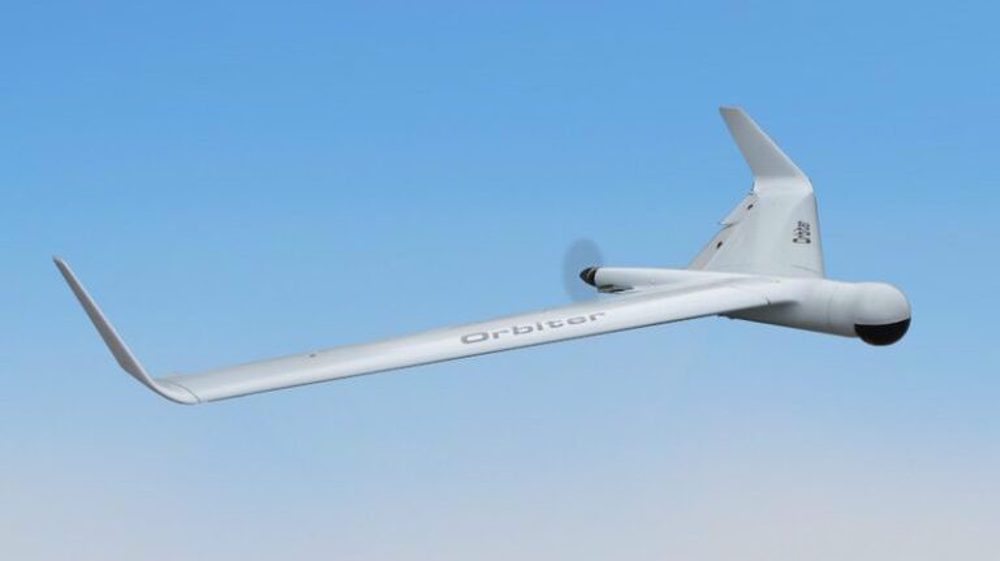
Iran Army downs US Orbiter reconnaissance drone over Strait of Hormuz
Iran dismantles terrorist cells in three provinces
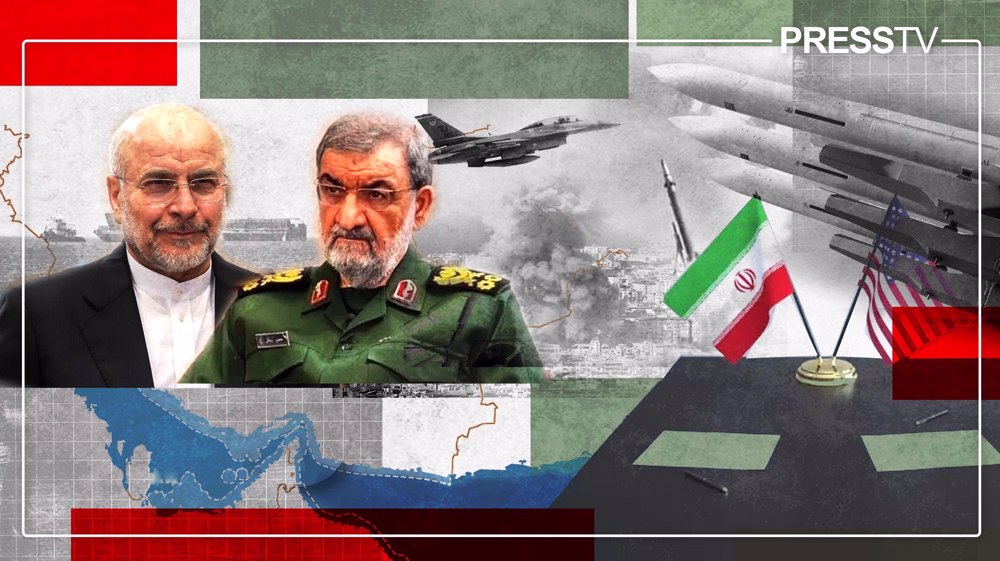
How Iran turned US military and economic aggression into strategic leverage to dictate terms



US visa ban on Iranian president’s media team is bid to hide the truth: FM spokesman
US aggression, economic warfare amount to crimes against humanity: Iran's UN envoy
Protests erupt in US as ICE agent shoots Venezuelan driver
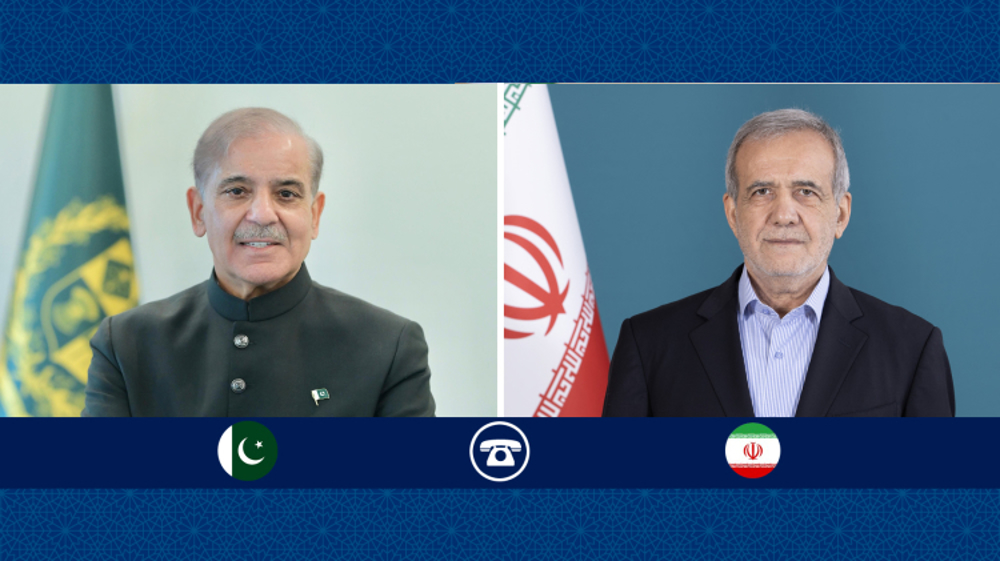
US pressure fuels cooperation among Muslim states: Pezeshkian
Major TV networks suspend White House pool coverage after Trump ban
US visa ban on Palestinian UN delegation violates international agreements: Hamas
VIDEO | Press TV's news headlines
Iran calls on France to respect law after suspending French cultural institute in Tehran


 PressTV NEWSLETTER
now
PressTV NEWSLETTER
now
 This makes it easy to access the Press TV website
