Qalibaf: We did not expect attacks on Iran to originate from southern neighbors
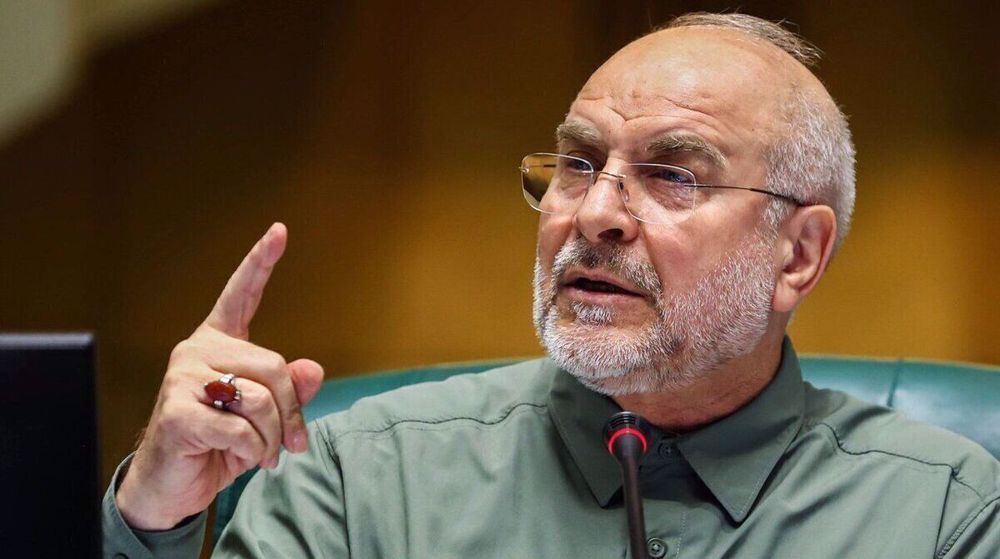
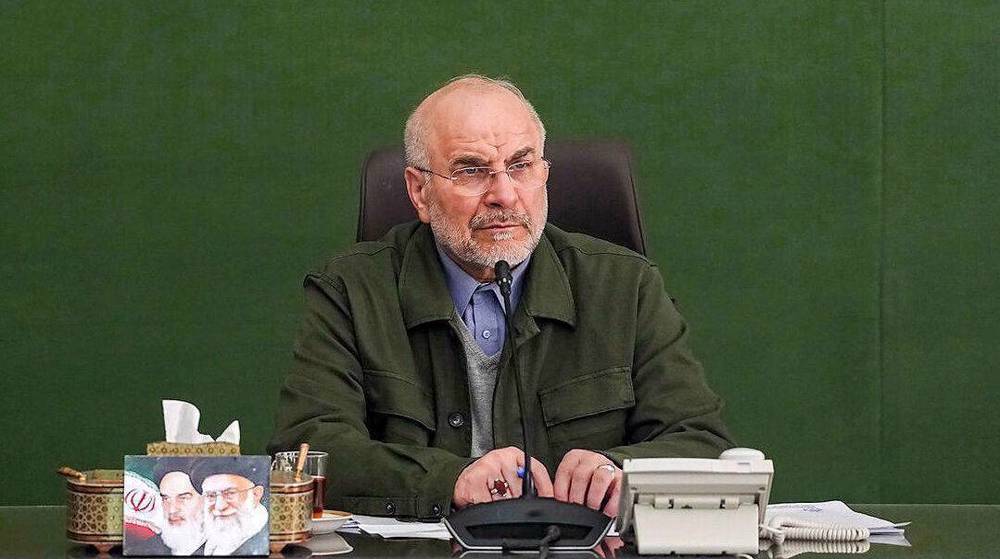
Parliament Speaker Mohammad Baqer Qalibaf says Tehran did not expect its southern neighbors’ territories being used for aggression against the Islamic Republic.
Qalibaf made the remarks in an interview with Al-Araby Al-Jadeed, where he was asked a question about regional countries not expecting Iran’s retaliatory attacks.
“Let me set aside pleasantries, it was we who did not expect the soil of our southern neighbors to be used for aggression against Iran, compelling us to defend ourselves,” he said.
“You gave bases to America to create security for you, but these very bases became a source of insecurity for your country because they betrayed you,” he added.
On February 28, the United States and the Israeli regime launched an unprovoked war on Iran, assassinating former Leader of the Islamic Revolution Ayatollah Seyyed Ali Khamenei as well as several top military commanders.
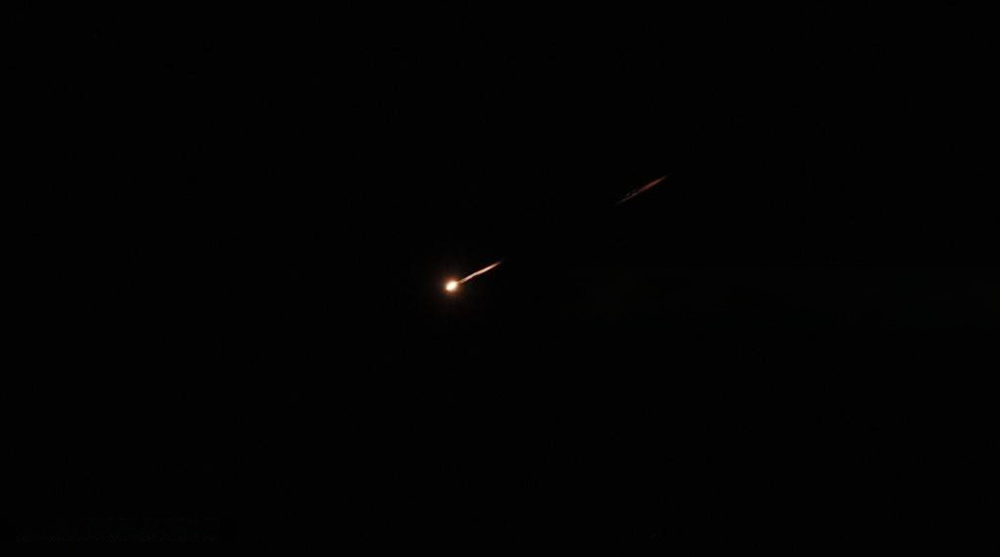
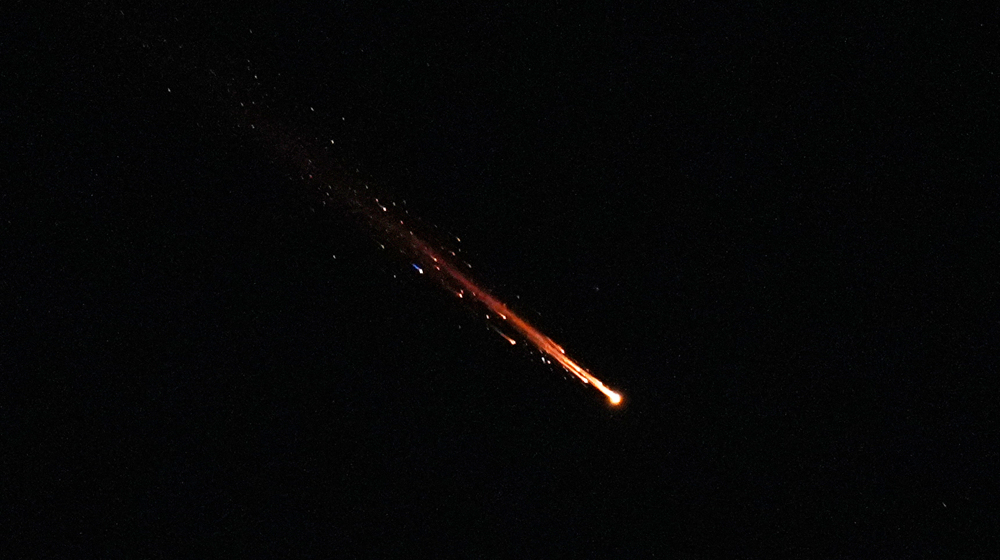
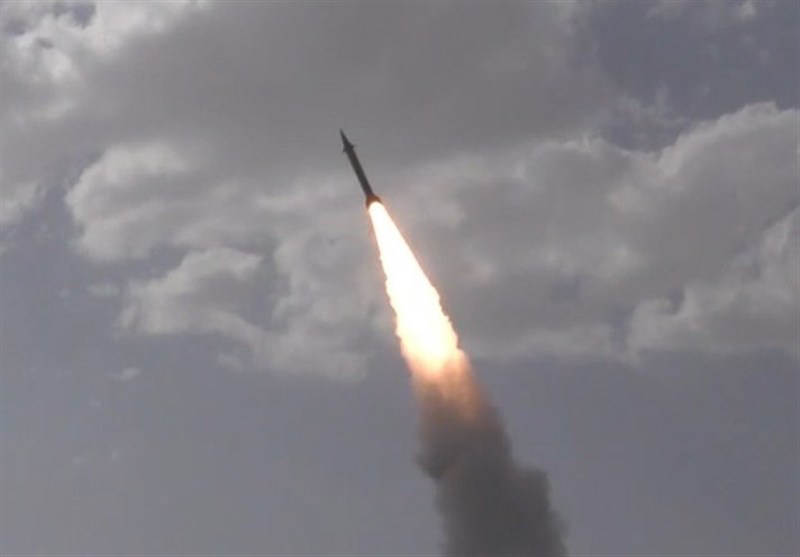
Iran immediately began to retaliate against the aggression by launching barrages of missile and drone attacks on the Israeli-occupied territories as well as on the US bases in regional countries.
Qalibaf asserted that the Americans used the land and capital of Persian Gulf countries to establish bases, ostensibly to ensure those countries’ security.
“However, they themselves attacked Iran from these bases, forcing us to respond. America initiated the insecurity from the soil of these countries, and it is natural that we, in an existential war, are compelled to defend ourselves,” he noted.
He also pointed out that Iran had demonstrated similar capabilities during the 12-day war, emphasizing that although the United States supported Israel at the time, Tehran deliberately avoided drawing neighboring countries into the fighting until Washington itself became directly involved.
Iran will not return to pre-war conditions: Qalibaf
Emphasizing Iran’s increased commitment to strengthening ties with neighboring countries, the speaker stated, “In the current situation, we are compelled to defend ourselves. However, we believe that regional security must be ensured by the regional nations themselves, without foreign interference.”
“Therefore, we think this war will change many regional equations, and we will not return to pre-war conditions,” he said.
He added that the country is ready for lasting security agreements with the regional countries and believes that “these security agreements can create a guarantee for both sides and establish lasting security for investors in the region.”
‘We will not accept ceasefire until enemy repents’
He stated that a ceasefire is only logical if war does not resume. “Not a ceasefire that merely provides an opportunity for the enemy to resolve its problems, such as the destruction of radars or a shortage of interceptor missiles, and then attack us again,” he added.
Qalibaf further said that Iran would maintain its stance on the ceasefire only when the enemy genuinely showed remorse for its aggression and when political and security conditions in both the region and the broader world were stabilized.
He made clear that Tehran would not agree to any ceasefire until such repentance occurred and the threat of war had truly subsided.
“We prepared ourselves for a long war because we knew we were going to be attacked, and based on the experience of the previous war, we knew how they intended to neutralize our operational capabilities. Therefore, we devised countermeasures for all of them,” he said.
The speaker went on to say that he doubted anyone still believed the US claims about having eliminated Iran’s offensive capacity.
He asserted that the country possessed ample missile and drone stockpiles and, because the technology was domestically developed, Iran could manufacture such weapons far more cheaply and rapidly than the enemy could produce interceptor systems.
He added that the only way to ensure the enemy refrained from launching a third attack was to make it regret its previous aggression so deeply that it would lose any desire to strike Iran again.
Iran is neither Syria, nor Venezuela: Speaker
Asked about the meaning of the election of Ayatollah Mojtaba Khamenei after the assassination of the martyred Leader of the Islamic Revolution, Qalibaf said, “If we consider this election and the people’s support for it alongside [Ayatollah Mojtaba Khamenei’s] first message, this message becomes clear to the world: Iran is neither Syria, whose leader would abandon the country and leave, nor Venezuela, which would submit to coercion.”
Leader appoints Zolqadr as his political adviser
Iran’s parliamentary commission approves Strait of Hormuz strategic security plan
Iran will never give up control of Strait of Hormuz at any cost: Expediency Council chief



VIDEO | There is disunity between US and Israel on Gaza peace plan: Analyst
VIDEO | Press TV's news headlines
Rights group files war crimes complaint against Israeli soldier in Vietnam
Leader appoints Zolqadr as his political adviser
Profile: Mohsen Rezaei, veteran IRGC commander and Iran’s new top security official
Hezbollah warns Israeli occupation threatens all of Lebanon, urges unity
Leader appoints veteran IRGC commander Mohsen Rezaei as his representative to top security body
VIDEO | News Review: Iran says Hormuz Strait won’t reopen until US accepts its conditions


 PressTV NEWSLETTER
now
PressTV NEWSLETTER
now
 This makes it easy to access the Press TV website
