Leader appoints veteran IRGC commander Mohsen Rezaei as his representative to top security body
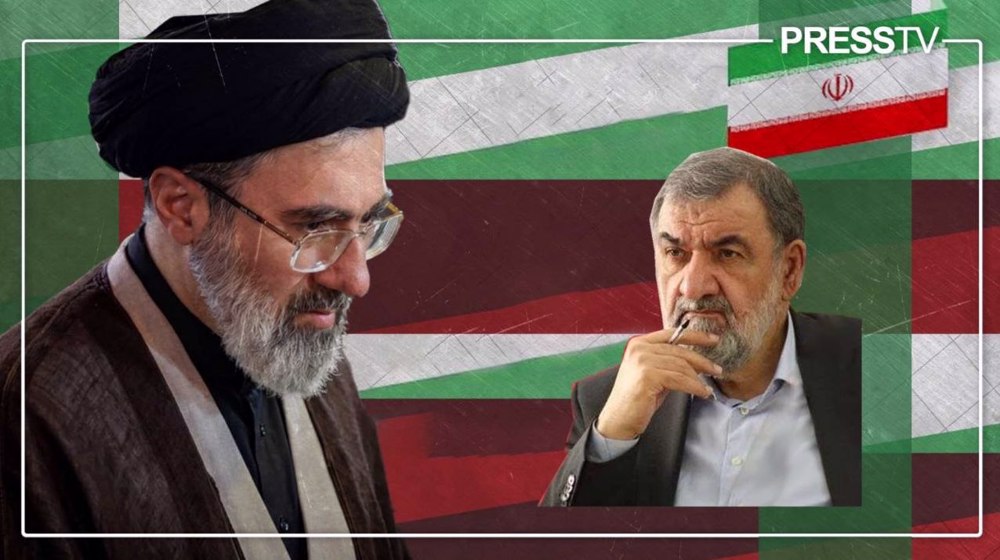
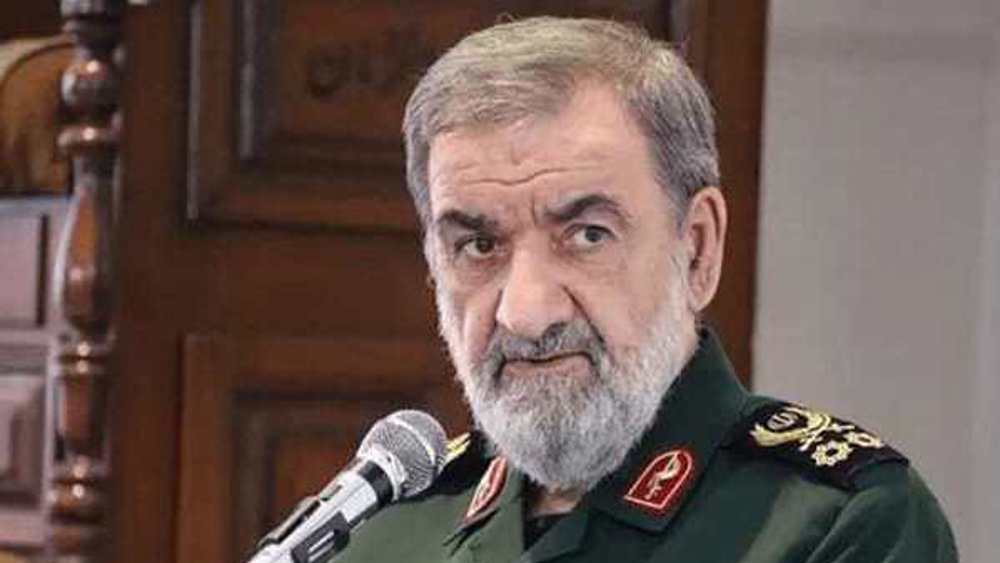
Leader of the Islamic Revolution Ayatollah Seyyed Mojtaba Hosseini Khamenei has appointed Dr. Mohsen Rezaei as his representative to the Supreme National Security Council (SNSC), Iran’s highest national security decision-making body.
The appointment was formalized in a decree issued by the Leader on Sunday, citing Rezaei’s extensive experience, particularly his role as one of the pioneering military commanders during the eight-year Sacred Defense (Iran-Iraq War) in the 1980s.
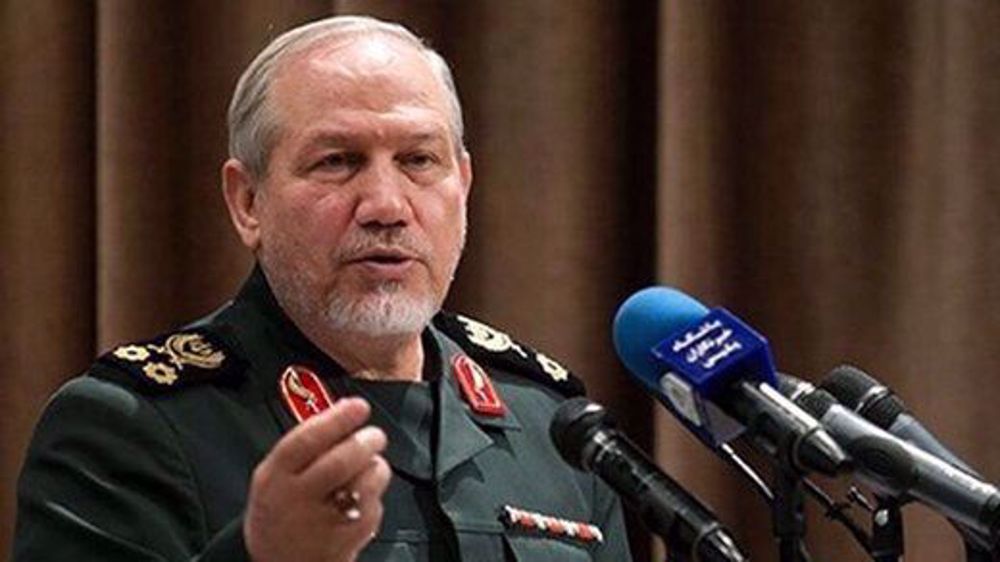
In the decree, the Leader also expressed his gratitude to Dr. Mohammad Bagher Zolqadr for his “round-the-clock efforts” while serving as his representative to the SNSC.
Zolqadr, a veteran military commander, served in the position since March following the assassination of Dr. Ali Larijani in a US-Israeli terrorist attack.
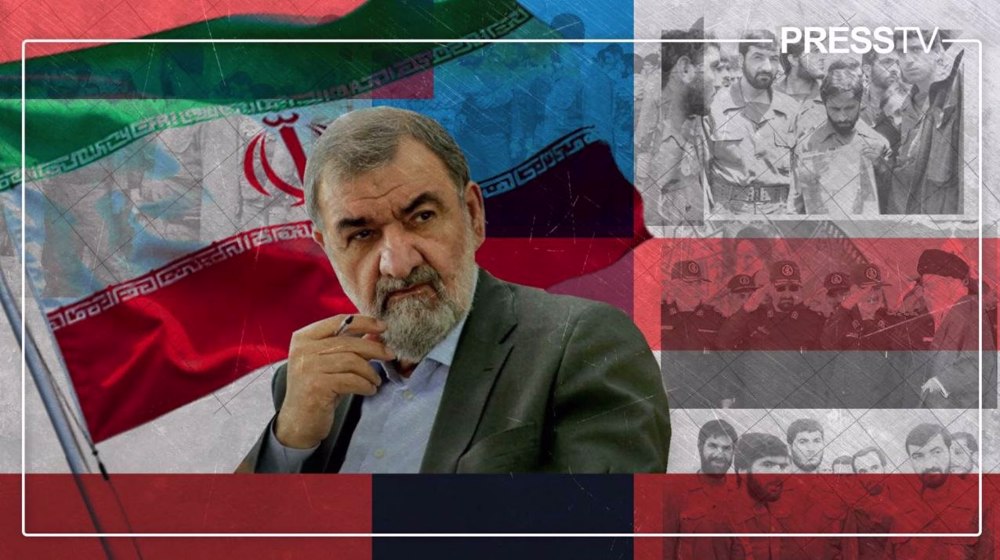
Rezaei, a former long-serving commander of the Islamic Revolution Guards Corps (IRGC), has been a prominent figure in Iran’s political and military establishment for decades.
He served as secretary and a member of the Expediency Discernment Council and, previously, as vice president for economic affairs under the administration of President Ebrahim Raeisi.
🔴 Senior advisor to the Leader of the Islamic Revolution Mohsen Rezaei:
— Press TV 🔻 (@PressTV) August 3, 2026
🔺 If the blockade continues, American vessels and forces will face serious risks and casualties. pic.twitter.com/pG82RvPNHF
More recently, Rezaei was appointed by the Leader as a senior military adviser.
His appointment comes as tensions between Iran and the United States remain high, with Washington continuing to escalate in brazen violation of the memorandum of understanding (MoU) signed between the two sides to end the third imposed war.
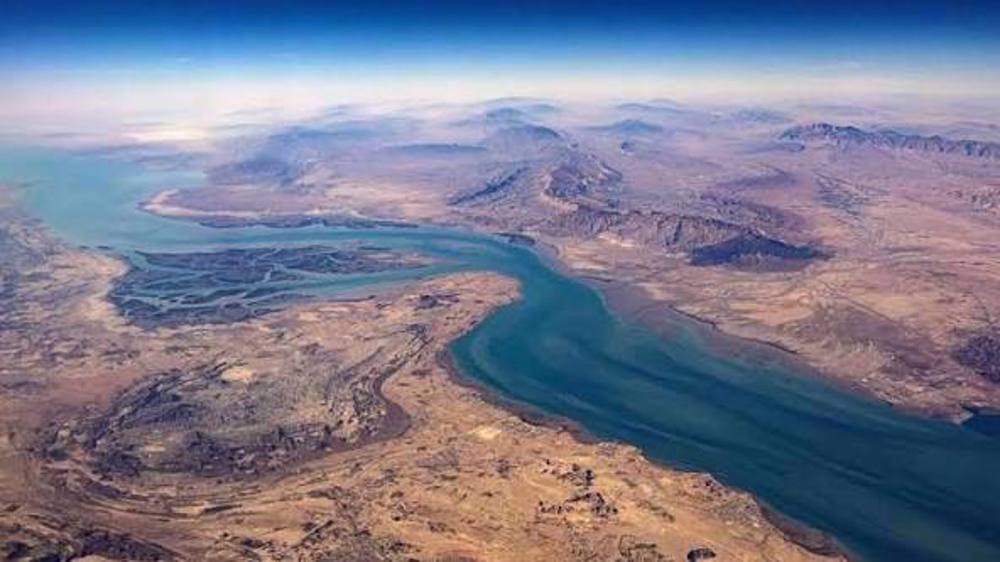
Iran and Oman are also currently engaged in negotiations over the management of the Strait of Hormuz, with Tehran insisting that US interference in the strategic waterway must immediately end.
In a social media post on X last week, Rezaei warned that if the illegal US blockade continues, American vessels and forces will face serious risks and casualties.
He also ruled out opening a second corridor under US pressure in the strategic waterway.
Iran’s ground forces on full alert, ready to ‘cut off feet’ of any invading troops: Cmdr.
Profile: Mohsen Rezaei, veteran IRGC commander and Iran’s new top security official
Border guards seize 33 firearms in anti-smuggling operations in northwestern Iran



Leader appoints Zolqadr as his political adviser
Profile: Mohsen Rezaei, veteran IRGC commander and Iran’s new top security official
Hezbollah warns Israeli occupation threatens all of Lebanon, urges unity
Leader appoints veteran IRGC commander Mohsen Rezaei as his representative to top security body
VIDEO | News Review: Iran says Hormuz Strait won’t reopen until US accepts its conditions
VIDEO | All Saudi oil, gas infrastructure legitimate target for Yemen: Analyst
Filling the giants’ shoes in Iran’s auto industry
VIDEO | The Hormuz crisis puts Trump in difficult situation


 PressTV NEWSLETTER
now
PressTV NEWSLETTER
now
 This makes it easy to access the Press TV website
