Discover Iran: How Khuzestan’s rivers and wetlands sustain nature and culture
By Alireza Akbari
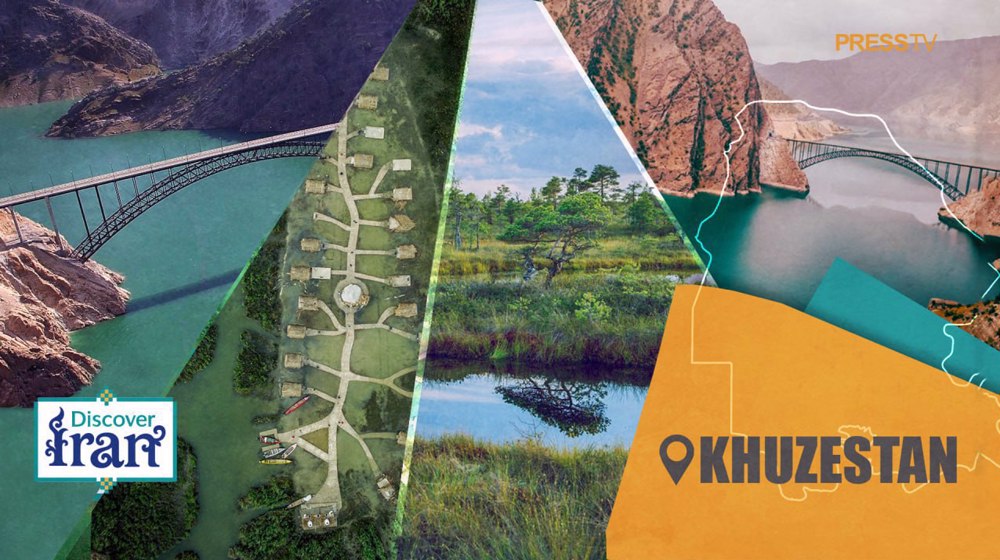
In Iran’s Khuzestan province, water shapes everything – from the wetlands, rivers and lakes that nourish life to traditions they have sustained for generations.
Nestled in the southwest of Iran, just south of the city of Shadegan in southwestern Khuzestan province, lies one of the country’s most remarkable ecological gems: the Shadegan Wetland.
As one of the 18 international wetlands registered on UNESCO’s Natural Heritage List, it is far more than a stretch of water. It is alive, a thriving habitat bustling with biodiversity.
Shadegan is a sanctuary for nature. To date, scientists have documented 152 species of birds and 40 types of mammals within this waterland. Among its most important residents is the bottlenose dolphin (Tursiops truncatus), which glides through nearby waters with playful grace.
But there is more to this place than wildlife. Along the wetland’s banks, local villagers raise herds of water buffalo – a tradition that dates back centuries. The wetland’s nourishing waters sustain this way of life, creating a deep, enduring bond between people and land.
It is also a refuge for some of Iran’s more endangered creatures – wild boars, jungle cats, otters, and even grey wolves quietly make their home here.
Once extending beyond today’s Abadan-Sarbandar road, this marsh connects directly to the Persian Gulf. More than just beautiful, it plays a vital environmental role, capturing airborne dust and absorbing floodwaters that would otherwise threaten the region.

Yet Shadegan is just one part of Khuzestan’s wetland tapestry. Further west, near the border with Iraq, lies Hoor al-Azim — Iran’s largest cross-border wetland. About a third of it is within Iranian territory, while the remainder stretches deep into Iraq.
Fed by multiple rivers, this vast wetland sits at the tail end of the Karkheh River. To the west, it meets the Tigris River; to the east, it connects to wide plains. On the Iraqi side, it reaches almost to the city of Amarah; on the Iranian side, it embraces lands around Bostan.
The Karkheh River, after meandering past the city of Shush (Susa), bends west and enters Hoor al-Azim through a channel nearly 100 meters wide and two meters deep.
The Tigris also adds its flow, and farther south, this network continues into the Hoor al-Hammar marsh. The small Doyraj River, after crossing the border, likewise empties into these waters.
But Hoor al-Azim is more than a habitat. It’s a source of life. Beyond its ecological richness, it sustains culture and craft. The ancient art of buriabafi – reed weaving – continues here, passed down through generations.
Over 60 percent of Iran’s buriabafi artisans live in this region, crafting mats, baskets, and shelters from the wetland’s native reeds. But their work is more than just a craft; it’s a cultural lifeline and a vital thread in the local economy.

And then there’s the Karun – Iran’s longest and most significant river. It stretches nearly 950 kilometres from its origin in the Zardkuh Mountains of Chaharmahal and Bakhtiari to its quiet meeting with the Persian Gulf.
Along its journey, Karun gathers the waters of the Beheshtabad, Kouhrang, Sabzkooh, Armand, and Khersan rivers, forming a vast basin that spans eight provinces, including Khuzestan, Lorestan, Isfahan, and Fars.
Karun supplies drinking water to Ahvaz and, since 2011, has been recognized as Iran’s 117th registered natural heritage site. Its name, Karunieh, comes from Sanskrit, meaning “worthy of praise.”
Originally known as “Kouhrang” after its source, the river eventually became known as Karun. In early Arab writings, it was referred to as Dujail, the “Little Tigris.”
Another vital artery of this region is the Dez River. It begins where the Sezar and Bakhtiari rivers meet in the mountains of Lorestan, before flowing into the Karun in Khuzestan. These source rivers rise from the Qalikuh and Oshtorankuh ranges.
Throughout history, the Dez River has borne many names. The ancient Elamites called it Idide, as noted by French archaeologist Roman Ghirshman.
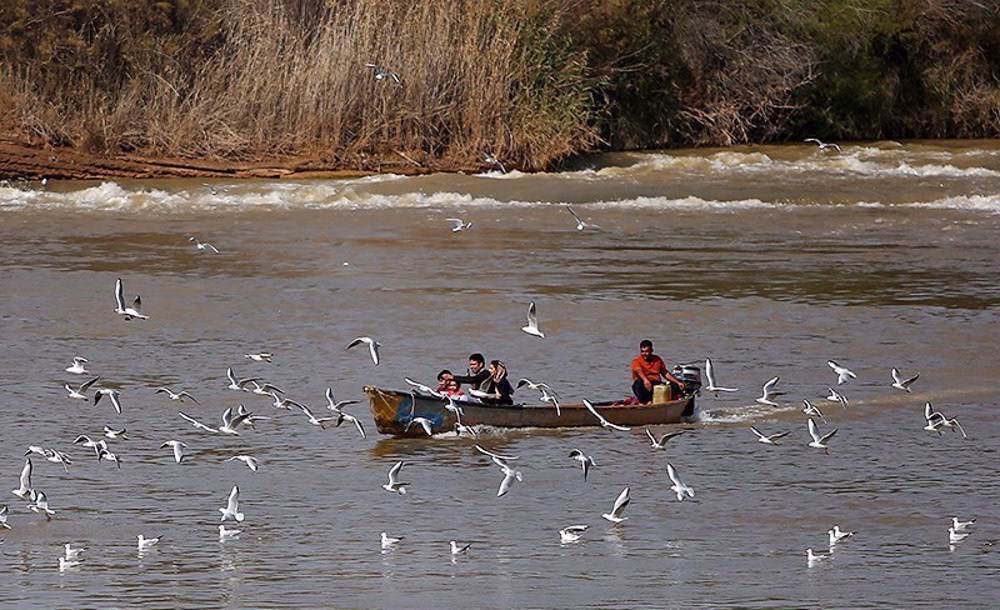
In the Hellenistic period, Greek historians referred to it as Kopratēs or Dez. During Islamic times, scholars such as Hamdallah Mustawfi and Yaqut al-Hamawi called it the “River of Jundishapur” or simply Ab-e Dez.
Not far from the city of Dezful, nestled in the Shahioun region, lies one of Iran’s most picturesque man-made lakes: Shahioun Lake – also known as Dez Dam Lake. Cradled by nature, it reflects both human ingenuity and the enduring beauty of Khuzestan’s waterways.
Positioned behind the twin peaks of Shadab and Tangavan, near the village of Pamenar, Shahioun Lake is one of Khuzestan’s hidden gems. This reservoir mirrors the region’s natural splendour.
Spanning over 302 square kilometres, Shahioun is a hub for water sports, from rowing and water skiing to open-water swimming.
Dotted with small and large islands, many shaded by wild almond and konar trees, the lake feels like something out of a storybook. At its centre lies a lush island more than 60,000 square metres in size – a green oasis adrift in a sea of blue.
Further north, there is another marvel: Temi Lake. Tucked beneath Mount Kino, deep in the remote Darreh Kayed range, this alpine lake is one of Iran’s most secluded natural wonders.

Fed by the meltwater of snowcaps that never fully melt, Temi stretches 1.5 kilometres long and 700 metres wide – wild, pristine, and largely untouched.
In wetter seasons, a nearby smaller lake merges with Temi, forming a larger, unified expanse of water. But despite its purity, Temi hosts no aquatic life.
Come winter, it freezes solid, and the surrounding highlands – part of the vast Moowz Meadows – are swept by bitter winds and cloaked in oak, beneh, gon, and kalooxanak shrubs.
Even the name "Temi" evokes its essence – in the local dialect, it means “a wide, flat place in the mountains.” True to its name, this plateau serves as summer pastureland for the nomadic tribes of northern Dezful.
Reaching Temi requires commitment – a full day’s hike beyond the village of Cheshmoon, deep into the Ahmad Fedaleh district. It’s a journey for the bold, the curious, and those seeking Iran’s wilder, quieter soul.

Discover Iran: Sistan and Baluchestan Science and Tech Park powering innovation and growth
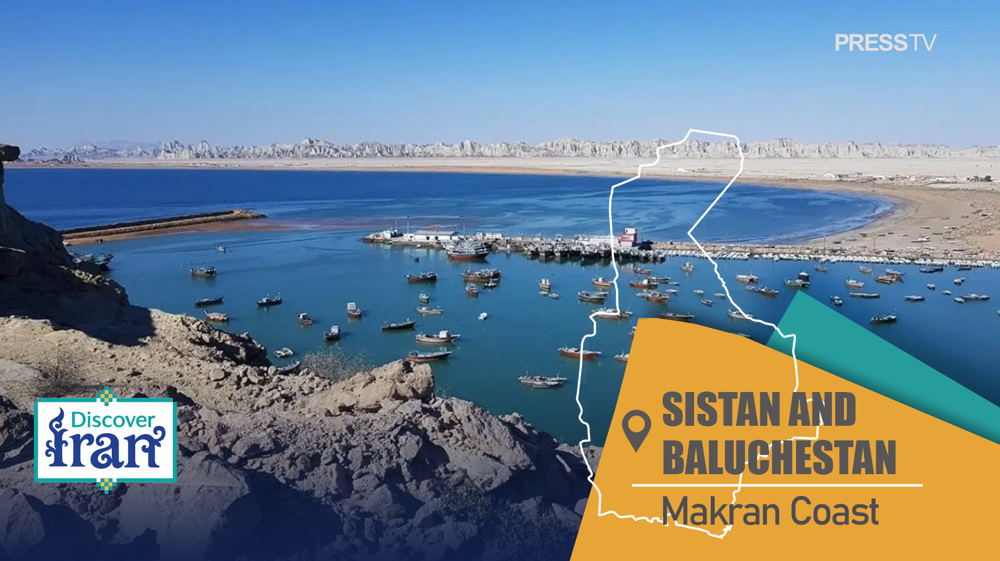
Discover Iran: How once-isolated Makran coast is rising as Indian Ocean’s next strategic powerhouse
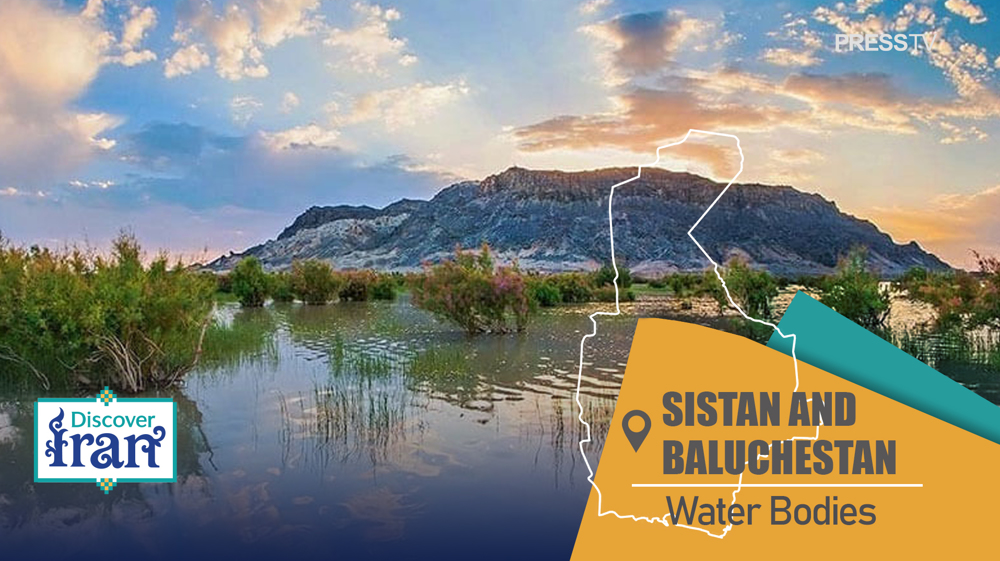
Discover Iran: The network of rivers, lakes, and wetlands of Sistan and Baluchestan



Yemeni armed forces hit Saudi oil tanker in Red Sea with ballistic missile
IRGC: Economic war main battlefield in confrontation with enemies
Iran’s parliament slams Trump for distorting Qalibaf’s remarks to conceal military defeat
IRGC: Iran’s missile capability remains intact, production continues
VIDEO | US economic war on Iran
Zaidi: Iraq will declare full restoration of national sovereignty on September 30
‘Make America hungry again’: Qalibaf mocks Trump’s claim of victory over Iran
VIDEO | Israeli army refuses to investigate its crimes against aid workers in Gaza



 PressTV NEWSLETTER
now
PressTV NEWSLETTER
now
 This makes it easy to access the Press TV website
