Iraq warns of imminent security threats as questions mount over Daesh prisoner escapes in Syria
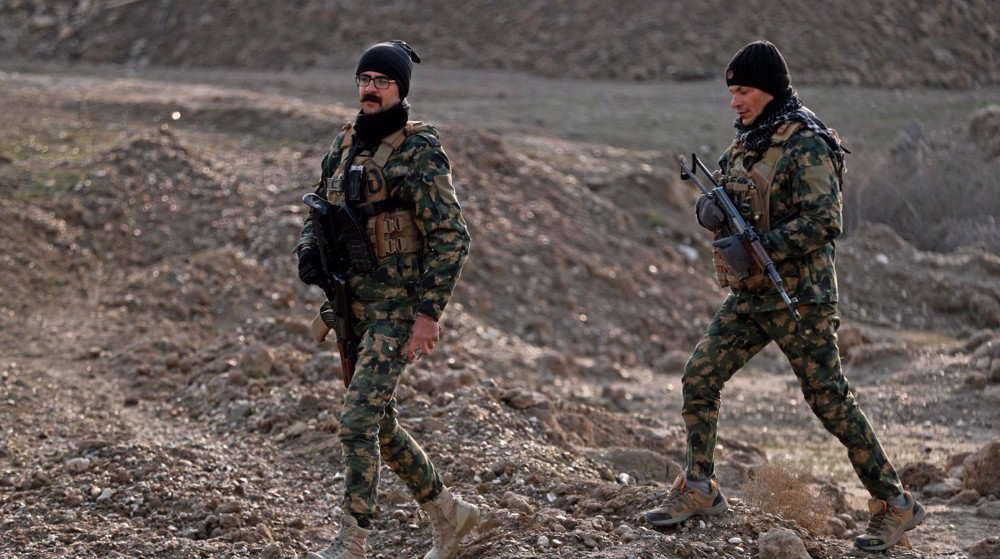
Iraqi security authorities have warned of imminent and dangerous terrorist movements in the country’s western regions, amid growing concerns over cross-border militant activity linked to developments in neighboring Syria.
Al-Ma’alumah news agency, citing an unnamed Iraqi security source, reported on Wednesday that more than 50 Syrian nationals with direct links to terrorist organizations operating in Syria are currently present in Iraq, primarily in Anbar province.
According to the source, the individuals are planning sabotage operations aimed at destabilizing security in the region, with their movements supported by unidentified actors inside Iraq.
Security forces are closely monitoring the situation in an effort to preempt any attacks, the source added.
The warning comes a day after Iraqi forces arrested a suicide bomber near a restaurant in the city of Ramadi. The suspect was detained while wearing an explosive belt, which was later defused by an explosives expert, according to Iraqi security officials.
The heightened alert in Iraq coincides with mounting confusion and controversy over the escape of large numbers of Daesh detainees from prisons in northeastern Syria during clashes between Syria’s Hayat Tahrir al-Sham (HTS) regime forces and the US-sponsored, Kurdish-led Syrian Democratic Forces (SDF).
Fighting erupted despite the announcement of an immediate ceasefire, with heavy bombardment reported near Raqqa and in the vicinity of detention facilities holding Daesh prisoners.
The SDF said it lost control of the Shaddadi prison following attacks by HTS forces, allowing around 1,500 Daesh members to escape.
Syria’s HTS-led regime has denied attacking the prison and accused the SDF of deliberately releasing detainees, claiming that only slightly more than 100 prisoners fled and that dozens have since been re-arrested. Kurdish media and officials, however, continue to cite far higher numbers.
The SDF oversees more than a dozen detention facilities across northeastern Syria, where an estimated 9,000 Daesh Takfiri terrorists have been held for years.
The fate and whereabouts of most of these detainees remain unclear following the recent unrest, fueling speculation that the breakdown may not have been accidental.
Analysts and regional sources have pointed to possible coordination — or at least parallel actions — involving US forces, Kurdish authorities, and Syrian factions.
Against this backdrop, the US Central Command (CENTCOM) announced on January 21 that it had begun transferring Daesh detainees from Syria to Iraqi government-controlled facilities, allegedly to thwart the threat they pose to the region and the US.
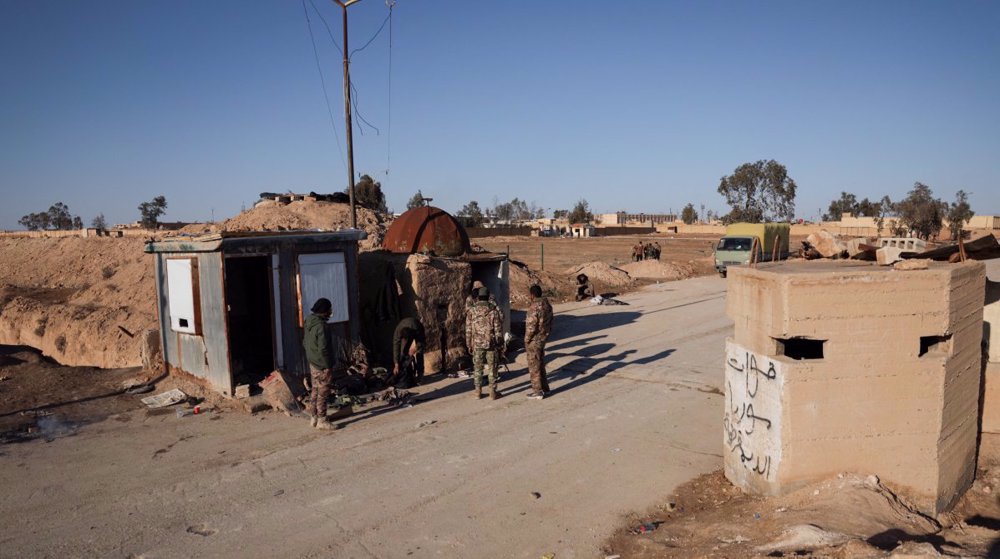
CENTCOM said 150 Daesh terrorists had already been moved from a prison in Syria’s northeastern province of Hasakah to a “secure” location in Iraq, adding that up to 7,000 detainees could ultimately be transferred.
The announcement came shortly after HTS forces entered the al-Hol camp, long one of the largest holding sites for Daesh terrorists and their families.
While Washington described the transfers as necessary to prevent further breakouts, it did not address reports that thousands of detainees may have already escaped or been released amid the chaos.
Kurdish and Syrian sources have offered sharply conflicting accounts of events at al-Hol and Shaddadi, and it remains unclear who currently controls parts of the detention infrastructure.
Since the developments in northeastern Syria, the US has reportedly increased pressure on the Iraqi government, particularly over the role of Iraq’s anti-terror forces.
According to regional reports, Washington has warned Baghdad that failure to curb or isolate certain security factions could result in punitive measures, including blocking the country’s access to its oil revenues held at the Federal Reserve Bank of New York.
On Tuesday, President Donald Trump said Washington would end its “support” for Iraq if former prime minister Nouri al-Maliki was reinstated.
Trump made the remarks, days after Iraq’s Coordination Framework, the country’s largest parliamentary bloc, nominated al-Maliki as its candidate for prime minister.
Al-Maliki is a senior figure in Iraq’s political scene and maintains close ties with various factions, including parties linked to the Popular Mobilization Units (PMU) that has opposed foreign interference in the Arab country’s affairs.
The PMU was formed in 2014 to fight the Daesh terrorist group and was later incorporated into Iraq’s armed forces.
Iraq says Islamic Resistance delayed response to US-Saudi attack to defuse tensions
US 'investment' project in Iraq is cover for plundering national wealth: Resistance leader

US military presence in West Asia source of insecurity, instability: Iraqi MP



Israeli forces, settlers intensify attacks across occupied West Bank
VIDEO | News Review: Iran says reopening Hormuz Strait hinges on US halting aggression
VIDEO | Hormozgan tragedy: Two brothers martyred in US bridge strike
Pezeshkian: Leader stressed ‘national unity’ to counter enemy plots in 7-hour meeting
IRGC chief: Rezaei will help boost strategic coordination as top security official
Iraq says Islamic Resistance delayed response to US-Saudi attack to defuse tensions
VIDEO | US violation & deception
VIDEO | Funeral of Imam Khamenei


 PressTV NEWSLETTER
now
PressTV NEWSLETTER
now
 This makes it easy to access the Press TV website
