US forces transferring Daesh prisoners from Syria to Iraq: CENTCOM
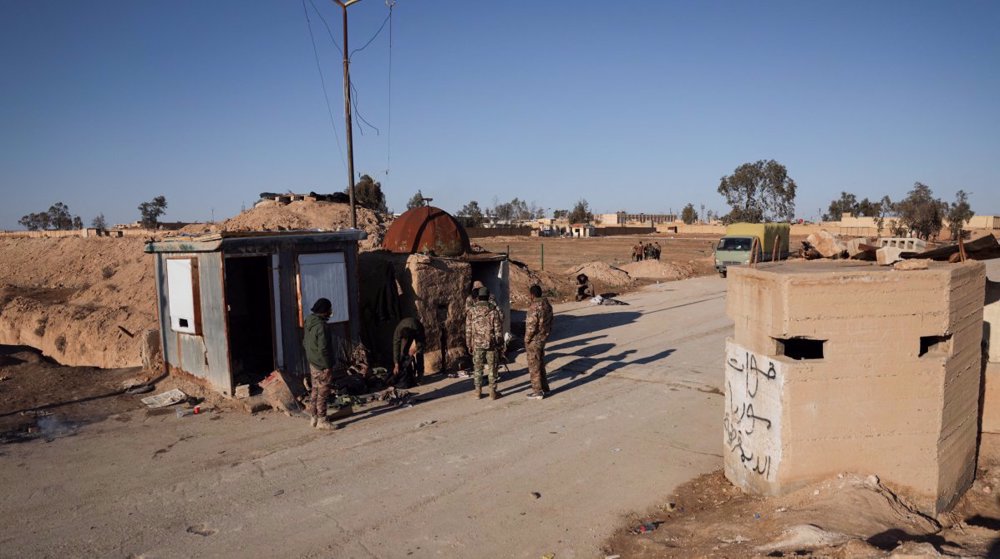
The US military’s Central Command (CENTCOM) has begun transferring Daesh prisoners from northeastern Syria to “secure” detention facilities in Iraq, allegedly to thwart the threat they pose to the region and the US.
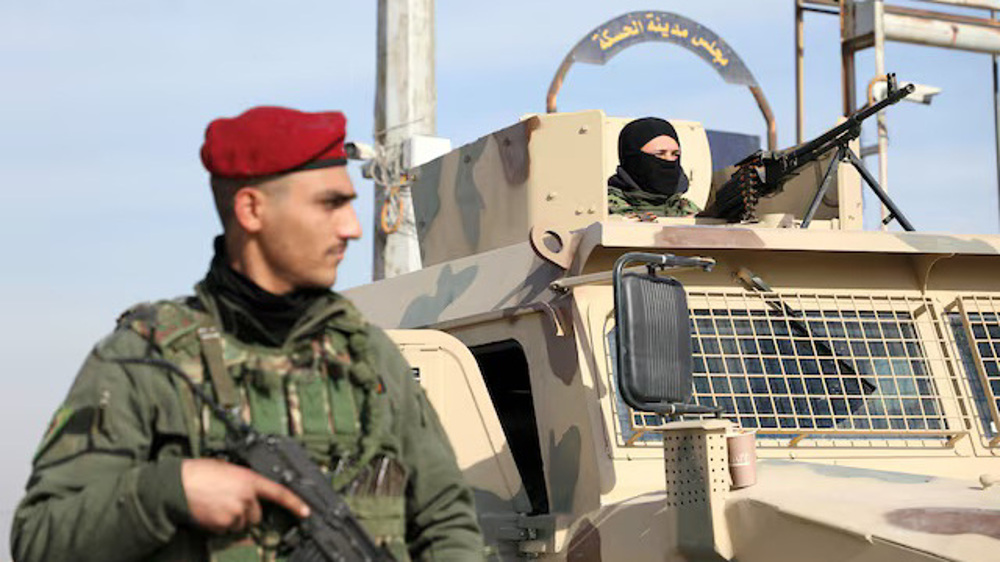
In a statement on Wednesday, CENTCOM claimed that the mission began as US forces successfully transported 150 Daesh terrorists imprisoned at a detention facility in the northeastern province of Hasakah, Syria, to a "secure location in Iraq."
CENTCOM Commander Adm. Brad Cooper said the US is "closely" coordinating with regional partners, including Iraq, and "appreciates their role in ensuring the defeat of Daesh."
"Facilitating the orderly and secure transfer of ISIS detainees is critical to preventing a breakout that would pose a direct threat to the United States and regional security," he claimed.
"Ultimately, up to 7,000 ISIS detainees could be transferred from Syria to Iraqi-controlled facilities," the statement added, using another acronym for the takfiri terrorist group.
Daesh was initially created by Washington over a decade ago with the aim of destabilizing Iraq and Syria.
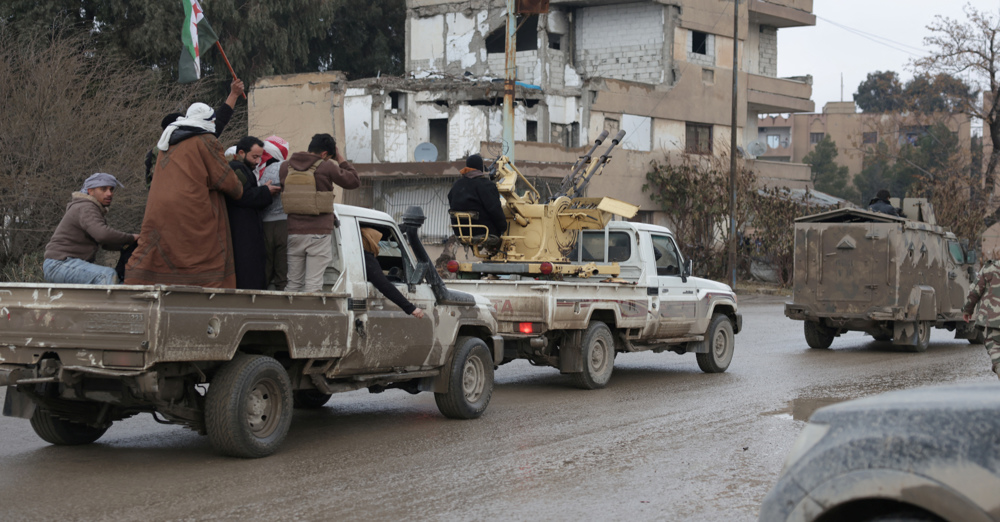
The announcement comes amid a rapid collapse of the US-backed Syrian Democratic Forces (SDF) in northeastern Syria, following clashes with Hayat Tahrir al-Sham (HTS) forces.
The latest developments have raised concerns about a potential Daesh resurgence, amid uncertainty over the security of roughly a dozen SDF-controlled prisons and detention camps holding more than 10,000 Daesh members, along with thousands of women and children linked to the group.
The HTS forces have reportedly taken over some of the prisons holding Daesh detainees, including Shaddadi, in the Hasakah countryside.
SDF said it lost control of the prison as the HTS troops approached and that prisoners escaped.
The HTS regime accused SDF of abandoning its posts and releasing some 200 Daesh inmates, saying most of them were later recaptured.
Kurdish forces also said that they were forced to pull out of al-Hol in northern Syria as HTS-led troops approached.
On Wednesday, Reuters reporters saw scores of children and women in black clothes pressing up against the camp fence as the HTS-led regime’s forces looked on.
Syria has faced deep instability after the fall of President Bashar al-Assad's government.
Once affiliated with al-Qaeda and Daesh, Abu Mohammed al-Jolani seized power in Syria following a rapid onslaught by his militant group, Hay'at Tahrir al-Sham (HTS), which ousted the government of President Bashar al-Assad in December 2024.
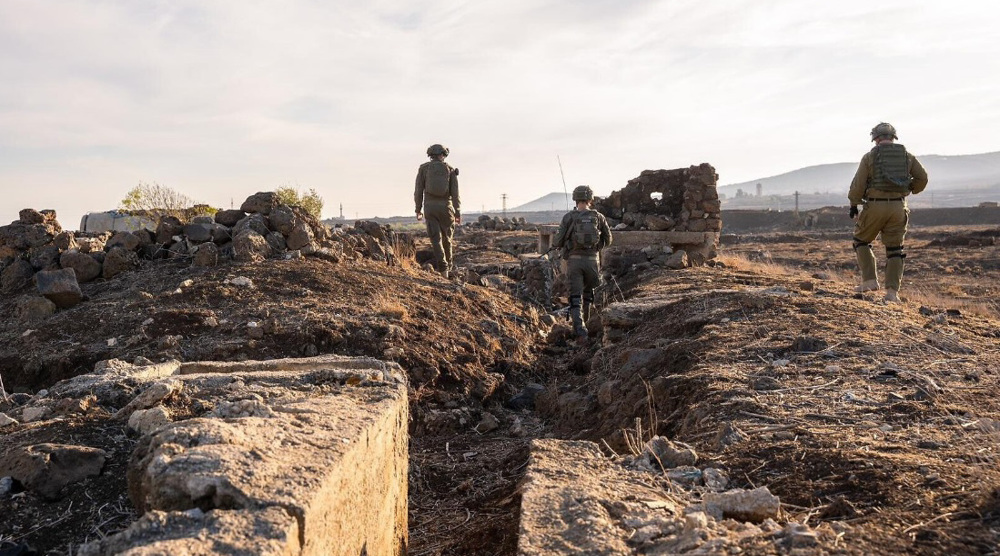
Israel has carried out 1,068 incursions into Syria since Assad’s fall: Report
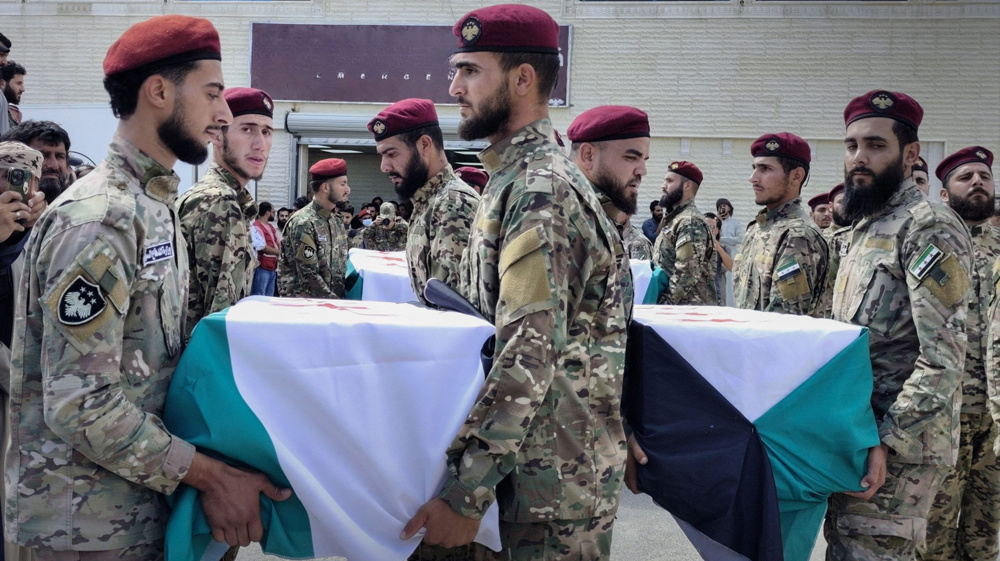
Blast rocks military site in Syria’s Dayr al-Zawr, killing 11 HTS forces
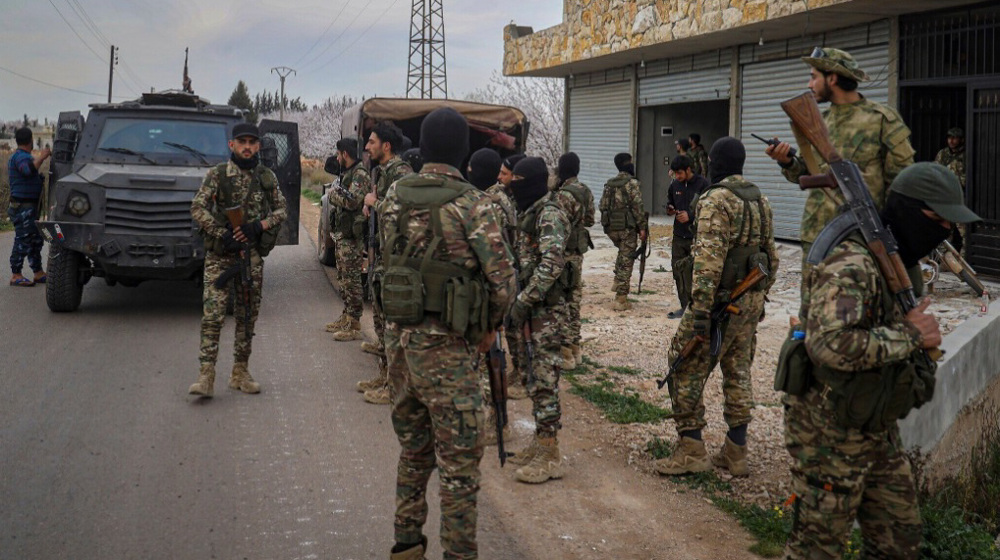
Syria’s HTS declines Saudi bid for militants against Yemeni forces: Report



Israel lobby no longer shy about its grip on US policy: Iran FM
Saudi Arabia allows Israel to use its military bases to spy on Yemen: Houthi
Judiciary: 12 Iranian fishermen killed, 760 vessels damaged in US attacks on Hormozgan
Iran, Pakistan push to finalize agreements, boost cooperation
VIDEO | Trump’s ICC sanctions prove US support for Israel: Analyst
Drawings of Minab children killed in US attack exhibited outside UN office in Geneva
Iranian engineers develop indigenous engine control units, advancing automotive electronics
VIDEO | Yemeni child survives Saudi airstrike that killed her entire family


 PressTV NEWSLETTER
now
PressTV NEWSLETTER
now
 This makes it easy to access the Press TV website
