The Strait of Hormuz: A new geostrategic stalemate
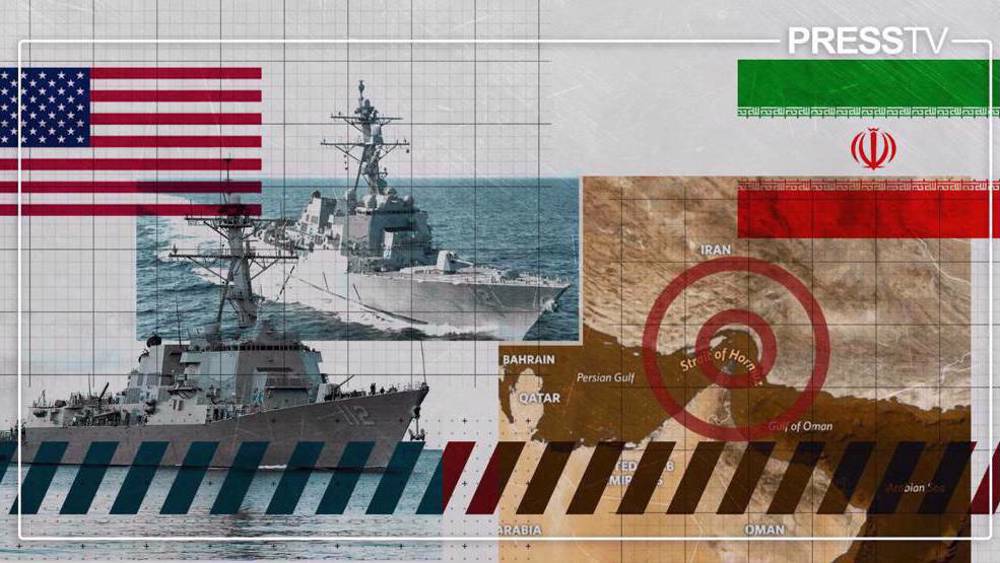
When US President Donald Trump launched his attack on Iran alongside Israel, he was betting on a quick and decisive victory.
At best, he expected the overthrow of the Islamic Republic. At the very least, he expected the destruction of Iran's nuclear and military capabilities, followed by what Washington could present as an honorable exit from the war.
But now Trump is entering the sixth month of the war, and those predetermined objectives are looking increasingly like a mirage—something Washington may never reach.
Iran's missiles are being launched with greater force and greater precision than before. Whatever target Iran chooses, it can now strike. And despite the months of war, there is still no sign that Iran's peaceful nuclear program has been destroyed.
But perhaps more importantly, Iran has now placed another card on the table; a card with enormous geostrategic weight, the Strait of Hormuz.
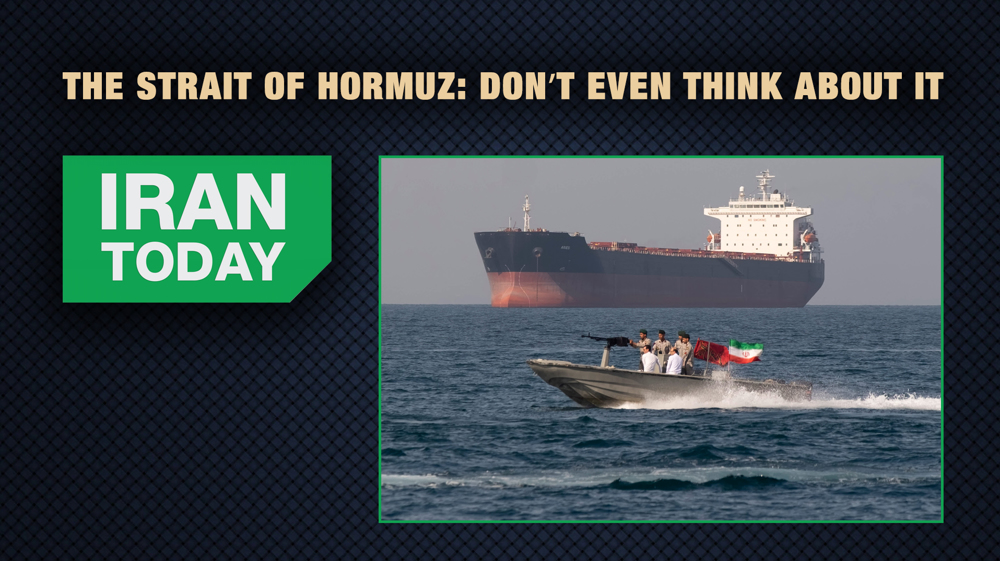
For months, Washington has tried almost everything to restore the Strait to the way it was before the war.
It has threatened. It has attacked. It has imposed a blockade. It has attacked again. It has negotiated, and it has threatened to destroy Iran's infrastructure.
However, every time Tehran has delivered essentially the same message: No, forget it. Those days are over. The Strait of Hormuz will not simply return to the way it was before the war.
The Strait of Hormuz has now become like a bone stuck in Donald Trump's throat, a symbol of what Iran portrays as America's humiliating failure. Neither through war nor through diplomacy has Washington managed to regain control of the Strait from Iran.
On August 8, Mohammad Bagher Zolghadr, former Secretary of Iran's Supreme National Security Council, made Tehran's position clear: the Strait of Hormuz will not reopen until the United States changes its behavior.
But what exactly does changing its behavior mean?
Zolghadr explained that it means six things:
First, never threatening Iran in any language or any form, and never insulting the beliefs and sacred values of the Iranian people.
Second, permanently ending the war and aggression against Iran and Iran's allies in Lebanon, Palestine, Yemen, and Iraq.
Third, lifting the naval blockade and withdrawing US military forces, both naval and air, from around Iran.
Fourth, fully compensating Iran for the damage caused by the two wars that were acts of aggression imposed on Iran.
Fifth, lifting the unjust and unlawful sanctions imposed on the Iranian people.
And sixth, unconditionally releasing the frozen and confiscated assets belonging to the Iranian people.
Taken together, these demands embody the main points of what became known as the Islamabad Memorandum, a memorandum signed by the presidents of Iran and the United States.
Washington tried to bypass the route determined by Iran right after it signed the MOU; a flagrant violation.
When the Islamabad memorandum moved into the implementation phase, the Americans violated its terms during that one-month period.
Our commitment was to restore maritime traffic through the Strait to its previous conditions after a certain period, under arrangements that we ourselves would determine.
In response to the US violation and the establishment of the Southern Corridor, we took military action and restored traffic to the conditions that existed before the memorandum.
Saeed Ajorlou, Iranian Negotiating Committee, Media Team
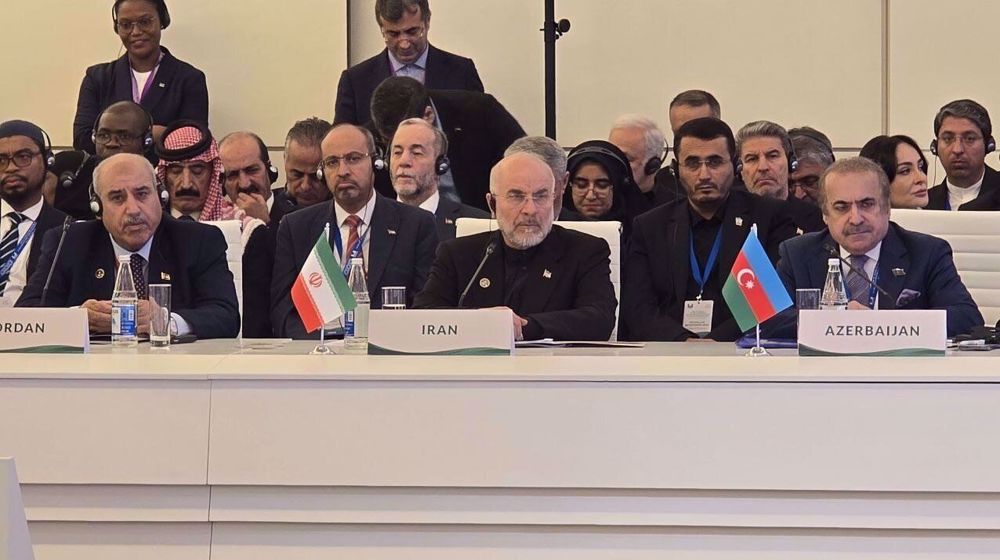
The understanding was supposed to create a path toward the reopening of the Strait of Hormuz and beyond that, broader peace negotiations between Tehran and Washington. But less than three weeks after it was signed, Trump declared the understanding over and called for the war to resume.
What followed was a harsh confrontation with the realities of war, and those realities hit back.
Within the American military establishment, concerns were growing. US Chairman of the Joint Chiefs, General Dan Caine, has privately said in recent weeks that the United States needs an off-ramp from the war on Iran. His assessment was that the military options currently under consideration could backfire, and that airstrikes alone were unlikely to accomplish the administration's goals.
At the same time, US officials were warning of a Pentagon funding crunch and extreme shortage of munitions, developments that pushed President Donald Trump into a clash with War Secretary Pete Hegseth.
The recent shift in Iran's deterrence strategy has led the Americans to conclude that Iran is no longer going to respond on the basis of a simple tit for tat approach.
The scale and scope of its responses will be far greater. What happened in the Suez Canal also sent a clear message: Iran's reach extends beyond the Strait of Hormuz and Bab-al-Mandeb.
It has demonstrated that it is capable of challenging vessels attempting to supply US military bases for those seeking to violate international law in order to carry out or facilitate terrorist operations. Iran has the capability to reach this area as well and prevent such activities.
Mohammad Ghaderi, International Affairs Expert

The financial cost has also been mounting. As the United States approaches six months of war with Iran, the cost to American taxpayers and consumers continues to grow far beyond what has yet been fully quantified.
By September, the military is expected to have incurred some 37.5 billion dollars in taxpayer-funded costs connected to the war, an estimate which does not include the cost of damages to US bases in the region struck by Iran.
Lawmakers are now fighting over how to pay the bill, and American consumers are facing bills of their own, including higher gas prices driven by supply disruptions caused by the war.
The Iran Oman negotiations concern the transit of oil, gas, and energy across the region.
As you know, around 20 percent of the world's energy supplies pass through the Strait of Hormuz, and there is no viable alternative to the Strait in the short or medium term.
It may be possible to transport some oil through the Red Sea or the Gulf of Oman, but the strategic importance of the Strait of Hormuz goes far beyond oil.
It is also a major route for gas, commercial goods, and other forms of trade, which makes the strait effectively irreplaceable.
Hossein Kana’ani Moghaddam, Political Analyst
The situation has left Washington facing a difficult problem. The United States has neither demonstrated the military capability to force Iran into submission, nor has it found Iran willing to negotiate directly with Washington, so the White House is now pinning its hopes on something else: the talks between Iran and Oman.
As of mid-August, those talks have focused on the possibility of an agreement between Iran and Oman to establish a new route for ships passing through the Strait of Hormuz.
The proposed route would be managed jointly by the two coastal states and could potentially pave the way for the gradual resumption of maritime traffic.
What are the main topics of discussion in the Iran-Oman talks, and what are the points of contention?
At a certain point, Iran and Oman began negotiations over which route should be used for maritime traffic through the Strait, and what arrangements should govern that traffic.
During those talks, we witnessed a violation of the memorandum, and we subsequently closed the strait. However, the negotiations between Iran and Oman continued.
They have now produced a draft text that is currently being reviewed and discussed in Tehran.
Saeed Ajorlou, Iranian Negotiating Committee, Media Team
For Washington, this could sound like good news, but Tehran has made one thing very clear. Iranian foreign minister Seyyed Abbas Araghchi has said, "An agreement with Oman on a new route does not mean the Strait of Hormuz will open".
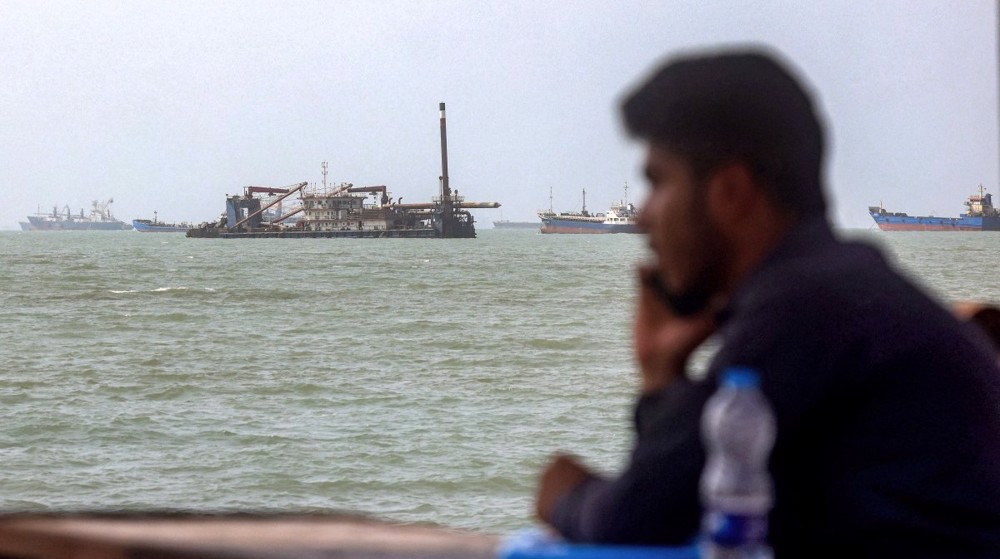
Iranian officials say that before the Strait can reopen, Washington must take steps to correct violations of previous commitments.
Let me also make one point clear: reaching an understanding with Oman does not in itself mean that the Strait will reopen.
There is still a gap between an agreement with Oman and the reopening of the Strait. That gap involves fulfilling the conditions set out in Article 13 of the Islamabad Memorandum, including an end to the war on all fronts, the issue of Lebanon, Iran's frozen assets, the maritime blockade, and the oil sanctions imposed by the United States, all of which Washington violated.
All of these conditions must first be fulfilled before we can move to the next stage: the resumption of maritime traffic through the Strait under arrangements determined by Iran.
Saeed Ajorlou, Iranian Negotiating Committee, Media Team
Iran's deep distrust of the United States is now casting a shadow over the Hormuz talks with Oman.
Tehran has repeatedly made it clear that it is not negotiating directly with Washington. It says that the indirect transmission of messages through intermediaries does not constitute negotiations, which is precisely where the Iranian narrative differs from the one coming out of the White House.
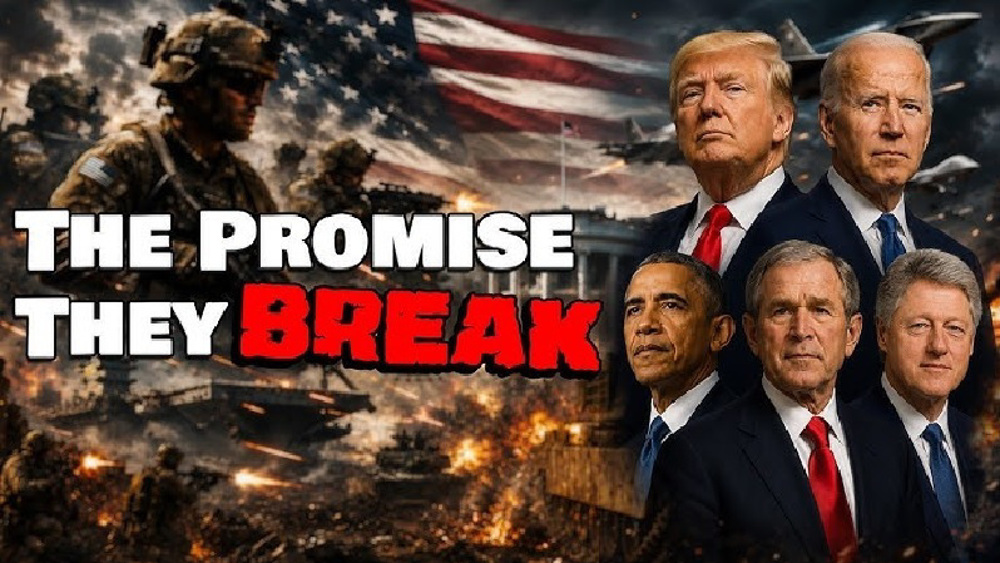
When asked at the White House whether a deal to reopen the Strait of Hormuz had been reached, Trump gave this answer:
I don't want to say it has been. It's sort of open right now. You know, we have a thing called the blockade, headed up by the US Navy, and we control it. And now we control it, but they can always shoot something. They always have something or drop a mine. And if you have one mine sitting out there, you sort of mess things up because people don't want to take their billion-dollar boats and accidentally get hit by a mine. But I think we're doing very well. I just, you know, I'm involved in the negotiation. I think we're doing fine.
US President, Donald J Trump
What is Iran hoping to achieve in the talks with Oman?
Before the negotiations between Iran and Oman began, Trump encouraged the Omanis and sought to persuade them to use the southern corridor.
The Islamic Republic of Iran had repeatedly warned that this route was unsafe for several reasons, first, because of its shallow waters, and second, because mines had been laid along the route.
Naturally, if the route is outside Iran's control, vessels using it could be exposed to security incidents.
In fact, this has already happened on several occasions.
Mohammad Ghaderi, International Affairs Expert
Could you clarify the current status of the Strait of Hormuz? Is it open or closed?
Contrary to claims made by Western and Israeli media, the Islamic Republic of Iran has not closed this threat of Hormuz in the sense of preventing all maritime traffic.
Under the arrangements reaffirmed in the Islamabad Memorandum of Understanding, especially in Articles One and Five, the Strait of Hormuz is to remain under Iran's control and management, according to the operational arrangements determined by the Islamic Republic of Iran.
That is precisely the framework Iran is currently implementing.
Mohammad Ghaderi, International Affairs Expert
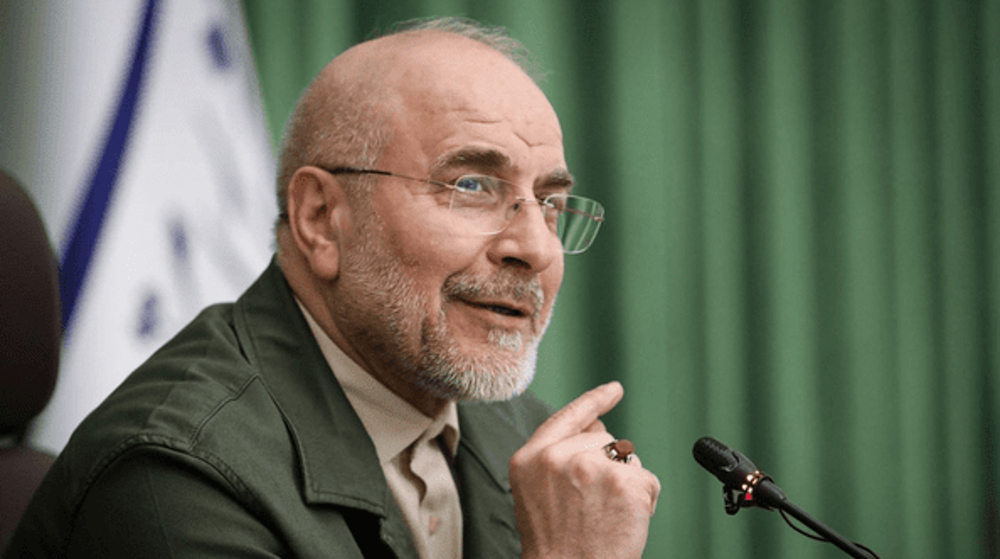
Iran, meanwhile, has continued its aggressively defiant posture. On August 6, Iran's parliamentary speaker Mohammad Bagher Ghalibaf mocked Trump's messaging in a post on X: "Massive attack coming. Wait, never mind. They want to negotiate". He described it thus: "That's theater diplomacy on loop. Using bullying + broken promises + fake news as leverage is a failed strategy. Acknowledge the facts and fulfill your commitments. We don't need more theater".
Despite the political confrontation, there is another possibility emerging: a framework agreement between Iran and Oman for the temporary reopening of the Strait of Hormuz could present a major political breakthrough, whose significance would go far beyond shipping.
All said and done, whether such an agreement could actually be implemented and whether it could survive would depend largely on the future course of US-Iran relations.
We cannot allow the United States, Britain, or France to use the Strait of Hormuz to move their military forces through the waterway, rebuild their military bases, or pose a threat to Iran's national security.
For that reason, the Strait will remain closed to such threats. Even if Oman were to authorize US warships to pass through the area, we would strike them.
We have already warned them of this. The military and security dimensions of this issue are extremely important to us.
Hossein Kana’ani Moghaddam, Political Analyst
Under the proposed framework, commercial vessels would apparently enter the Persian Gulf through a northern shipping route managed by Iran and exit through a southern route overseen by Oman. In this way, months of uncertainty could potentially be replaced by a coordinated, though temporary, traffic management system.
The Omanis insisted that the southern route should remain open, but under the text we're currently working with, once the temporary middle route becomes operational, the other routes would have to be suspended.
In my view, that would be a significant achievement for us.
A route that has been used for maritime traffic for years would effectively be replaced by a temporary route, under which vessels would enter through Iranian waters, with part of their outbound journey also taking place through Iranian waters.
This is in line with the Islamic Republic's policy of reshaping the flow of maritime traffic through the Strait.
Saeed Ajorlou, Iranian Negotiating Committee, Media Team
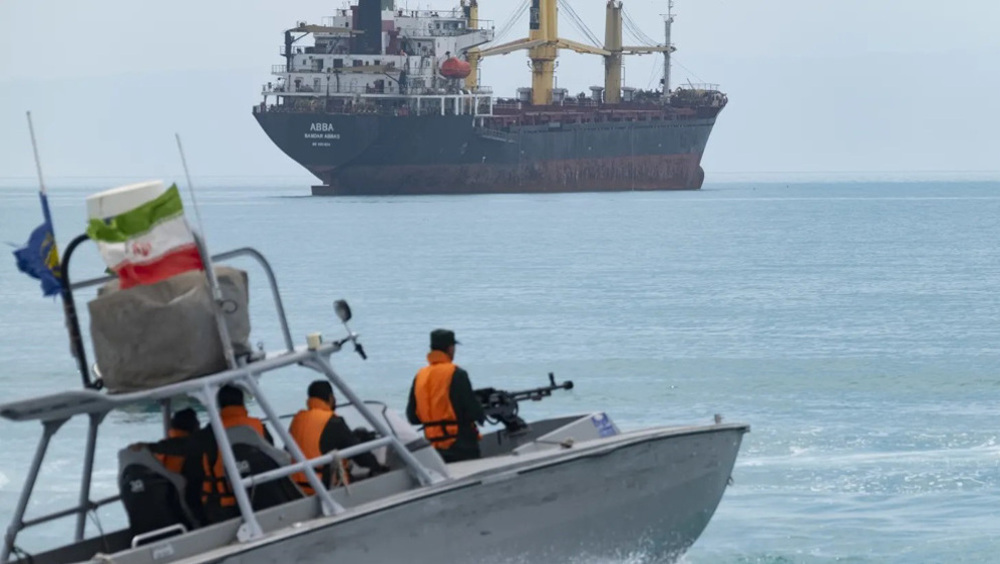
The negotiations have also covered technical arrangements, security, and the respective sovereignty of Iran and Oman.
There is even a proposal for a joint coordination center to manage maritime traffic and collect information from vessels.
Such an arrangement could potentially resolve disputes over shipping routes that have disrupted global trade.
Another point of contention, and in my view, one of the key challenges in the Iran-Oman negotiations, concerns maritime arrangements and services.
The Omanis may be reluctant to engage too deeply in this area because of US pressure. After all, a number of countries are not particularly supportive of such arrangements, Iran, however, insists that issues such as monitoring, environmental protection, and maritime services must be addressed.
If the negotiations reach the final stage, this could potentially become another point of disagreement between the two sides.
Saeed Ajorlou, Iranian Negotiating Committee, Media Team
But Iran continues to insist on one point: a technical agreement with Oman does not automatically mean free passage through the Strait. The United States must first meet additional conditions, and that is what makes Hormuz much more than a shipping problem.
Any vessel seeking to pass through the Strait of Hormuz that belongs to one of the countries hostile to Iran will certainly be denied passage.
The reason is straightforward: Iran, as a country whose national security and interests depend on peace and stability in the region will naturally not allow hostile states to use the Strait of Hormuz to supply and reinforce their military bases along the southern shores of the Persian Gulf.
Mohammad Ghaderi, International Affairs Expert
And there is another cost of war, one which that cannot easily be measured in dollars, missiles, or military equipment.
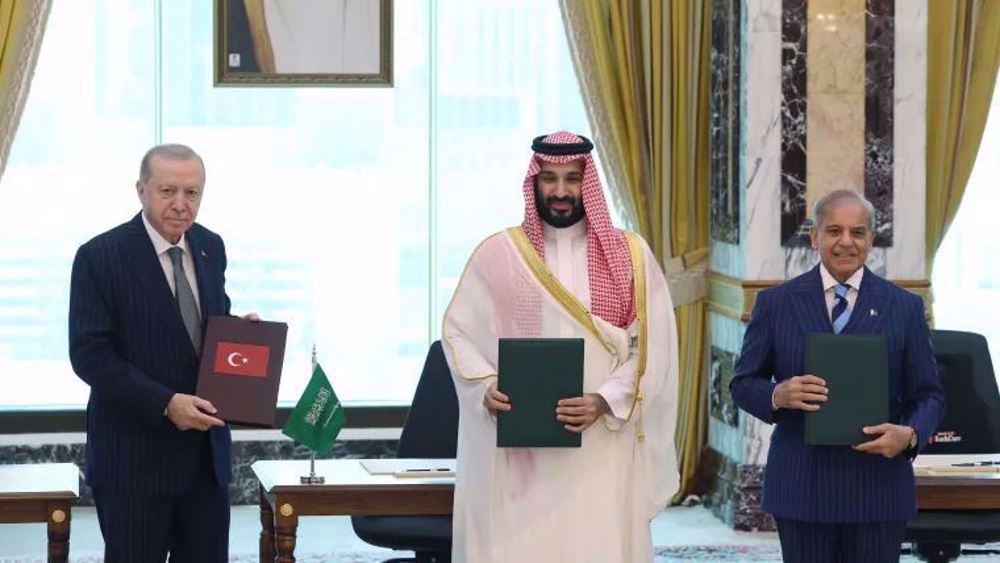
For the United States, perhaps the greatest cost may ultimately be something far less tangible: the growing distrust of its traditional partners in the Persian Gulf.
On August 7, Saudi Arabia, Pakistan, and Turkey signed a trilateral mutual defense pact known as the Mecca Joint Defense Agreement or the Mecca Agreement.
The agreement establishes a collective defense arrangement under which an armed attack against any of the three states is to be regarded as an attack against all three.
Many experts have described the signing of the military pact between Saudi Arabia, Turkey, and Pakistan as one of the most significant developments to emerge amid the US-Israeli war in the region.
Former US diplomat Christopher R. Hill said, "They have all come to believe that the US will not be there for them when circumstances become difficult, and now is the time to strengthen regional efforts. You see no trace of Washington in this agreement".
The significance of the Mecca Pact goes far beyond another military agreement in West Asia. The agreement is based on a principle similar to NATO's famous doctrine: an attack on one is an attack on all.
Alongside the Iran-Oman agreement, we are also witnessing the formation of the Mecca Defense Pact between Saudi Arabia, Turkey, and Pakistan. Should these events be considered as unrelated and separate, or part of a greater tendency of regional countries to decrease their reliance on the United States?
Saudi Arabia is seeking to buy security through the agreements it has reached with Pakistan and Turkey, but it's clear that security cannot simply be bought.
Look at the numerous US military bases across the Persian Gulf; they have brought nothing but insecurity to the Arab countries that host them.
Those bases have not even been able to protect themselves from Iranian attacks.
They have been repeatedly targeted, and many of them have been destroyed.
Hossein Kana’ani Moghaddam, Political Analyst
What makes the agreement particularly significant is the environment in which it has emerged. It comes at a moment when regional countries are increasingly questioning the reliability of Washington's security guarantees.
For decades countries across the region have relied on the American security umbrella. But the war against Iran and the way Washington has handled the crisis has raised a much more fundamental question: Is the United States still willing to pay the price for the security of its allies as it once did?
For now, the Mecca Pact may be largely symbolic, but if distrust in Washington continues to grow, agreements like this could eventually evolve into something much bigger; a broader network of regional security arrangements, increasingly independent of the United States.
The international order is shifting toward new centers of power. China, Russia, India, Iran, and several other countries are moving toward establishing new relationships within the international system, moving away from unipolarity and toward a more multipolar order.
We are already seeing the emergence of blocs and alliances such as the Shanghai Cooperation Organization, BRICS, and the Eurasian Framework.
Hossein Kana’ani Moghaddam, Political Analyst
And that may be the deeper story unfolding behind the battle over the Strait of Hormuz, because Hormuz is no longer simply a waterway.
It has become a test of military power, a test of diplomatic credibility, a test of America's alliances, and above all, a test of who gets to define the rules of a changing region in this part of the world.
If the agreement is finalized, do you think that the United States will also gain something from it?
Look at the situation today. A strait that was once open has been closed.
A new route has been established that is favorable to Iran, and Iran's own arrangements are now in place there.
Frankly, when I look at the situation, I see almost no gain for the United States compared with six months ago.
Perhaps all Washington can do now is save face ahead of the congressional elections by claiming that it has normalized maritime traffic through the strait, even though the strait had been operating normally in the first place.
Saeed Ajorlou, Iranian Negotiating Committee, Media Team
For Washington, the question may no longer be how to force the strait back to the way it was before the war. The real question is whether West Asia itself has already changed too much for that to be possible.
Tehran's message appears unmistakable: the old rules are over.
The strait will not reopen simply because Washington wants it to, the United States will have to change its behavior first, and until then, the Strait of Hormuz remains closed.
Press TV’s website can also be accessed at the following alternate addresses:

Rome and Madrid border controls
Israel meddling in Slovenian election
Water supply fully restored in Hormozgan's Sirik after US strikes



 This makes it easy to access the Press TV website