Strait of Hormuz reopening hinges on US accepting Iran’s conditions: IRGC spokesman
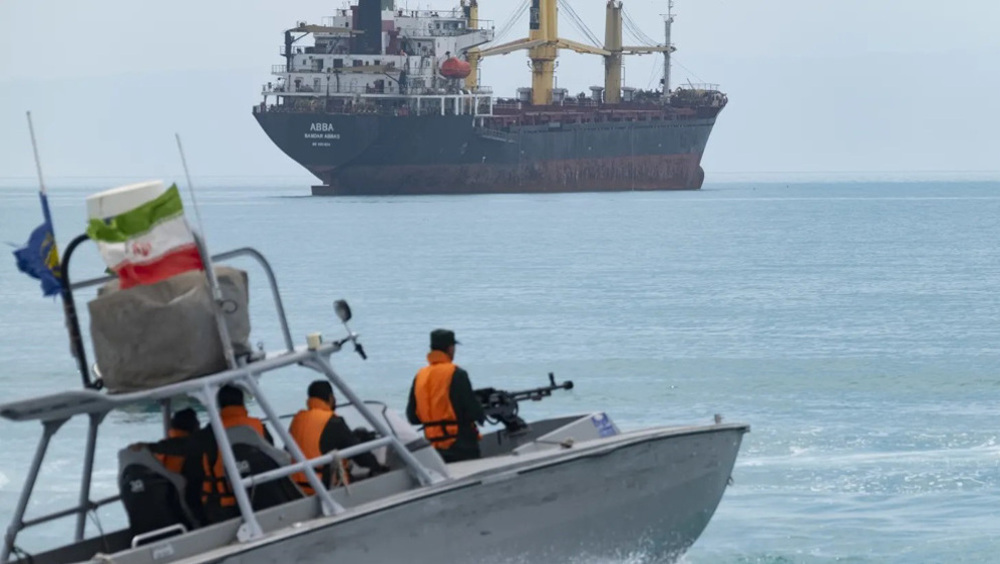
An IRGC spokesman says the reopening of the Strait of Hormuz depends on the United States fully accepting Iran’s conditions and ending its interference in regional negotiations.
Speaking on Saturday at a ceremony in the southern city of Bandar Abbas marking National Journalists’ Day, Brigadier General Hossein Mohebi said the reopening of the strategic waterway is governed by Iran’s own mechanisms and conditions and is unrelated to Iran-Oman negotiations.
“The reopening of the Strait of Hormuz is subject to the Islamic Republic of Iran’s specific mechanisms and conditions and has nothing to do with the negotiations between Iran and Oman,” he said.
“The Strait of Hormuz is not merely an economic waterway for us; it is a component of geopolitical and strategic power,” Mohebi said.
He added that the strait would reopen once the United States accepted Iran’s conditions and stopped interfering in regional negotiations.
“Whenever the United States accepts Iran’s conditions, the Strait of Hormuz will certainly be reopened,” he said.
Mohebi also discussed the consequences of the war and its impact on global markets, describing a major shift in the dynamics of power in modern conflicts.
“Today, geography, after being pushed to the margins of military calculations for years, has returned forcefully to the heart of warfare. The Strait of Hormuz is no longer merely an economic passage; it has become an instrument of power and war,” he said.
Pointing to the global economy’s heavy dependence on the region’s resources, Mohebi also highlighted the importance of Persian Gulf states in the production of strategic metals.
He said disruptions in the supply of raw materials had affected the production of printed circuit boards, which are essential components of smartphones, servers and computer equipment.
Elsewhere in his remarks, he said that over its 267-year history, the United States had intervened in 150 countries and changed the fate of their political systems, but said Washington had failed to achieve any of its interventionist policies in the case of Iran.
“In reality, the US doctrine of intervention has been defeated in the face of Iran’s resistance,” Mohebi said.
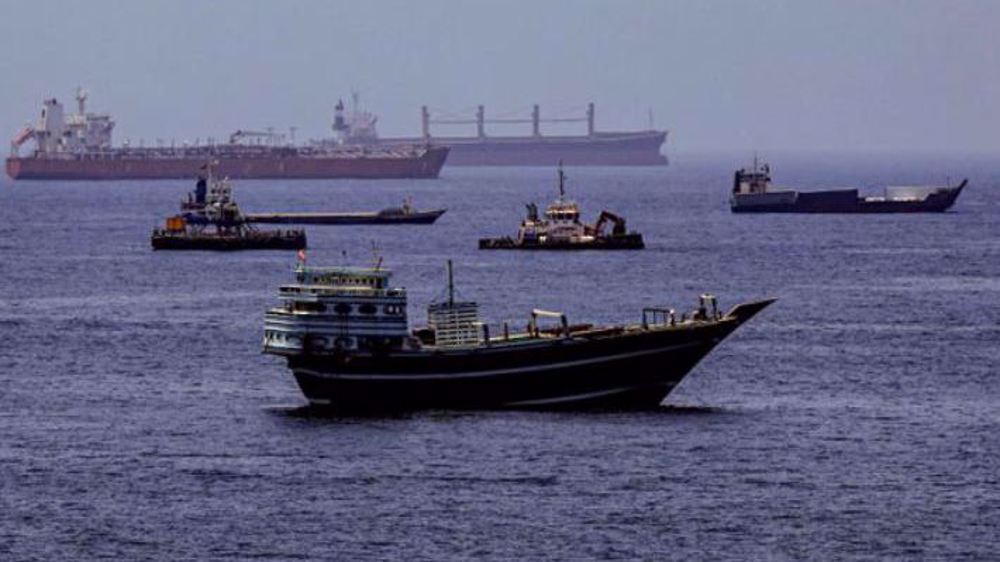
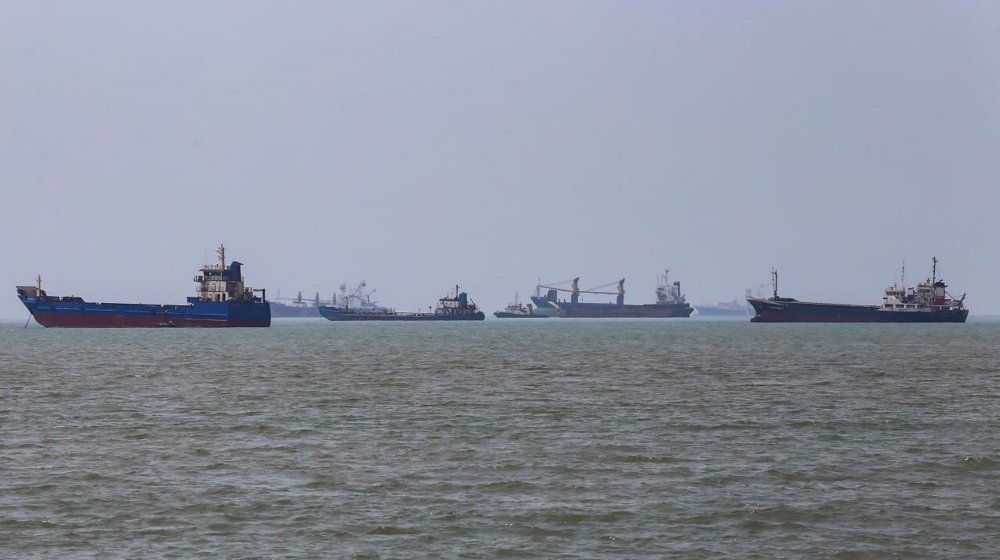
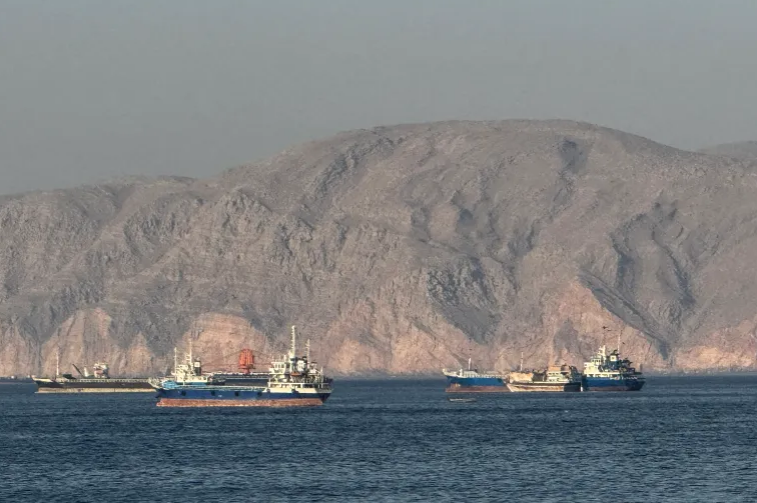
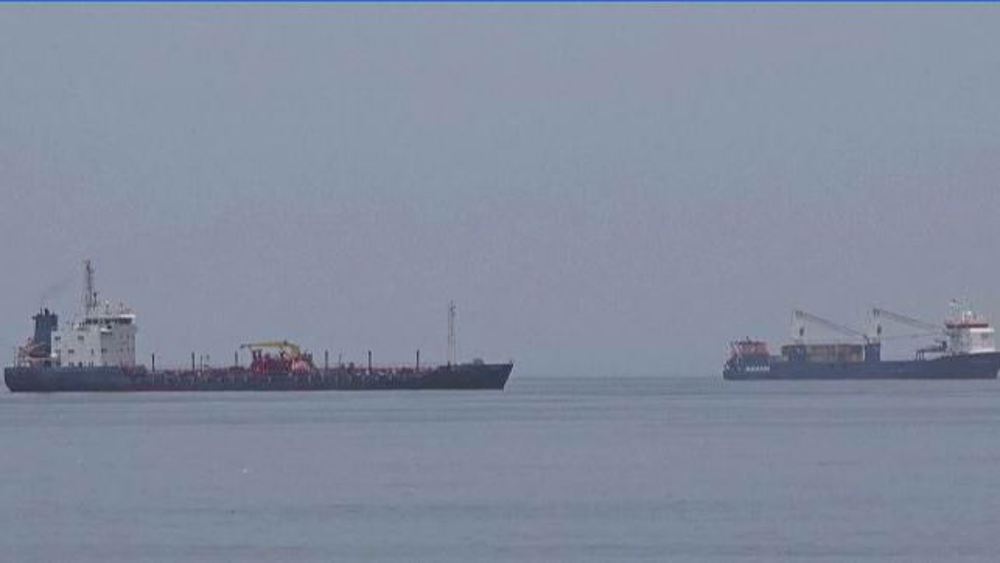
The Strait of Hormuz, one of the world’s most important energy transit routes, has been at the center of contention between Iran and the United States since Washington, alongside the Israeli regime, launched a war of aggression against the Islamic Republic on February 28.
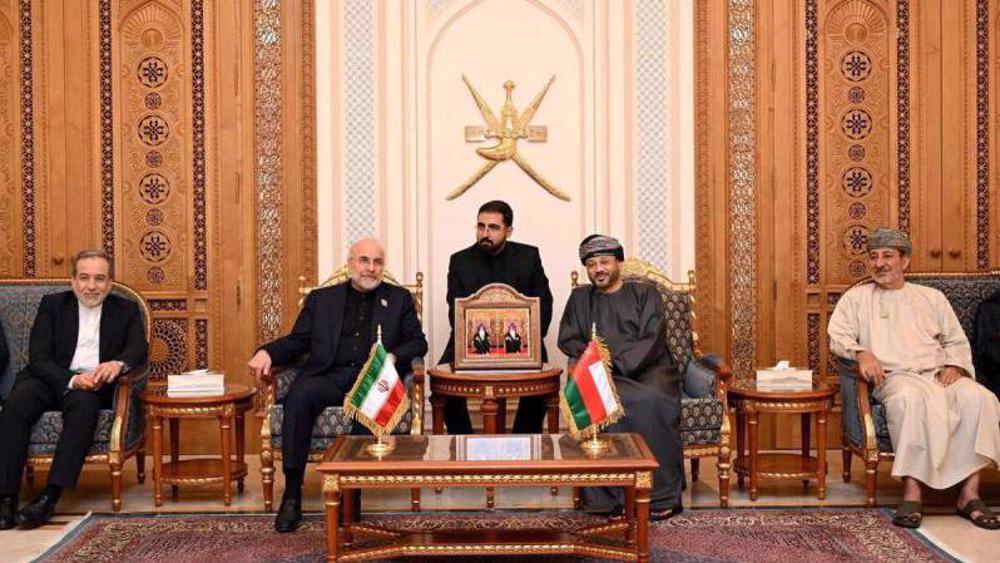
In response, Iran closed the strategic waterway and later began talks with Oman to establish a joint mechanism for shipping arrangements.
Iran has stressed that any potential agreement with Oman on new vessel transit arrangements does not mean the Strait of Hormuz will immediately reopen.
Iranian Deputy Foreign Minister for Legal and International Affairs Kazem Gharibabadi has said Tehran and Muscat are close to finalizing a new framework for the transit of commercial vessels, which would replace the decades-old system and route a significant portion of commercial traffic through Iranian territorial waters.

Trump economics after 18 months
Iranian Armed Forces commend journalists countering media warfare
Iran will resist any attempt to force it into submission: Pres. Pezeshkian



Iranian order in Strait of Hormuz is ‘irreversible’: Army spokesman
VIDEO | Press TV's news headlines
Proposed US bill ties military funding for Lebanon to Hezbollah disarmament
Lebanese MP: US behind all wars in West Asia, Hezbollah won’t yield to pressure
VIDEO | A regional geopolitics
VIDEO | US top general reportedly seeks off-ramp from war on Iran
VIDEO | US does not act on behalf of the people: Former US government advisor
Iranians will stand ‘until the end’ with Leader’s decision: President


 PressTV NEWSLETTER
now
PressTV NEWSLETTER
now
 This makes it easy to access the Press TV website
