Iran says control over Hormuz 'decisive' as Kpler data debunks US claims

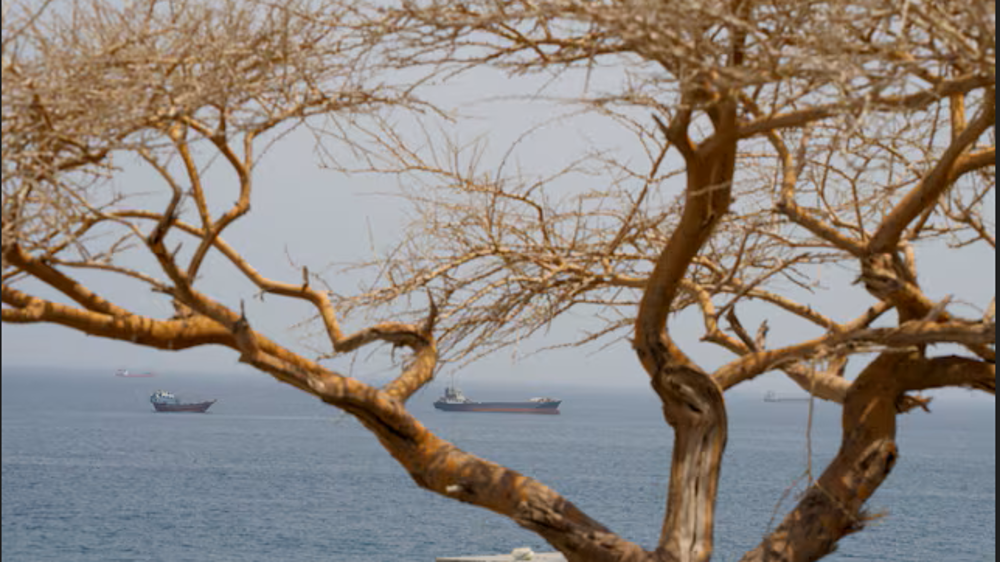
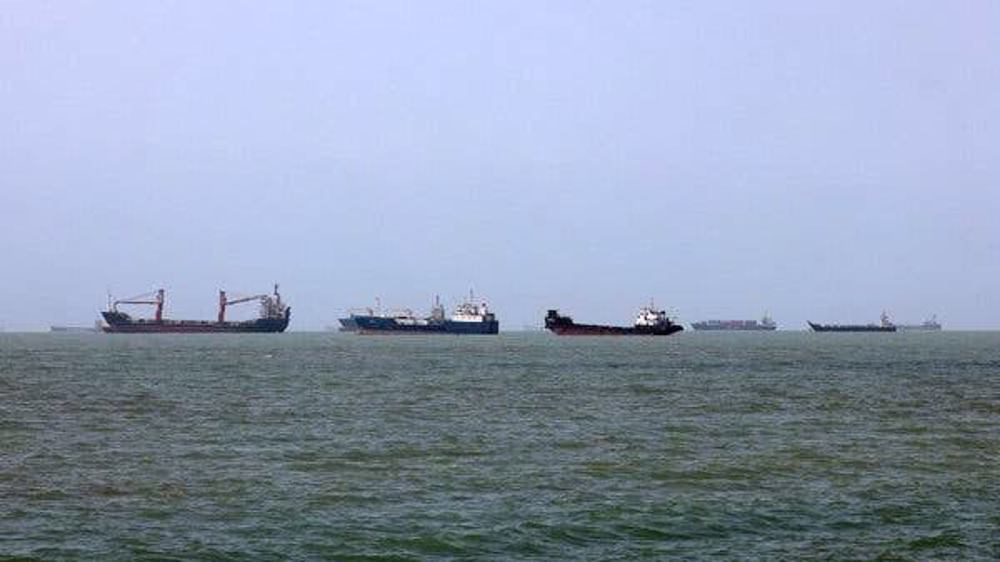
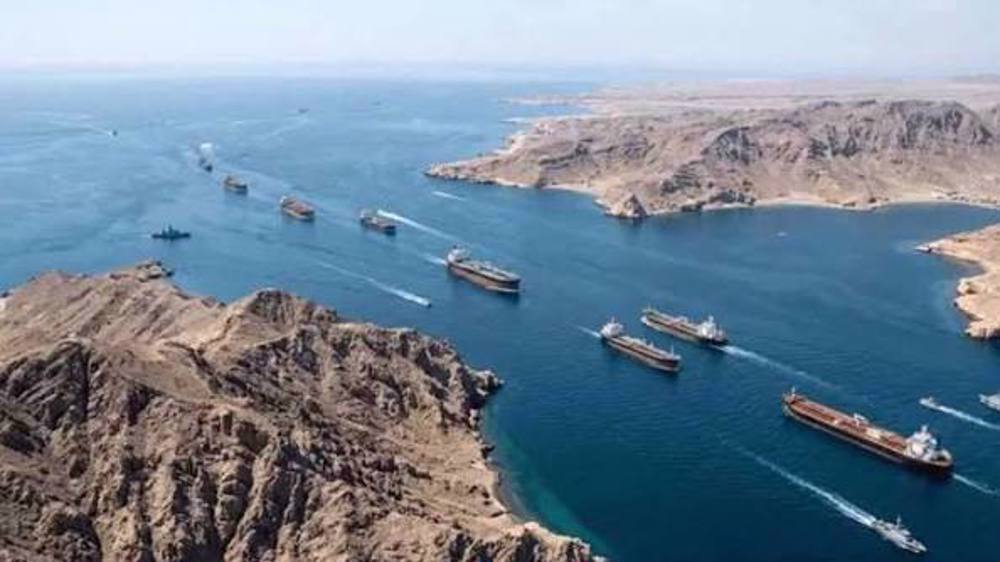
The Strait of Hormuz remains closed, the commander of Iran's Islamic Revolution Guards Corps (IRGC) Navy says, dismissing US claims about the level of maritime and oil traffic through the strategic waterway.
Rear Admiral Ali Ozamaei said on Thursday that the situation should be assessed based on what is happening at sea rather than statements issued by US officials.
“The Strait of Hormuz is closed, and the reality must be seen in the field, not in the statements and remarks of US officials,” Ozamaei said.
He stressed that Iranian forces maintain firm control over activity in the waterway.
“The Strait of Hormuz is closed. Our control over movements is complete and decisive. No movement in this strait escapes the eyes of the members of the IRGC Navy,” he said.
His remarks come amid US claims about increased volume of shipping and oil exports through the strait, a critical chokepoint through which roughly one-fifth of global oil demand normally passes.
However, data from commodity analytics firm Kpler showed that shipping traffic remained significantly below normal levels toward the end of the week.
Nine vessels transited the strait on Thursday, up from five the previous day, but still below the August daily average of 12. All used the Iranian shipping route.
Strait of Hormuz will reopen only when US accepts Iran’s conditions: SNSC chiefhttps://t.co/uF86uRWAqP
— Press TV 🔻 (@PressTV) August 12, 2026
The figures contrast with claims by US officials that oil flows have substantially recovered.
US Energy Secretary Chris Wright claimed on Wednesday that “the seven-day average for oil leaving the Strait of Hormuz is currently up to almost 9 million bpd.” He also claimed that an additional 5-7 million barrels per day were leaving the region through upgraded pipelines and export facilities.
However, vessel-tracking data cited by Reuters provided a sharply different picture. Kpler recorded crude exports through Hormuz at 2.77 million barrels per day for the week beginning July 27 and only 1.74 million barrels per day for the week beginning August 3. Even the strongest week since the war began saw 6.98 million barrels per day leave the strait.
The discrepancy extends to overall exports from West Asia. Kpler put crude shipments at 9.53 million barrels per day during the week beginning August 3, compared with 18.7 million barrels per day in the three months before the war. LSEG data similarly showed exports of 9.33 million barrels per day during the first 12 days of August, down from 12.35 million in July.
The conflicting figures have raised questions about the US administration's account of the situation. Many analysts believe the Trump administration is disseminating misinformation to control oil prices and to depict a fake victory in the war against Iran, as none of Washington’s stated goals for the aggression have been fulfilled.
Defeated militarily, Washington has returned to imposing economic pressure on Tehran. US war secretary Pete Hegseth said the US Navy could maintain an illegal blockade of Iran indefinitely, stating, “Indefinitely the United States Navy can maintain a blockade like that because we'll rotate ships in and out, as we have, and we'll continue to.”
Iran restricted transit through Hormuz following the US-Israeli aggression that began on February 28 and ended under a ceasefire on April 8. Tehran later signed a Pakistan-brokered Memorandum of Understanding with Washington on June 17. Article 5 places responsibility for reopening and managing the strait with Iran.
Subsequent US actions, including the establishment of an unsafe corridor near Omani shores and renewed aerial attacks on Iranian southern provinces in July, violated the arrangements intended to end the war and prompted Tehran to reimpose restrictions.
Iran and Oman are meanwhile holding talks on a new mechanism for maritime traffic through the strait. Tehran has stressed that any reopening of the waterway depends on the US meeting Iran’s demands.
Media reports on Qatar-mediated talks ‘baseless speculation’: Baghaei
Media reports of Iran showing nuclear flexibility false; US trapped in Hormuz Strait: Source
Iraqis hold nationwide rallies against suspension of Iranian flights



VIDEO | Russia holds events under title of Iran’s Culture Week
Republicans distancing themselves from Trump ahead of US midterms
Pezeshkian: Expanding Iran-Azerbaijan rail, air links key to strengthening ties
Iranian engineering students hold lectures at US-bombed B1 mega-bridge
VIDEO | Press TV's news headlines
Iran: Trump caught in ‘quagmire,’ unable to decide
Italy ends 12-year military presence in Iraq with final troop withdrawal
‘Wake up and wrest back control from corrupt politicians’: Snippets from IRGC’s letter to Americans




 PressTV NEWSLETTER
now
PressTV NEWSLETTER
now
 This makes it easy to access the Press TV website
