
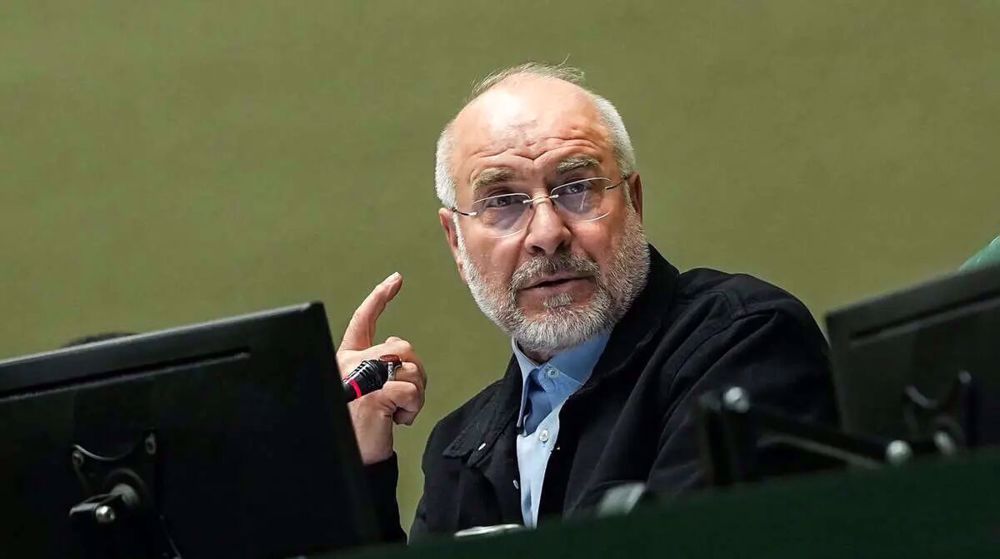
Iranian Parliament Speaker Mohammad Baqer Qalibaf has warned US Treasury Secretary Scott Bessent that rapidly declining strategic oil reserves, rising US Treasury yields and surging oil futures prices have placed him and the US President Donald Trump administration in a difficult position.
In a post on X on Thursday, Qalibaf directly addressed Bessent, saying, “Short harder, champ. Like your career depends on it (because it does). Or drain below the danger zone and watch your caverns collapse (along with your career). Or pray to the salt gods of Bryan Mound. The world's already got its popcorn :)”
OQX26|USGG10YR|DOESSPR
— محمدباقر قالیباف | MB Ghalibaf (@mb_ghalibaf) September 3, 2026
Short harder, champ. Like your career depends on it (because it does). Or drain below the danger zone and watch your caverns collapse (along with your career). Or pray to the salt gods of Bryan Mound.
The world's already got its popcorn :) pic.twitter.com/pgIYN92l3e
Qalibaf’s remarks came amid growing pressure on the US administration over the performance of the Treasury and energy markets.
Bessent has pursued buyback operations in the US Treasury market, particularly involving 10-year bonds, in an effort to bring down long-term yields and reduce borrowing costs ahead of the midterm elections.
However, the bond market has largely resisted the intervention, with yields remaining elevated or even increasing. Critics, including veteran Wall Street figures such as Stanley Druckenmiller, have questioned the effectiveness of the measures and warned of growing market risks.
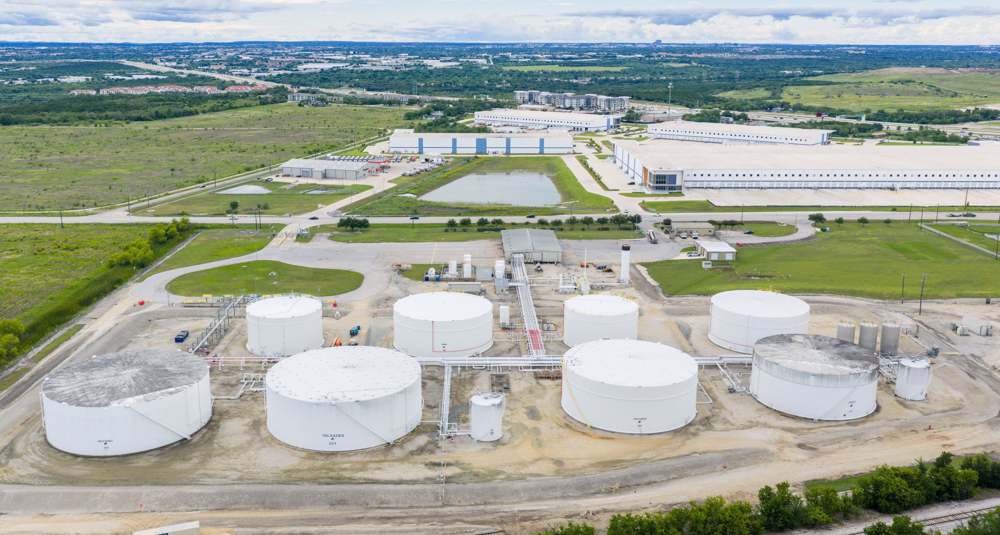
The United States has also drawn heavily on its Strategic Petroleum Reserve (SPR) amid the war with Iran and disruptions in the Strait of Hormuz.
The SPR, which is stored in vast underground salt caverns in Texas and Louisiana, has fallen to its lowest level since the early 1980s. Bryan Mound, near the Texas coast, is among the reserve’s major storage sites.
Concerns have also been raised over the structural risks associated with excessive withdrawals from salt caverns, including pressure changes, salt-wall stability, well integrity and potential damage to long-term storage capacity.
Some oil traders have interpreted Bessent’s signals as an indication that US efforts could push futures prices lower. However, Oman and UAE oil futures, which are being closely watched as indicators of market expectations surrounding oil flows through the Strait of Hormuz, have risen above $100 in recent days.
Washington had been counting on psychological pressure and assurances about the reopening of the southern shipping route through Hormuz to bring down futures prices.
The combination of elevated bond yields, sharply reduced strategic oil reserves and rising oil futures prices has created mounting pressure on Bessent and the Trump administration.
According to Qalibaf, Washington is attempting to mask the situation through rhetoric over Iran, while market indicators are providing a clearer picture of the underlying pressures.
 This makes it easy to access the Press TV website