Former Iranian FM warns US against nuclear option, vows economic blockade will be shattered
A senior Iranian lawmaker and former foreign minister has issued a warning to Washington, declaring that any use of nuclear weapons by the United States against Iran would ignite a Third World War, while vowing that Tehran will completely shatter the US-imposed economic blockade across the region.
Speaking in an exclusive interview with Press TV, Manouchehr Mottaki dissected the United States' failing military and diplomatic strategies, exposing President Donald Trump’s "deception" to buy time ahead of the upcoming US elections.
Addressing recent murmurs within the US administration regarding the potential use of nuclear weapons, Mottaki cautioned American leaders against such "stupidity," likening Trump to a "bull with horns but no wisdom."
"In 1945, they used nuclear bombs to put an end to a war. This time, if they resort to nukes, they will start a war. And that will be the Third World War," Mottaki stated.
He emphasized that a nuclear strike would not only endanger Iran’s vast 1.64 million square kilometer territory but would plunge the entire region and the globe into unprecedented chaos.
Mottaki noted that Washington's traditional allies are already abandoning them, pointing out that unlike the invasions of Iraq and Afghanistan, NATO members have notably refused to join the US in its war against Iran.
"If such a threat is carried out, it will naturally pave the way for a global process where those who reject unilateralism will not tolerate America's attempt to intimidate the world through nuclear monopoly," he warned.
Trump’s deception, election countdown
Mottaki outlined a critical 60-day window leading up to the US elections, arguing that Trump is currently trapped in a quagmire of his own making.
Having failed to achieve his objectives in the initial phases of the war, Mottaki claims the US president is relying on four tactics to stall: limited fighting, a naval siege, ceasefires, and deceptive negotiations.
He pointed to the recent Islamabad Memorandum of Understanding (MoU) as a prime example of this deception.
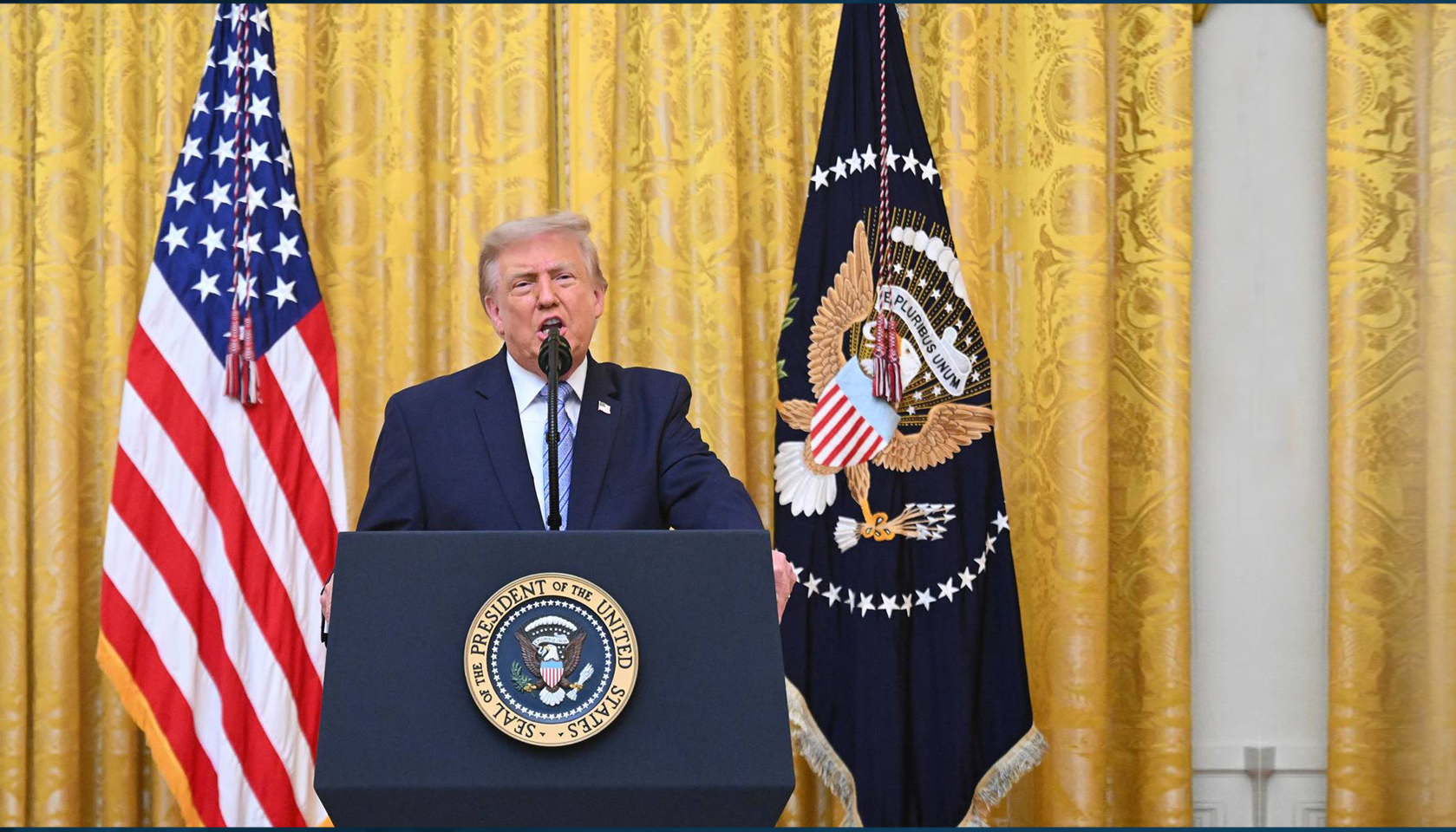
While the US initially proposed a 15-point plan heavily favoring Washington, Iran countered with a 14-point plan that was mostly in Iran’s favor, according to Mottaki.
"We were surprised why he accepted it and signed it," Mottaki noted. "It was because Trump did not want to actually comply with the provisions. He just wanted the signature to play games and spend time until election day without reaching a real agreement."
Mottaki warned that this stalling tactic is designed to prevent Republican losses in Congress and the Senate, as 62% of Americans currently oppose the war.
"If they win [the midterms], they can start a full-fledged war," he cautioned.
Shattering the blockade
Turning to the economic battlefield, Mottaki delivered a resolute message regarding the US naval blockade and sanctions aimed at crippling Iran's oil exports.
"We are not going to tolerate this anymore," he declared. "If we cannot export oil, no one else in the whole region should be able to export any oil. Not only through the Persian Gulf, but through Aqaba and the Red Sea. No oil will be leaving this region."
Mottaki affirmed Iran's absolute authority over the Strait of Hormuz, dismissing US attempts to bypass Iranian control by provoking Oman into allowing vessels through its territorial waters.
"Iran was determined that vessels from an illegal route should be stopped. So we brought it to zero," he said, stressing that once the US threat is removed, the strait will remain open for global trade, but never for hostile military fleets.
He also highlighted the deep disconnect within the US military command, recalling a meeting where the commander of US CENTCOM questioned Trump on how to handle Iran's closure of the Strait of Hormuz.
While Trump arrogantly dismissed the concern by claiming the war would be over in "one week," Mottaki noted that a year later, the US remains hopelessly stuck in a regional quagmire, having suffered severe blows from Iranian military retaliation across multiple countries.
"The Americans need to realize that they should prepare themselves for the consequences," Mottaki concluded. "The biggest losers of this battlefield will be the Americans themselves."
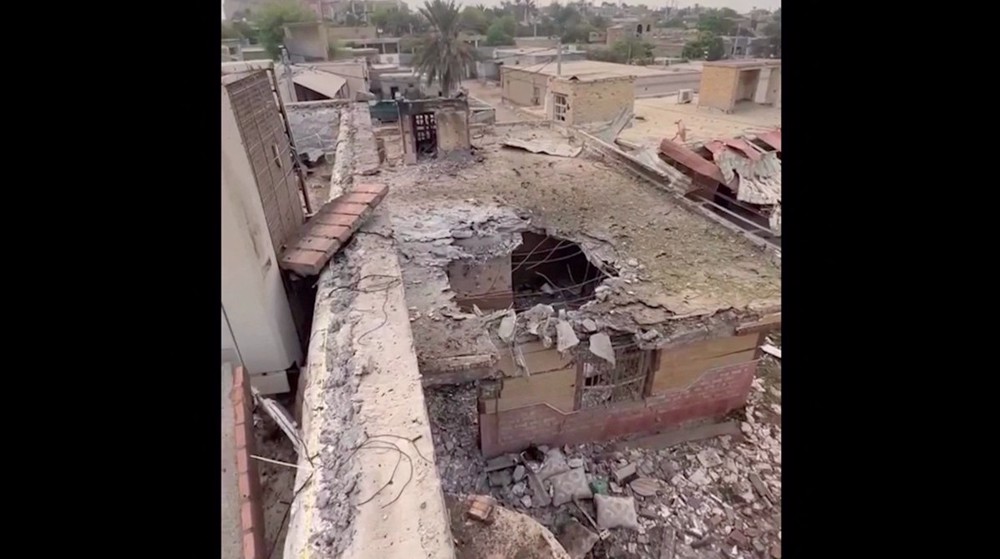
US has long record of turning weddings into funerals: Iran embassy
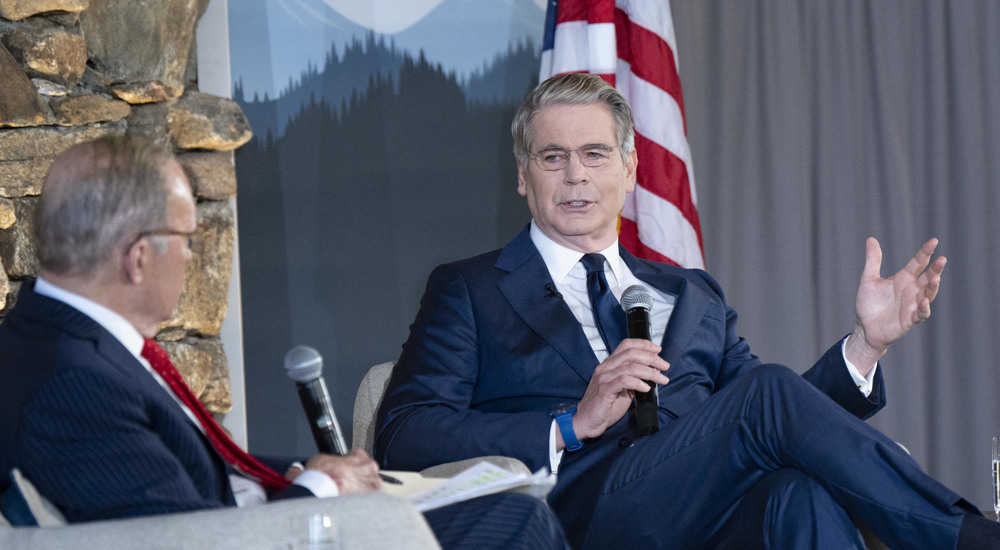
‘Your illusion of absolute power has collapsed’: Iran rebukes US Treasury chief over ‘backyard’ war
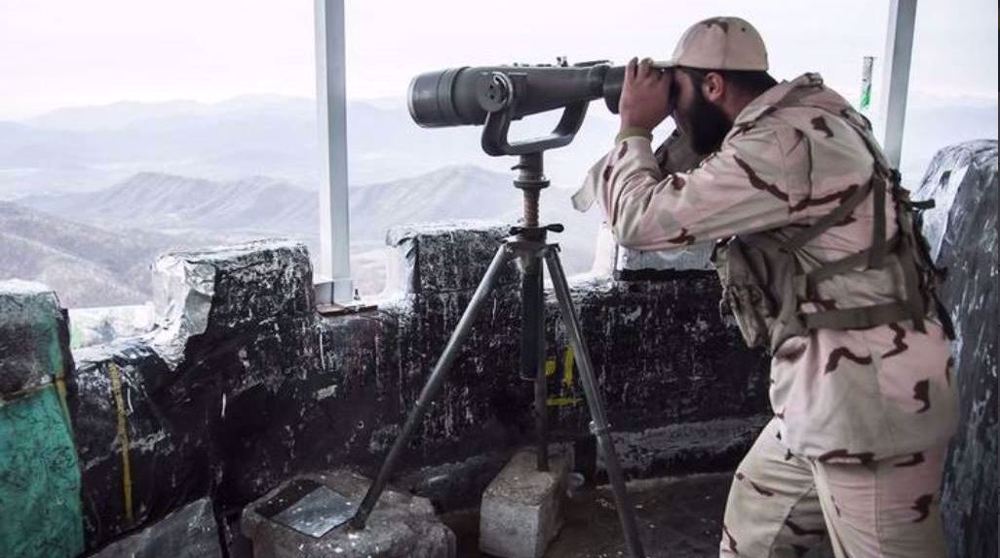
IRGC captures seven separatist militants, seizes weapons in western Iran



Qalibaf: Bessent on the brink as oil reserves fall and bond yields surge
VIDEO | Erez crossing closure deepens Gaza economic crisis
VIDEO | Press TV's news headlines
US has long record of turning weddings into funerals: Iran embassy
‘Your illusion of absolute power has collapsed’: Iran rebukes US Treasury chief over ‘backyard’ war
VIDEO | Exclusive: Former Iranian FM warns US against nuclear adventurism
IRGC captures seven separatist militants, seizes weapons in western Iran
VIDEO | US terrorist attacks on Iran


 PressTV NEWSLETTER
now
PressTV NEWSLETTER
now
 This makes it easy to access the Press TV website
