EU economy battered by illegal war on Iran

EU finance ministers are assessing the mounting economic costs facing the 27-nation bloc following the illegal aggression against Iran carried out by the United States and Israel.
They refuse, however, to describe the war as illegal.
The tensions between the United States and Iran; how important is it for the EU economy that the situation is resolved?
It's massively important.
We know that the Strait of Hormuz is now become the economic knot of the global economy, and as you know, the EU is less directly exposed to the crisis than Asia, but we have we have suffered from higher prices.
We've seen it in growth numbers for the first half [sic].
Roland Lescure, French Economy Minister
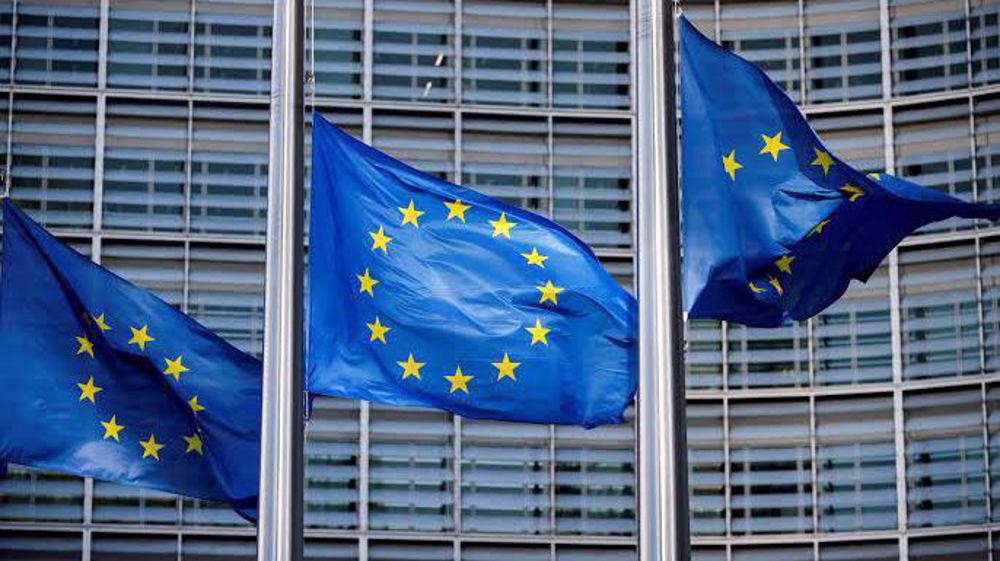
Questions are growing over the EU's energy security ahead of winter, with uncertainty hanging over global supply chains and energy markets. Analysts say much of that uncertainty stems from the illegal war on the Islamic Republic.
Inflation remains stubbornly high across the European Union, while interest rates continue to put pressure on households and businesses.
At the same time, the latest data from Eurostat, the EU's statistical agency, shows that 72.4 million people across the bloc are at risk of poverty.
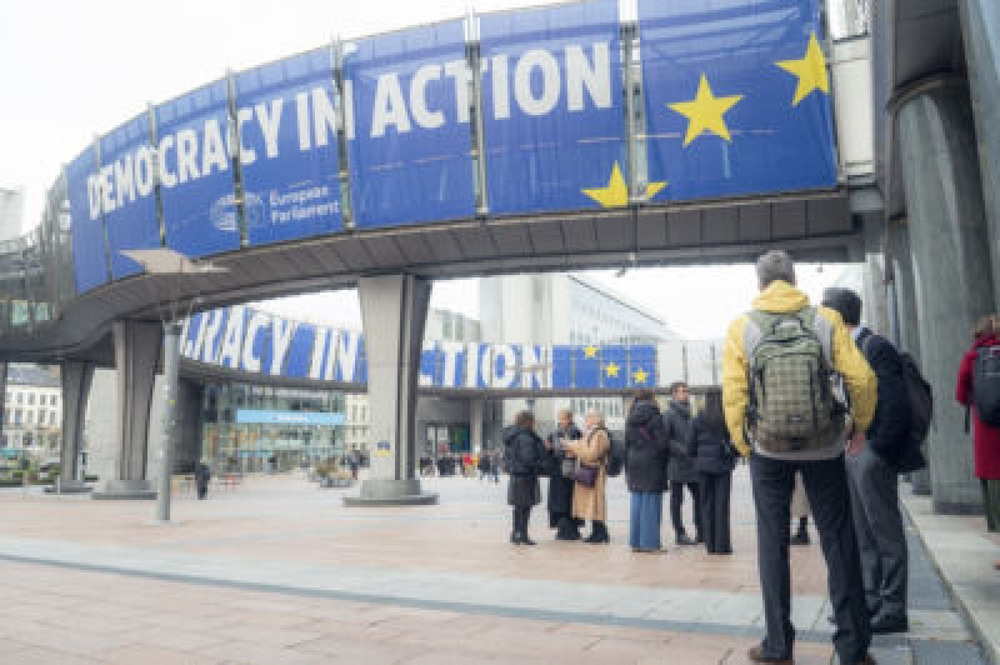
Poverty is the sharpest measure of the crisis. Millions more in the EU, including many in full-time work, are struggling to make ends meet as living costs continue to rise.
Critics say the economic uncertainty is ultimately driven by the Israeli regime, which they argue is steering US foreign policy.
Outside the Council of the EU, demonstrators are demanding that Tel Aviv be held accountable for its crimes, particularly in Gaza.
There's [sic] obviously deep trade connections between Israel and the European Union, with agreements such as the EU-Israel Association agreement that allow for both trade and investment in Israel and continued cooperation in research projects, and that's why we would be opposed to continuing with that.
Paddy Dwyer, EU Institutions Employee
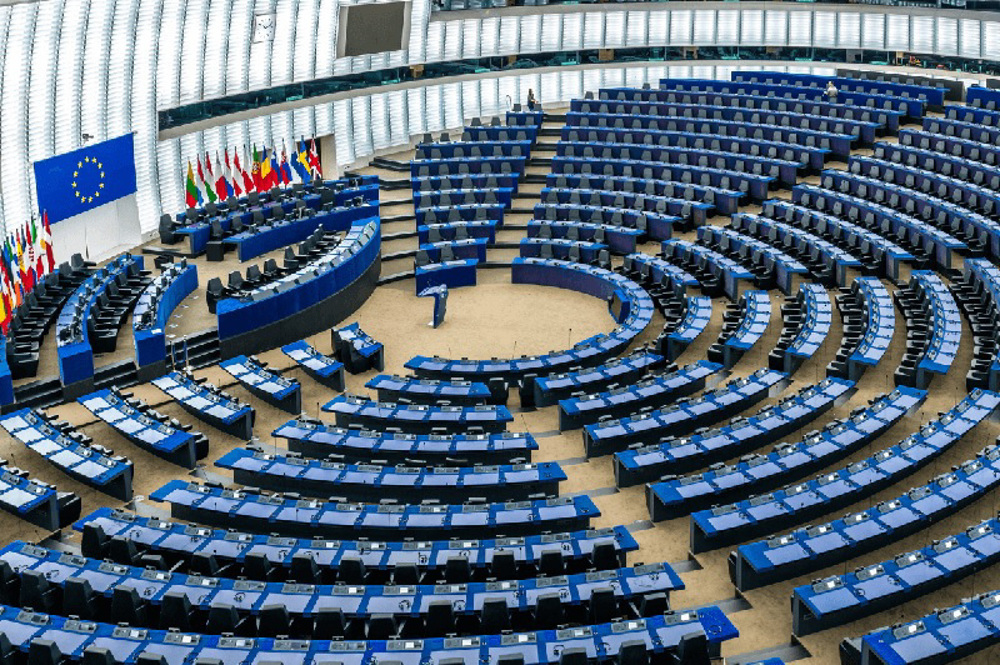
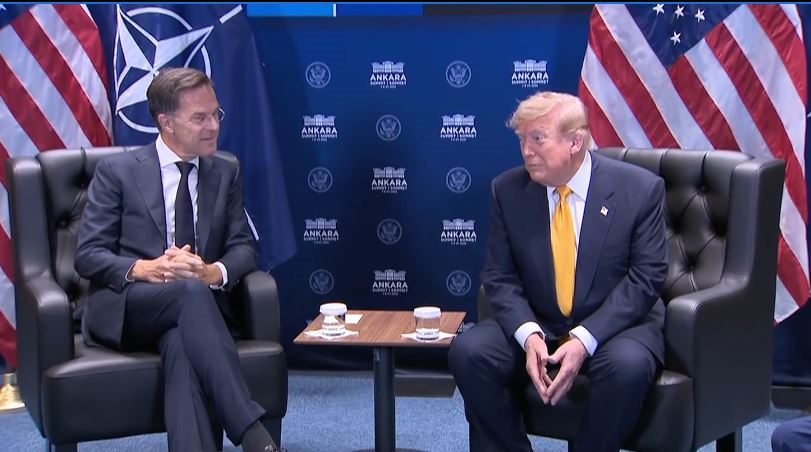
Back inside the council, ministers were pondering what might happen next, given Trump's volatility.
Renewed hostilities in recent days have again resulted in increases in oil and gas prices.
The Commission will continue to monitor these developments and their impact on growth and inflation very closely.
Valdis Dombrovskis, EU Commissioner for Economy and Productivity
For millions of Europeans, however, it's not about monitoring the economy, but living with its consequences.
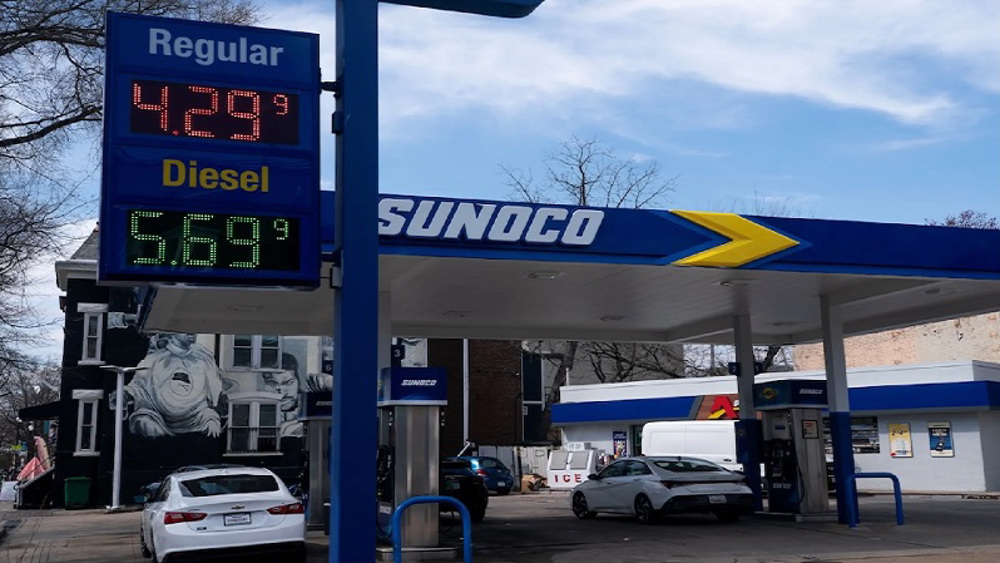
Global impact of US war against Iran
Has Venezuela’s revolution lost its way?
Environmental impact of US war on Iran



Iran details temporary Hormuz arrangement with Oman; vows reopening tied to fulfillment of demands
Canada announces retaliatory tariffs on more than 700 US products
IRIB World Service chief mourns Palestinian painter Mansour
VIDEO | Press TV's news headlines
Iran, Iraq to play decisive role in emerging regional order as US hegemony fails: Qalibaf
'War crime': Israeli forces raid, seize UNRWA training center in al-Quds
Enemies aims to sow discord, plunder Muslim countries’ resources, Iran warns
‘Surrender? Of course not’: Pezeshkian vows Iran will annul US economic war





 PressTV NEWSLETTER
now
PressTV NEWSLETTER
now
 This makes it easy to access the Press TV website
