US failure in war on Iran ignited clash between Trump, MBS: Report
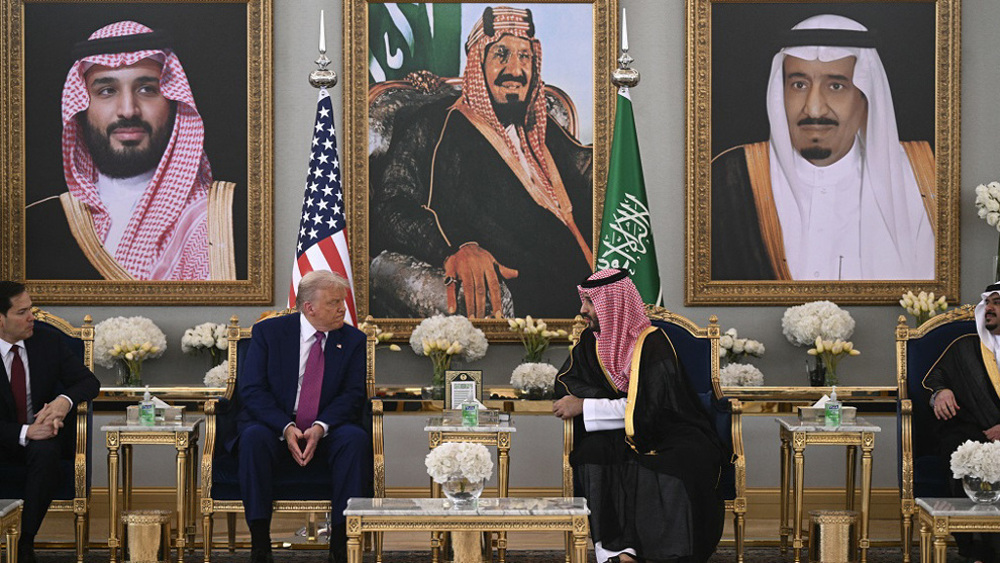
Saudi Crown Prince Mohammed bin Salman has reportedly “lost confidence” in US President Donald Trump over the failure of the US war of aggression against Iran, triggering a clash with Washington.
According to the New York Times (NYT), the kingdom prevented Washington from accessing its airspace following the launch of so-called "Project Freedom" by Trump to assert US naval presence in the Strait of Hormuz, where Iran had imposed security measures against the ships of adversaries.
Sources cited by the NYT said Trump was “in a bind” after more than a month of all-out aggression against the Islamic Republic.
US Central Command (CENTCOM) was readying itself to start the project, officials told the NYT, adding that naval and air attacks were being prepared to “ward off” any Iranian resistance.
However, the US was “caught by surprise when officials from Saudi Arabia said American forces could not use the kingdom’s airspace for the mission,” the report added.
That set off a flurry of tense and urgent phone calls between Washington and bin Salman. An outraged Trump spoke with the Saudi crown prince on May 4, the first day of the operation, and on the next two days as well, US officials said.
Vice President JD Vance talked to the prince in a separate call, as did Steve Witkoff, the special envoy to the West Asia, and Jared Kushner, Trump's son-in-law. Marco Rubio, the White House national security adviser, spoke to his counterpart.
But MBS reportedly stood his ground, fearing that America's plan could reignite war.
The Trump administration was forced to shut down the so-called ‘Project Freedom’ less than 48 hours after it had begun.
"They had lost confidence in the administration, and they thought if they let the US use their airspace, they would get hit even harder by Iran," said Hussein Ibish, a scholar at the Persian Gulf States Institute in Washington.
The all-hands campaign by the White House to sway the crown prince, which has not previously been reported, and other crucial moments during the war revealed US and Saudi officials becoming increasingly at odds over how to approach security in the region.
And more and more, the Saudis see the US government as unreliable and even on occasion a risk to the Arab nations of the Persian Gulf region.
There are other signs of tension. When Rubio, who is also the secretary of state, visited the Persian Gulf last week, he skipped Saudi Arabia while stopping for meetings in Bahrain, Kuwait and the United Arab Emirates (UAE).
MBS, the Saudi crown prince, had previously “pressed President Trump … to cripple Iran,” but “as Iran asserted its power, the prince urged a ceasefire, and is now pursuing his security priorities,” according to the report.
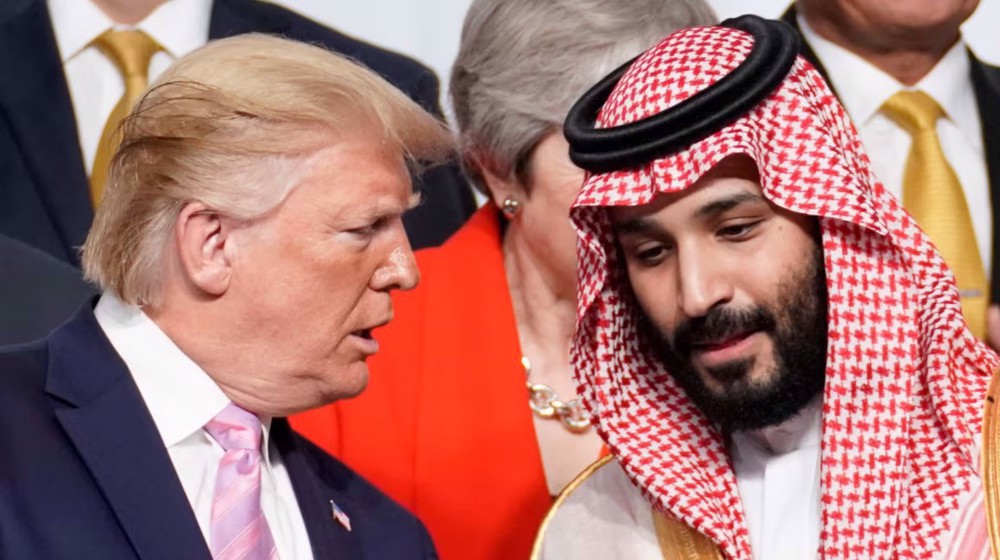
In May, Western media claimed that Riyadh had proposed the idea of a “non-aggression pact” between Iran and neighboring states.
Reports said Saudi Arabia is expected to host a reconciliation summit soon, aimed at restoring diplomatic relations between Iran and Arab states of Persian Gulf.
US-Israeli terrorist attacks on the Islamic Republic were facilitated by several Arab states, including the UAE and Saudi Arabia, which carried out their own direct strikes against Iran, according to multiple reports.
Tehran has officially demanded compensation for damages from several Arab states, as well as Jordan, for facilitating US-Israeli attacks during the aggression.
Yemen taught US Navy ‘a hard lesson’: Ansarullah
Saudi warplanes bombard areas recently liberated in Yemeni army’s advances
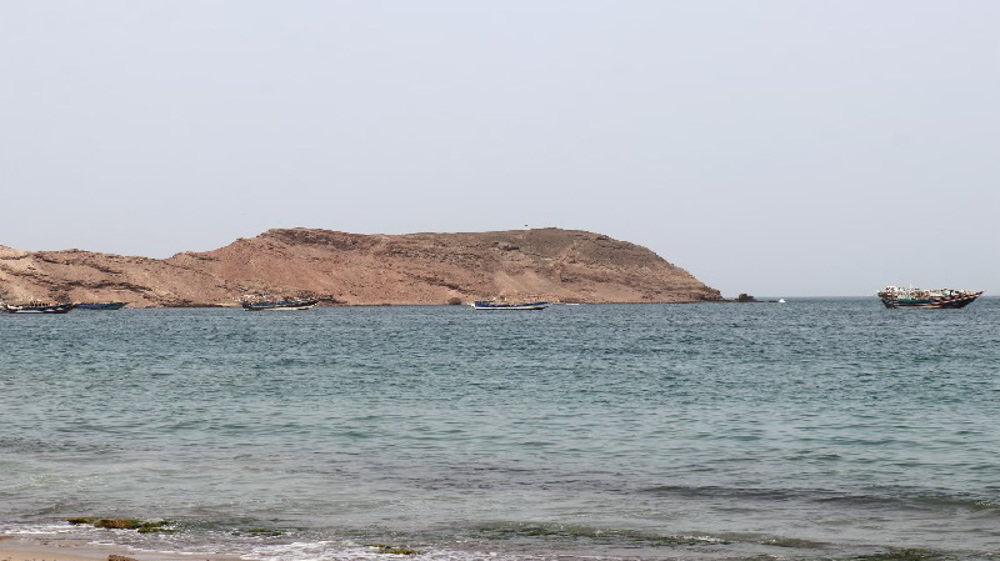
Ansarullah takes over Bab al Mandab Strait



VIDEO | Israel concerns about Houthi
Art of killing innocents: How US ‘precision’ missiles turned southern Iran wedding into a massacre
VIDEO | Regional push for Hormuz deal
VIDEO | News Review: Yemen launches large-scale operation against Saudi base
Iran’s strategic location, energy resources position it as a key player in BRICS alliance: Analyst
Yemeni army strikes aircraft hangars, radars, arms depots at Saudi airbase
Meet the 7-year-old Iranian prodigy who won gold at 2026 International Junior Informatics Olympiad
Iranian academic and entrepreneur wins top prize at BRICS women’s startup contest


 PressTV NEWSLETTER
now
PressTV NEWSLETTER
now
 This makes it easy to access the Press TV website
