
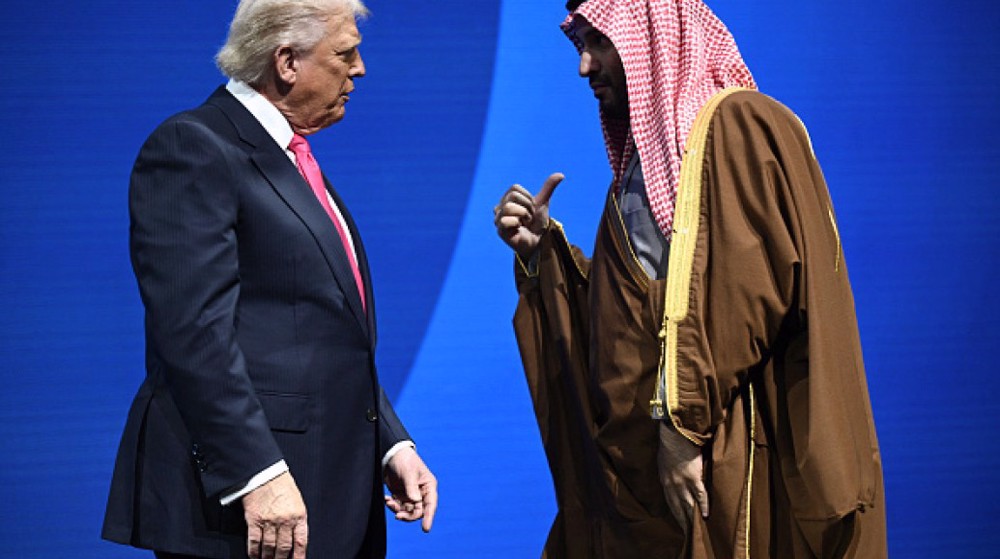
Tensions between Saudi Arabia and the United States have reportedly intensified after Riyadh initially refused to grant Washington access to its military bases and airspace to support the US aggression against Iran.
In early May, Saudi authorities denied the US permission to use Saudi territory during the so-called Operation Project Freedom, an offensive intended to reopen the Strait of Hormuz amid the wider US-Israeli war against Iran.
Saudi Crown Prince Mohammed bin Salman initially thought that the offensive could lead to an unwanted escalation with Iran, leaving US President Donald Trump "stunned" by the crown prince's stance, according to The New York Times.
This led to the offensive being halted, with Trump claiming that he was instead in the process of a "deal" with Tehran.
Although Riyadh ultimately acceded to US demands, lifting restrictions on the use of its airspace alongside Kuwait, the kingdom's initial refusal reportedly frustrated Trump, raising the prospect of a significant reduction in US military assistance to Saudi Arabia.
The Wall Street Journal reported that the White House is now mulling over scaling back its military footprint in the kingdom, which could lead to a reduction in the delivery of interceptors that Saudi Arabia would need to shoot down missiles and drones.
Signs of a rift between the longtime allies have already emerged, as US Secretary of State Marco Rubio did not visit Saudi Arabia during his tour of the Persian Gulf last week, which included stops in Bahrain, Kuwait, and the United Arab Emirates.
Saudi officials described Rubio's decision as a "calculated snub," according to the Wall Street Journal. The Trump administration, however, rejected that characterization, saying Rubio held "positive conversations" with Saudi Foreign Minister Faisal bin Farhan on the sidelines of his regional tour.
The Saudi Crown Prince also declined an invitation to the G7 Summit in France in mid-June, in an apparent reaction to America's handling of the war, according to the report. The summit was attended by the leaders of Qatar, the UAE, and Egypt.
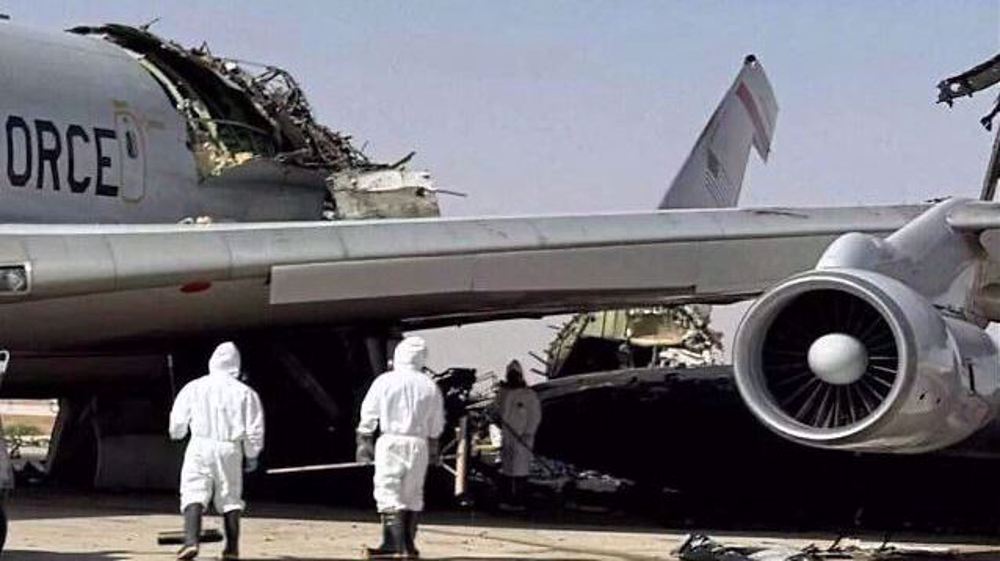
The US and Israel initiated an unprovoked war against Iran on February 28, using the territories of the Persian Gulf states, including Bahrain, Saudi Arabia, Qatar, and the UAE, as well as Jordan, to launch airstrikes against Iran.
In response to the aggression, the Iranian Armed Forces retaliated with 100 waves of missile and drone strikes targeting the Israeli-occupied territories and US bases in the Persian Gulf countries.
 This makes it easy to access the Press TV website