

Foreign Minister Abbas Araghchi says Iran’s western city of Sardasht has come to symbolize the resilience of a nation that suffered one of history’s worst chemical attacks yet never bowed to aggression.
The June 28 marks the anniversary of the chemical bombardment of Sardasht, a small city in Iran’s West Azarbaijan Province, by the regime of former Iraqi dictator Saddam Hussein with Western backing.
Marking the 39th anniversary of the tragedy, Araghchi said, “Sardasht is not merely a city; it is a symbol of the suffering of a nation that fell victim to chemical weapons yet never yielded to aggression.”
“Faced with a storm of death and mustard gas raining down upon it, Sardasht only strengthened its roots in the soil of Iran’s honor and resilience,” he added.
The Iranian nation, Araghchi said, has shown throughout history that “it will never surrender to bullying and aggression.”
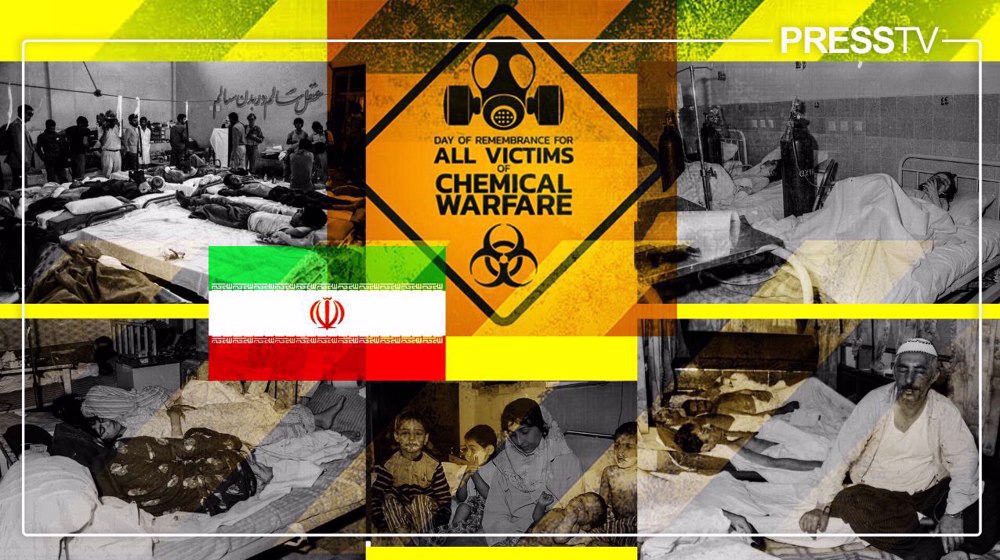
The foreign minister vowed that Tehran would continue pursuing justice for the victims of the 1987 chemical attack, saying the perpetrators of the crime and those who supported them remain internationally accountable.
He said the Western governments that remained silent over Iraq’s use of chemical weapons against Iran had now become direct participants in aggression against the Islamic Republic.
On June 28, 1987, the Saddam regime dropped mustard gas bombs on Sardasht, killing at least 119 civilians and injuring about 8,000 others, many of whom continue to suffer from the long-term effects of chemical exposure.
Western countries, including Germany, the Netherlands, Britain, France and the United States, contributed to Iraq’s chemical weapons program at the time.
 This makes it easy to access the Press TV website