US intl. warns Trump administration: Netanyahu may desperately sabotage Iran-US MoU to prolong aggression
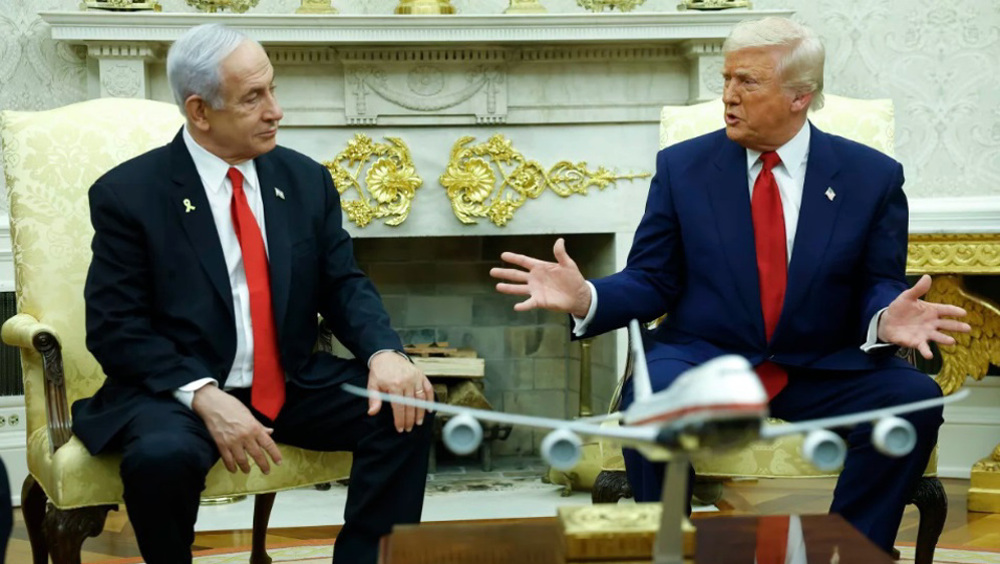
US intelligence agencies have cautioned the Trump administration that Israeli prime minister Benjamin Netanyahu could resort to desperate and provocative measures aimed at undermining the recently signed memorandum of understanding (MoU) between Iran and the United States.
According to the intelligence assessment, Netanyahu is facing intense domestic political pressure to continue his aggression against Hezbollah, deliberately sabotaging the US-Iran accord and testing the limits of his relationship with President Trump.
The warning highlights growing tensions between Washington and the Netanyahu regime over the future of Israel’s illegal military invasion and occupation of Lebanon, a central component of the Iran-US MoU signed this week.
Citing current and former US officials, The Washington Post reported on Friday that the Zionist regime is deeply frustrated with the agreement, which it views as constraining its ability to carry out relentless attacks on Lebanon.
“Continuing to occupy part of Lebanon is a recipe for disaster,” one US official warned, stressing that without a complete Israeli withdrawal, renewed hostilities with Hezbollah would be “all but certain.”
The report makes clear that any suspension of hostilities or withdrawal from Lebanon would be perceived in Israel as a major defeat for Netanyahu.
A US official familiar with the intelligence report stated: “The new US intelligence assessment concludes that, with elections approaching this fall, Netanyahu’s political survival depends on showing his domestic audience that he will not withdraw troops from Lebanon and that he remains intent on escalating the fighting with Hezbollah.”
Should Netanyahu intensify his military campaign in Lebanon, he would not only threaten the hard-won framework of the US-Iran agreement signed on Wednesday but could also severely damage his relationship with President Trump, the very administration that supported Israel’s initial aggression.
Speaking in France earlier this week, President Donald Trump openly acknowledged disagreements with Netanyahu over Lebanon.
“I have a little dispute over Lebanon,” Trump said, revealing that he had urged the Israeli prime minister to stop “knocking down a building every time somebody walks into it that’s from Hezbollah.”
Tensions escalated further after Israeli strikes killed around 20 civilians in southern Lebanon, followed by a Hezbollah response that killed four Israeli soldiers.
These incidents led to the postponement of scheduled US-Iran talks in Switzerland, where Vice President JD Vance was expected to lead the American side.
The report underscores how reckless Israeli actions and attempts to sabotage diplomacy are harming Tel Aviv’s relations with Washington.

Hardline extremists within Netanyahu’s coalition continue to show defiance. Far-right minister Itamar Ben-Gvir brazenly declared on social media: “All of Lebanon should burn.”
Former Israeli intelligence analyst Danny Citrinowicz warned that Netanyahu risks “huge friction” with Trump, while former US intelligence analyst Harrison Mann noted that “permanent war and territorial expansion have been the animating forces of Israeli politics for years.”
The US intelligence report also details Israel’s frustration with key terms of the Trump peace memorandum, which directly challenge its broader goal of maintaining maximum pressure on Tehran and the Axis of Resistance.
Netanyahu is now in a “very tough situation,” Citrinowicz said, noting that Trump launched the war against Iran on February 28 at Israel’s urging, a war that ultimately cost tens of billions of dollars, caused global energy prices to surge, and failed to achieve its stated goals.
Trump administration officials have firmly stated that the MoU does not prevent legitimate self-defense by Israel but that Netanyahu’s concerns are secondary to the urgent need to finalize the deal, reopen the Strait of Hormuz, and avert a broader global economic crisis.
This moment reflects growing friction between the Netanyahu regime and the Trump administration, which has publicly cautioned Israel against new attacks on Lebanon that could derail the historic understanding achieved with Iran.
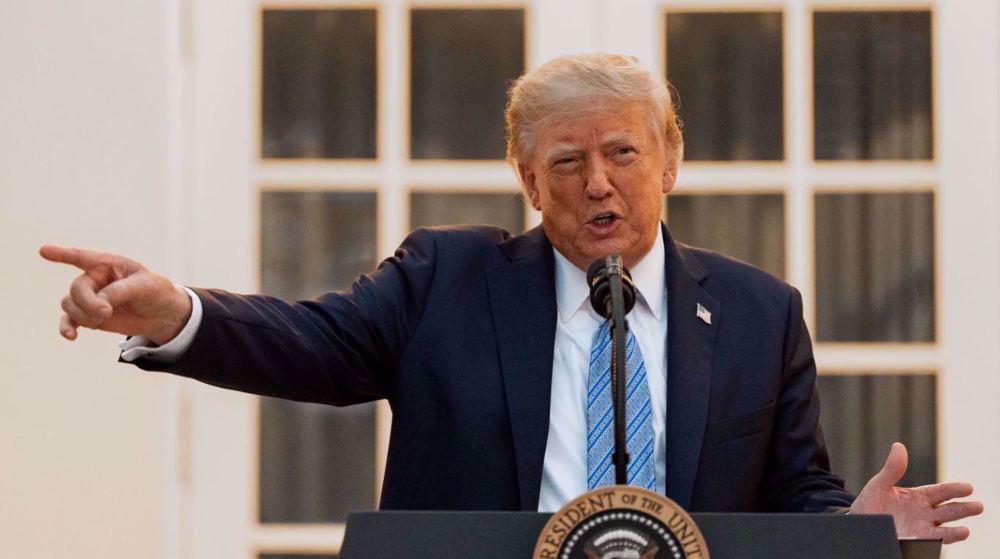
Trump bars CNN, MS NOW and Politico from White House as they question his pro-war policies
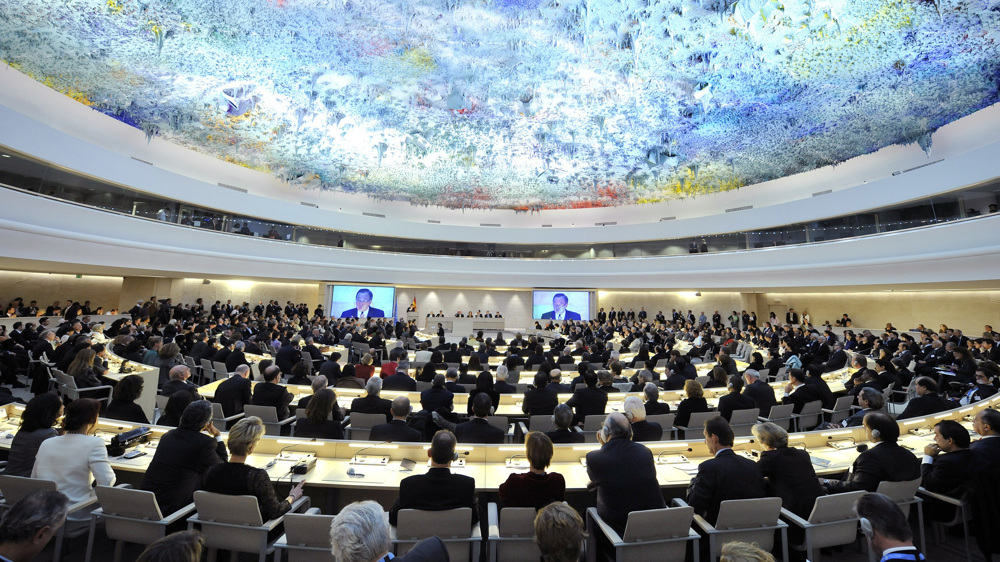
US leaves UN Human Rights Council after probe finds possible American war crimes in Iran
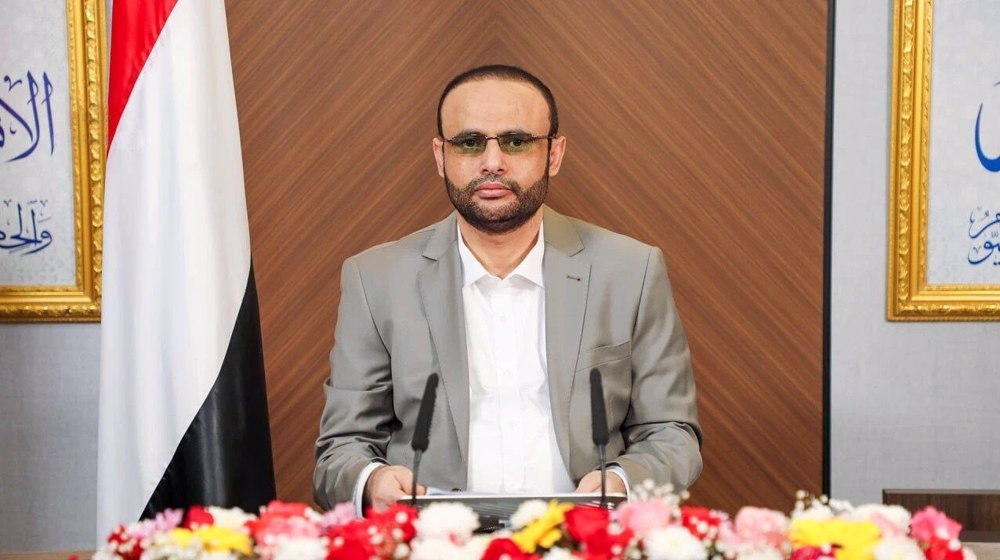
Yemen dismisses Mecca drone allegation, says kiswa donors to Epstein target sanctities



US aggression, economic warfare amount to crimes against humanity: Iran's UN envoy
Protests erupt in US as ICE agent shoots Venezuelan driver
US pressure fuels cooperation among Muslim states: Pezeshkian
Major TV networks suspend White House pool coverage after Trump ban
US visa ban on Palestinian UN delegation violates international agreements: Hamas
VIDEO | Press TV's news headlines
Iran calls on France to respect law after suspending French cultural institute in Tehran
Israel lobby no longer shy about its grip on US policy on Iran: Araghchi


 PressTV NEWSLETTER
now
PressTV NEWSLETTER
now
 This makes it easy to access the Press TV website
