Iran’s deep brain stimulation technology for Parkinson’s treatment to enter human trials by 2027
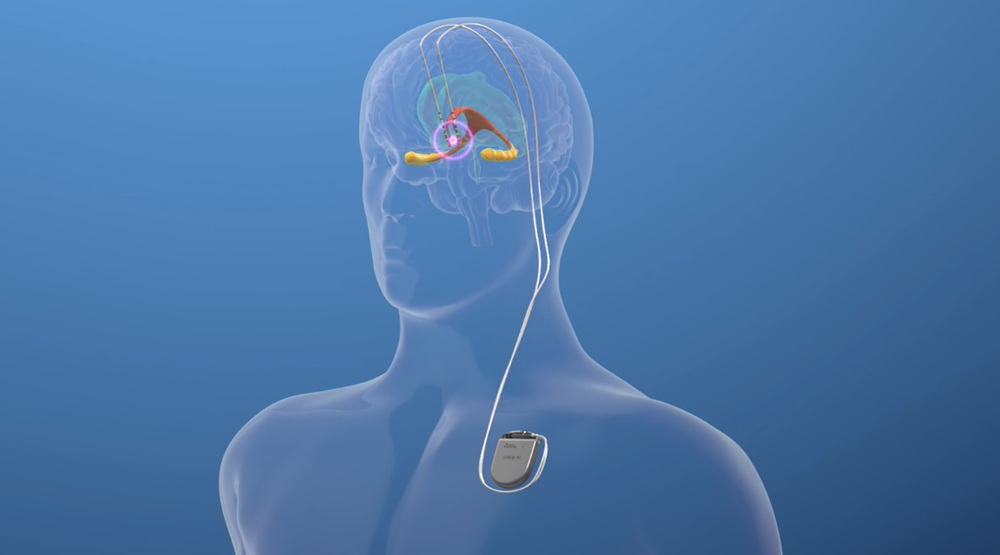
Iran is expected to begin human trials of its domestically developed deep brain stimulation (DBS) technology by the Iranian year 1406 (March 2027–March 2028), according to a senior official involved in the national project.
Ataollah Pourabbasi, Secretary of the Cognitive Sciences and Technologies Development Headquarters under the Vice Presidency for Science, Technology and Knowledge-Based Economy, said the project has reached a major milestone after nearly a decade of research and development.
“This project has been underway for about 10 years,” Pourabbasi said. “The project has now reached the preclinical phase, meaning that the initial animal tests have been successfully completed, and we are currently at the stage of implanting electrodes in the brains of monkeys.”
Deep brain stimulation is considered one of the most advanced treatment methods in neuroscience.
The technology involves implanting thin electrodes into specific regions of the brain and delivering controlled electrical pulses to regulate abnormal neural activity.
It is used to alleviate symptoms in patients whose conditions cannot be adequately controlled through conventional medication or standard therapies.
According to Pourabbasi, the project is progressing on schedule and continues to receive support from Iran’s scientific authorities.
“We hope that if this stage proves successful and we pass the required tests, we will enter the human phase,” he said.
“Fortunately, the project is moving forward according to the planned timetable, and support will continue so that we can reach the human-trial stage as quickly as possible.”
⚕️ Iran’s homegrown AlphaZa cancer radiopharmaceutical nears market launch, says nuclear chief#IranFirsthttps://t.co/Y4cGjMpHI4
— Iran First (@IranFirst_PTV) June 16, 2026
The official highlighted the importance of localizing the technology, noting that a significant number of Iranian patients could benefit from DBS treatment each year.
“At present, our country has at least 2,000 patients annually who require treatment using deep brain stimulation technology,” Pourabbasi said.
“This treatment applies to diseases such as Parkinson’s disease, drug-resistant epilepsy, treatment-resistant depression, and certain motor disorders. If this technology is developed domestically, it will bring about a major transformation in the treatment of these patients.”
He added that only a handful of countries currently possess commercially available DBS systems.
“Companies in the United States and China have commercialized this technology,” he said. “Overall, only about five or six countries have the final product.”
DBS has gained global recognition for treating neurological and psychiatric disorders that are resistant to conventional therapies.
The technology is most commonly used for Parkinson’s disease, severe tremors, dystonia, and drug-resistant epilepsy. In some cases, it is also employed to treat severe obsessive-compulsive disorder (OCD) and treatment-resistant depression.
Unlike older surgical approaches that permanently destroy targeted brain tissue, DBS works by modulating neural circuits through adjustable electrical stimulation.
Physicians can fine-tune the device’s settings after implantation, making the therapy both targeted and adaptable to individual patient needs.
The development of indigenous DBS technology is regarded as an important step for Iran’s medical technology sector, requiring expertise in neuroscience, biomedical engineering, implantable devices, and advanced electronic systems.
Beyond its therapeutic potential, the project could strengthen the country’s capabilities in high-tech medical innovation and reduce dependence on imported equipment, according to experts.
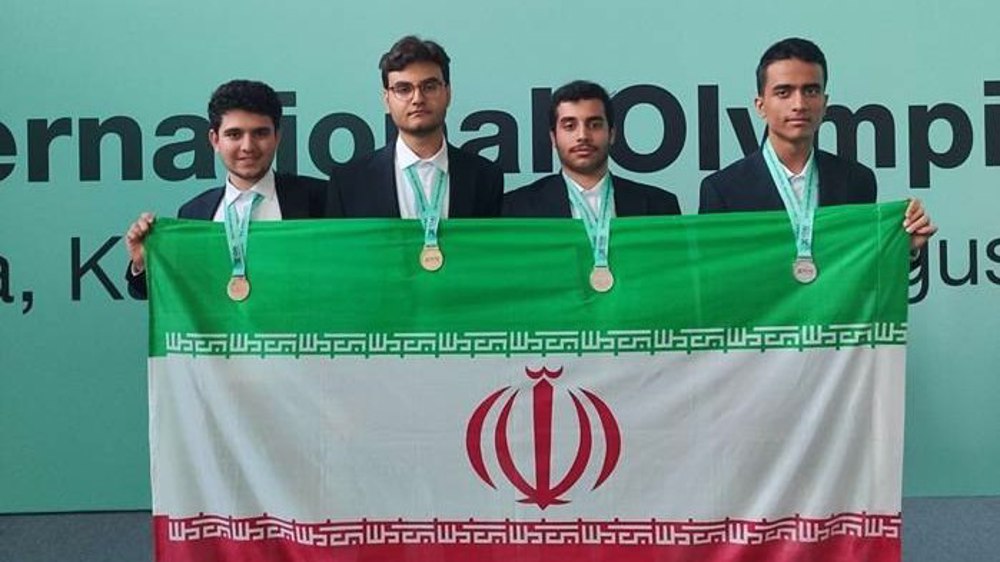
Iran wins four medals at 2026 International Olympiad in Artificial Intelligence

Iran to launch most advanced National Primate Laboratory this year
Iran's Royan Institute preserves fertility of two girls with cancer through advanced surgery



Pezeshkian congratulates Iran’s AI Olympiad team on medal haul at IOAI 2026
Iranian order in Strait of Hormuz is ‘irreversible’: Army spokesman
VIDEO | Press TV's news headlines
Proposed US bill ties military funding for Lebanon to Hezbollah disarmament
Lebanese MP: US behind all wars in West Asia, Hezbollah won’t yield to pressure
VIDEO | A regional geopolitics
VIDEO | US top general reportedly seeks off-ramp from war on Iran
VIDEO | US does not act on behalf of the people: Former US government advisor



 PressTV NEWSLETTER
now
PressTV NEWSLETTER
now
 This makes it easy to access the Press TV website
