Tehran pursuing diplomacy with ‘pessimism’; no Geneva visit planned: FM spox
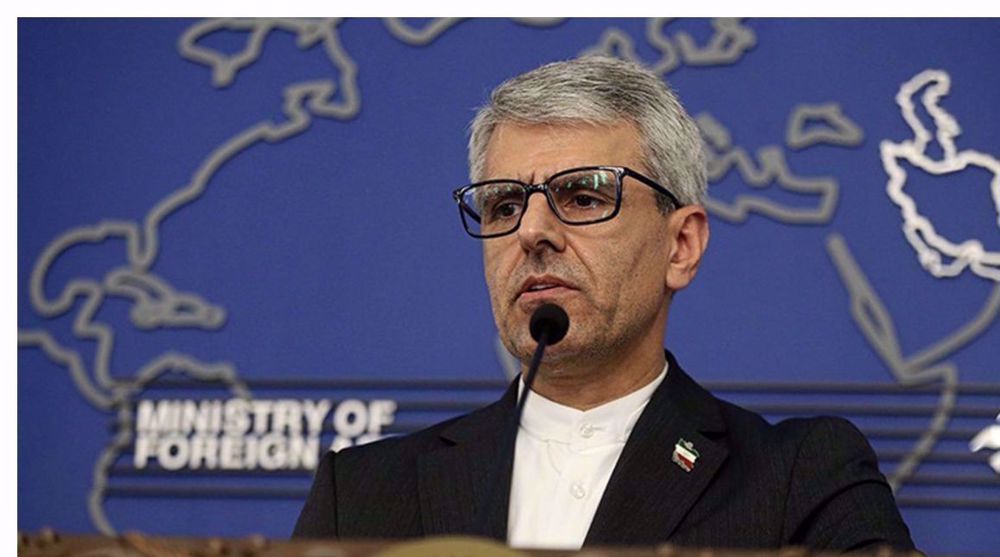
Iran’s Foreign Ministry spokesman Esmaeil Baghaei said Tehran remains pessimistic about diplomacy with the United States due to Washington’s record of reneging on commitments, adding that no trip to Geneva has been planned over the next two days amid reports of a possible agreement with the US.
Baqaei said on Saturday that the US has a history of breaking promises with regard to talks with Iran, making Tehran ever more skeptical about the outcome of the negotiations.
The spokesman made the remarks amid reports suggesting Iran and the US have moved very close to signing an initial agreement aimed at ending the US-Israeli aggression on Iran that started in late February and stopped with a ceasefire in early April.
“We should wait for the exact time of signing [a potential agreement]. We have no plans for trips to Geneva or other places for the next two days,” he said, responding to reports that claimed a signing ceremony could be held on Sunday in Geneva or Islamabad.
“Our duty is to pursue this diplomatic process with pessimism,” said Baghaei in a news briefing held in the western city of Hamedan.
“The experience of a year and a half of negotiations with the American side, along with their broken promises and crimes during previous talks, requires us to take every step cautiously and with great foresight,” he said.
The spokesman reiterated his previous statement that the potential understanding with the US would solely focus on solutions aimed at ending the US-Israeli aggression on Iran, as he insisted that Iran’s nuclear program will not be covered in the agreement.
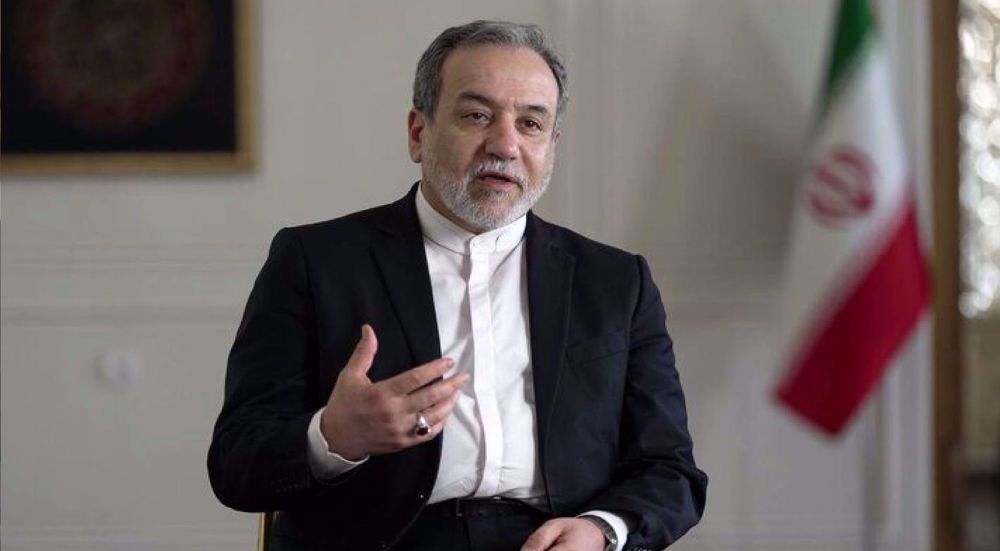
"Given past experiences, at this stage, the focus is on ending the war on all fronts, including Lebanon, and it was decided not to discuss the nuclear issue… Regarding the nuclear issue, discussions are scheduled to take place within a 60-day period, so no details will be addressed at this stage,” Baghaei said.
He said the main reason the talks for an initial agreement with the US have lasted more than two months is because of the “contradictory positions of US officials and their frequent changes in stance”.
The official insisted the agreement with the US, which could be signed in the coming days or weeks, would not be a final agreement, but rather “a memorandum outlining the general principles of contentious issues and specifying that the war will end”.
Baghaei said that the main issues covered in the initial agreement will be US attacks on Iranian shipping, a reference to the so-called US blockade on Iranian ports in the Persian Gulf, as well as matters related to the Strait of Hormuz, a key waterway in the Persian Gulf that has been controlled by Iran since the start of the war.
The US and the Israeli regime launched unprovoked rounds of aggression against Iran in June 2025 and February, both of which came as Tehran and Washington were engaging in indirect negotiations.
The US-Israeli attacks killed more than 3400 Iranians, including women and children, during the two wars of aggression. The attacks also targeted senior Iranian officials, military commanders, nuclear scientists, peaceful nuclear facilities, and even hospitals and schools.
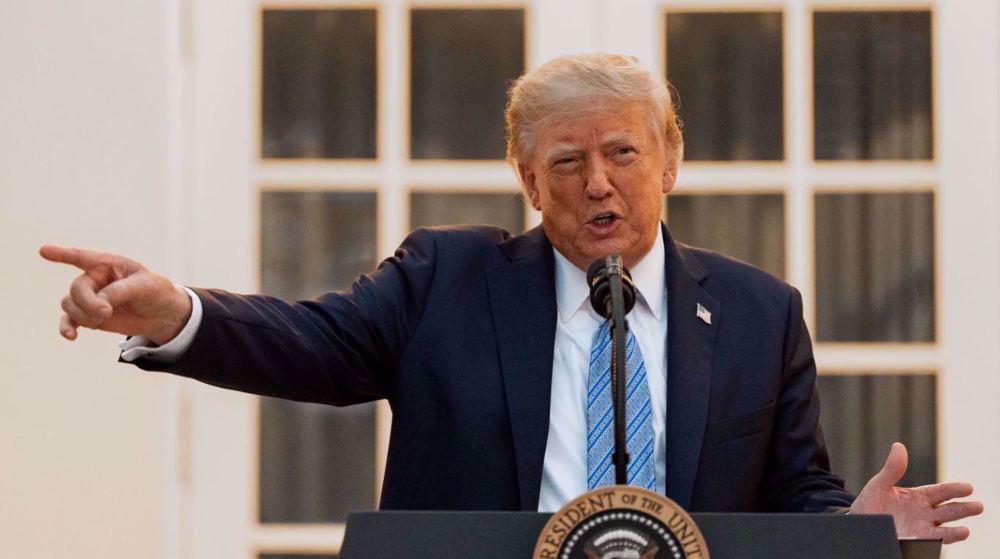
Trump bars CNN, MS NOW and Politico from White House as they question his pro-war policies
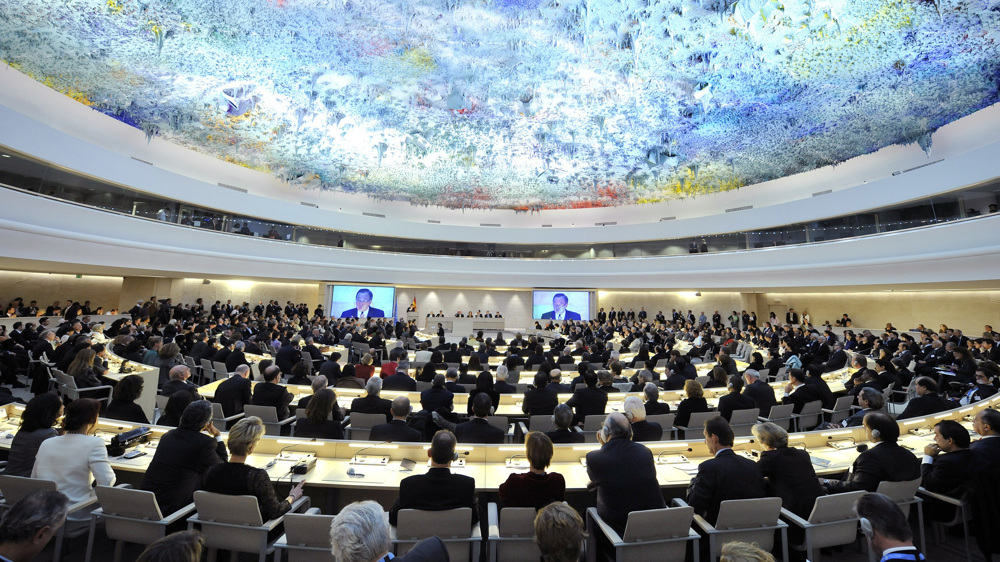
US leaves UN Human Rights Council after probe finds possible American war crimes in Iran
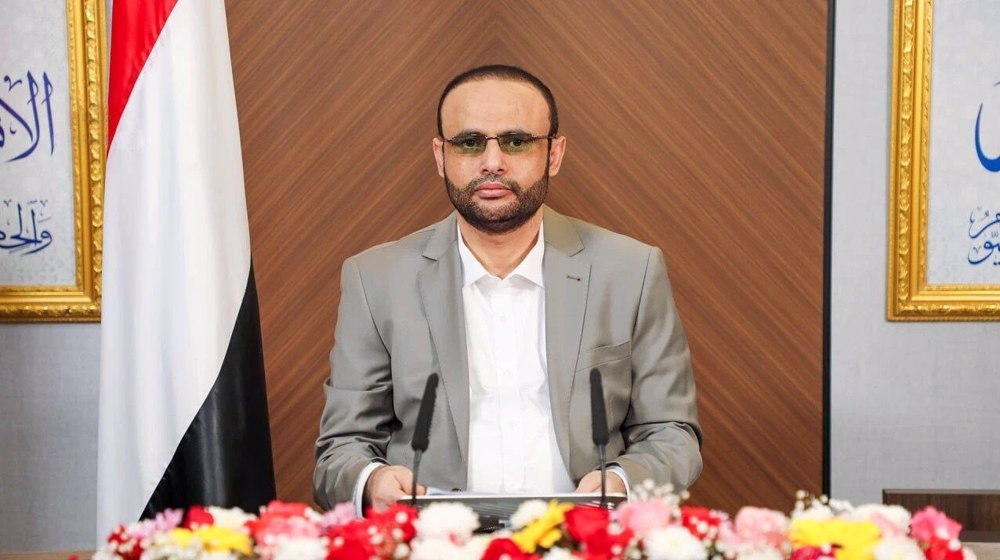
Yemen dismisses Mecca drone allegation, says kiswa donors to Epstein target sanctities



VIDEO | Gaza schools reborn in tents as new academic year begins
Iran: US had intentionally prepared ground for withdrawing from Islamabad MoU
Hezbollah leader: Iran thwarted US-Israeli war goals; ultimate victory belongs to resistance
VIDEO | Yemen responds to Saudi aggression
Four Palestinians, including child, killed in Israeli attacks across Gaza
Iran retains initiative in Strait of Hormuz despite US claims: Armed Forces
Yemeni army targets sensitive sites in Saudi capital, Aramco facilities in Yanbu
Barzegari’s silver lifts Iran to five medals at 2026 World Poomsae Championships



 PressTV NEWSLETTER
now
PressTV NEWSLETTER
now
 This makes it easy to access the Press TV website
