US war on Iran has had ‘significant economic impact’ on Persian Gulf states: Economist
By Alireza Kamandi
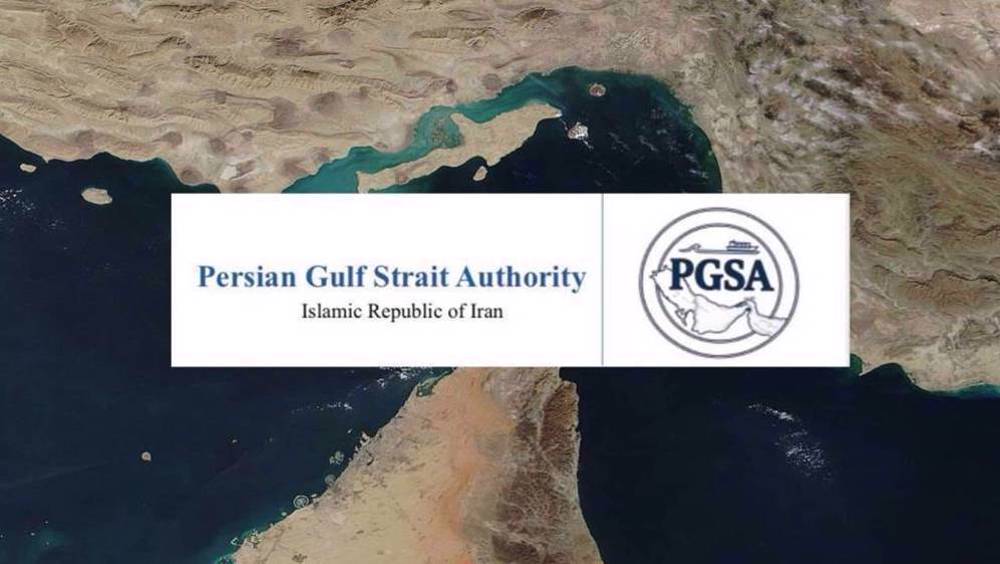
Limited transit through the Strait of Hormuz and physical damage as a result of US aggression against Iran have dealt severe economic blows to the oil and non-oil sectors of the Persian Gulf countries, an economist says.
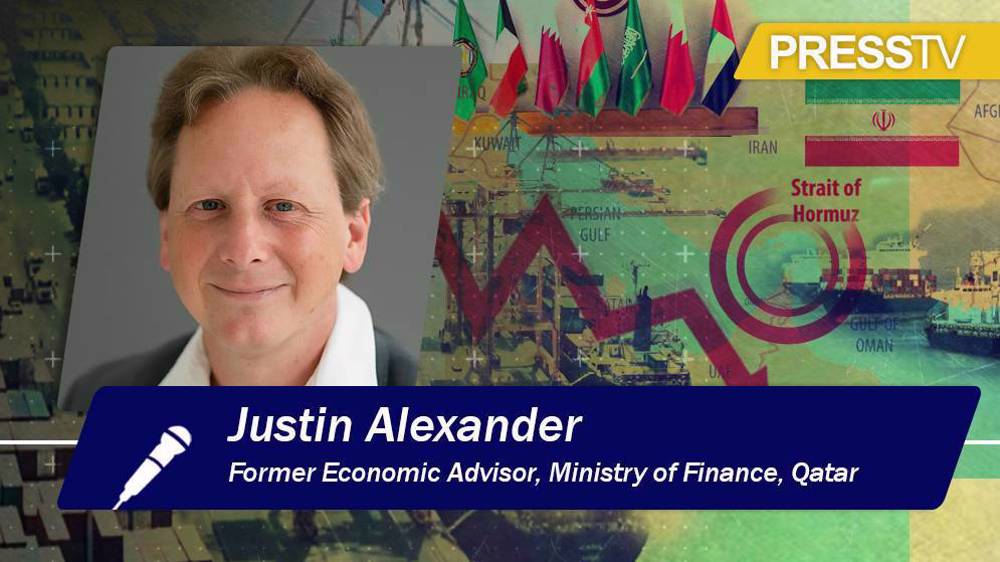
In an interview with the Press TV website, Justin Alexander, the director of Khalij Economics and a former economic advisor to the Qatari Ministry of Finance, said the Persian Gulf states have suffered major economic damage to both oil and non-oil sectors due to the war imposed on Iran.
He attributed this to both limited transit through the Strait of Hormuz as a result of the US military aggression against the Islamic Republic and the resulting physical damage.
“While most countries have shown considerable short-term resilience, the duration of the limited transit traffic in the Strait of Hormuz remains critical. Whether higher oil prices after a reopening (the return of the Strait of Hormuz conditions to pre-war status) could offset losses from shut-in production is still an open question”, he told the Press TV website.
When asked about foreign investment prospects following Iran’s retaliatory military operations against US bases in some Persian Gulf states, the analyst mentioned that Iranian attacks on US bases are not the primary concern for investors.
Rather, it is attacks targeting infrastructure and industry that have raised alarm, he noted, emphasizing that a sustainable peace agreement, one that mitigates the risk of future war, would be essential to restore investor confidence.
Notably, his remarks came just before the US launched a fresh act of aggression against Iran, prompting Iranian retaliatory strikes on US military bases in Bahrain and Jordan.
US launches fresh act of aggression against Iran; its regional bases placed on high alert nowhttps://t.co/0ZiaTx0SQ1
— Press TV 🔻 (@PressTV) June 9, 2026
As to the potential closure of the Bab al-Mandab Strait, Alexander asserted that shutting Bab al-Mandab would further restrict Saudi exports and imports, particularly with Asia.
He underscored that many countries uninvolved in the war would face severe hardship, with the burden of limited food and fertilizer supplies.
Regarding US President Donald Trump’s recent claim that American oil production now exceeds that of Saudi Arabia and Russia combined (official figures show US production at roughly 13.5 million barrels per day, compared to about 18.5 million barrels per day for Russia and Saudi Arabia together) – suggesting Washington no longer needs the Strait of Hormuz – Alexander noted that higher international market oil prices still negatively impact American consumers.
However, he stressed that, unlike many global consumers impacted by this war imposed on Iran, the US is unlikely to face physical supply shortages.
As to economic losses inflicted on the Trump administration by the ongoing war, he said the ongoing stock market surge has continued to benefit the wealthiest in US society.
“However, higher gasoline prices and eventually higher food and goods prices will squeeze lower-income Americans. These economic pressures may carry eventual political consequences for the administration”, the analyst told the Press TV website.

BRICS paving way for alternative world order, not a war machine against West: Analyst
Iran’s strategic location, energy resources position it as a key player in BRICS alliance: Analyst
Yemeni military advance along Red Sea alters balance of power amid Saudi siege, aggression: Analyst



US aggression, economic warfare amount to crimes against humanity: Iran's UN envoy
Protests erupt in US as ICE agent shoots Venezuelan driver
US pressure fuels cooperation among Muslim states: Pezeshkian
Major TV networks suspend White House pool coverage after Trump ban
US visa ban on Palestinian UN delegation violates international agreements: Hamas
VIDEO | Press TV's news headlines
Iran calls on France to respect law after suspending French cultural institute in Tehran
Israel lobby no longer shy about its grip on US policy on Iran: Araghchi


 PressTV NEWSLETTER
now
PressTV NEWSLETTER
now
 This makes it easy to access the Press TV website
