Israeli military attacks Nabatieh region in southern Lebanon, continuing ceasefire violations
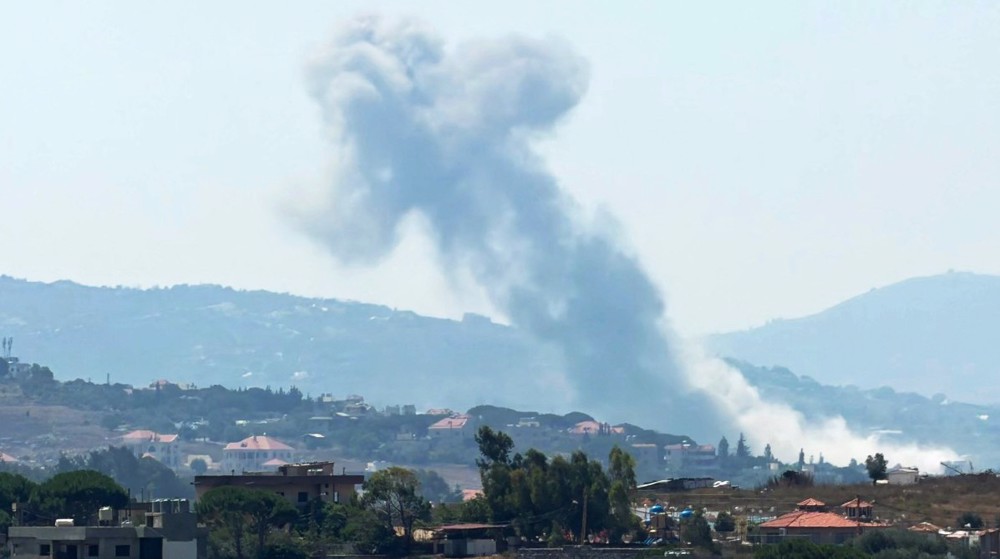
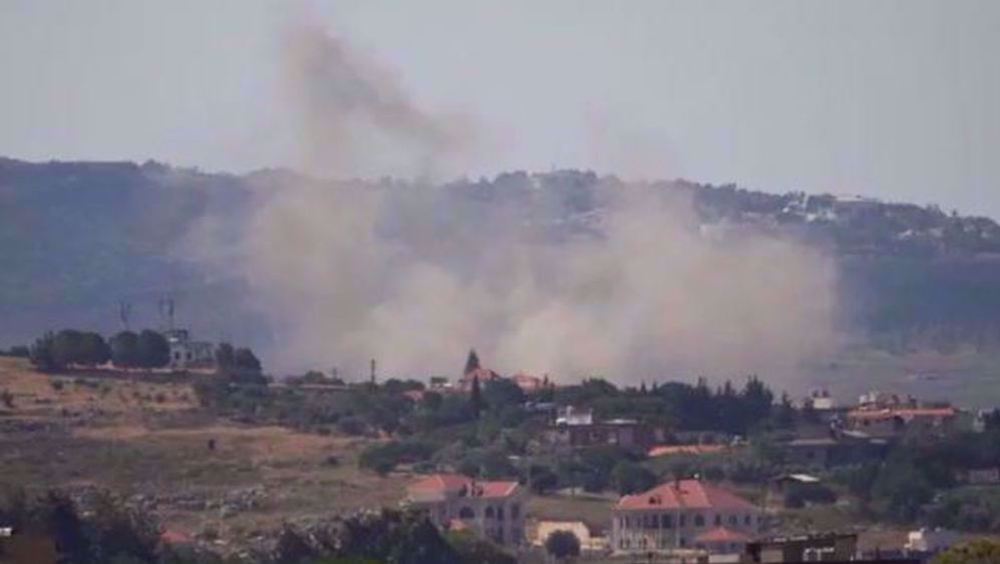
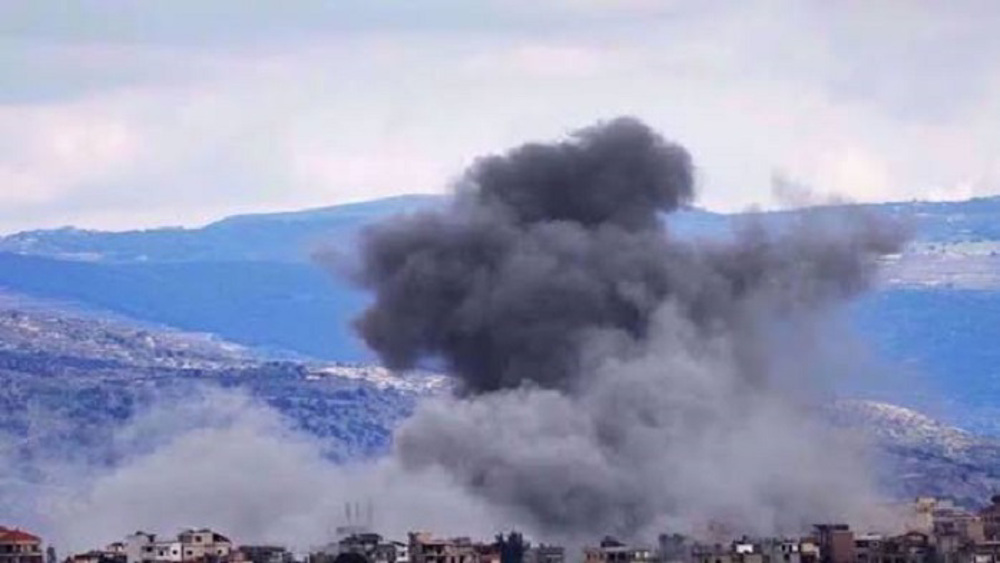
Israeli forces shelled areas in southern Lebanon early Monday, targeting the outskirts of the Ali al-Taher Heights in the Nabatieh region, local media reported.
No immediate reports have been released regarding casualties or material damage.
The latest incidents follow a series of Israeli military offensives in southern Lebanon in recent days, including explosions near Barashit and Kfar Tibnit, as well as airstrikes targeting areas around Mansouri and Majdal Zoun.
On March 2, Hezbollah launched military operations against the Israeli regime in response to the US-Israeli aggression against Iran, Israel’s repeated violations of the 2024 ceasefire, and its continued occupation of Lebanese territory in the country’s south.
Following the Iran-US ceasefire on 8 April, Tel Aviv was compelled to accept a ceasefire in Lebanon as well, after Tehran demanded an end to Israeli attacks on Lebanese soil as one of its primary conditions in indirect negotiations with Washington.
The Israeli military, however, quickly resumed its assaults on southern Lebanon in violation of the agreement.
The July 17 Islamabad Memorandum of Understanding between Iran and the United States, which was intended to bring the war to an end, stipulated that hostilities would cease on all fronts, including Lebanon. However, Israel also violated that agreement and failed to abide by its commitments.
On June 26, Lebanon and Israel signed a framework agreement, mediated by the United States, which outlines a phased withdrawal of Israeli forces from all occupied territories in Lebanon, starting with a pilot model in two zones that have not been publicly revealed.
The agreement does not establish a timeline for the withdrawal, tying its completion to the Lebanese army taking full security responsibility in the areas that have been evacuated and the disarmament of armed groups, specifically referring to Hezbollah.
Hezbollah has rejected the agreement, saying the framework deal legalizes Israeli occupation of southern Lebanon.
Lebanon’s Amal Movement also rejected the so-called agreement, saying that most of the deal’s clauses are detrimental to Lebanon’s national interests and serve the interests of the Israeli regime.
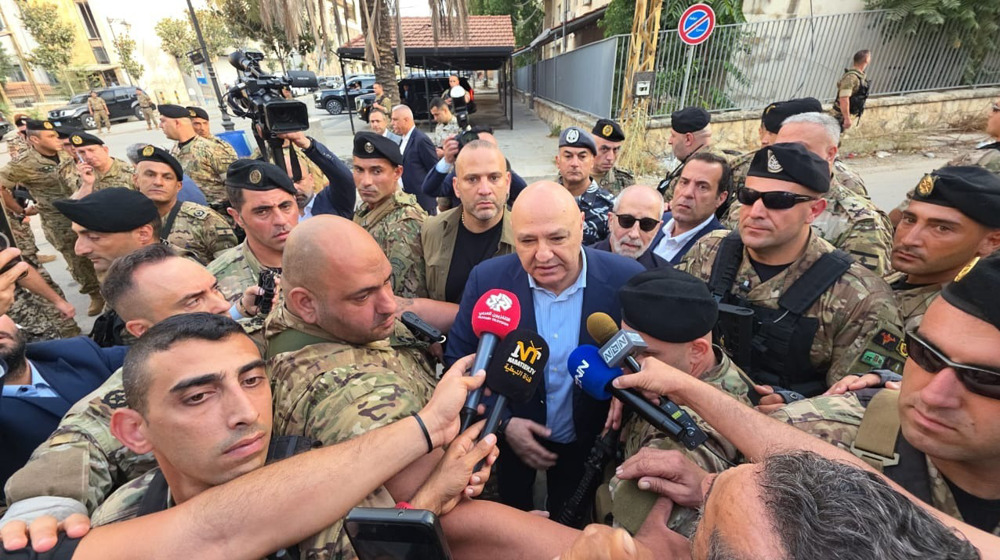
During a meeting with US President Donald Trump at the White House earlier this week, Lebanese President Joseph Aoun reiterated Beirut’s demand for the complete withdrawal of Israeli occupation forces from Lebanese territory, saying full implementation of the ceasefire agreement remains impossible while Israeli violations persist.
According to official Lebanese statistics, Israeli assaults in Lebanon have killed at least 4,330 people, injured 12,236 others, and displaced more than 1 million individuals since March 2.
Israel maintains its occupation of regions in southern Lebanon, with some territories held for many years and others usurped during the onslaught of 2023-24.
Iran calls on UN to protect Lebanese civilians as Israel’s attacks continue
Israeli forces ramp up attacks in southern Lebanon, shell southern Syria
Lebanese president: Withdrawal of Israeli forces ‘national principle’ to uphold



Yemeni Armed Forces launch fresh retaliatory strikes on Saudi targets
VIDEO | Press TV's news headlines
VIDEO | Iraq’s fuel crisis deepens amid supply disruptions
US tested Lockheed cluster missiles on Iranian civilians, Baghaei says
Iran, Oman jointly postpone Persian Gulf foreign ministers’ meeting
VIDEO | Gaza’s women: The sole providers of families shattered by war
VIDEO | News Review: Trump’s comments on Irish unification spark backlash among his British allies
VIDEO | Press TV's news headlines



 PressTV NEWSLETTER
now
PressTV NEWSLETTER
now
 This makes it easy to access the Press TV website
