Yemen hit three Saudi-linked tankers in two days: Report
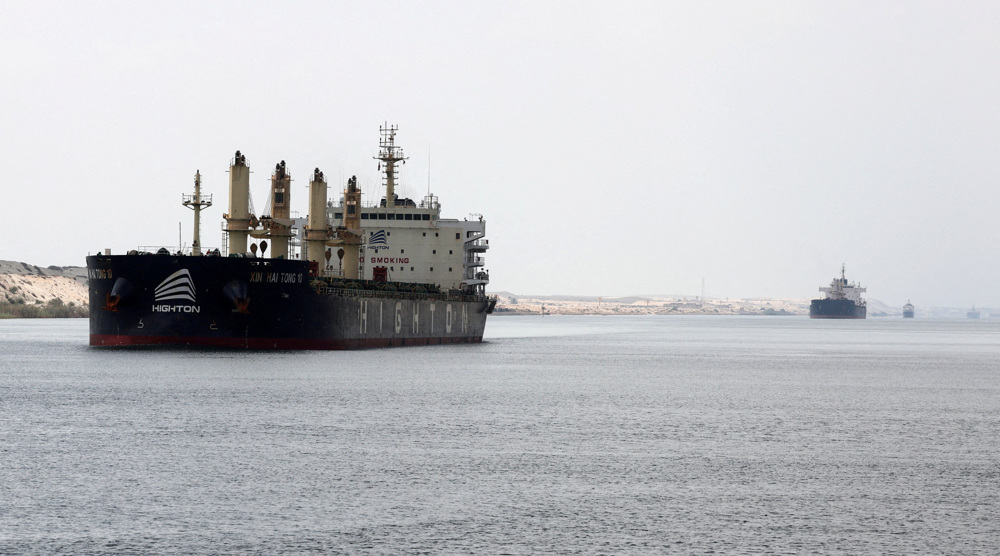
Yemen's armed forces have targeted three Saudi oil tankers over the past 48 hours, a special source told Al-Mayadeen, signaling a complete severing of Saudi oil export routes through the strategic Bab el-Mandeb strait.
The source revealed that 16 Saudi vessels have been forced to turn back after being denied passage from Monday through Sunday, underscoring the operational reach of Yemen's maritime enforcement capabilities.
"Since the imposition of the Yemeni blockade, not a single Saudi oil vessel has passed through Bab el-Mandeb, neither outbound nor inbound, up to this moment," the source told Al-Mayadeen, in a statement.
The Bab el-Mandeb strait, connecting the Red Sea to the Gulf of Aden and the Indian Ocean, is one of the world's most critical maritime chokepoints, through which millions of barrels of oil transit daily.
The maritime blockade was announced earlier this week as a direct response to the 12-year Saudi-led siege of Yemen, which has strangled the country's ports, devastated its economy, and inflicted what the United Nations has described as one of the world's worst humanitarian crises.
The announcement followed Saudi-led coalition strikes on Yemen's Red Sea governorate of Hodeidah, which targeted state telecommunications facilities and Kamaran island off Yemen's western coast, injuring at least two people.
On Saturday, Yemen's armed forces launched two coordinated operations targeting Saudi Aramco facilities in Jizan and Yanbu, striking at the kingdom's most critical oil infrastructure with dozens of ballistic missiles, cruise missiles, and drones.
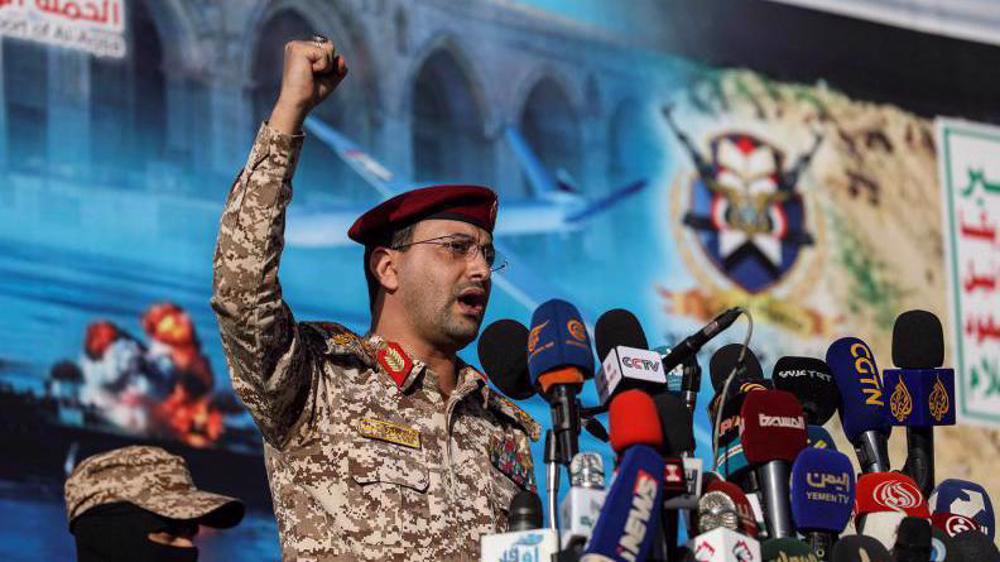
Military spokesman Brigadier General Yahya Saree confirmed that "both operations were carried out with precision and success," describing the strikes as retaliation for Saudi airstrikes on Hodeidah and Kamaran Island
True cost of the Saudi blockade
Yemen's Minister of Transport and Public Works, Mohammed Ayash Qahim, delivered an indictment of the Saudi-led aggression in remarks broadcast on Al-Masirah television, describing the so-called "de-escalation" phase that followed earlier ceasefire talks as nothing more than a "deceptive facade" that perpetuated Yemen's suffering without addressing the root cause, which was the blockade itself.
"What was called the 'de-escalation' phase or the improvement of the 'humanitarian situation' was in reality a mined and catastrophic humanitarian condition that continued to multiply the suffering of the Yemeni people without any real remedies to end the siege imposed on Yemen," Qahim said.
The minister recalled that Saudi Arabia had targeted and bombed Hodeidah port from the very first day of its aggression, describing it as "conclusive proof of its premeditated intentions to bring the people to their knees and tighten the noose around the basic necessities of their lives."
Qahim laid out the devastating toll of the blockade in numerical terms.
The volume of goods arriving through Hodeidah port, he said, had collapsed from six million tons annually to just one million tons.
Container traffic, once exceeding 300,000 containers per year, has plummeted to no more than 500 containers currently reaching the port.
The Saudi-imposed inspection and permit regime forced containers to wait in Djibouti for months, in some cases more than 300 days, resulting in the spoilage of goods, mounting late fees, and a dramatic increase in insurance costs per container to $15,000.
For five of the most critical years of the war, Qahim revealed, not a single ship entered Hodeidah port.
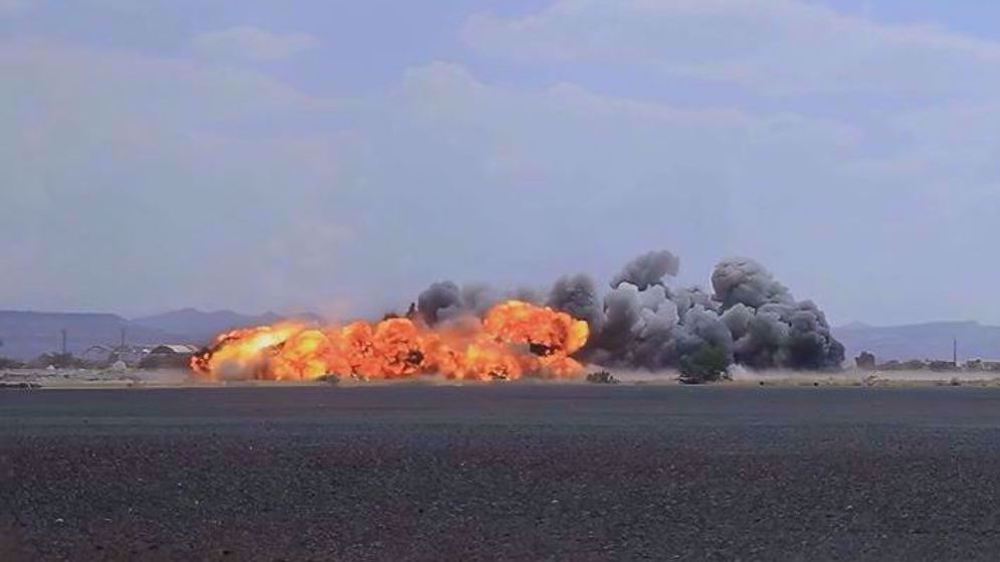
The Saudi aggression systematically destroyed the port's infrastructure, including its cranes and berths, inflicting damages exceeding $12 billion on the Red Sea Ports Corporation, losses the minister said would be nearly impossible to recover in the foreseeable future.
The blockade also barred the entry of essential materials and equipment for 12 consecutive years, including refrigeration units, vehicles, and heavy machinery, while Saudi forces continued to send direct threats to commercial vessels attempting to sail to Hodeidah.
Qahim emphasized that the Saudi blockade had paralyzed port operations entirely, depriving thousands of port workers of their livelihoods and sources of income.
The minister described Saudi Arabia's conduct since the first day of its aggression as a deliberate, systematic campaign of siege and starvation aimed at a people who had risen against decades of tutelage and humiliation.
"The Saudi enemy's behavior from the very first day of its aggression against Yemen was clear in its relentless pursuit of imposing a siege and systematic starvation on the Yemeni people," Qahim said.
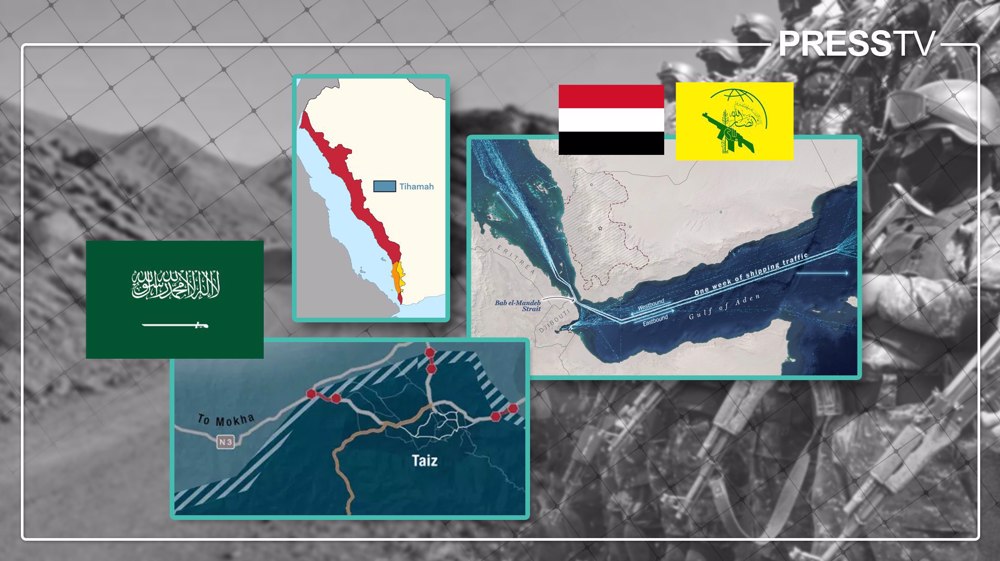
Sana’a strikes back: How Yemeni military’s lightning advance redrew the Red Sea's strategic map

Saudi Arabia announces shutting down crucial oil pipeline, reporting multiple earlier strikes

Yemen army dealt heavy blow to ‘New Middle East’ plot, commander says



Stories Beyond Numbers: A pregnant woman killed alongside 8 family members in US-Israeli strike
Untold story of July 31: Hours after US strikes, Iran locked onto F-35 and destroyed MQ-9 Reaper
Saudi warplanes bombard areas recently liberated in Yemeni army’s advances
VIDEO | Press TV's news headlines
New resolution and UNSC referral show IAEA continues to be weaponized by US, Europe against Iran
VIDEO | BRICS should continue to defend basic intl. rules, oppose protectionism: CGTN anchor
Oman deal will not mean reopening of Hormuz Strait: Iran FM
Clashes erupt in Germany protests demanding Merz’s resignation



 PressTV NEWSLETTER
now
PressTV NEWSLETTER
now
 This makes it easy to access the Press TV website
